
Choosing between Crayola Silly Scents dough and traditional modeling doughs comes down to balancing sensory engagement with structural performance. While scented doughs turn a simple sculpting session into an olfactory adventure, classic unscented compounds often prioritize shape retention and tool compatibility. In tropical climates like the Philippines, where high humidity and warm temperatures affect how modeling compounds dry and store, understanding these subtle differences in formulation helps you select the right material for your child’s creative projects. By evaluating how these materials behave during active play, you can make an informed decision that keeps your young crafter engaged without causing unnecessary cleanup hassle.
Understanding the Core Differences in Formulation and Play
Modeling compounds are not all created equal, and their design philosophies dictate how they perform in little hands. Scented doughs, such as Crayola Silly Scents, are specifically engineered to stimulate multiple senses simultaneously. To achieve their signature aromas, manufacturers introduce fragrance oils and specific binding agents into the starch-and-water base. These additives can slightly alter the physical characteristics of the dough, often making it feel softer or more elastic than traditional, unscented alternatives.
In contrast, classic modeling doughs focus primarily on tactile consistency and structural stability. Without the need to accommodate fragrance compounds, these formulations can prioritize a clean, predictable texture that holds its shape well during detailed sculpting. This makes traditional doughs highly suitable for building multi-tiered figures, miniature landscapes, or intricate patterns that require the material to stand upright without sagging.
Products mentioned in this guide
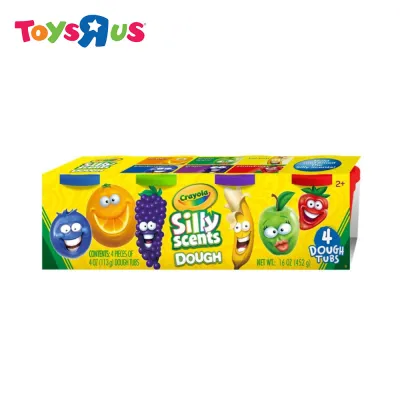
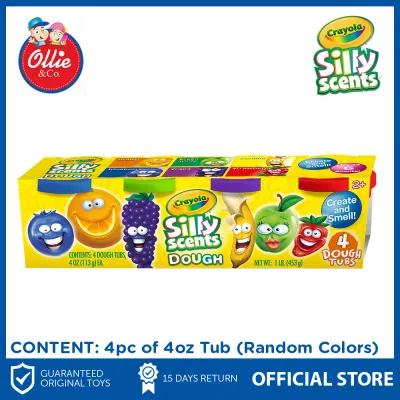
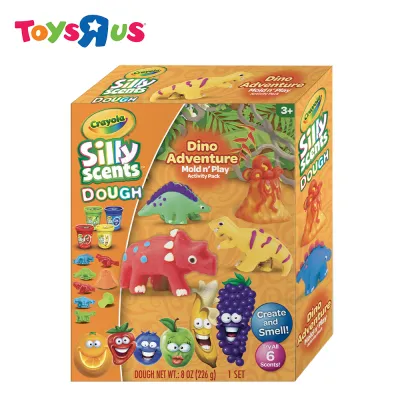
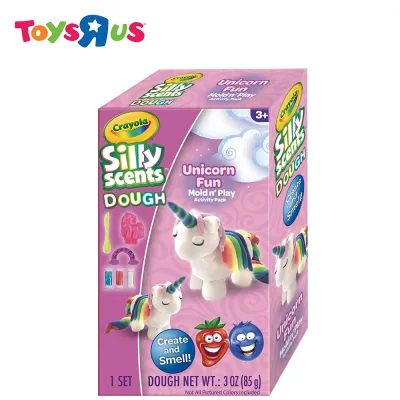

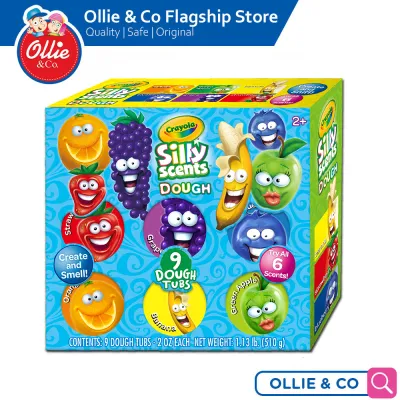
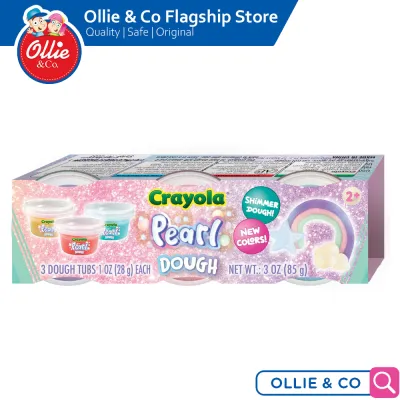
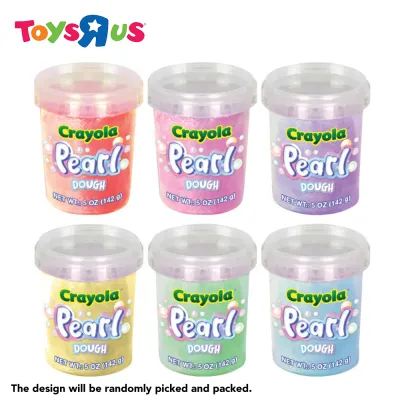
Prices are valid at publication and may change. Please refer to the product page for the latest price.
Before introducing any new modeling compound to your household, it is essential to review the product packaging for safety and allergen information. The vast majority of commercial play doughs utilize a wheat-based formula, which means they contain gluten. If your child has celiac disease, a wheat allergy, or sensitive skin prone to contact dermatitis, you must search for gluten-free alternatives. Always verify that the packaging carries a certified non-toxic label, ensuring the ingredients are safe for accidental ingestion, though active supervision remains necessary during play.
Evaluating Texture, Drying Time, and Tool Compatibility
To determine which dough best suits your crafting needs, you can perform a few simple observations during play. Start by evaluating the initial texture as soon as the tub is opened. A high-quality compound should feel smooth, pliable, and easy to knead right away. If the dough clings excessively to fingers or leaves a greasy residue on play mats, it may contain too much moisture or oil, which can make detailed crafting frustrating for young children.

As play continues, pay close attention to how the material handles prolonged exposure to air. In the warm, tropical climate of the Philippines, dough can dry out rapidly if left uncovered on a play table. Observe whether the compound begins to form a hard, crusty outer shell or starts shedding small, dry crumbs during kneading. Doughs that resist crumbling and maintain their moisture level over an hour of active play are much easier to clean up and will last through many more play sessions.
Physical compatibility with crafting accessories is another critical factor to test. Try pressing the dough into a detailed plastic mold or pushing it through a toy extruder. A dough with the right balance of elasticity and firmness will release cleanly from molds, preserving fine details like scales, leaves, or brick patterns. If the compound is too sticky, it will clog the small crevices of your tools, requiring tedious cleaning and potentially ruining your child’s finished creations.
Assessing Sensory Experience and Scent Longevity
The sensory appeal of scented modeling dough is its primary selling point, but the quality of this experience can vary. When you first open a scented tub, assess the aroma from a short distance rather than holding the dough directly to your nose. The scent should be recognizable and pleasant, successfully evoking the advertised theme, whether it is a fruity cherry, a sweet cotton candy, or a refreshing green apple.
Over time, the longevity of these fragrances depends heavily on how the dough is handled and stored. As children play, the natural oils from their hands, along with exposure to ambient air, will gradually dilute and fade the scent. Furthermore, when children inevitably mix different colored doughs together, the individual fragrances will blend. This can sometimes result in a confusing, less appealing olfactory profile, turning distinct fruit scents into a single, muddy aroma.
While sensory play is highly beneficial for early childhood development, it is important to consider individual sensitivities. Children with sensory processing differences may find highly potent scents overwhelming or distracting rather than engaging. Additionally, if anyone in your household has asthma, chemical sensitivities, or strong aversions to specific artificial fragrances, sticking to unscented modeling compounds is a safer, more comfortable choice for everyone involved.
Comparing Value, Packaging, and Storage Requirements
When deciding between different modeling dough options, calculating the true cost of ownership requires looking beyond the initial price tag. To make an accurate comparison, calculate the price per gram using local retail prices in ₱. While specialty scented doughs or licensed character sets may carry a premium, standard multi-packs or bulk tubs often provide a more economical rate for everyday play, provided you can keep the material from drying out prematurely.
The design of the original packaging plays a massive role in preserving the dough’s usability. Inspect the lids of the tubs to ensure they form a tight, snap-on seal that prevents air exchange. In humid tropical environments, poor seals can allow moisture to escape, turning soft dough into useless stone, or they can trap excess moisture from the air, creating a breeding ground for mold and bacteria over time.
To maximize your investment, establish a reliable storage routine after every play session. If the original plastic tubs feel flimsy or fail to snap shut securely, transfer the dough to small, airtight glass jars or high-quality zip-top bags. Squeezing out excess air before sealing the bags will help preserve both the moisture content of the dough and the intensity of any added scents, ensuring the material remains fresh for weeks to come.
Decision Framework: Which Modeling Dough Fits Your Child?
Choosing the right modeling compound depends on matching the material’s unique properties to your child’s developmental stage and play style. Scented dough is an excellent choice if your primary goal is sensory exploration, imaginative storytelling, and creative play for younger toddlers. The added olfactory element encourages children to describe what they smell, boosting language development and keeping them focused on tactile exploration for longer periods.
On the other hand, traditional unscented dough is highly recommended if your child is transitioning into more advanced crafting. Older children who enjoy building detailed figures, constructing complex scenes, or using intricate molds will benefit from the superior structural integrity and predictable texture of classic compounds. Unscented doughs are also the practical choice for classrooms, playgroups, or households where multiple children share the same materials, as they eliminate the risk of scent-induced allergies or sensory overload.
Before making your final purchase, always verify the ultimate goal of the craft project. Standard modeling doughs, whether scented or unscented, are designed to be reusable and will inevitably crack, shrink, and crumble if left to dry permanently. If your child wants to create lasting keepsakes, jewelry, or school models that need to be preserved, bypass play doughs entirely and opt for dedicated air-dry clays or bakeable polymer clays that are formulated to harden into a durable finish.
Frequently Asked Questions (FAQ)
How can I revive modeling dough that has started to dry out?
To restore moisture to slightly dried modeling dough, add a few drops of clean water directly to the compound and knead it thoroughly on a clean, non-porous surface. If the dough is moderately dry and crumbly, wrap it completely in a damp paper towel, place it back inside its original airtight container, and let it sit undisturbed overnight. The dough will gradually absorb the moisture from the towel, returning to its pliable state by morning. However, if the dough has completely hardened into a solid, stony block or turned into a dusty powder, it has passed the point of safe restoration and must be discarded.
Is it safe to mix different brands of modeling dough together?
While mixing different brands of modeling dough is generally non-toxic and safe for children, it can severely degrade the physical quality of the material. Different manufacturers use unique proprietary formulas with varying ratios of water, salt, binders, and oils. Combining these distinct formulations often results in an unstable texture that can become excessively sticky, lumpy, or prone to rapid crumbling. Additionally, mixing scented doughs with unscented ones will dilute the fragrance and typically produces a muddy, unappealing color and scent profile, so it is best to keep different brands separate.
Community discussion
Share your experience or ask a question. Comments are reviewed before publication.