
PVC sheets, often referred to as foam PVC or Sintra boards in local craft stores, are highly versatile, durable, and moisture-resistant materials perfect for building realistic architectural models and sturdy school assignments. Unlike traditional paper-based boards, these plastic sheets do not warp or degrade when exposed to high humidity, making them an excellent choice for students, hobbyists, and designers working in tropical climates like the Philippines. Whether you are constructing a detailed scale model of a modern home or assembling a heavy-duty display for a science fair, understanding how to select, cut, and bond this material will elevate the quality of your creative projects.
By replacing flimsy cardboard or delicate foam boards with PVC sheets, you gain a structural medium that holds its shape, resists moisture, and provides clean, professional edges. This guide explores the practical applications of PVC sheets in model-making and school projects, offering actionable techniques and safety tips to help you achieve clean, precise results.
Why Choose PVC Sheets for Creative Projects
When planning a creative project, selecting the right base material directly impacts the longevity and appearance of your work. Traditional foam boards feature a paper liner that easily delaminates, wrinkles, or warps when exposed to liquid adhesives, heavy acrylic paints, or ambient humidity. Cardboard, while highly accessible, bends easily and leaves rough, fibrous edges when cut. In contrast, PVC sheets are entirely synthetic, offering excellent moisture resistance and structural rigidity that keep your projects flat and stable over time.
Products mentioned in this guide
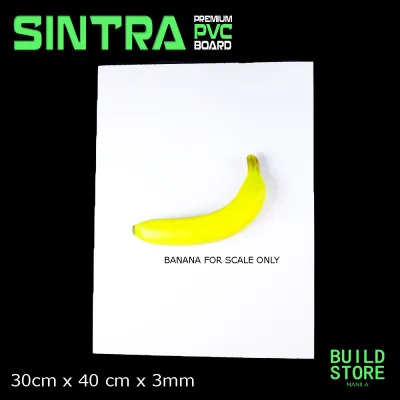
446 Lazada user ratings
Flexible and lightweight for easy handling, Provides a professional finish, Ideal for indoor and outdoor use, Great for DIY projects, Sturdy…Read full reviewShow less
Flexible and lightweight for easy handling, Provides a professional finish, Ideal for indoor and outdoor use, Great for DIY projects, Sturdy and reliable construction, Excellent quality at a reasonable price, Smooth surface for easy painting,
next time pakilagyan nmn po ng bubble wrap o karton para hindi matupi mga dulo.Provides a professional finish, Flexible and lightweight for …Read full reviewShow less
next time pakilagyan nmn po ng bubble wrap o karton para hindi matupi mga dulo.Provides a professional finish, Flexible and lightweight for easy handling,
Quality:great. maganda quality Ease of Use:very easy. madali i cut 🔨Durability:sturdy. matibay pang diorama Price:cheap.mura lang
Sturdy and reliable construction, Perfect size for my needs, Flexible and lightweight for easy handling,
Flexible and lightweight for easy handling, Smooth surface for easy painting, very good packaging
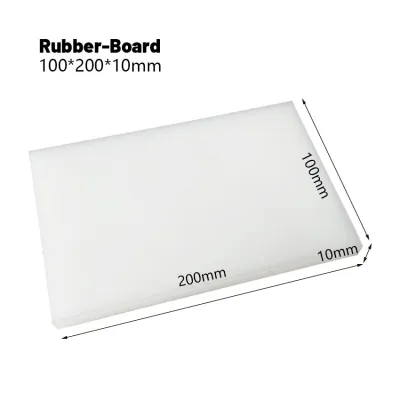
34 Lazada user ratings
Easy to work with!, High-quality material!, Great for jewelry making!, Perfect for DIY projects!,
Quality:Matibay Legit! Nagamit ko sa pintuan ng banyo. thanks Suled!
wrong item received. info in the ads re item is misleading
High-quality material!, Versatile and customizable!,
Quality:very good quality!
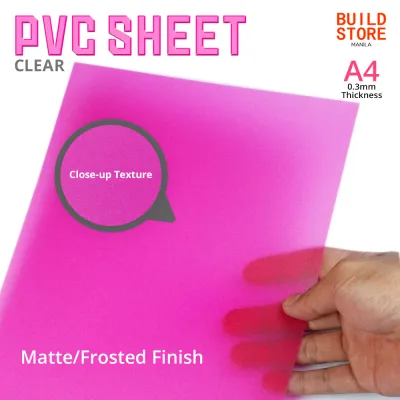
65 Lazada user ratings
Quality:is good Size:is okay Design:is nice Price:is affordable
Packaging needs to be improved. Product is full of creases.
Quality: 10 Size: a4 Design: 10 Price: 10
Quality:ok Design:ok Price:KO
Prices are valid at publication and may change. Please refer to the product page for the latest price.
Selecting the correct thickness is crucial for matching the material to your structural needs. Thinner sheets, ranging from 1mm to 2mm, are highly flexible and easy to cut with standard utility knives, making them ideal for delicate detailing, window frames, and curved surfaces. Medium thicknesses, such as 3mm to 5mm, provide a balanced combination of lightweight handling and structural strength, which is perfect for walls, partitions, and display backings. Thicker sheets, measuring 6mm or more, offer excellent load-bearing capabilities, serving as sturdy bases that will not sag under the weight of a completed model.
Surface finish also plays a significant role in the visual presentation of your project. Matte PVC sheets provide a smooth, non-reflective surface that readily accepts paints and drawings, reducing glare under classroom or exhibition lighting. Glossy finishes offer a sleek, modern aesthetic suitable for high-tech architectural facades or clean presentation panels, while textured sheets can mimic natural materials like stone, concrete, or wood grain.
Architectural Model Applications
Architectural scale models require high precision and clean lines to represent real-world structures accurately. PVC sheets excel in this application because they can be worked with basic hand tools to create realistic building facades and cladding. To achieve clean, straight edges on wall panels, use the “score and snap” method. Align a metal safety ruler along your cutting line, lightly score the surface of the PVC sheet multiple times with a sharp utility knife, and then gently bend the sheet away from the score line until it snaps cleanly. This technique eliminates the rough, frayed edges common with cardboard and ensures perfectly square corners for window frames and exterior walls.

For core structural elements and framing, thicker PVC sheets provide the necessary stability to support multi-level models. You can construct rigid columns, beams, and load-bearing interior walls by joining pieces at right angles. Because the material is solid throughout, you can sand the joined edges smooth to create seamless transitions, mimicking poured concrete or solid stone structures. This structural integrity ensures that your model remains stable during transport and display.
Terrain and landscaping elements also benefit from the unique properties of PVC sheets. Thinner sheets can be layered and stacked to build up topographical contours, creating realistic elevation changes for hills and valleys. Because PVC is completely waterproof, you can apply wet landscaping textures, plaster, or water-effect resins directly to the surface without worrying about the material swelling or warping. For curved roads, retaining walls, or water features, thin sheets can be gently flexed and secured in place to form smooth, continuous curves.
School Assignment and Diorama Projects
School projects and dioramas often require materials that can withstand heavy handling, transport, and the application of various crafting mediums. Standard cardboard presentation boards frequently droop or tear under the weight of attached items. Using PVC sheets for science fair displays provides a rigid, self-supporting backing board that stands upright without sagging. You can securely mount heavy 3D structural elements, battery packs, or interactive wiring directly to the sheet using small screws or strong adhesives without risking structural failure.
For historical or ecological dioramas, PVC sheets offer an excellent canvas for building realistic miniature environments. You can layer thin sheets to construct mountain ranges, cave walls, or historical ruins. Because the material does not absorb water, you can apply thick layers of acrylic paint, plaster, or paper-mache to create realistic textures without the base warping or developing mold in humid weather. This durability ensures your hard work survives the journey to school and remains intact for grading and exhibition.
Presentation boards made from lightweight foam PVC serve as a professional, warp-resistant alternative to standard paper poster boards. They keep your printed diagrams, charts, and text blocks perfectly flat, preventing the unsightly curling that often occurs with paper boards in non-airconditioned school halls. The clean, white surface of the sheet also provides a high-contrast background that makes your visual aids stand out.
Essential Tools and Safety Tips for Working with PVC Sheets
Working with PVC sheets requires the right tools and safety precautions to ensure clean results and prevent personal injury. For sheets up to 3mm thick, a heavy-duty utility knife or a specialized plastic scoring tool is sufficient. Always use a metal safety ruler with a non-slip backing to guide your cuts, keeping your fingers well behind the guard. For sheets thicker than 3mm, a fine-toothed hand saw, a scroll saw, or a heavy-duty craft knife is recommended to achieve clean edges without cracking or chipping the plastic.
Adhesives must be selected carefully, as standard school glue or white PVA glue will not form a strong bond with non-porous PVC. Instead, use cyanoacrylate (super glue) for quick, high-strength bonds, or specialized solvent-based plastic cements designed specifically for PVC. Because some solvent-based glues can cause the plastic to melt, warp, or develop a cloudy white residue, always test your chosen adhesive on a small scrap piece of PVC before applying it to your final project.
Safety boundaries are essential when cutting, sanding, or bonding PVC sheets. Always wear eye protection to guard against flying plastic chips, especially when using saws or sanding rough edges. Work in a well-ventilated area or outdoors when applying chemical adhesives, primers, or spray paints to avoid inhaling harmful fumes. Keep your cutting tools sharp; a dull blade requires more force to cut, increasing the risk of slipping and causing injury.
Frequently Asked Questions (FAQ)
Can I paint or print directly on PVC sheets?
Yes, you can paint directly on PVC sheets, but proper surface preparation is key to ensuring good adhesion. Glossy PVC surfaces should be lightly sanded with fine-grit sandpaper, such as 400-grit, to create a mechanical key that helps the paint grip the surface. Apply a plastic-compatible primer before painting with acrylics or spray paints to prevent the paint from peeling or scratching off. For printing, standard home inkjet or laser printers are generally not compatible with thick PVC sheets due to feed limitations and ink drying requirements. However, flatbed UV printers at local print shops can print high-resolution designs directly onto the surface of the sheet. Always test your paint or ink compatibility on a small scrap piece first.
How do I bend or curve PVC sheets for rounded structures?
Thinner PVC sheets, typically 1mm to 2mm thick, can be cold-bent into gentle curves and secured mechanically with screws or with strong adhesives. However, forcing a tight bend without heat can cause stress fractures, cracking, or permanent creasing. For sharper curves or thicker sheets, you must apply gentle heat using a craft heat gun. Move the heat gun continuously across the bending zone to avoid overheating, blistering, or scorching the plastic. Once the material becomes soft and pliable, gently bend it over a mold or curved object and hold it in place until it cools and hardens into its new shape. Always check the manufacturer’s guidelines for safe heating limits to avoid releasing harmful fumes from overheated PVC.
Community discussion
Share your experience or ask a question. Comments are reviewed before publication.