
Selecting a 2026 organizer is more than choosing an aesthetic cover; it is about finding a functional system that matches your cognitive style and physical routine. The right layout bridges the gap between your daily tasks and long-term goals. To make an informed purchase, you must balance how much detail you need to record against how much weight you are willing to carry in your bag every day.
Paper planners in the Philippines must also withstand environmental factors. High tropical humidity can soften paper fibers and slow down ink drying times, making paper quality and binding durability just as important as the page layout. Whether you are a student managing class schedules, a professional tracking multiple projects, or a minimalist keeping note of key dates, understanding the structural differences between daily, weekly, and monthly formats will guide you to your ideal stationery tool.
Quick Guide: Which 2026 Organizer Layout Fits You?
Choosing the right planner format depends on your daily schedule complexity and your physical environment. If you select a layout that does not match your natural habits, you are highly likely to abandon it by the end of the first quarter. Use this quick profiling guide to identify your ideal match before investing your budget.
Products mentioned in this guide
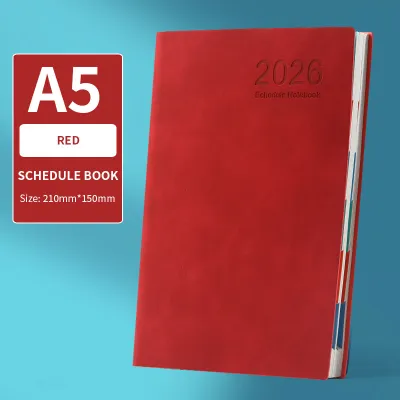
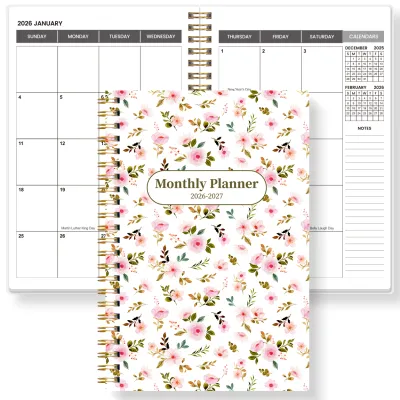
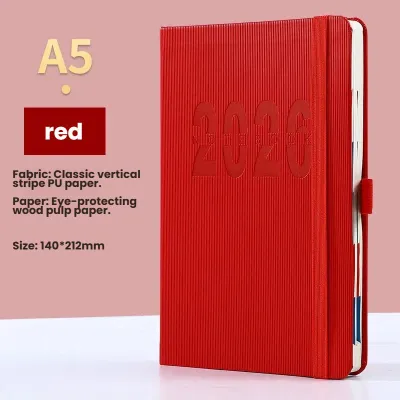
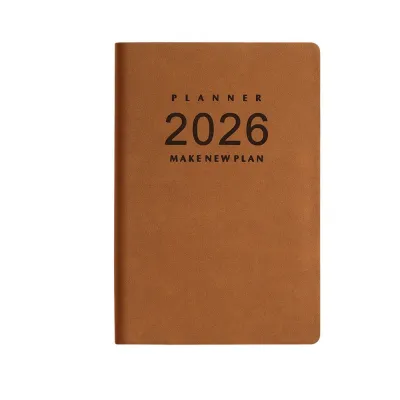
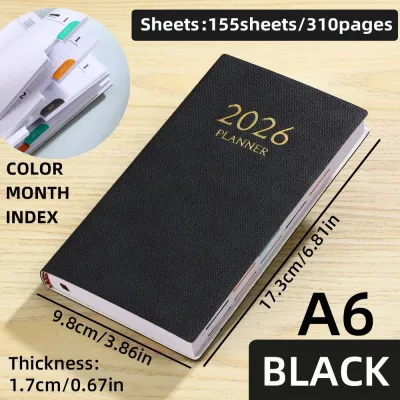
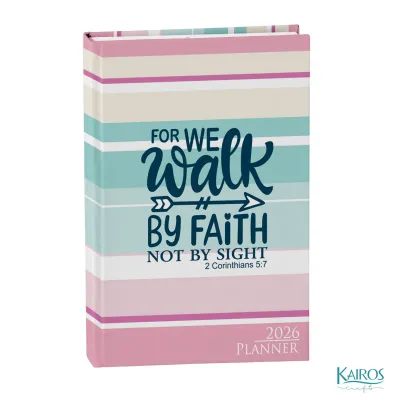
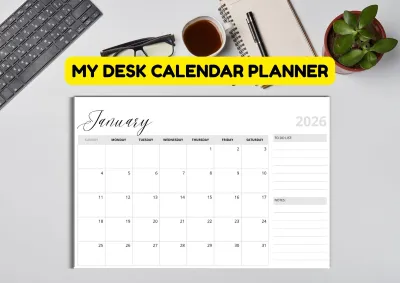
Prices are valid at publication and may change. Please refer to the product page for the latest price.
- Daily Layouts: Best for university students with packed class schedules, medical professionals working shifts, or anyone who practices daily journaling and detailed time-blocking. Skip this format if you prefer a light commute, as these books are heavy.
- Weekly Layouts: Best for office professionals, project managers, and busy parents who need to see deadlines and appointments across a seven-day horizon. This is the most balanced and versatile layout for general productivity.
- Monthly Layouts: Best for minimalists, budget trackers, and digital-first planners who only need a physical overview of major milestones, holidays, and travel dates. Skip this if you need to write down hourly tasks.
To narrow down your choice, evaluate three core criteria: detail level, portability, and structure. If you commute daily via public transit in Manila, carrying a heavy, page-per-day book can become a physical chore. Conversely, if you work from a fixed desk, a large and detailed daily desk diary is highly practical. Decide whether you need rigid hourly guidelines to stay on track, or if you work better with open, unstructured spaces.
Daily Layouts: Decoding Hourly and Task-Based Formats
The defining specification of a daily 2026 organizer is its generous allocation of space, typically dedicating one full page—or even a two-page spread—to a single calendar date. This structure provides unparalleled room for granular tracking, allowing you to write down detailed meeting notes, grocery lists, personal reflections, and hourly schedules all on the same page. It acts as a comprehensive paper trail of your year.

However, this layout comes with a significant physical trade-off. Because a daily planner requires at least 365 pages, the resulting book is inherently thick and heavy. In humid tropical climates, paper naturally absorbs ambient moisture over time, which can cause the pages to swell slightly and make the book feel even bulkier in your bag. If you prioritize portability and prefer to travel light, a standard daily planner may prove too cumbersome for daily carry.
This format is ideal for individuals who do not mind the extra weight in exchange for maximum writing capacity. If your day is filled with shifting appointments, detailed client calls, or if you enjoy combining productivity tracking with daily memory-keeping, the daily layout provides the necessary canvas without forcing you to write in microscopic print.
Hourly Time-Blocking vs. Open Daily Spaces
When choosing a daily planner, you must decide between a structured hourly grid and an open, unstructured page layout.
Hourly Time-Blocking: This format features pre-printed time slots along the side of the page, often running from 6:00 AM to 9:00 PM. This specification forces strict schedule discipline, making it easy to visualize your open windows of time and prevent over-commitment. The limitation is its rigidity; if your days do not follow a strict timeline, or if you have long periods of unstructured work, these printed hours can feel like wasted space and restrict your writing freedom.
Open Daily Spaces: This alternative utilizes dotted, lined, or entirely blank pages for each day, with only the date printed at the top. This design offers maximum flexibility, letting you use the page for mind-mapping, sketching, or standard journaling. The trade-off is that it requires high self-regulation; without pre-printed guidelines, you must design your own structure each morning to keep your tasks organized.
When evaluating daily pages, pay close attention to the paper weight, measured in grams per square meter (GSM). Because daily planners are thick, manufacturers often use thinner paper (around 52 to 70 GSM) to keep the book portable. If you plan to use wet gel pens, fountain pens, or highlighters, check the paper specification carefully. In humid conditions, ink dries slower, and thin paper is highly susceptible to feathering and bleed-through. Look for specialized high-performance thin papers, or opt for a slightly heavier 80 to 100 GSM paper if you use heavy-inking pens.
Weekly Layouts: Navigating Vertical and Horizontal Spreads
A weekly 2026 organizer displays all seven days of the week across a single two-page spread. This layout is the industry standard for general productivity because it allows you to view your immediate horizon at a single glance. You can easily balance weekday workloads against weekend personal plans without flipping back and forth between pages.
Because weekly planners contain fewer pages than daily versions, they are significantly thinner and lighter, making them highly portable. However, because you are viewing an entire week at once, the physical construction of the book is critical. A high-quality weekly planner must feature a 180-degree lay-flat binding, such as Smyth-sewn thread binding. If the binding is stiff, the book will constantly try to pop shut, and the center gutter will swallow your writing space, making it highly frustrating to write across the weekly grid.
For most users, the weekly layout represents the ultimate middle ground. It provides enough space to write down key daily tasks while keeping the physical book slim enough to slip into a medium-sized bag or laptop sleeve without adding noticeable bulk.
Vertical Columns vs. Horizontal Rows
Weekly planners generally fall into two design categories: vertical columns and horizontal rows. Each configuration supports a completely different style of thinking.
Vertical Columns: In this layout, each day is represented by a vertical column running from the top of the page to the bottom. This setup is highly effective for visual time-blocking. You can draw boxes around meeting times and easily see how your days align side-by-side. It is particularly useful for professionals who manage back-to-back appointments or students tracking class times across the week.
Horizontal Rows: This layout divides the two-page spread into horizontal blocks, reading like a traditional book from left to right. This configuration provides wider writing lines, making it much better suited for writing out long to-do lists, detailed task descriptions, or short daily diary entries. If your day is defined by tasks rather than specific meeting times, horizontal rows offer a more natural writing flow.
Many premium weekly planners also include a dedicated sidebar for weekly priorities, habit trackers, or blank notes. When shopping for your 2026 organizer, check if these extra spaces align with your goal-setting habits. If you do not use them, they simply reduce the writing area available for your daily schedule.
Monthly Layouts: Grid Systems for High-Level Tracking
A monthly organizer features a classic calendar grid spread across two pages, dedicating one block to each day of the month. This format is designed for high-level planning, allowing you to track long-term projects, travel dates, billing cycles, and major events. It provides an bird’s-eye view of your time, making it easy to spot busy weeks well in advance.
The primary limitation of a monthly layout is its restricted writing capacity. The physical size of the daily boxes dictates how much you can write. If you choose a compact personal-sized planner, each daily box may only fit one or two short words. If you have a busy daily schedule with multiple meetings, a monthly grid cannot accommodate your daily task list.
However, the physical benefits of a monthly-only planner are unmatched. Because they require very few pages, these organizers are incredibly thin, lightweight, and flexible. They easily fit into small bags, portfolios, or even large pockets. If you commute frequently or prefer a minimalist lifestyle, a monthly planner is the least intrusive physical tool you can choose.
To use a monthly layout successfully, you must recognize its operational boundaries. It is not designed to handle granular, hour-by-hour execution. Instead, it works best when paired with a digital calendar or a separate daily scratchpad. You can use the physical monthly planner to map out big-picture deadlines, while keeping your daily, shifting tasks on a digital app or a simple notepad.
How to Evaluate Your Planning Habits Before Buying
Before purchasing your 2026 organizer, it is helpful to conduct a practical audit of your past planning behavior. Many people buy a planner based on who they aspire to be, rather than how they actually operate. This mismatch is the primary reason planners are left blank by March.
Use this simple diagnostic checklist to identify your real-world planning pain points:
- The Portability Test: Do you find yourself leaving your planner at home because your bag is already too heavy? If yes, immediately rule out daily planners and look for a slim weekly or monthly layout.
- The Schedule Test: Do you frequently miss appointments or double-book yourself because your to-do list lacks time context? If yes, you need a vertical weekly layout or an hourly daily layout that forces you to schedule tasks within specific time blocks.
- The Blank Page Test: Open your previous planners. Are there weeks or months left entirely blank? If you consistently leave daily pages empty, a daily planner is too high-maintenance for your current energy levels. A weekly or monthly layout will feel much less intimidating.
Ultimately, the best 2026 organizer is not the one with the most features, the thickest paper, or the most complex layout. It is the one that fits seamlessly into your existing daily routine, matches your natural writing style, and feels rewarding to open every day.
Frequently Asked Questions (FAQ)
Can I combine daily and monthly layouts in one organizer?
Yes, hybrid organizers exist and are highly popular. These planners typically feature a monthly calendar grid at the beginning of each month, followed immediately by daily pages for detailed tracking. While this design offers the best of both worlds, it significantly increases the physical thickness and weight of the book. If you want to keep your bag light, a more practical alternative is to use a slim, lightweight monthly paper planner for your high-level overview, paired with a digital task application on your phone for daily checklists.
Do I need a left-handed layout for my 2026 planner?
Left-handed writers often struggle with standard planners because their hand drags across fresh ink, causing smudges, and the central binding (especially thick coils or rings) interferes with their wrist. If you are left-handed, you do not necessarily need a specialized reverse planner, but you should look for specific design specifications. Opt for thread-bound book formats that lay completely flat at 180 degrees, which minimizes the gutter bump. Additionally, choosing horizontal weekly layouts with wide outer margins allows you to write comfortably without resting your wrist on the center binding.
Community discussion
Share your experience or ask a question. Comments are reviewed before publication.