
Choosing a 2026 planner is a deeply personal decision that directly shapes how you organize your thoughts, manage your time, and reduce daily stress. The ideal planner layout acts as an external hard drive for your brain, keeping your schedule clear and your goals within reach. However, choosing the wrong format can lead to frustration—either from a lack of space to write down your tasks or from the psychological pressure of empty, unused pages.
To find the layout that fits your workflow, you must look at how you naturally process time. A daily layout is designed for granular, hour-by-hour scheduling and extensive note-taking, making it perfect for those with packed schedules or a love for journaling. A weekly layout offers a balanced, week-at-a-glance view that helps you manage immediate tasks while keeping upcoming deadlines in sight. A monthly layout provides a high-level, macro overview of your month, focusing on key milestones, deadlines, and recurring events without the daily clutter.
There is no single “best” layout for everyone. The right choice depends entirely on your daily routine, how much detail you need to track, and your cognitive preference for either a micro-focused or a macro-focused view of your time. By understanding how these layouts compare, you can select a system that supports your productivity rather than adding to your daily mental load.
Products mentioned in this guide
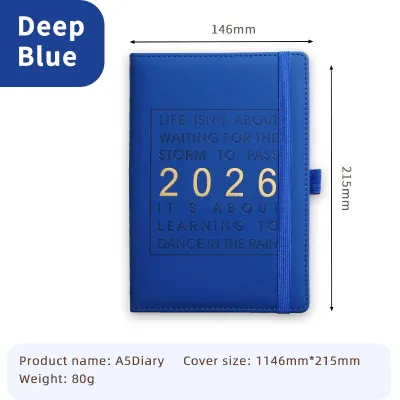
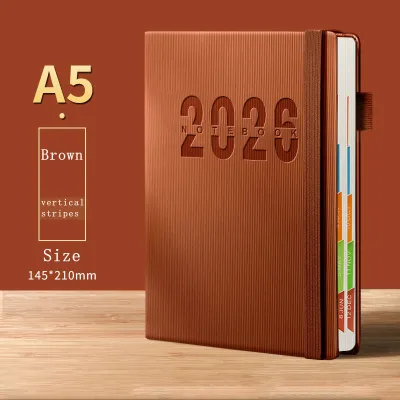
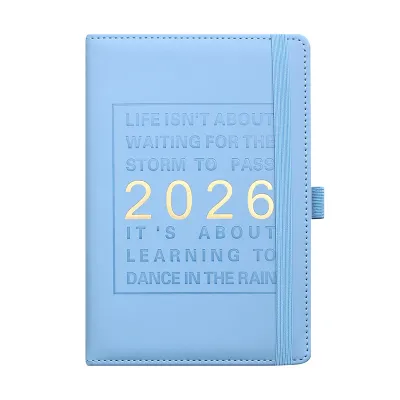
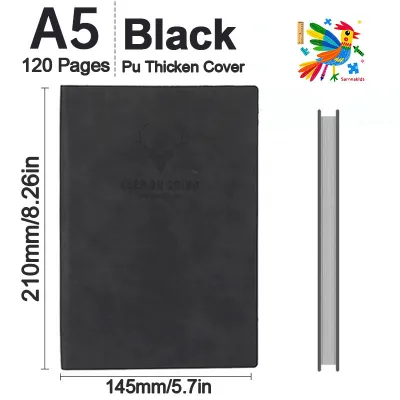
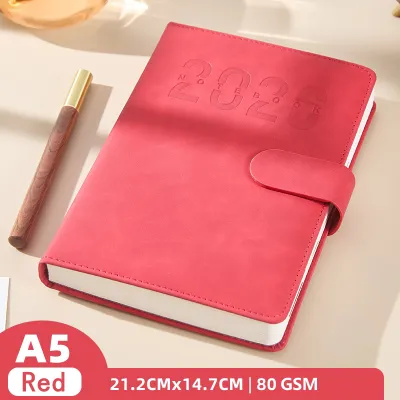

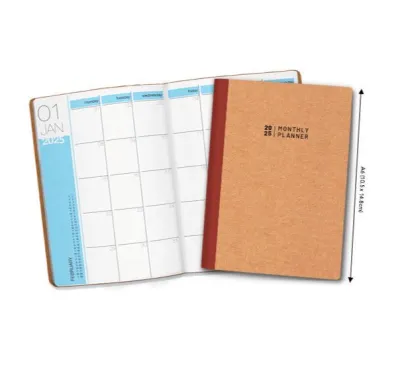
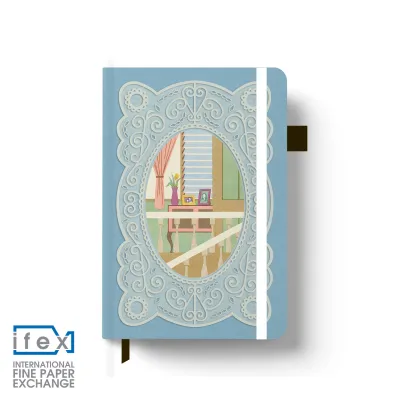
Prices are valid at publication and may change. Please refer to the product page for the latest price.
Daily vs. Weekly vs. Monthly: Core Layout Differences
Before choosing a planner, it is essential to understand how visual structure and planning horizons interact. Each layout type serves a distinct cognitive purpose, shifting your focus between immediate hourly execution, mid-term weekly coordination, and long-term monthly planning.
The visual structure of your planner dictates how your brain organizes information. A daily page forces you to focus on the present day, isolating your tasks to prevent overwhelm. A weekly spread allows you to see the relationship between days, making it easier to balance workloads and shift tasks as your week unfolds. A monthly grid strips away daily details to highlight deadlines, travel, and major events, helping you see the bigger picture at a glance.
| Layout Type | Planning Horizon | Average Space per Day | Best Use Case | Primary Drawback |
|---|---|---|---|---|
| Daily | 24 Hours | Full page (or two pages) | Detailed time-blocking, heavy note-taking, and daily journaling | Bulky to carry; blank pages can cause user guilt |
| Weekly | 7 Days | Column or small box | Balancing daily tasks with mid-term project milestones | Limited space for extensive notes or long daily journals |
| Monthly | 30 to 31 Days | Small grid square | Tracking major deadlines, bill due dates, and travel | Unsuitable for daily task lists or hourly scheduling |
Physical planner size plays a massive role in how these layouts function in your daily life. Standard stationery sizes like A5 (148mm x 210mm) offer a balanced middle ground, providing ample writing space while remaining portable enough to fit into a backpack or tote bag. Larger formats like B5 (176mm x 250mm) are excellent for desk-bound planning, giving you generous room for daily schedules, but they can feel heavy during a daily commute. Conversely, pocket-sized formats like A6 (105mm x 148mm) or slim traveler’s notebooks are highly portable but offer very limited writing space.
When a daily layout is shrunk down to an A6 or pocket size, the hourly lines can become too small for comfortable writing, forcing you to use ultra-fine pen tips. On the other hand, a monthly layout in a large B5 or desk-pad format provides a spacious master calendar that can sit open on your desk, serving as a visual anchor for your entire household or office. Consider where you will do most of your writing—at a stationary desk or on the go—before committing to a size and layout combination.
Local environmental factors also influence how you interact with your planner. In humid tropical climates like the Philippines, paper can absorb ambient moisture from the air over time. This moisture absorption can affect how ink behaves on the page, sometimes causing gel pens or fountain pens to feather or bleed more easily than they would on dry paper. Choosing high-quality paper with a higher density (measured in grams per square meter, or GSM) can help mitigate these issues, ensuring your entries remain clean and legible throughout the year.
Daily Planner Layouts: Maximum Detail and Time-Blocking
Daily planners are designed for those who need to manage their time with high precision. The standard daily layout dedicates a full page—and sometimes two pages—to a single day. This generous allocation of space allows for a highly structured environment where you can organize every aspect of your day, from early morning meetings to evening personal routines.

Most daily layouts feature an hourly or half-hourly schedule column, often running from 6:00 AM to 10:00 PM. This structure is ideal for time-blocking, a productivity method where you dedicate specific blocks of time to individual tasks or projects. Alongside the schedule, you will typically find dedicated sections for high-priority to-do lists, general notes, meal planning, water intake, and daily habit trackers. Some daily planners also include space for morning reflections or evening gratitude journaling, blending productivity with personal mindfulness.
By externalizing every micro-task, appointment, and thought onto a single page, you significantly reduce your cognitive load. You do not have to worry about forgetting small details because everything is documented in one central place. This high level of detail is incredibly helpful when managing complex, fast-moving days where schedules change quickly and tasks accumulate rapidly.
However, this level of detail comes with distinct physical and psychological trade-offs. Physically, a planner with a dedicated page for every day of the year is naturally thick and heavy. If you choose a daily planner with high-quality, thick paper, the notebook can easily exceed 400 pages, making it cumbersome to carry around. If your daily routine involves a long commute or moving between different work sites, the physical bulk of a daily planner can become a burden.
Psychologically, daily planners require a high level of commitment. On quiet weekends, holidays, or days when you simply do not feel like planning, those large blank pages can look intimidating. For some users, seeing multiple empty pages in a row creates a sense of guilt or failure, which can lead to abandoning the planner altogether. If your schedule varies wildly between highly active days and quiet, open days, a rigid daily format might feel restrictive.
This layout is ideal for professionals with packed meeting schedules, medical workers managing shifts, or students with complex class timetables. It is also highly suited for individuals who use their planner as a hybrid tool for both task management and daily journaling, allowing them to capture memories, thoughts, and tasks all in one place.
Weekly Planner Layouts: The Balance of Tasks and Context
Weekly planners are the most popular choice for a wide range of users because they strike a practical balance between detail and portability. By displaying an entire seven-day week across a two-page spread, these planners provide a clear visual overview of your immediate horizon, helping you coordinate tasks without losing sight of upcoming commitments.
Weekly planners generally fall into three design categories, each catering to a different planning style:
- Vertical Layouts: These layouts present the week in vertical columns side by side. They are highly favored by visual thinkers because they allow you to map out your day from top to bottom, often featuring subtle hourly markings for light time-blocking. This format makes it easy to see gaps in your schedule and understand how your time is distributed across the week.
- Horizontal Layouts: These layouts arrange the days of the week in horizontal blocks across the two-page spread. This format is ideal for those who prefer writing in longer sentences or bulleted lists rather than mapping out hourly schedules. It functions much like a traditional diary, offering a natural flow for writing daily tasks or short journal entries.
- Weekly + Notes Layouts: This hybrid format features the days of the week on the left-hand page and a lined, grid, or blank page on the right-hand page. This design is incredibly versatile, allowing you to schedule key appointments on the left while using the right side for weekly to-do lists, brain dumps, meeting notes, or habit tracking.
The primary benefit of a weekly layout is the ability to see your week as a single, cohesive unit. You can easily balance your workload across several days, ensuring you do not overbook yourself on a Tuesday when you have a major deadline on Wednesday. It also allows you to shift tasks fluidly between days, reducing the pressure of completing everything within a strict 24-hour window.
Despite its versatility, a weekly planner has its limits. The writing space for each day is significantly smaller than that of a daily planner. If you are a heavy note-taker, regularly attend more than five or six meetings a day, or enjoy detailed daily journaling, you will likely find the small boxes or columns of a weekly layout too restrictive. You may find yourself running out of room, leading to cramped, messy handwriting that is difficult to read.
Weekly planners are ideal for office workers managing weekly project milestones, freelancers juggling multiple client projects, and students balancing class times with assignment due dates. It is the perfect layout for anyone who needs to coordinate their tasks with their schedule while keeping their planner light, portable, and easy to carry.
Monthly Planner Layouts: High-Level Overviews and Milestones
Monthly planners focus entirely on the macro perspective. Utilizing a traditional grid calendar view across a two-page spread, this layout strips away daily minutiae to give you a clear, unobstructed view of your month. It is designed for long-term visualization, goal setting, and milestone tracking.
In a standard monthly planner, each day is represented by a small square within the monthly grid. While this square is too small for detailed daily schedules, it is perfect for noting down key deadlines, travel dates, birthdays, exams, and major appointments. To complement this grid, monthly planners often include dedicated pages at the beginning or end of each month for setting monthly goals, tracking budgets, listing master to-do lists, and reflecting on progress.
The greatest benefit of a monthly layout is its ability to highlight patterns, deadlines, and upcoming events well in advance. It allows you to see how your commitments are spaced out over four to five weeks, making it easier to plan vacations, prepare for busy work periods, or track recurring financial obligations like utility bills and rent. By focusing on the big picture, a monthly planner helps you avoid the anxiety of unexpected deadlines creeping up on you.
However, a monthly planner is entirely unsuitable as a standalone tool for daily task execution. You cannot use it to write down a ten-step daily to-do list, take notes during a meeting, or map out an hourly schedule. The small grid squares simply do not have the capacity for that level of information. If you try to force daily task management into a monthly layout, your pages will quickly become cluttered, illegible, and stressful to look at.
For a monthly planner to work effectively for daily life, it must either be paired with a digital task manager or used as a high-level reference tool. Many users find success in a hybrid system: they keep a slim monthly planner on their desk for a quick visual reference of major dates, while using a digital app on their phone or computer to manage their daily, granular tasks and hourly reminders.
This layout is ideal for big-picture thinkers, managers tracking long-term project deliverables, teachers planning curriculum units, or anyone who prefers a minimalist approach to physical planning. It is also an excellent option for those who want a lightweight, low-commitment notebook that can easily slide into any bag without adding noticeable weight.
How to Choose the Right 2026 Planner for Your Lifestyle
Selecting the right planner is a matter of matching the layout’s structure to your daily habits, cognitive preferences, and physical requirements. To help you make the final decision for your 2026 planner, use this practical decision framework based on how you work and live.
Choose a Daily layout if:
- Your day is packed with hourly meetings, classes, or appointments that require strict time-blocking.
- You write extensive daily notes, keep detailed lists, or want to combine your daily planning with journaling.
- You find comfort in focusing on one day at a time, reducing the mental clutter of looking at the entire week.
- You do not mind carrying a thicker, heavier notebook in your bag, or you plan to keep your planner permanently on your desk.
Choose a Weekly layout if:
- You need to see your week at a glance to balance workloads, spot busy days, and plan ahead.
- Your daily task lists are moderate (usually five to seven key tasks per day) and do not require hourly scheduling.
- You value portability and want a slim, lightweight planner that you can easily carry during a daily commute.
- You want the flexibility to shift tasks between days without feeling like you have failed to complete your daily page.
Choose a Monthly layout if:
- You only need to track major deadlines, travel dates, exam weeks, and recurring events.
- You use a digital calendar (like Google Calendar or Outlook) for your daily schedule but want a physical, tactile overview on your desk.
- You prefer a minimalist, low-pressure planning style where you only write down the most important milestones.
- You want an ultra-thin, highly portable notebook that takes up minimal space in your bag.
Verify first if:
- You are buying a bundled system: Many standard planners on the market are hybrid systems. For example, a weekly planner will almost always include a monthly overview grid at the start of each month. This gives you the best of both worlds—allowing you to map out your monthly milestones before diving into weekly execution.
- You prefer a modular system: If you cannot decide on a single layout, consider modular systems such as traveler's notebooks, ring-bound organizers, or discbound planners. These systems allow you to mix and match different paper inserts. You can carry a monthly insert for long-term planning, a weekly insert for standard weeks, and add daily pages only during exceptionally busy periods.
Beyond the layout, pay close attention to the secondary physical specifications of the planner, as these will directly affect how comfortable it is to use every day:
- Paper Weight and Quality: Look for planners with paper weights between 80 GSM and 120 GSM. If you enjoy using fountain pens, liquid ink rollers, or dark gel pens, seek out paper specifically labeled as fountain-pen-friendly (such as Tomoe River or high-grade acid-free paper) to prevent ink feathering and bleed-through. To ensure your pens work well with the paper, perform a small test in an inconspicuous corner of a back page before committing to writing on the main planning pages.
- Binding Type: A planner that does not lie flat can be incredibly frustrating to write in, especially near the inner margins. Look for Smyth-sewn or thread-bound planners, which are designed to open completely flat on your desk. Spiral or wire-o binding also lies flat and allows you to fold the planner back on itself, though the metal coils can sometimes get in the way of your hand while writing. Ring and disc systems offer maximum flexibility for moving pages, but the binding mechanisms are bulky and can obstruct your writing hand.
- Paper Moisture and Humidity: If you live in a highly humid environment, paper will naturally absorb moisture from the air over time. This can cause some inks to dry more slowly or feather slightly more than usual. To protect your planner, keep it closed when not in use, store it away from direct sources of moisture, and consider using fast-drying gel pens or reliable ballpoint pens to ensure your writing remains crisp and smudge-free.
Frequently Asked Questions (FAQ)
Can I combine different planner layouts in one notebook?
Yes, you can easily combine different layouts, and many pre-printed planners are designed to do just this. Most standard weekly planners include a monthly calendar spread at the beginning of each month, allowing you to view your macro schedule before managing your daily tasks.
If you want complete control over your layouts, a modular planner system is the best approach. Using a ring-bound organizer, a discbound notebook, or a traveler’s notebook system, you can physically insert different paper refills. This allows you to keep a slim monthly calendar insert for long-term planning alongside a weekly or daily insert for your immediate tasks, adjusting the combination as your workflow changes throughout the year.
Is a digital planner better than a physical paper layout for daily scheduling?
Neither system is objectively better; they serve different cognitive and practical needs. Physical paper planners excel at improving focus, reducing screen time, and enhancing memory retention through the tactile act of writing. The physical layout allows you to customize your pages with handwriting, color-coding, and sketches, creating a personal archive of your year that is free from digital distractions and notifications.
Digital planners and calendar apps excel at convenience, offering automated reminders, recurring event scheduling, search functionality, and seamless syncing across your phone, tablet, and computer. For many people, a hybrid approach works best: use a digital calendar to manage shared work schedules, meetings, and instant alerts, and use a physical paper planner on your desk to prioritize your daily tasks, focus your mind, and reflect on your progress.
Community discussion
Share your experience or ask a question. Comments are reviewed before publication.