
Choosing the right planner notebook depends entirely on how your brain processes time, tasks, and commitments. The ideal layout is not the most popular or aesthetically pleasing one; it is the format that matches your daily cognitive load and scheduling needs. If you manage packed, hour-by-hour schedules with numerous granular tasks, a daily layout provides the necessary space and structure. For those who need to balance weekly project milestones, recurring meetings, and personal habits, a weekly layout offers the most versatile middle ground. If your primary goal is tracking long-term deadlines, major events, and high-level objectives, a monthly layout keeps the big picture clear without daily clutter.
Finding the perfect match requires looking past the cover design and analyzing how you interact with paper. A layout that misaligns with your thinking style will quickly end up abandoned in a drawer. By evaluating your daily routines, your level of detail preference, and the physical environments where you plan, you can select a tool that actively reduces mental clutter and enhances your productivity.
How to Identify Your True Planning Style
Before purchasing a new planner notebook, you must diagnose your cognitive habits and scheduling realities. Planning styles exist on a spectrum between micro-management and macro-management. Some individuals thrive on structuring every waking hour, while others feel restricted by rigid timetables and prefer a loose list of weekly objectives. Forcing yourself into a highly detailed format when you naturally think in broad strokes leads to empty pages and a sense of planning failure.
Products mentioned in this guide
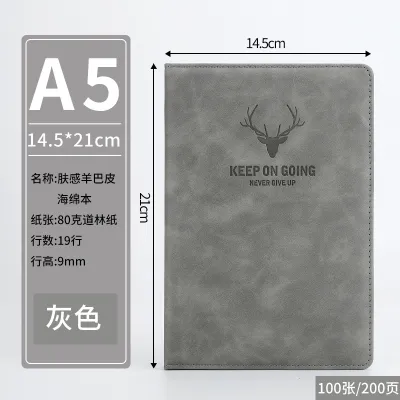
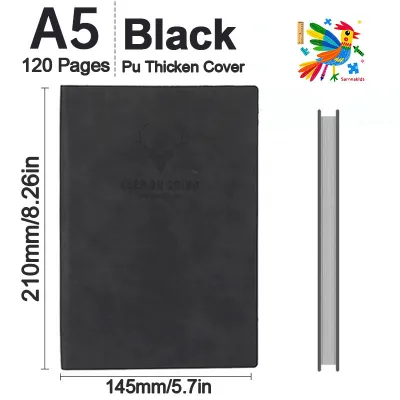
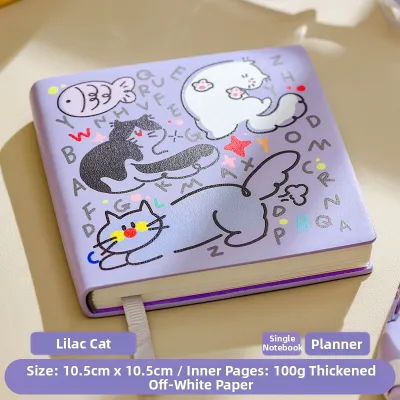
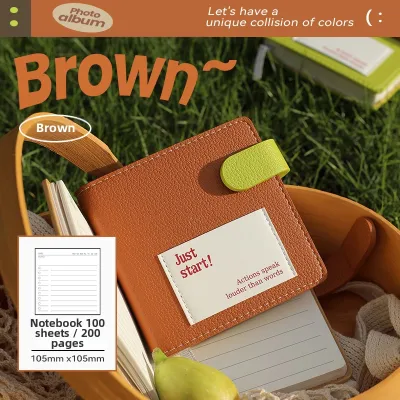
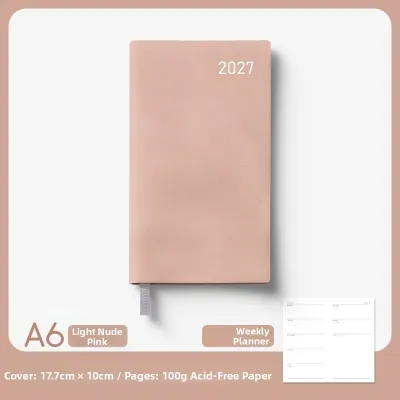
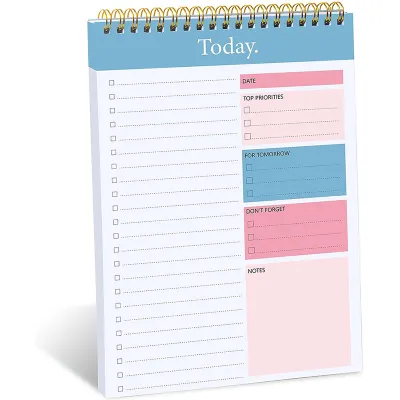
Prices are valid at publication and may change. Please refer to the product page for the latest price.
To identify your style, evaluate your current daily pain points. Ask yourself whether you frequently forget minor daily tasks or if you instead lose track of overarching project deadlines. If you find yourself constantly rewriting the same to-do list from one day to the next, your current system may lack the structured focus of a daily page. Conversely, if you feel overwhelmed by the sheer volume of daily pages and struggle to see when a multi-week project is due, you likely need a wider, weekly or monthly perspective.
Your lifestyle and daily environment also dictate your structural needs. A university student in Manila balancing shifting class schedules, organization meetings, and study blocks requires a different level of detail than a freelance graphic designer managing fluid, self-paced project deadlines. Similarly, a corporate professional moving between back-to-back meetings needs quick, hourly tracking, whereas a creative professional might require open space for mind-mapping and unstructured brainstorming. Aligning your planner with these environmental demands ensures the notebook remains a functional tool rather than an administrative chore.
Daily Planner Layouts: For the Detail-Oriented
Daily planner layouts dedicate an entire page—and sometimes two—to a single day. This format is designed for those who require maximum space to map out complex, fast-moving schedules and highly detailed task lists. The structural hallmark of a daily planner is the hourly or half-hourly schedule column, which typically spans from early morning to late evening. Alongside this time-blocking grid, you will usually find dedicated sections for high-priority tasks, general to-do lists, habit trackers, and blank space for notes, sketches, or daily journaling.

The primary benefit of a daily planner notebook is its high level of accountability. By forcing you to assign specific hours to your tasks, it prevents the common pitfall of overcommitting or underestimating how long a job will take. It provides a clean slate every morning, allowing you to focus entirely on the present day without the distraction of yesterday’s unfinished items or tomorrow’s looming deadlines. For individuals managing heavy meeting schedules, complex personal routines, or detailed health and fitness tracking, this layout offers unmatched writing real estate.
However, the daily format comes with distinct trade-offs. Because they require 365 pages for a single year, daily planners are inherently bulky, thick, and heavy. Carrying a thick A5 daily planner in a commuter bag through a humid climate can become physically burdensome. Additionally, on light days, weekends, or holidays, large blank pages can induce a sense of guilt or wasted paper. This layout demands a disciplined, daily routine to maintain; if you skip a few days, the empty pages can feel discouraging and disrupt the continuity of your tracking.
Best For:
- Professionals with dense, hour-by-hour meeting schedules.
- Students managing strict timetables, study blocks, and extracurricular commitments.
- Individuals who practice daily journaling, detailed habit tracking, or morning pages alongside their scheduling.
Weekly Planner Layouts: The Balanced Approach
Weekly planner layouts display an entire week across a two-page spread, offering a balanced view of your immediate horizon. This format is the most popular choice because it allows you to see how your tasks and appointments relate to one another over a seven-day cycle. Weekly layouts generally fall into two structural categories: vertical and horizontal.
Vertical weekly layouts present each day as a vertical column, often lined with hourly time slots. This structure is highly effective for time-blocking and visualizing how your day is divided. Horizontal weekly layouts, on the other hand, divide the spread into horizontal blocks. This format mimics a traditional lined notebook, making it ideal for those who prefer writing long-form task lists, notes, or brief daily reflections rather than tracking strict hourly appointments.
The greatest advantage of a weekly planner notebook is the perspective it provides. You can easily spot busy days, balance your workload across the week, and prepare for upcoming deadlines before they arrive. Weekly layouts offer excellent flexibility; many designs include a dedicated sidebar for weekly goals, shopping lists, or habit trackers, allowing you to manage your life in manageable, seven-day increments. Furthermore, because they require fewer pages than daily planners, weekly notebooks are significantly thinner, lighter, and more portable.
Despite its versatility, the weekly layout has limitations. The writing space for each individual day is restricted. If you have more than ten tasks a day, or if you need to take extensive notes during meetings, a weekly spread will quickly become cramped and illegible. It requires you to prioritize ruthlessly and use concise language to fit your life into the designated boxes.
Best For:
- The majority of planners who need a functional balance of task management and scheduling.
- Freelancers and remote workers managing multiple concurrent projects with weekly milestones.
- Commuters and professionals who value portability and want a planner that fits easily into a daily bag.
Monthly Planner Layouts: For the Big Picture
Monthly planner layouts utilize a traditional calendar grid spread across two pages. This format strip away daily and weekly minutiae, leaving a clean, high-level overview of the entire month. Each day is represented by a small square, accompanied by marginal space for monthly goals, major deadlines, and recurring events.
The strength of a monthly planner notebook lies in its simplicity and long-term perspective. It serves as an excellent master calendar for tracking major life events, travel itineraries, bill payment schedules, and project launch dates. Because a full year can be housed in fewer than forty pages, monthly planners are incredibly slim, lightweight, and unobtrusive. They can easily slip into a portfolio, a laptop sleeve, or a small bag without adding noticeable weight.
However, a monthly layout is practically useless for daily execution. The small daily grids do not provide enough space for hourly scheduling or detailed to-do lists. Attempting to write multiple daily tasks in a monthly square results in an unreadable mess. For this reason, a monthly planner is rarely used as a standalone tool for active daily management; instead, it functions best as a strategic roadmap.
Best For:
- High-level managers, executives, and educators who need to track broad project phases and academic terms.
- Individuals managing long-term travel schedules, monthly billing cycles, or family event calendars.
- Those who prefer a digital calendar for daily tasks but want a physical, paper-based overview for strategic planning.
Quick Comparison of Planner Layouts
To help you visualize the core differences, the table below compares the structural and physical characteristics of standard planner layouts.
| Layout Type | Space per Day | Portability & Weight | Detail Level | Ideal User Profile |
|---|---|---|---|---|
| Daily | Very High (1–2 pages per day) | Low (Thick, heavy notebook) | Micro (Hourly time-blocking, extensive lists) | Busy professionals, students, daily journalers |
| Weekly | Moderate (1/3 to 1/2 page per day) | Medium (Highly portable, standard thickness) | Balanced (Weekly goals, daily tasks, key events) | Freelancers, multi-project managers, general users |
| Monthly | Low (Small grid square per day) | High (Ultra-slim, very lightweight) | Macro (Deadlines, travel, recurring milestones) | Strategic planners, event trackers, digital hybrids |
Choosing the Right Planner Notebook: Paper, Size, and Binding
Once you have selected your ideal layout, the physical construction of the planner notebook will determine how comfortable and durable it is in daily use. Stationery is a tactile medium, and physical details like paper weight, dimensions, and binding style directly impact your writing experience.
Size and Portability
Planner sizes generally follow standard paper dimensions, each serving a different use case:
- A5 (148mm x 210mm): The industry standard and the most popular size. It offers a generous writing area while remaining compact enough to carry in most backpacks and work bags. It is the ideal compromise for weekly and daily planning.
- B5 (176mm x 250mm): Larger than A5, this size is perfect for desk-bound planners. If your notebook rarely leaves your desk, a B5 layout provides ample space without making you feel cramped.
- A6 / Pocket (105mm x 148mm or smaller): Designed for maximum portability. These are best suited for monthly overviews or quick, bulleted weekly lists that you can carry in a pocket or small purse.
Paper Quality and Ink Compatibility
The paper inside your planner notebook must match your writing instruments. Paper weight is measured in Grams per Square Meter (GSM). Standard office paper is typically 70 to 80 GSM, which is prone to ink ghosting (where writing is visible on the reverse side) and bleed-through (where ink actively leaks through the page) when using gel pens, rollerballs, or fountain pens. For a clean writing experience, look for planners featuring 100 to 120 GSM acid-free paper.
In humid tropical climates, such as in the Philippines, high relative humidity can affect paper performance. Coated, ultra-smooth papers (like those favored by fountain pen enthusiasts) can suffer from significantly slowed ink drying times in humid weather, leading to accidental smudges when you close your book. If you prefer quick-drying gel pens or fine-liners, look for paper with a slight texture (“tooth”) and moderate absorbency, and perform a quick ink swatch test in the back of the book before committing to your main pages.
Binding Types
The way your planner notebook is bound affects how it sits on your desk and how durable it is over twelve months:
- Stitched / Case-Bound: High-quality thread-sewn bindings allow the notebook to lay completely flat when opened. This is crucial for comfortable writing, especially when working near the center spine.
- Spiral / Wire-O: These planners use metal or plastic coils. They excel because they can be folded completely back on themselves, saving desk space. However, the rings can sometimes interfere with your hand placement while writing, and the pages can tear over time with heavy use.
- Disc-Bound / Ring-Bound: A modular system where pages are held by individual discs or rings. This allows you to add, remove, or rearrange pages at will, making it the most customizable option, though the refills can be more expensive.
Dated vs. Undated Planners
Decide whether you want a pre-printed, dated planner or an undated version:
- Dated Planners: These come with the calendar dates, holidays, and months pre-printed. They offer maximum convenience and structure, saving you the time of writing in dates yourself. However, they are highly time-sensitive; buying one mid-year means wasting a significant portion of the book.
- Undated Planners: These feature blank templates where you write in the dates as you go. They offer ultimate flexibility, allowing you to pause planning during vacations or busy periods without leaving blank, wasted pages. They are ideal for those with fluctuating workloads who only need to plan during active project phases.
In terms of pricing, budget-friendly planners typically range from ₱150 to ₱400, often utilizing standard 70–80 GSM paper with basic spiral bindings. Mid-range functional planners cost between ₱500 and ₱1,200, offering sturdier lay-flat bindings and 100 GSM paper. Premium, imported planners range from ₱1,500 to ₱3,000, featuring specialized fountain-pen-friendly paper, premium cover materials, and highly detailed structural layouts.
Frequently Asked Questions (FAQ)
Can I combine different planner layouts in one notebook?
Yes, combining layouts is an excellent way to create a comprehensive planning system. Many manufacturers design hybrid planners that feature a monthly calendar section at the beginning of the book, followed by weekly or daily spreads for detailed execution. Alternatively, you can use a modular traveler’s notebook or a disc-bound system. These systems allow you to insert separate booklets—such as a slim monthly booklet for long-term planning alongside a daily booklet for task-heavy periods—under a single cover, giving you the benefits of both macro and micro tracking without carrying multiple heavy books.
What is the best pen to use with a planner notebook?
The best pen depends on your planner’s paper weight and your writing speed. For planners with thinner paper (70 to 80 GSM), a high-quality ballpoint pen or a fine-point hybrid gel pen (such as a 0.38mm or 0.5mm tip) is ideal, as they lay down less ink and minimize ghosting. If your planner features thick, premium paper (100 GSM or higher), you can safely use wet gel pens, rollerballs, or fountain pens without fear of bleeding. If you are left-handed, prioritize quick-drying gel inks to prevent smudging as your hand moves across dense weekly or daily spreads.
How do I transition from a digital calendar to a physical planner?
To transition smoothly without feeling overwhelmed, adopt a hybrid approach rather than quitting your digital tools cold turkey. Keep your digital calendar for shared family schedules, automated work meetings, and long-term reminders that require alarms. Use your physical planner notebook as your daily execution tool. Every morning or the night before, transfer your key appointments and top priorities from your screen to your paper. This physical act of writing helps cement your schedule in your memory, reduces screen fatigue, and allows you to focus on executing your tasks without the constant distraction of digital notifications.
Community discussion
Share your experience or ask a question. Comments are reviewed before publication.