
Choosing the right to-do list planner layout depends entirely on your daily task volume, how far ahead you need to plan, and your personal style of processing information. If you manage hour-by-hour meetings and highly detailed tasks, a daily layout keeps you grounded and focused. If you juggle multiple concurrent projects and need to see how your week balances out, a weekly layout offers the ideal middle ground. For high-level milestone tracking, event planning, and long-term goals, a monthly layout serves as your strategic map.
In a fast-paced environment where sudden weather shifts, traffic delays, or changing schedules can disrupt your day, having a reliable paper planner ensures your tasks remain organized and accessible. Finding the perfect format requires looking closely at how you work, how much detail you need to record, and how you interact with your stationery daily.
Diagnose Your Current Workflow and Task Volume
Before purchasing a new planner, you must evaluate your daily responsibilities and identify where your current planning method fails. Start by assessing your task granularity. Do you need to track your day minute-by-minute, or do you simply need a broad map of your daily objectives? If your day is filled with small, reactive tasks, a highly structured schedule is essential. If you focus on deep work with only one or two major deliverables per day, a detailed hourly schedule might end up looking discouragingly empty.
Products mentioned in this guide
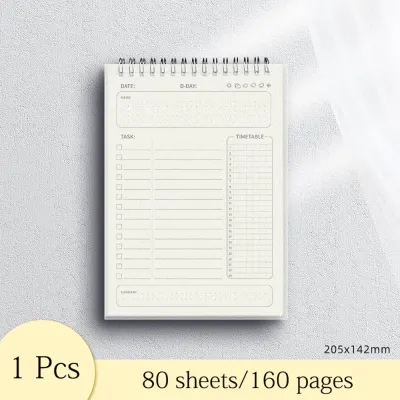
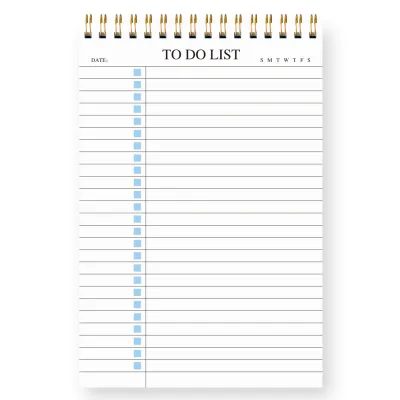
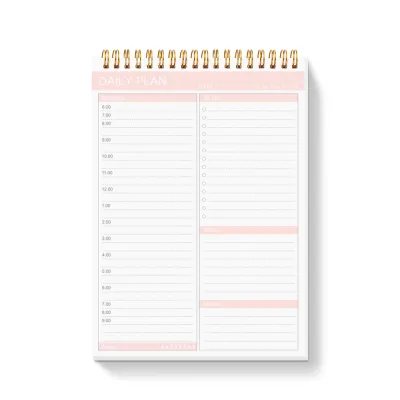
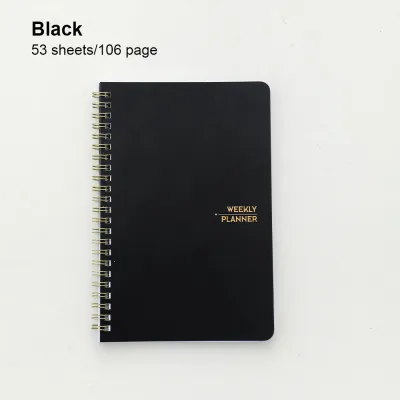
Prices are valid at publication and may change. Please refer to the product page for the latest price.
Next, evaluate your overall workload volume and the number of concurrent projects you handle. Managing multiple clients, school subjects, or household tasks simultaneously requires a layout that lets you see how these projects overlap. If you only look at one day at a time, you risk missing the bigger picture and failing to prepare for upcoming deadlines.
Finally, identify your specific planning pain points. If you often feel overwhelmed by an endless list of tasks, your layout might lack prioritization features. If you frequently miss deadlines, you likely need better weekly or monthly visibility. Recognizing whether you suffer from daily overwhelm or a lack of long-term vision will point you directly toward the correct layout format.
Daily Layouts: Ideal for Time-Blocking and High-Detail Tasks
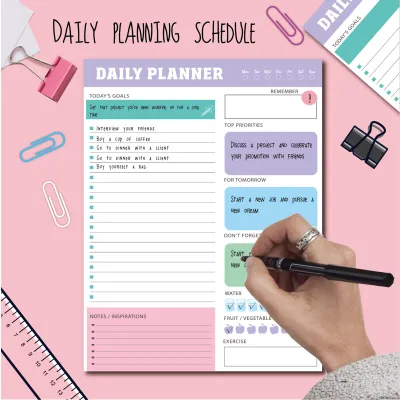
Daily layouts dedicate an entire page, or sometimes two, to a single day. When shopping for a daily to-do list planner, look for core features like hourly time slots, dedicated priority sections for your top three tasks, and blank space for notes or daily reflections. Many daily planners also include built-in habit trackers, water intake logs, and gratitude prompts to help you maintain a balanced routine.

This format is ideal for individuals with highly structured, busy schedules. Students with back-to-back classes, freelancers billing by the hour, and professionals managing packed meeting schedules benefit greatly from the hourly breakdown. It allows you to practice time-blocking, which is the method of assigning specific tasks to dedicated time slots throughout your day.
However, daily layouts have distinct limitations. They offer very little long-term visibility, making it easy to lose sight of what is happening later in the week. Because they dedicate at least one page to every day, these planners are often thick and heavy. Carrying a bulky book in your bag during a humid commute can be inconvenient, and the high page consumption means you may need to purchase multiple volumes to cover a single year.
Weekly Layouts: Ideal for Juggling Multiple Projects
Weekly layouts display an entire week across a two-page spread, providing an excellent balance between daily action and weekly oversight. These planners generally come in two main formats: vertical columns and horizontal rows. Vertical columns are perfect for visual time-blocking and scheduling appointments side-by-side, while horizontal rows offer more space for traditional, running to-do lists and daily journaling.
This layout is highly suited for project managers, freelancers, and anyone balancing work, personal life, and side projects. Seeing the entire week at a glance allows you to distribute your workload evenly, preventing you from overloading a single day. It also makes it easier to plan ahead for mid-week deadlines and weekend commitments.
Despite its versatility, a weekly layout has physical limits. The space allocated for each day is significantly smaller than in a daily planner. If you have a high volume of daily micro-tasks or need to take extensive meeting notes, you will quickly run out of room. This can lead to cramped, illegible handwriting and a cluttered page that is difficult to read.
Monthly Layouts: Ideal for Big-Picture Goals and Deadlines
Monthly layouts present a broad, high-level view of your month across a two-page calendar grid. Key features to look for include spacious daily blocks, dedicated margins for monthly goals, and a future log section for tracking events in the coming months. This format acts as a strategic dashboard for your life.
This layout is perfect for individuals who do not need to manage daily micro-tasks on paper but must track major milestones. It is highly effective for monitoring recurring bill payments, project launch dates, travel itineraries, exam weeks, and long-term habit trends. If your daily tasks are already managed digitally, a physical monthly planner can serve as an excellent offline space to map out your long-term goals.
However, a monthly layout is insufficient for detailed daily task management on its own. Attempting to squeeze a daily schedule, a shopping list, and five different tasks into a single calendar square is impossible. To be truly effective, a monthly planner must be paired with a supplementary daily notebook or a digital task manager.
Mixing Layouts: Building a Custom Planning System
If you find that no single layout meets all your needs, you can build a custom, hybrid planning system. A highly effective strategy is pairing a monthly overview planner with a separate daily or weekly notebook. You can use the monthly view to track major deadlines and events, while using a daily list to execute your immediate tasks. This keeps your daily workspace clean and focused on the present moment.
For ultimate flexibility, consider modular planning systems such as disc-bound planners or ring-bound organizers. These systems allow you to insert, remove, and rearrange pages as your workflow changes. You can use daily pages during busy seasons and switch to weekly inserts when your schedule becomes more manageable. When purchasing inserts, always verify the exact dimensions and hole-punch compatibility to ensure they fit your binder.
Your planning needs will naturally shift throughout the year. During intense periods, such as university exam seasons or end-of-year business reviews, you might need the high structure of a daily layout. During quieter periods, a simple weekly or monthly overview may be more than enough. When choosing your planner, consider how the paper behaves under local conditions. In humid environments, paper can absorb moisture, which slows down ink drying times. To prevent smudging and feathering, test your favorite gel pens or fountain pens on a back page before committing to a layout.
Frequently Asked Questions (FAQ)
Can I use a blank or dotted notebook instead of a pre-printed planner?
Yes, a blank or dotted notebook offers complete freedom to design custom layouts that adapt to your changing workflow. This flexibility is excellent if you enjoy bullet journaling and want to avoid the wasted pages of a pre-printed planner. However, drawing your own grids and calendars requires a significant weekly time investment. If you prefer immediate structure and convenience, a pre-printed planner is usually the more practical choice.
What is the best planner layout for students?
A weekly layout is generally the most effective format for students because it allows you to see class schedules, assignment deadlines, and exam dates in a single view. This helps you plan study sessions ahead of time rather than cramming at the last minute. For busy exam weeks, you can supplement your weekly view with a simple daily to-do list to manage your study hours step-by-step.
How do I transition from a digital calendar to a physical to-do list planner?
To transition smoothly, start with a weekly physical planner to avoid the overwhelm of daily time-blocking. Keep your digital calendar for automated reminders, shared meetings, and long-term scheduling, while using your physical planner for daily execution, focus tasks, and mindful reflection. This hybrid approach allows you to enjoy the tactile focus of paper without losing the convenience of digital alerts.
Community discussion
Share your experience or ask a question. Comments are reviewed before publication.