
Choosing between a dated and an undated daily planner comes down to how you handle routine and empty spaces. If you thrive on structured, day-by-day accountability and have a highly consistent schedule, a dated planner keeps you anchored. If your routine fluctuates, or if you want to avoid the guilt of empty pages during busy weeks or holidays, an undated planner offers the ultimate flexibility to start, pause, and resume whenever you need.
Decoding the Core Structural Differences
A dated daily planner is pre-printed with specific calendar dates, days of the week, and often hourly time slots for an entire year. This structure creates a rigid, sequential timeline where every single day has a designated page. If you skip a day, that page remains blank, serving as a permanent record of that specific date in time.
In contrast, an undated daily planner features blank headers where you manually write in the date, month, and day of the week. This layout frees you from chronological constraints, allowing you to use pages only when you actually have tasks to log. If you go on a week-long vacation or experience a sudden shift in your schedule, you can simply pick up on the very next clean page without leaving a trail of unused paper.
Products mentioned in this guide
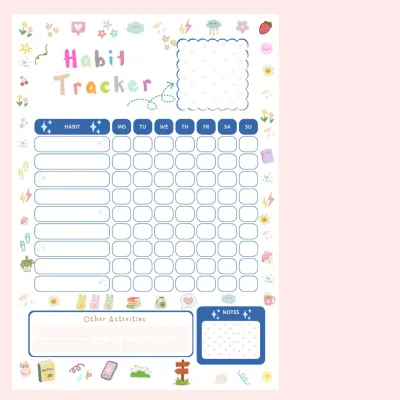
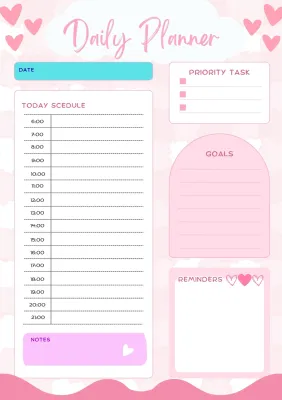
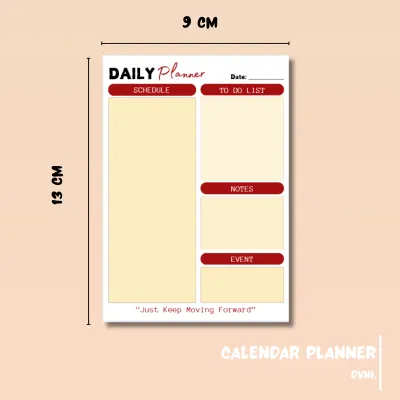
Prices are valid at publication and may change. Please refer to the product page for the latest price.
Who Should Use a Dated Daily Planner?
A dated daily planner is ideal for professionals, students, and individuals with highly structured routines and strict, time-sensitive appointments. If your day is packed with back-to-back meetings, classes, or client sessions, the pre-printed chronological layout acts as a reliable external brain. It provides immediate context for where you are in the year, helping you count down to deadlines and manage long-term projects seamlessly.

The primary benefit of this format is built-in accountability. Seeing a blank page for “today” nudges you to open the book and organize your thoughts. It also simplifies historical tracking, making it easy to flip back to a specific Tuesday three months ago to see what you accomplished.
However, the rigid structure comes with clear trade-offs. If you experience periods of illness, take extended vacations, or simply have days where you prefer digital tools, those pre-printed pages go to waste. For some, a series of empty, dated pages can trigger a sense of guilt or failure, which often leads to abandoning the planner altogether.
Who Should Use an Undated Daily Planner?
An undated daily planner is the perfect match for those with fluctuating routines, project-based workloads, or intermittent planning habits. If your daily task list varies wildly—where some days require intense, page-long breakdown lists and other days require no planning at all—the freedom of an undated layout is incredibly liberating. It is also highly suited for creative professionals, freelancers, and travelers whose schedules do not conform to a standard five-day workweek.
The standout advantage is the complete elimination of paper waste. You only use a page when you need to plan, meaning a single notebook can last much longer than a standard calendar year if used selectively. You can pause your planning during quiet periods and resume months later without wasting a single sheet.
The trade-off is the manual effort required. You must dedicate time to fill in the dates yourself, which can become tedious if you prefer a quick, ready-to-go setup. Additionally, without pre-printed dates, you must exercise higher self-discipline to maintain the habit, as there are no empty, dated pages staring back at you to prompt daily use.
Essential Physical Specs to Verify Before Purchase
Beyond the layout, the physical construction of your planner dictates how comfortable it is to use daily, especially in tropical climates like the Philippines where high humidity can affect paper behavior. First, evaluate the dimensions and portability. If you commute daily or move between workspaces, a compact A5 or B6 size fits easily into a bag, while a larger A4 desk planner is better suited for a permanent office setup.
Next, pay close attention to paper weight and finish. To prevent ink bleed-through, feathering, or ghosting, look for planners featuring paper with a weight of at least 80 gsm (grams per square meter), though 100 gsm or higher is preferable if you use fountain pens, gel pens, or heavy ink. In humid environments, paper naturally absorbs moisture from the air, which can cause ink to dry slower or spread more easily; verifying a smooth, high-quality finish helps mitigate these issues. You can perform a small trial in the back pages with your favorite pen to check drying speed and bleed resistance before committing to the main pages.
Finally, inspect the binding style. A daily planner should ideally lay completely flat when opened. Thread-bound, case-bound, or wire-o spiral bindings allow you to write comfortably across the entire page without fighting a stiff spine that constantly tries to pop shut.
Frequently Asked Questions (FAQ)
Can I use both dated and undated planners together?
Yes, combining both formats can be highly effective if you clearly divide their responsibilities. Use a dated planner (or a slim monthly/weekly dated booklet) exclusively for fixed appointments, deadlines, and scheduled meetings to maintain a clear chronological timeline. Pair it with an undated daily planner to map out granular, day-to-day task lists, brain dumps, and project notes. This separation prevents you from duplicating entries and ensures your scheduling remains clean and confusion-free.
How do I transition from a dated to an undated planner mid-year?
To transition smoothly mid-year, start by conducting a thorough review of your current dated planner. Migrate all future appointments, recurring events, and long-term deadlines into a master monthly overview or a digital calendar. When you open your new undated planner, set up the first few pages with these migrated dates to establish your timeline. This ensures you pick up exactly where you left off without losing track of ongoing projects or upcoming commitments.
Community discussion
Share your experience or ask a question. Comments are reviewed before publication.