
A decorative calendar for 2026 is more than a tool for tracking dates; it serves as a functional piece of art that anchors your room’s design. Finding the perfect match requires evaluating four primary formats—wall, desk, tear-off, and illustrated—and comparing their physical dimensions against your available space. By aligning the calendar’s visual style with your interior decor and verifying practical paper and binding specifications, you can select a piece that enhances both your daily organization and your environment.
Choosing a calendar involves balancing aesthetic preferences with the physical realities of your room. A beautiful design can quickly lose its appeal if it crowds your workspace, sags under tropical humidity, or proves difficult to write on with your favorite pens. Taking the time to understand the structural formats and material qualities of these organizers ensures that your choice remains beautiful and functional throughout the entire year.
Understanding Deco Calendar Formats for 2026
Wall calendars remain the classic choice for high visual impact. These formats typically feature large grids and prominent artwork, making them excellent focal points for kitchens, entryways, or home offices. Because they hang on the wall, they free up valuable surface space on desks and countertops. However, they require a dedicated vertical area that is easily visible and accessible, especially if you plan to write down daily appointments or family schedules.
Products mentioned in this guide
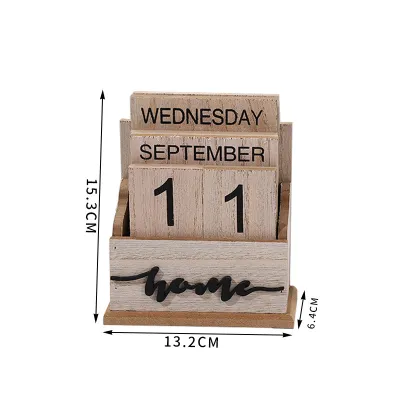
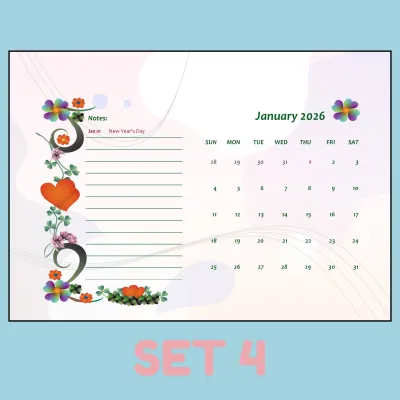
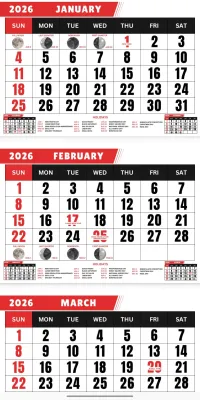
Prices are valid at publication and may change. Please refer to the product page for the latest price.
Desk and standing calendars offer a compact, self-supporting alternative. Usually designed in a tent-style or triangular fold, these calendars sit comfortably on workspaces, nightstands, or shallow shelves. They are highly portable, allowing you to move them from your study desk to your bedside table as needed. While they keep your schedule directly within your line of sight while working, their smaller size means writing space is limited, making them better suited for quick date references rather than detailed daily planning.
Tear-off and daily block calendars introduce an interactive, tactile element to your daily routine. These formats feature a separate page for every single day of the year, requiring you to physically tear off a sheet each morning. This daily ritual can be highly satisfying and serves as a mindful start to the day. Because they contain hundreds of pages, these calendars are relatively thick and heavy, requiring a stable, flat surface to sit on, and they generate daily paper waste that you may want to recycle or repurpose for scrapbooking.
Illustrated and art calendars focus heavily on visual storytelling, often showcasing curated prints, watercolors, or graphic designs. These are frequently bound with premium materials, such as double-loop wire or heavy-duty bookbinding, allowing you to flip through the months without damaging the pages. Many stationery enthusiasts choose illustrated formats specifically because the artwork can be carefully cut out and framed as individual art prints once the year is complete, giving the calendar a second life beyond 2026.
Matching Calendar Types to Your Available Space
Before falling in love with a specific artistic style, it is essential to measure your physical space to establish clear boundaries. For wall-mounted formats, locate a clear vertical area and measure both the width and the fully extended height of the calendar. Remember that many wall calendars open up to double their folded size, so you must account for the total hanging length. Check for nearby obstructions such as light switches, wall-mounted fans, air conditioning vents, or high furniture pieces that might block the calendar or make it awkward to reach.

Evaluating desk and shelf footprints requires a similar level of precision. Take note of the depth and width of your workspace, keeping in mind the other items that share the surface, such as your laptop, keyboard, mouse pad, and desk organizers. A wide tent calendar with a deep triangular base can easily crowd a compact study desk, forcing you to position your keyboard at an uncomfortable angle. If your desk space is limited, look for slim-profile standing calendars or vertical formats that utilize height rather than depth.
High-traffic zones in the home require careful consideration when placing freestanding or fragile calendars. Hallways, entryways, and busy living areas are prone to accidental bumps, pets, and sudden drafts from open windows or electric fans. A lightweight desk calendar placed on a console table near a doorway can easily be knocked over or swept away by a gust of wind. For these active areas, a securely mounted wall calendar or a heavy, low-profile daily block calendar is generally a much safer and more stable choice.
Creating a physical constraint shortlist before you begin shopping will save you time and prevent purchasing errors. Write down the maximum allowable dimensions for your chosen location, noting whether you need a vertical or horizontal orientation. By filtering your options based on these physical limits first, you can narrow down your choices to calendars that will fit seamlessly into your daily environment without causing visual or physical clutter.
Aligning Visual Styles with Your Room Aesthetics
Your calendar should complement the existing interior design of your room rather than compete with it. Minimalist and typography-focused designs are characterized by clean lines, elegant serif or sans-serif fonts, generous white space, and neutral color palettes such as monochrome, beige, or soft grays. These calendars work exceptionally well in modern offices, minimalist bedrooms, or contemporary living spaces where the goal is to maintain a calm, uncluttered atmosphere that promotes focus.
Illustrated and watercolor calendars introduce warmth, texture, and a sense of playfulness to a room. Featuring hand-drawn botanicals, soft washes of color, or whimsical character illustrations, these styles are ideal for cozy bedrooms, creative studios, or children’s rooms. The organic shapes and softer color palettes help soften the hard edges of modern furniture and add a personal, artistic touch to spaces dedicated to relaxation or creative work.
Photography and nature-themed calendars bring the beauty of the outdoors inside, making them excellent choices for windowless offices, hallways, or reading nooks. High-quality images of lush landscapes, botanical close-ups, or architectural wonders can create a sense of depth and escape in a small room. When choosing a photography calendar, consider the dominant colors in the images and ensure they harmonize with your room’s existing accent colors, curtains, or upholstery.
Beyond the artwork itself, pay close attention to the physical binding materials and hardware accents, as these small details significantly impact how well the calendar integrates with your decor. A calendar with a shiny gold or brass spiral binding will pair beautifully with warm wood tones and brass desk accessories, while a matte black wire binding fits a modern, industrial aesthetic. If your room features natural materials, look for calendars that utilize raw pine bases, linen-wrapped hangers, or leatherette accents to tie the look together.
Practical Features to Check Before Buying
To ensure your decorative calendar is as functional as it is beautiful, you must verify its daily usability features against your planning habits. If you intend to use the calendar for scheduling, check the actual dimensions of the daily grid boxes. Ensure there is enough physical space to write down appointments, birthdays, or reminders. Some decorative calendars sacrifice grid space for larger illustrations, leaving very little room for writing, which can quickly lead to messy, cramped notes.
Paper weight and finish are critical factors that dictate how well the calendar handles different writing instruments. Paper thickness is typically measured in grams per square meter (gsm). For writing with gel pens, fountain pens, or water-based markers, look for a calendar printed on heavy paper, ideally between 120 gsm and 180 gsm, to prevent ink from bleeding through or ghosting onto the next month’s page. A matte or uncoated paper finish is generally preferred for writing, as it absorbs ink quickly and reduces smudging, whereas a glossy finish can cause ink to smear and reflects harsh glare under desk lamps.
Because paper is a natural material, it is highly sensitive to environmental conditions, particularly in tropical climates like the Philippines. High humidity can cause thin paper fibers to absorb moisture from the air, leading to unsightly warping, curling edges, or sagging when hung on a wall. To prevent this, look for calendars printed on stiff, high-quality cardstock or those that feature a thick cardboard backing sheet that provides structural support throughout the year.
Finally, review the binding and hanging mechanisms to ensure they are durable enough to last all twelve months. For wall calendars, check if the hanging hole is reinforced with a metal eyelet or if the calendar uses a sturdy wire hanger, as simple paper holes can easily tear under the weight of the calendar over time. For desk calendars, test or read descriptions of the base construction; a thick, heavy chipboard base will resist warping and sliding much better than a thin paperboard stand, ensuring your calendar remains upright and easy to read day after day.
Frequently Asked Questions (FAQ)
Can I use a decorative wall calendar in a small room without making it feel cramped?
Yes, you can easily integrate a decorative wall calendar into a compact room by selecting a design with a light background color and a minimalist layout. Avoid busy, high-contrast patterns that draw too much visual attention and make the wall feel closer than it is. Placing the calendar on a primary focal wall, such as directly above a desk or next to a bookshelf, helps it look like a deliberate piece of art rather than clutter. Opting for designs with ample white space around the dates will maintain an airy, open feel in the room.
How do I keep a tear-off desk calendar from falling over?
To keep a tear-off desk calendar stable, check the base width and weight distribution before purchasing to ensure it has a low center of gravity. Place the calendar on a completely level, non-slip surface, and avoid positioning it near the edges of desks or shelves where it can easily be bumped. Keep the calendar away from direct airflow from open windows, air conditioning units, or electric desk fans, as strong drafts can catch the loose pages and tip the stand over. If the base is lightweight, you can secure it to your desk using a small piece of reusable mounting putty.
Community discussion
Share your experience or ask a question. Comments are reviewed before publication.