
Choosing a reliable pencil set requires looking past colorful packaging to evaluate the actual utility of each component. A high-quality 5 in 1 pencil set should serve as a cohesive, reliable toolkit for writing, drafting, or sketching, rather than a collection of cheap novelty items. To ensure you are getting real value, a good set must balance core writing instruments with durable, compatible maintenance accessories.
What Does a Standard 5 in 1 Pencil Set Configuration Actually Include?
In the school and office supply market, a “5-in-1 pencil set” typically refers to a curated bundle of physical stationery items rather than a single multi-tool pen. This configuration is designed to provide an all-in-one writing and correcting station.
A standard, high-utility set generally includes:
Products mentioned in this guide
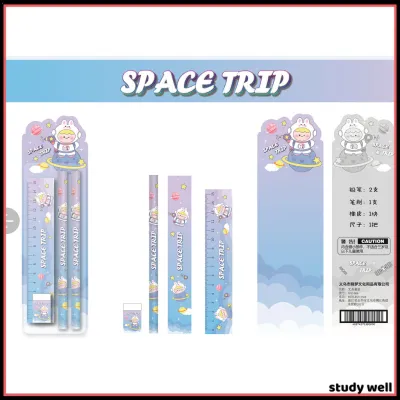
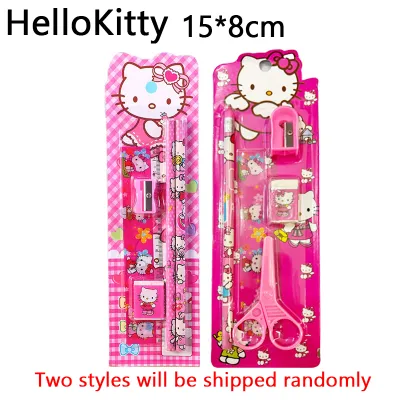
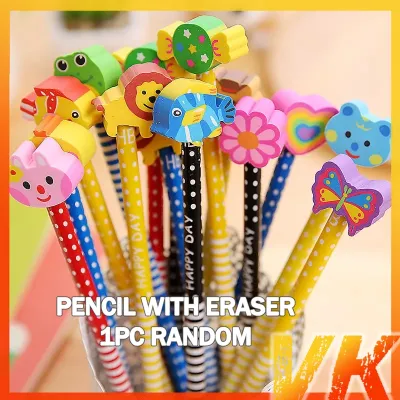
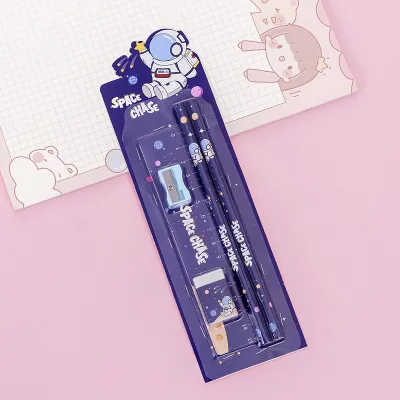
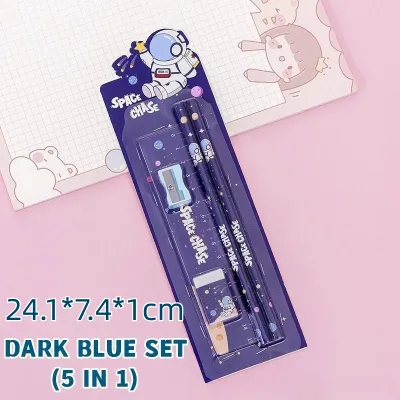
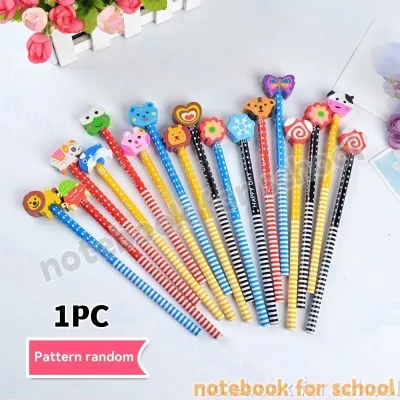
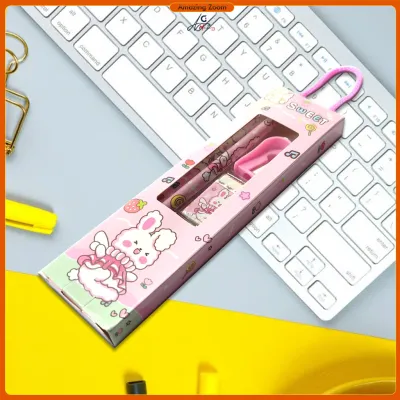
Prices are valid at publication and may change. Please refer to the product page for the latest price.
- Two wooden graphite pencils of varying hardness
- One mechanical pencil for fine-line work
- One block eraser made of polymer or vinyl
- One manual pencil sharpener
- One container of matching mechanical lead refills
This specific combination caters to both long-form writing and precision tasks. The inclusion of maintenance tools ensures you do not need to buy separate accessories to keep your pencils functional. Understanding this baseline helps you quickly spot low-quality sets that substitute essential tools with cheap plastic rulers, stickers, or novelty keychains.
Evaluating Core Pencils: Lead Grades, Thickness, and Mechanisms
Wooden pencils form the foundation of any stationery kit, and their performance depends heavily on their graphite grade. Standard sets usually feature HB or 2B leads. HB lead contains a balanced mix of graphite and clay, making it firm, light, and highly resistant to smearing on standard notebook paper—ideal for everyday writing.

In contrast, 2B lead has a higher ratio of graphite, resulting in a softer texture and a much darker line. This grade is the standard for shading, sketching, and filling out bubble sheets on standardized exams. The softness of 2B means it glides smoothly across the paper, but it also wears down faster and requires more frequent sharpening.
To verify the quality of wooden pencils, perform a quick visual inspection of the end of the pencil. The graphite core must be perfectly centered within the wood casing. An off-center core causes the lead to snap repeatedly during sharpening because one side of the wood is shaved too thin. High-quality casings are made from straight-grained woods like cedar or basswood, which shave away in clean, continuous spirals rather than splintering.
Mechanical pencils in these sets offer a different set of technical parameters, usually utilizing either 0.5mm or 0.7mm lead. A 0.5mm lead is designed for fine technical drawing and small handwriting, maintaining a sharp line without sharpening, though it can snap under heavy pressure. A 0.7mm lead is thicker and more forgiving of heavy hand pressure, making it excellent for rapid note-taking.
The internal mechanism determines the pencil’s longevity. Reliable sets feature a robust internal clutch, usually made of brass or durable, high-density plastic, which holds the lead firmly in place. You can test the clutch by pressing down gently on the advanced lead against a hard surface; if the lead slips back into the sleeve, the clutch is weak. Look for clear packaging labels that specify the exact lead diameter and grade pre-loaded into the pencil.
Assessing Accessories: Erasers, Sharpeners, and Refill Compatibility
The accessories in a 5-in-1 pencil set are often where manufacturers attempt to cut costs, yet they are critical to your daily workflow. The included eraser should ideally be made of soft polymer or vinyl, often labeled as PVC-free. These materials lift graphite particles off the paper fibers through adhesion rather than abrasive friction, protecting the paper from tearing.
In the tropical, highly humid climate of the Philippines, eraser material quality is especially important. Low-grade rubber erasers absorb moisture and oils from the air, causing them to degrade, harden, or become sticky over time. In extreme cases, cheap rubber can chemically react with the plastic casing of your pencil box, melting and fusing the items together. A quality polymer eraser remains stable, dry, and firm to the touch even in warm environments. To verify erasability, draw a dark line with the set’s 2B pencil on your typical writing paper and perform a trial erase; a good eraser should lift the graphite cleanly in a few light strokes, leaving minimal, clumped residue rather than fine dust.
The manual sharpener in the set must be evaluated by its blade quality and alignment. A high-quality sharpener features a tempered steel blade secured tightly to the frame with a small screw. This allows the blade to slice cleanly through both the wood casing and the graphite core. Cheaper sharpeners use unhardened metal or plastic blades molded directly into the frame; these blades quickly dull and drag against the wood, fracturing the internal lead before it even emerges. Ensure the entry hole is perfectly aligned with the blade angle so the pencil rotates smoothly without wobbling.
Refill compatibility is another critical check. The lead refills included in the 5-in-1 pencil set must match the mechanical pencil’s diameter exactly. Attempting to feed 0.7mm lead into a 0.5mm pencil will jam the tip, while feeding 0.5mm lead into a 0.7mm pencil will cause the lead to fall straight through the clutch. Additionally, check that the refill container has a secure, snap-tight lid to prevent the delicate leads from spilling out and shattering inside your pencil case during transit.
Identifying Gimmicks: How to Spot Filler Items in Stationery Sets
Many budget-friendly stationery bundles inflate their value proposition by substituting practical tools with low-cost gimmicks. To spot these filler items, look closely at the utility of each component. Common examples of filler include miniature novelty erasers shaped like animals, cartoon characters, or food items. While visually appealing, these erasers are often too small to hold comfortably, lack the structural integrity to erase without breaking, and are made of cheap rubber that smudges graphite instead of lifting it.
Another common gimmick is the inclusion of decorative but non-functional plastic sharpeners. These are often oversized, hollow plastic shapes with a tiny, unaligned blade hidden inside. They lack a secure shavings receptacle, meaning you must sharpen your pencils directly over a trash can, and their loose construction leads to frequent lead breakage. Similarly, watch out for “bonus” items like single, loose sticks of mechanical lead or ultra-thin plastic rulers that bend and warp under minor heat or pressure.
Packaging transparency is an excellent indicator of whether a 5-in-1 pencil set is a genuine toolkit or a collection of gimmicks. Reputable brands use clear packaging that allows you to inspect the physical size, texture, and alignment of the items. The back of the package should clearly list the exact technical specifications, such as the wood type of the wooden pencils, the lead diameter and grade of the mechanical pencil, and the material of the eraser. If the packaging is opaque, heavily decorated with distracting graphics, and lacks specific material descriptions, it is likely hiding low-grade components.
When deciding on a purchase, apply a simple decision framework. A practical, high-value 5-in-1 set should consist of 3 to 4 high-use core items (the wooden pencils and mechanical pencil) and 1 to 2 high-quality consumables (the eraser and lead refills). If the set shifts this balance—for example, including only one cheap pencil alongside four tiny novelty toys—it fails to deliver real utility and is not worth your investment.
Frequently Asked Questions (FAQ)
Can I use the mechanical pencil from a 5-in-1 set for board exams?
Standardized national exams and professional board exams in the Philippines, such as those administered by the Professional Regulation Commission (PRC), generally prohibit the use of mechanical pencils. These exams utilize optical mark recognition (OMR) scanners to grade answer sheets automatically. OMR scanners are calibrated specifically to detect the graphite density of traditional No. 2 or 2B wooden pencils. The fine, sharp tip of a mechanical pencil can also easily puncture or tear the thin answer sheets, rendering them unreadable by the scanner. Always review the official exam guidelines beforehand and rely on the high-quality 2B wooden pencils included in your set for exam day.
Is a 5-in-1 set more cost-effective than buying individual stationery?
For students preparing for a new school term or casual office workers looking for a quick, all-in-one writing solution, a 5-in-1 pencil set is highly cost-effective. These sets typically retail between ₱50 and ₱150, offering immediate convenience and a lower upfront cost than purchasing each item separately. However, for heavy writers, artists, or technical drafting students, the value proposition changes. Specialized users often require specific ergonomic grips, highly precise lead grades, or heavy-duty erasers. In these cases, investing in individual, high-performance stationery items is more cost-effective over time, as you avoid paying for unused accessories and can select tools tailored precisely to your physical comfort and professional requirements.

Community discussion
Share your experience or ask a question. Comments are reviewed before publication.