
Choosing the right modeling medium can make or break your creative project, whether you are building a school diorama, sculpting a detailed figurine, or crafting custom home decor. In the stationery and craft market, Deli clay has emerged as a highly accessible and versatile option. Selecting the ideal type requires understanding how different formulations behave during use, how they cure, and how they withstand environmental factors like tropical humidity.
Deli offers several distinct clay lines designed for different age groups, skill levels, and project goals. By matching the physical properties of these clays—such as weight, drying mechanism, and structural strength—to your specific crafting needs, you can ensure a smooth crafting process and a durable finished piece.
Understanding the Main Types of Deli Clay
Before purchasing modeling materials, you must understand the three primary categories of Deli clay available in stationery stores and online marketplaces. Each category relies on a different chemical or physical base, which dictates how the material behaves in your hands and how it cures over time.
Products mentioned in this guide
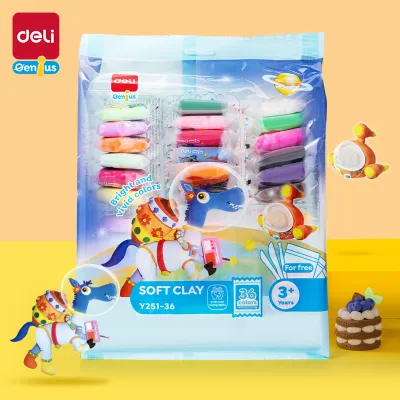
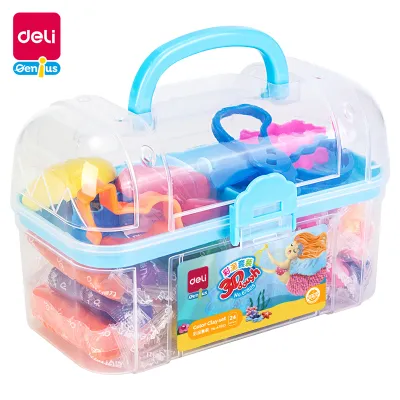
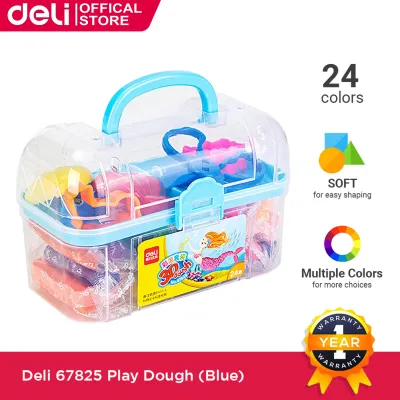
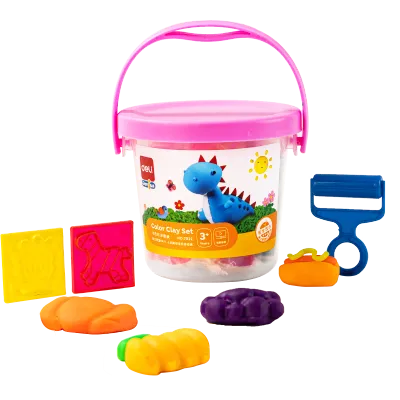
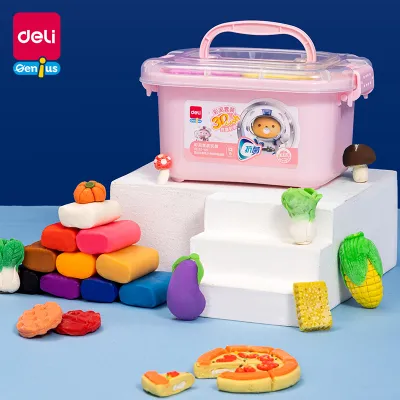
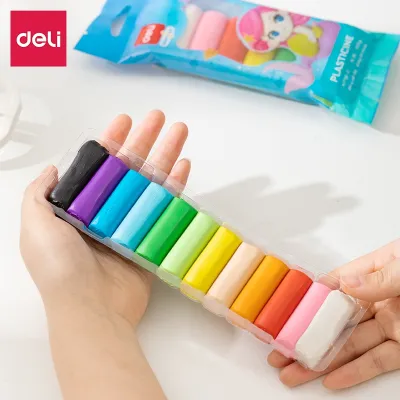
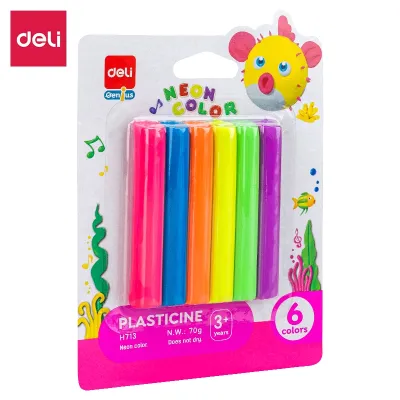
Prices are valid at publication and may change. Please refer to the product page for the latest price.
Selecting the wrong type can lead to projects that crack, fail to harden, or melt under warm conditions. Understanding these core materials allows you to plan your project timeline, drying space, and final finishing steps effectively.
Super Light and Air-Dry Clays
Super light air-dry clay is the most popular and widely available product line in the Deli clay catalog. This material is formulated with a water-based binder and lightweight microballoons, giving it an incredibly soft, airy, and almost marshmallow-like texture. Unlike traditional ceramic clays, it does not require a kiln or oven to harden.
As the water content evaporates at room temperature, the clay cures into a solid state. During this evaporation process, the clay experiences minor shrinkage, which you must account for when building around rigid armatures. The cured clay is exceptionally lightweight, slightly flexible, and possesses a velvety, matte, and porous finish that is highly receptive to post-drying decoration.
Key Characteristics of Deli Super Light Clay:
- Texture and Handling: Extremely soft, non-sticky, and easy to stretch or blend when fresh out of the package.
- Drying Process: Cures naturally through ambient air exposure; drying times vary from 12 to 48 hours depending on piece thickness and local humidity.
- Final State: Offers a lightweight, slightly spongy, matte finish that can be easily painted with acrylics or detailed with fine-liner pens.
Traditional Modeling Clay and Plasticine
Traditional modeling clay, often referred to as plasticine, is an oil- or wax-based compound that does not dry out when exposed to air. Because it contains no water, it is entirely reusable and remains pliable indefinitely, making it a staple in classrooms and design studios.
This clay is significantly denser and heavier than air-dry alternatives. It is designed for temporary creations, sensory play, and structural mockups rather than permanent display pieces. Because it never hardens, it provides a consistent resistance that is ideal for developing hand strength in young children or sculpting temporary armatures for animation.
Key Characteristics of Deli Plasticine:
- Material Base: Formulated with non-drying oils and mineral waxes that keep the medium soft and workable over years of use.
- Primary Use Cases: Excellent for stop-motion animation, temporary prototyping, mold-making boundaries, and sensory play.
- Limitations: Cannot be baked, cured, or painted with water-based paints; it may leave a slight oily residue on porous surfaces like untreated wood or paper.
Polymer and Specialty Curing Clays
For crafters seeking maximum durability and fine detail retention, specialty curing clays—such as polymer clay—represent the advanced tier of the modeling lineup. These clays are formulated with a plastic PVC base and liquid plasticizers, requiring heat to undergo polymerization and transform into a permanent, rigid plastic state.
Because polymer clay does not dry in the air, you can work on a single sculpture for weeks without worrying about the material hardening prematurely. Once heated to the manufacturer’s specified temperature, the clay particles fuse together, resulting in a waterproof, highly durable, and sandable object that can withstand handling.
Key Characteristics of Specialty Curing Clays:
- Curing Requirements: Must be baked in a dedicated home oven or heated with a specialized craft heat tool; it will not cure at room temperature.
- Durability: Yields a dense, highly durable, water-resistant, and impact-resistant finish suitable for functional items.
- Verification Step: Always check the specific product packaging for exact baking temperatures and duration instructions, as overheating can release irritating fumes.
Matching Deli Clay Types to Your Crafting Needs
Choosing the correct Deli clay requires looking past the packaging colors and analyzing the practical demands of your project. The age of the crafter, the intended lifespan of the object, and the tools available all play a role in determining which clay line will deliver the best results.

By matching the clay’s physical limitations and strengths to your project type, you can avoid common frustrations like premature drying, structural collapse, or accidental damage during handling.
School Projects and Kids' Crafts
For classroom assignments, science dioramas, and early childhood crafting, safety, cleanliness, and speed are the primary priorities. Deli Super Light Clay is highly recommended for these environments because it eliminates the mess associated with traditional wet clays and does not require complex baking setups.
This clay does not leave stains on clothing or desks, and it can be easily swept up if small pieces fall to the floor. Because it cures within a day, students can complete their sculptures in class and have a dry, lightweight project ready to present or transport home by the next morning.
Safety and Practical Guidelines for Classrooms:
- Mess Prevention: Super light clay does not stick to hands or desks, reducing cleanup time to a few minutes.
- Safety Certifications: Before purchasing for young children, verify that the packaging displays recognized non-toxic certifications, such as ASTM D-4236 or EN71.
- Project Ideas: Ideal for creating lightweight solar system models, geographical landforms, historical figures, and colorful relief maps on heavy cardboard.
Hobby Sculpting and Home Decor
Adult hobbyists and craft enthusiasts creating display figurines, decorative bowls, or holiday ornaments require a medium that can hold clean details and accept high-quality finishes. While super light clay is excellent for cute, stylized figurines, achieving a professional look requires specific preparation and finishing techniques.
Because air-dry clay is porous, applying paint directly to the raw surface can result in uneven absorption and dull colors. Preparing the dried surface and sealing it against environmental moisture are essential steps to ensure your decorative pieces look polished and last for years.
Finishing Techniques for Hobbyists:
- Surface Preparation: Once your air-dry piece is completely cured, use fine-grit sandpaper to smooth out fingerprints and seams.
- Priming: Apply a thin layer of acrylic gesso or primer to seal the porous surface, creating a uniform base that makes acrylic paint colors appear more vibrant.
- Sealing: Protect the finished paint job from dust, oils, and humidity by applying a clear, water-based polyurethane or acrylic varnish in a matte, satin, or glossy finish.
- Color Blending: Create custom gradients and shades by thoroughly kneading different primary colors of Deli light clay together before sculpting.
Professional or Heavy-Duty Applications
While Deli’s stationery-grade clays are exceptional for schoolwork and casual hobbies, they have clear structural limitations that make them unsuitable for professional-grade art, functional household items, or wearable jewelry. Understanding these boundaries prevents project failure and material waste.
Air-dry light clay lacks the tensile strength required for thin, protruding elements, which will easily snap under minimal pressure. If your project will experience regular physical handling, exposure to water, or outdoor weather conditions, you must transition to professional-grade mediums.
When to Upgrade Your Modeling Medium:
- Structural Weakness: Air-dry light clay remains slightly flexible and soft; it will distort or break if used for structural joints, thin armatures, or load-bearing parts.
- Water Sensitivity: Cured air-dry clay will soften and dissolve if exposed to standing water or high moisture, making it unsuitable for functional mugs, plant pots, or outdoor garden ornaments.
- Professional Alternatives: For jewelry, keychains, and high-detail miniature gaming figures, look for specialized professional polymer clays, epoxy clays, or ceramic clays that offer superior rigidity and water resistance.
Essential Specs and Safety Checks Before Buying
When browsing Deli clay products in physical stationery shops or on online marketplaces, a systematic inspection of the product specifications will ensure you get a high-quality, safe, and fresh batch of material.
Safety and Age Recommendations
Always read the packaging carefully to locate age-grading indicators. Most air-dry and modeling clays are rated for children aged 3 and up due to the choking hazard posed by small parts. Ensure the product features a clear “non-toxic” label and complies with international safety standards. If you are purchasing clay for classroom use or individuals with sensitive skin, checking these certifications is a critical first step.
Packaging and Shelf Life
Air-dry clay is highly sensitive to packaging integrity. Before buying, inspect the plastic tubs, cups, or foil pouches for any punctures, broken seals, or air pockets. If shopping in a physical store, gently squeeze the package; it should feel soft and yielding. If it feels firm or rubbery, the clay has already begun to cure inside the packaging due to a compromised seal. Additionally, check for manufacturing or expiration dates, as water-based air-dry clays naturally lose moisture and degrade over extended storage periods.
Color Sets vs. Bulk Purchasing
Deli offers clay in both multi-color assortments and single-color bulk packages. Your choice should depend on the scale and nature of your project:
- Multi-Color Sets: Typically contain 12, 24, or 36 small, individually sealed cups or pouches of various colors. These are highly economical for small-scale crafts, school projects, and beginners who want a wide palette without buying large quantities of paint.
- Bulk Single-Color Bags: Usually available in larger weights (such as 500g or 1kg bags) of white, black, or terra cotta. These are ideal for large-scale sculptures, classroom groups, or projects where you plan to paint the entire surface after it dries.
Included Accessories
Many Deli clay kits come packaged with basic plastic sculpting tools, rollers, molds, and project instruction booklets. While these bundled tools are excellent for children and beginners, they are often lightweight and simple. If your project requires intricate textures, fine lines, or precise carving, budget for a separate set of sturdy wooden or metal sculpting tools, silicone color shapers, and a non-stick silicone crafting mat.
Best Practices for Use and Storage in Humid Climates
Working with modeling clay in a tropical climate like the Philippines introduces unique challenges. High relative humidity and warm ambient temperatures directly affect how air-dry clays cure and how unused clay must be preserved.
Managing Drying Times
In highly humid environments, the water content in air-dry clay evaporates much slower than it would in dry, arid climates. While this gives you a longer working time to sculpt and refine details, it also extends the overall curing process. If a thick sculpture dries too slowly, moisture can remain trapped in the center, leading to internal mold growth, warping, or surface cracking as the outer shell dries faster than the core.
To manage drying times safely, place your finished sculptures in a well-ventilated room with an active ceiling fan or air conditioning unit. Avoid placing wet air-dry clay in direct sunlight or using high-heat hair dryers, as rapid, uneven heating causes the outer layer to shrink violently, resulting in deep, unsightly cracks.
Proper Storage Techniques
Once a package of air-dry clay is opened, exposure to air begins the irreversible curing process. To keep your remaining Deli clay soft and pliable for future projects, you must store it in an airtight environment immediately after use.
Wrap the unused clay tightly in plastic cling wrap, ensuring there are no trapped air bubbles. Place the wrapped clay inside a heavy-duty, zip-top plastic bag or a plastic container with a silicone gasket seal. To maintain humidity inside the container, you can add a slightly damp paper towel or a small piece of damp sponge, ensuring it does not touch the clay directly to prevent it from becoming waterlogged. Store the container in a cool, dark cupboard away from direct sunlight and heat sources.
Tool Compatibility and Cleanup
Water-based air-dry clays are highly compatible with plastic, silicone, and stainless steel crafting tools. Avoid using untreated wooden tools or porous cardboard work surfaces, as they will draw moisture out of the clay, causing it to stick and dry out prematurely. Always work on a smooth, non-stick surface such as a silicone mat, a glass sheet, or a piece of wax paper.
Cleanup should be done immediately after your sculpting session. Wash your tools, hands, and work surfaces with warm, soapy water before any stray clay bits cure completely. Once super light clay dries onto a tool or mat, it becomes much more difficult to remove and may require gentle scrubbing with a stiff-bristled brush.
Frequently Asked Questions (FAQ)
Can I mix different types of Deli clay together?
You can successfully mix different colors of the same water-based air-dry clay lines together to create custom shades and marbleized patterns. However, you should never attempt to mix water-based air-dry clay with oil-based modeling clay or plasticine. Because oil and water naturally repel each other, these different clay bases will not blend cohesively, resulting in a crumbly, unstable mixture that will fail to hold its shape or cure properly.
Is Deli super light clay waterproof after it dries?
No, standard Deli super light air-dry clay is not waterproof after it cures. Because it is a water-based medium, the cured clay remains highly porous and will soften, warp, or completely dissolve if it comes into contact with water or is exposed to high humidity over extended periods. To protect your finished pieces from moisture, dust, and hand oils, you must apply a protective coat of water-based acrylic sealer, polyurethane, or clear varnish once the clay is completely dry.
How do I fix cracked air-dry clay?
If your air-dry clay develops minor hairline cracks while drying, you can easily repair them while the piece is still semi-wet by gently smoothing a damp finger or a soft, wet paintbrush over the surface. For deep cracks on fully dried sculptures, mix a small pinch of fresh clay with a few drops of water to create a thick paste. Press this paste into the cracks using a palette knife, smooth the edges to blend with the surrounding area, and allow it to dry completely before sanding the patch smooth.
Community discussion
Share your experience or ask a question. Comments are reviewed before publication.