
Choosing the right everyday pen requires looking past generic marketing labels and understanding how technical specifications translate to paper. The Deli SA130 pen is a widely used writing instrument, but its actual performance on your desk depends heavily on its specific tip size, ink formulation, and physical build. By verifying these core details, you can determine whether this model will deliver clean, smudge-free lines or cause frustration during long writing sessions.
In tropical climates like the Philippines, high humidity can significantly affect how ink behaves on paper, making the choice of ink type and tip size even more critical. A pen that performs beautifully in a dry environment might feather or dry slowly when the air is thick with moisture. Understanding these specifications ensures you select a tool that matches your daily writing tasks, whether you are a student taking rapid lecture notes or a professional signing official documents.
How to Verify the Core Specifications of the Deli SA130
To ensure you are getting the exact performance you expect, you must first verify the technical details of your specific Deli SA130 pen. E-commerce platforms and online marketplaces often use generalized, keyword-stuffed titles that combine terms like “gel,” “ballpoint,” and “sign pen” into a single listing. Relying solely on these third-party descriptions can lead to purchasing a pen that does not match your actual writing needs.
Products mentioned in this guide
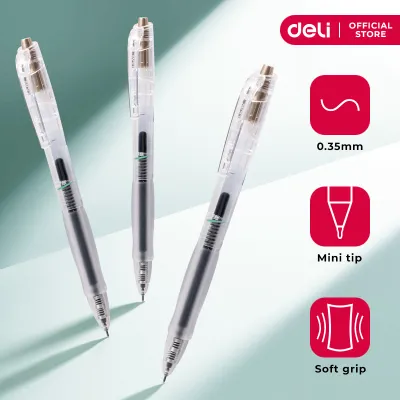
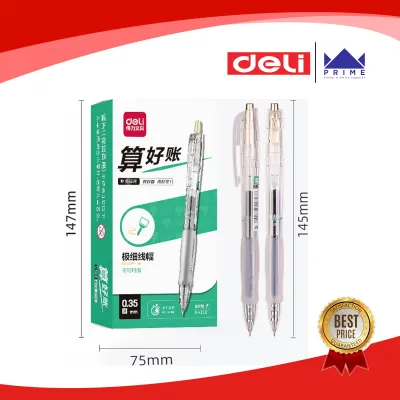
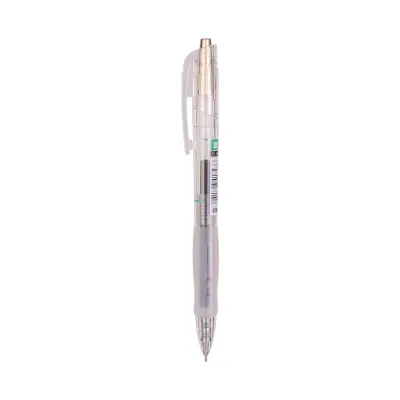
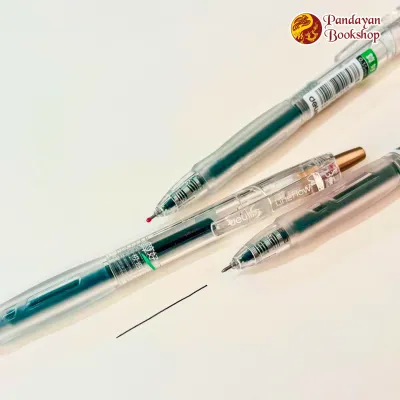
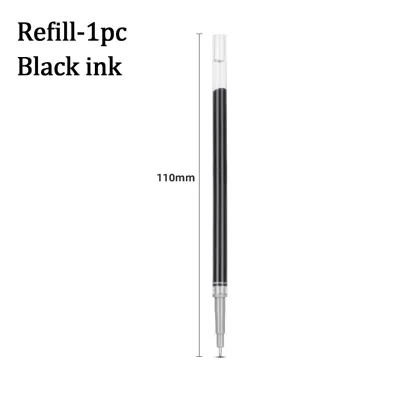
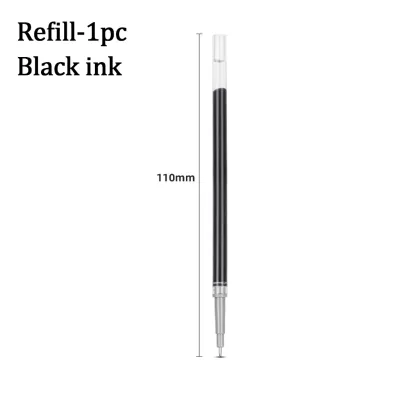
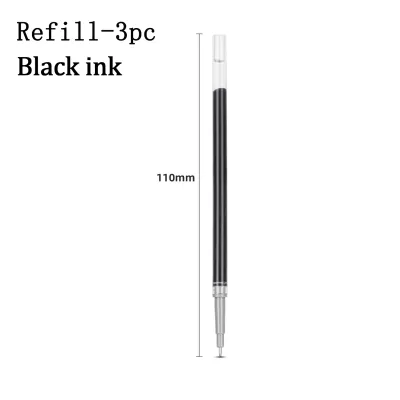
Prices are valid at publication and may change. Please refer to the product page for the latest price.
Instead, look directly at the physical pen barrel or the original packaging for accurate, manufacturer-printed specifications. The most reliable listings and physical packages will clearly state the tip size in millimeters, the specific ink category, and the materials used in construction. If you are purchasing online, cross-reference the seller’s images with official brand stores to confirm the model details.
There are three critical specifications you should locate before making a decision: the tip size, the ink type, and the body material. The tip size is typically printed on the barrel or the cap, often ranging from ultra-fine to medium widths. The ink type—whether gel, traditional ballpoint, or liquid rollerball—determines the flow rate, while the body material dictates the pen’s overall durability and weight.
What Tip Size and Ink Type Mean for Your Writing Experience
The combination of tip size and ink type is the single greatest factor influencing how a pen feels on paper. Tip sizes, measured in millimeters, dictate the thickness of your lines and the level of precision you can achieve. A finer tip, such as a 0.5 mm or smaller, is excellent for tight grid paper, mathematical formulas, and small handwriting because it keeps characters distinct. Conversely, a broader tip like 0.7 mm or 1.0 mm produces bolder, highly visible lines that are ideal for quick brainstorming sessions, signatures, and expressive writing.

Ink type further refines this experience by controlling smoothness and drying speed. Gel ink, known for its vibrant color and effortless glide, uses a water-based gel that flows generously but may require a few extra seconds to dry, especially in humid tropical conditions. Traditional ballpoint ink uses an oil-based formula that dries almost instantly and resists water, making it highly reliable for cheap copy paper, though it requires more downward pressure to write. Rollerball ink utilizes liquid water-based ink for an incredibly fluid feel, but it is highly prone to bleeding through thin sheets.
Because paper quality varies wildly, the best way to evaluate these specifications is to conduct a simple paper test. Take your pen and write a few sentences on the exact notebook or copy paper you plan to use daily. Observe the lines closely for feathering, where the ink spreads sideways into the paper fibers, and check the reverse side of the page for bleed-through. You should also write quickly to see if the ink skips or if it smudges when you run your hand over it immediately after writing.
Evaluating Body Material and Grip Ergonomics
A pen’s technical performance matters little if it becomes uncomfortable to hold after only a few minutes of use. The body material of the Deli SA130 determines its weight, balance, and overall durability. Lightweight plastic bodies are highly portable and reduce initial hand fatigue, making them excellent for carrying in a pocket or pencil case. However, they may lack the premium feel and structural rigidity of metal-accented alternatives, which offer more heft and a balanced center of gravity.
Grip ergonomics are equally vital, particularly during extended writing sessions in warm weather. When hands become warm or damp, a smooth plastic barrel can easily slip, forcing you to grip the pen tighter and causing muscle strain. Look for a dedicated grip zone featuring a rubberized sleeve or a textured pattern. This soft-touch surface cushions your fingers, absorbs sweat, and allows you to maintain control with minimal gripping pressure.
Additionally, consider how the pen’s weight distribution aligns with your personal holding style. If you prefer to write with the cap posted on the back of the pen, ensure it does not make the writing instrument back-heavy, which pulls the tip away from the paper. The cap or retraction mechanism should also operate smoothly and securely, protecting the tip from drying out or accidentally staining your clothes when tucked away.
Decision Checklist: Is This Pen Right for Your Daily Tasks?
To determine if the Deli SA130 fits your routine, match its verified specifications against your primary daily tasks. If you are a student who needs to write pages of notes quickly on standard school paper, a fine-tip ballpoint or a fast-drying gel pen is ideal to prevent smudging and bleed-through. If you are a professional signing official documents, you will want a highly pigmented, water-resistant ink that resists fading over time.
Consider this quick decision framework based on your writing environment:
- For high-speed note-taking on thin paper: Choose a finer tip (0.5 mm) with oil-based ballpoint ink to prevent bleeding and ensure instant drying.
- For creative journaling and smooth writing: Opt for a gel ink formula with a comfortable rubber grip to enjoy vibrant colors and effortless gliding.
- For official signatures and legal documents: Verify if the ink is archival-grade or highly water-resistant before signing permanent records.
Before committing to a bulk purchase of pens or boxes, always verify the availability and cost of compatible refills. Using refills is not only more environmentally friendly but also highly economical, costing only a fraction of a new pen. Check the physical dimensions of the cartridge and ensure you can easily source replacements from local stationery shops or reliable online marketplaces.
Frequently Asked Questions (FAQ)
How do I prevent the ink from drying out if I do not use the pen daily?
To keep your pen writing smoothly after periods of inactivity, always cap it securely until you hear a distinct click, or fully retract the tip if it is a click-style pen. This simple step prevents air from drying out the ink at the very tip of the nozzle. Additionally, store your pens horizontally or tip-down in a pen cup; this keeps the ink in constant contact with the feed mechanism, ensuring it is ready to write immediately without skipping.
Can I use standard refills with the Deli SA130?
You should never assume a refill is universally compatible based on brand name alone. To check compatibility, unscrew your pen, remove the empty cartridge, and measure its total length and barrel diameter with a ruler. Look for any specific model numbers or standard codes printed directly on the plastic refill casing. It is highly recommended to purchase and test a single replacement refill to verify the fit and ink flow before buying them in bulk.

Community discussion
Share your experience or ask a question. Comments are reviewed before publication.