
Quick Answer: Which Deli Scribe Pencil Should You Choose?
To find the ideal Deli Scribe pencil, you must evaluate your primary writing activities, natural hand pressure, and tolerance for lead breakage. This quick decision framework simplifies your selection:
- Choose a 0.5mm mechanical variant if your daily work involves detailed note-taking, mathematical equations, or writing in compact grid journals. This size delivers clean, precise lines that fit neatly within narrow margins without blending together.
- Choose a 0.7mm or 0.9mm mechanical variant if you are a heavy-handed writer, a student prone to breaking thin leads, or someone who needs to produce quick, legible drafts during fast-paced brainstorming sessions. The thicker lead profile offers significantly higher structural resistance against lateral writing pressure.
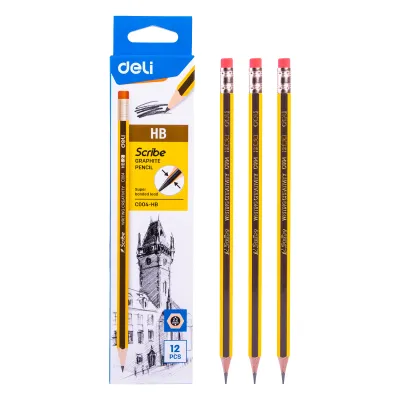
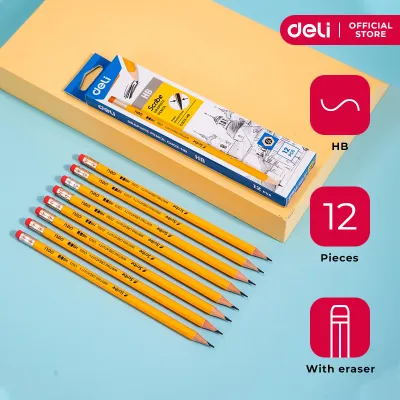
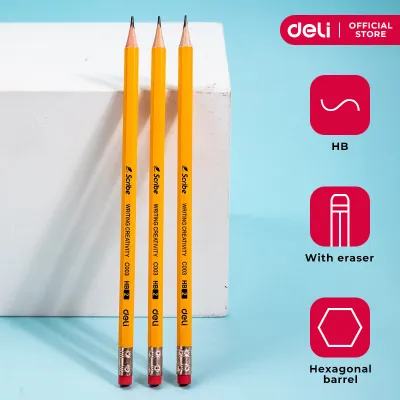
- Choose a wood-cased HB variant if you prefer the classic, tactile feedback of traditional wooden pencils for general writing, sketching, or cursive practice. It provides a reliable balance of line darkness and physical durability, making it a versatile tool for classrooms and offices alike.
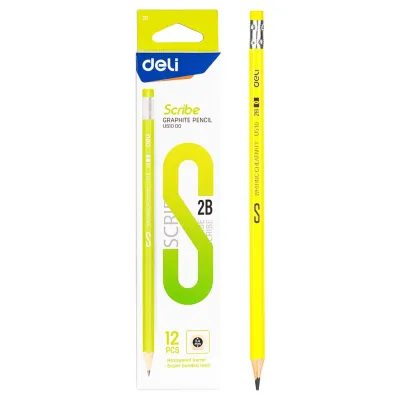
- Choose a wood-cased 2B variant if you are preparing for standardized exams that use optical mark recognition (OMR) sheets, or if you practice soft, expressive freehand sketching. The softer core deposits a dense, highly pigmented layer of graphite that quickly fills bubbles and registers perfectly on digital scanners.
Ultimately, your decision hinges on your specific task requirements. If you value continuous, uninterrupted writing without the need for a sharpener, a mechanical model is your best option. If you prioritize variable line weight and a classic tactile feel, the traditional wood-cased variants will serve you best.
Understanding the Deli Scribe Pencil Lineup
The Deli Scribe series is designed to address a wide range of academic, professional, and creative needs by offering a diverse selection of writing instruments. Deli developed the Scribe lineup to balance functional reliability, ergonomic comfort, and cost-effectiveness. By understanding the core categories and design philosophies within this series, you can better navigate the specific models available in the market.
Products mentioned in this guide
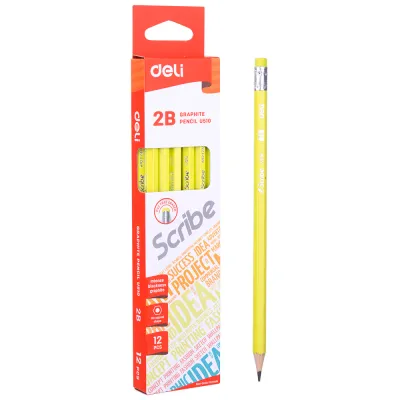
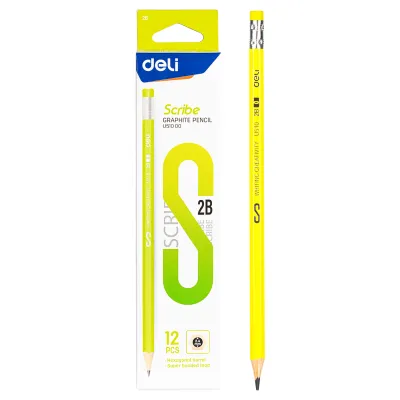
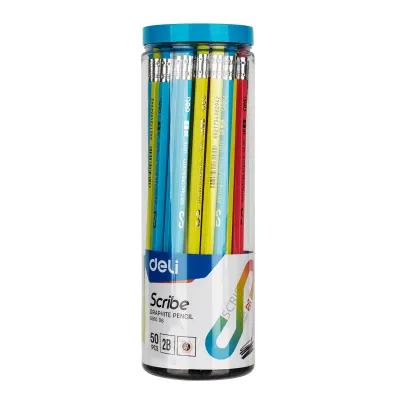
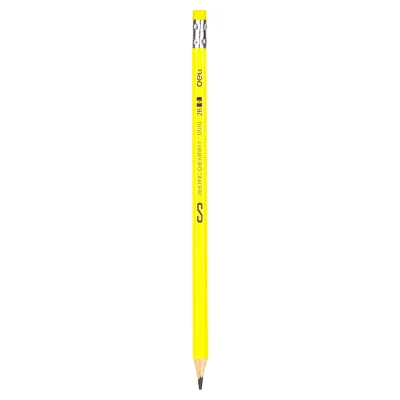
Prices are valid at publication and may change. Please refer to the product page for the latest price.

The Scribe lineup is broadly divided into two major categories: mechanical pencils and traditional wood-cased pencils. Each category serves distinct writing habits and environments:
- Mechanical Scribe Pencils: These models focus on modern convenience, featuring internal spring-loaded or push-button clutch mechanisms that advance graphite lead incrementally. They eliminate the need for manual sharpening, maintaining a consistent line width throughout long writing sessions. These are highly favored by office workers, engineering students, and anyone requiring neat, uniform text.
- Wood-Cased Scribe Pencils: These represent the traditional pencil design, utilizing high-quality, lightweight wood casings that house a solid graphite-and-clay core. They offer a classic tactile experience and allow writers to vary their line thickness naturally by altering the angle of the pencil relative to the paper. They are indispensable for art classes, shading tasks, and standardized examinations.
Within these categories, the Scribe series utilizes standard lead sizes and hardness grades to cater to different styles. The mechanical variants typically support 0.5mm and 0.7mm lead diameters, which are the industry standards for daily writing. The wood-cased options are most commonly found in HB and 2B grades, aligning with the brand’s focus on smooth, smudge-resistant performance.
Ergonomically, the Scribe series incorporates thoughtful design elements such as contoured grip sections, balanced weight distribution, and durable outer casings. Whether utilizing lightweight ABS plastics for the mechanical bodies or easily sharpened wood for the traditional models, the series aims to reduce hand fatigue during extended use. Because product availability can fluctuate based on regional distribution and retailer stock, it is always advisable to check the exact packaging details or official seller listings to verify which specific Scribe variants are currently accessible in your area.
Key Dimensions to Compare Across Deli Scribe Variants
Selecting the right pencil requires looking past simple aesthetics to analyze how the instrument interacts with your hand and the paper. When comparing different Deli Scribe models, several physical, mechanical, and material dimensions dictate your overall comfort, writing speed, and line quality. Evaluating these core parameters helps you systematically filter your options based on your physical writing mechanics.
Lead Size and Hardness Options
The performance of any pencil is fundamentally determined by its lead diameter and core hardness, which dictate line precision, breakage resistance, and erasability.
- 0.5mm vs. 0.7mm/0.9mm Lead: The 0.5mm lead size is the benchmark for precision, allowing you to write small, legible characters and draw intricate diagrams without the lines overlapping. However, because the lead is thin, it is more susceptible to snapping under heavy hand pressure. Conversely, 0.7mm and 0.9mm leads provide a broader, more robust tip that handles aggressive writing styles and rapid sketching with ease, though they are less suited for tiny, detailed notations.
- HB vs. 2B Hardness Grades: For wood-cased variants, the ratio of graphite to clay binder determines the core's hardness and darkness. HB lead contains more clay, making it harder, lighter, and highly resistant to smudging, which keeps your pages clean. 2B lead contains a higher concentration of graphite, resulting in a softer core that glides smoothly across the paper and deposits a dark, rich line. While 2B is excellent for shading and sketching, it wears down faster and is more prone to smudging, particularly when exposed to hand oils or high humidity.
- Verification Tip: Always verify the lead size and hardness grade printed directly on the pencil's barrel or the retail packaging. Visually identical mechanical pencil bodies can house completely different internal mechanisms designed for specific lead sizes, and inserting the wrong lead diameter will cause the pencil to jam or fail to advance.
Barrel Design and Ergonomic Grips
The physical shape and material composition of a pencil’s barrel directly impact your grip stability and hand comfort, especially during long, continuous writing sessions.
- Grip Materials: Deli Scribe variants utilize different grip styles to suit various preferences. Rubberized grips provide a soft, cushioned surface that prevents your fingers from sliding down the barrel, which is particularly beneficial in hot, humid tropical climates like the Philippines where hand sweat is common. However, low-quality rubber can degrade or become sticky over time if exposed to heat. Textured plastic grips offer a durable, non-slip alternative that does not degrade chemically, while smooth plastic or bare metal barrels provide a sleek, modern look but may slide if your fingers are damp.
- Weight and Balance: A well-balanced pencil reduces the muscular effort required to keep the tip on the paper. Front-weighted pencils, which often feature metal tip cones or internal brass mechanisms, pull the pencil naturally toward the page, making them excellent for effortless, fluid writing. Centered or rear-weighted models feel lighter in the hand but may require slightly more grip pressure to control during rapid strokes.
- Barrel Shape and Diameter: Triangular barrels encourage a proper tripod grip, making them highly comfortable for younger students or those learning correct writing posture. Round or hexagonal barrels offer a classic feel and allow you to rotate the pencil easily to maintain a sharp point on wood-cased models. Thicker barrels (ranging from 8mm to 10mm) help reduce finger cramping for individuals with larger hands, while standard slim barrels (7mm) offer high maneuverability for quick note-taking.
- Humidity Inspection Checklist: When purchasing pencils locally, inspect the grip section carefully. Ensure there is no tacky residue, discoloration, or warping on rubberized components, which can occur if the stationery was stored improperly in high-humidity warehouses.
Mechanism and Build Quality (For Mechanical Variants)
For mechanical Scribe models, the durability and reliability of the internal and external moving parts determine the pencil’s operational lifespan.
- Fixed vs. Retractable Lead Sleeves: Scribe models designed for technical tasks often feature a fixed 3mm or 4mm metal lead sleeve. This fixed design provides absolute stability, eliminating any tip wobble when drawing lines against rulers or templates, but it can easily bend if dropped and can puncture pockets. Retractable lead sleeves slide back into the plastic nose cone when the top button is pressed and held, protecting the metal tip from damage and preventing accidental pocket punctures, making them highly portable.
- Clutch Mechanism: The clutch is the internal claw that grips and advances the lead. High-quality Scribe variants utilize brass clutches, which offer superior grip, precise lead advancement, and excellent wear resistance over years of use. Budget-conscious models may use plastic clutches, which are lighter but can wear down faster, occasionally causing the lead to slide back into the barrel under heavy writing pressure.
- Eraser and Lead Storage: Most mechanical Scribe pencils feature a small eraser tucked under the top click button, which also serves as a cap for the internal lead reservoir. Verify that the cap fits snugly so leads do not spill out, and check if the eraser is easily replaceable or if it houses a cleaning pin to clear lead jams.
Matching Variants to Specific Writing and Drawing Tasks
No single pencil is universally perfect for every application. A model designed for high-precision drafting may feel uncomfortable or inefficient when filling out exam sheets or writing long journal entries. To maximize your efficiency and comfort, you should match the specific physical attributes of each Deli Scribe variant to your primary daily tasks.
Everyday Note-Taking and Journaling
Daily note-taking in lectures, business meetings, or personal journals requires a pencil that prioritizes long-term comfort, smooth lead flow, and smudge resistance.
- Recommended Specifications: For these tasks, a 0.5mm or 0.7mm mechanical Scribe variant equipped with a comfortable, non-slip grip is highly recommended. The 0.7mm lead is particularly useful for fast, cursive writing, as it is thick enough to resist snapping during rapid hand movements.
- Lead Grade Selection: Standard HB lead is the ideal choice for everyday journaling. It provides a clean, dark line that remains highly legible while resisting smudging. This is crucial when using double-sided notebook pages, as softer leads like 2B can transfer graphite to the facing page when the notebook is closed, resulting in blurry, messy notes over time.
- Grip Comfort: Look for models with textured plastic or high-grade thermoplastic rubber (TPR) grips. These materials provide a secure, comfortable hold that prevents your fingers from slipping, allowing you to maintain a relaxed grip and write for hours without experiencing hand fatigue or writer's cramp.
Standardized Tests and Exam Answer Sheets
Taking standardized academic or professional examinations requires specialized tools that ensure speed, accuracy, and compliance with automated grading systems.
- Recommended Specifications: Traditional wood-cased Scribe pencils in 2B grade, or 0.7mm/0.9mm mechanical pencils pre-loaded with high-quality 2B lead, are the gold standard for exams.
- OMR Compatibility: Optical Mark Recognition (OMR) scanners grade sheets by projecting light onto the page and measuring the amount of light reflected. Soft 2B graphite contains a high concentration of carbon that leaves a very dark, dense, and slightly reflective layer on the paper. This allows you to fill in the answer bubbles quickly and completely, ensuring the scanner registers your answers accurately without tearing the thin exam paper.
- Eraser and Lead Capacity: During a timed exam, minimizing disruptions is critical. Traditional wood-cased pencils should be sharpened beforehand, and you should carry at least two or three backups. If you prefer a mechanical variant, ensure the lead reservoir is pre-loaded with multiple spare leads to prevent running out mid-test. Additionally, pair your pencil with a dedicated, high-polymer block eraser, as the small erasers built into mechanical pencils are often too abrasive and can smudge the paper, potentially causing grading errors.
Technical Drafting and Detailed Sketching
Architects, engineering students, and artists require writing instruments that offer extreme precision, consistent line weight, and the ability to lay down clean guidelines.
- Recommended Specifications: High-precision 0.3mm or 0.5mm mechanical Scribe variants featuring a fixed metal lead sleeve are the preferred choice for technical drawing.
- Fixed Sleeve Advantage: The fixed metal sleeve acts as a guide, keeping the lead at a constant distance from the edges of rulers, T-squares, and drafting templates. This prevents the tip of the pencil from wobbling or catching on the plastic edges, ensuring perfectly straight, uniform lines across your blueprint or sketch.
- Lead Grade Selection: Technical layouts often begin with light guidelines that are later inked over or darkened. For these initial lines, harder lead grades such as H or 2H are ideal. These harder leads contain more clay binder, producing very light, crisp lines that do not smudge under your hand or drafting tools. Once the layout is finalized, you can switch to softer HB or B leads to define the permanent lines and add depth to your drawings.
What to Verify Before Purchasing
To ensure you receive a genuine, high-performing writing instrument that matches your expectations, it is important to perform a few quality checks before making your purchase, whether you are shopping in a local stationery store or browsing online platforms.
- Check Packaging for Official Branding: Genuine Deli Scribe pencils feature crisp, clear packaging with high-quality printing, official brand logos, and distinct barcodes. Look for official security labels or holographic stickers that verify authenticity. Counterfeit or low-quality imitation stationery often suffers from fragile lead formulations, and poorly aligned internal clutches that fail after a few clicks.
- Verify Lead Size and Hardness Markings: Do not rely solely on the color or style of the pencil barrel, as manufacturers often produce identical-looking models in different specifications. Carefully read the text printed on the retail card and stamped on the pencil body to confirm the exact lead diameter (e.g., 0.5mm, 0.7mm) and hardness grade (e.g., HB, 2B) you require.
- Perform a Physical Inspection (In-Store): If you are buying in a physical store, take the pencil out of the display rack and inspect its construction. For mechanical variants, press the click mechanism a few times to ensure it operates smoothly without sticking, and check that the lead advances consistently. For wood-cased pencils, roll the barrel across a flat glass counter or tabletop; if the pencil wobbles or curves up, the wood casing is warped, which can cause the internal graphite core to break repeatedly during sharpening. Additionally, run your fingers over rubberized grips to ensure they feel firm and dry, with no signs of stickiness or chemical degradation.
- Evaluate Online Listings and Seller Ratings: When purchasing from online marketplaces or ecommerce platforms, avoid listings that use generic, low-resolution stock images without specifying the exact variant. Read customer reviews and look for feedback regarding packaging quality, as pencils can easily be damaged during transit if not wrapped in protective bubble wrap. Ensure the seller has a high rating and explicitly lists the model number, lead size, and quantity to avoid receiving the wrong item.
Frequently Asked Questions (FAQ)
To help you maintain your writing tools and resolve any specific usage concerns, we have compiled answers to some of the most common questions regarding Deli Scribe pencils.
Can I use standard erasers with Deli Scribe mechanical pencils?
Yes, you can use any standard block eraser, such as high-polymer, plastic, or dust-free erasers, alongside your Deli Scribe mechanical pencil. While most Scribe mechanical variants feature a small built-in eraser under the top click cap, these are designed primarily for quick, emergency corrections on the go. Using the built-in eraser frequently will quickly wear it down to the metal holder, making it difficult to remove and potentially exposing the metal edge, which can scratch your paper. For regular writing, drawing, or studying, it is highly recommended to use a dedicated external block eraser. If you need to replace the built-in eraser, ensure you purchase refills that match the exact millimeter diameter of your specific Scribe model, as generic refills may slip out or block the lead advancement tube.
Which Deli Scribe variant is best for left-handed writers?
Left-handed writers face unique challenges, as their hand naturally follows the pencil tip across the page, leading to graphite smudging on both the paper and their skin. Additionally, left-handed users push the pencil across the paper rather than pulling it, which exerts more lateral pressure on the lead and increases the risk of breakage. To minimize these issues, left-handed writers should choose a Scribe variant with a harder lead grade, such as HB or H, which contains more clay binder. These harder leads bond quickly to the paper fibers and resist smudging, keeping your pages clean. For mechanical options, selecting a 0.7mm lead diameter provides the extra physical strength needed to withstand pushing forces without snapping. Furthermore, left-handed writers should opt for symmetrical, round, or lightly textured plastic grips rather than heavily contoured ergonomic grips, which are often molded specifically for right-handed finger placement and can feel uncomfortable or restrictive in a left-handed grip.

Community discussion
Share your experience or ask a question. Comments are reviewed before publication.