
Quick Answer: Which Desk Calendar Format Should You Choose?
Selecting the ideal calendar for desk setups is not a matter of finding a single, universally superior format. Instead, the right choice depends on your physical workspace footprint, writing volume, and how often you need to check your schedule at a glance. To optimize your daily productivity, your choice should align directly with your working environment and planning habits.
If your primary goal is to have an expansive writing area that also serves to protect your workspace surface, a large-format desk pad calendar is the most effective option. For those working with limited horizontal desk space who require high passive visibility to keep track of dates during calls or typing, a standing desk calendar provides the best vertical, space-saving solution. If your workflow demands high mobility, deep daily or hourly scheduling, and absolute privacy for your notes, a portable planner calendar is the superior choice. By evaluating these specific criteria, you can select a format that seamlessly integrates into your daily routine.
Defining the Three Desk Calendar Formats
To make an informed decision, it is essential to understand the distinct physical characteristics, structural designs, and intended roles of each calendar format. While all three serve the core purpose of tracking time and tasks, their construction dictates how they occupy your workspace and how you interact with them.
Products mentioned in this guide
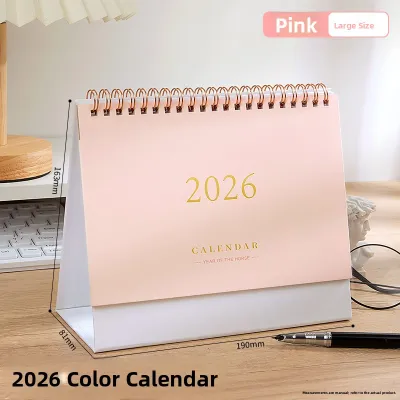
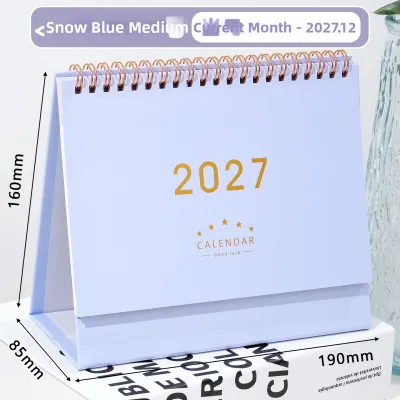
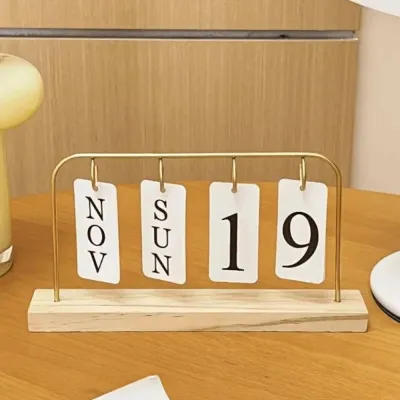
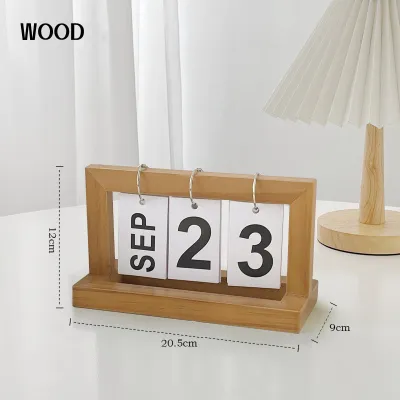
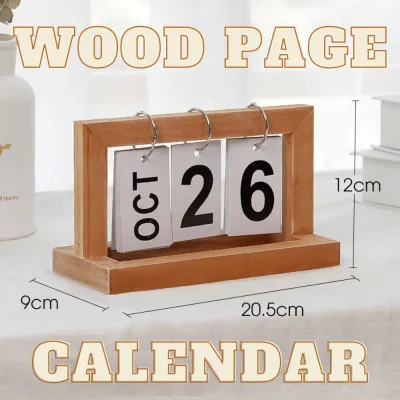
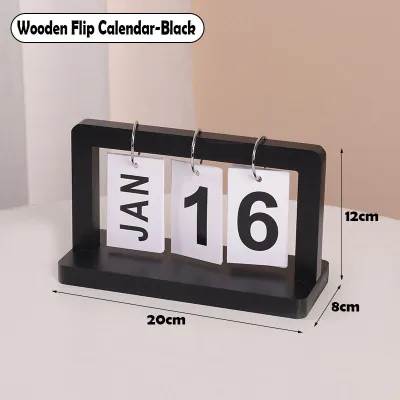
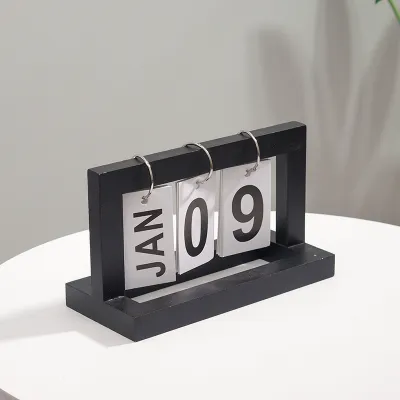
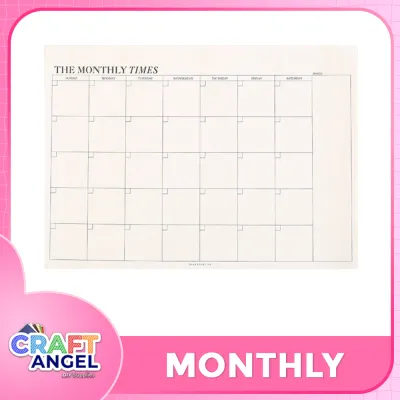
Prices are valid at publication and may change. Please refer to the product page for the latest price.

Desk Pad Calendars
A desk pad calendar is a large-format, flat planning tool designed to lay completely horizontal on your work surface. Typically measuring in sizes ranging from A3 to A2 (or standard dimensions like 17 by 22 inches), these calendars feature large monthly or weekly grids printed on individual, tear-off paper sheets. They are often bound at the top or corners with adhesive or vinyl corners to prevent the pages from curling. Beyond scheduling, a desk pad serves a dual purpose: it acts as a protective blotter for your desk surface, shielding wood or laminate from scratches, spills, and pressure marks while providing a smooth, cushioned base for writing.
Standing Desk Calendars
A standing desk calendar, often referred to as a tent or easel calendar, is an upright, vertically oriented planning tool. It features a sturdy, triangular cardboard base that allows it to stand independently on any flat surface, utilizing twin-wire spiral binding at the top to let users flip easily between months. Because they are designed to conserve horizontal space, these calendars typically range from compact A6 sizes to moderate A5 or DL dimensions. Their primary design focus is to present a clear, unobstructed view of the current month, making them highly visible even from a distance or while standing up during a presentation.
Planner Calendars
A planner calendar is a bound, book-style organizer that encloses your schedule within a protective cover. Available in various binding styles—such as thread-bound, spiral-bound, or ring-bound—planners offer a highly structured, multi-page layout that includes daily, weekly, and monthly views, alongside dedicated sections for goal tracking, project planning, and blank notes. Unlike static desk fixtures, planners are designed with mobility in mind, coming in portable sizes like A5, B6, or Personal. They keep your schedule self-contained and portable, allowing you to carry your plans between meetings, coffee shops, or home and office.
Key Comparison Dimensions: Space, Writing, and Visibility
To determine which calendar format will truly enhance your productivity, you must analyze how each one performs across three critical operational dimensions: physical footprint, writing capacity, and glanceability.
Desk Space and Footprint
The physical space a calendar occupies can dramatically affect your comfort and organization, especially when balancing modern office hardware like dual monitors, mechanical keyboards, and oversized mouse pads. A desk pad calendar demands a massive horizontal footprint. If you work on a compact desk or a small study table in a home office, a large desk pad can easily crowd out your keyboard and mouse, forcing you to place devices directly on top of the paper sheets.
Conversely, a standing desk calendar has a minimal horizontal footprint, occupying only a narrow strip of desk space. This makes it exceptionally well-suited for minimalist setups, crowded workstations, or corner desks where horizontal space is at a premium. The trade-off is vertical clearance; it must sit where it does not block your monitor screen.
A planner calendar offers a dynamic footprint. It takes up a moderate amount of space when open for active writing, but it can be closed instantly and stored in a drawer, on a shelf, or in a bag, freeing up 100% of your desk surface for other tasks. This flexibility is highly advantageous for multi-use workspaces where the desk must transition from a computer workstation to a crafting or hands-on assembly area.
Writing Area and Task Tracking
Your planning style—whether you prefer high-level overviews or granular, hour-by-hour logging—should dictate the writing capacity of your calendar. Desk pad calendars offer expansive daily blocks, often measuring several square inches per day. This generous writing area is ideal for broad-stroke planning, allowing you to use color-coded gel pens, highlighters, and sticky notes to map out multi-step projects, family schedules, or team deadlines.
Standing calendars, by contrast, offer very limited writing space. The individual date boxes on a tent calendar are typically small, making them unsuitable for detailed task lists. They are best reserved for brief, high-impact reminders, such as marking public holidays, highlighting project launch days, or tracking a single daily habit with a simple checkmark.
Planner calendars provide the ultimate structure for detailed logging. Because they contain multiple pages dedicated to a single week or day, they offer lined columns, hourly schedule blocks, habit trackers, and blank margins. This format is perfect for professionals who need to document meeting minutes, list granular daily to-do items, track personal goals, or practice long-form journaling alongside their standard scheduling.
Visibility and Glanceability
Glanceability refers to how easily you can read your calendar without interrupting your active digital workflow. Standing desk calendars excel in passive visibility. Because they sit upright at eye level, you can verify a date, check a weekday, or look ahead to the next week with a split-second glance while typing an email or participating in a video conference.
Desk pads offer moderate glanceability. Because they lie flat on the desk surface, you must actively look down to read them. Furthermore, because they sit in the prime working zone of your desk, they are frequently covered by your keyboard, laptop, or loose documents, requiring you to physically move items out of the way to check your schedule.
Planners offer the lowest level of passive visibility. Because they are kept closed to protect the pages and maintain privacy, you cannot see your schedule at a glance. You must make a conscious effort to pick up the book, open it to the correct page, and locate the date. However, this closed format provides unmatched privacy, ensuring that sensitive meeting topics, personal appointments, or confidential project names remain hidden from visiting colleagues or clients.
Feature Comparison Matrix
When choosing a calendar for desk organization, comparing the physical specifications and ideal use cases side-by-side can clarify which format aligns with your workspace constraints. The table below outlines the core operational differences between the three main formats.
| Comparison Dimension | Desk Pad Calendar | Standing Desk Calendar | Planner Calendar |
|---|---|---|---|
| Physical Footprint | Large horizontal (A3 to A2 size) | Minimal horizontal, moderate vertical | Dynamic (medium when open, zero when stored) |
| Writing Capacity | High (large monthly grids, notes margins) | Low (small date boxes, brief reminders only) | Maximum (daily, weekly, hourly layouts) |
| Glanceability | Moderate (can be covered by keyboard/laptop) | High (upright, eye-level passive visibility) | Low (requires opening the book) |
| Portability | None (designed as a static desk fixture) | Low (can be folded flat, but not meant for travel) | High (compact, lightweight, travel-friendly) |
| Privacy Level | Low (completely exposed on the desk surface) | Low (visible to anyone walking past your desk) | High (enclosed cover protects personal notes) |
| Primary Benefit | Protects desk surface; excellent for big-picture planning | Saves desk space; perfect for quick date references | Supports detailed scheduling, goal tracking, and mobility |
Note: Paper weights, backing materials, and exact dimensions vary significantly by manufacturer. Always verify the specific product details to ensure compatibility with your writing instruments and desk surface.
How to Match the Calendar to Your Daily Workflow
To finalize your selection, evaluate your daily habits, your physical office environment, and your specific writing preferences. Use the following conditional decision framework to guide your choice.
- Choose a Desk Pad if:
- You work primarily at a single, spacious desk and do not need to transport your calendar.
- You want to protect your wooden or glass desk surface from scratches, ink transfers, and daily wear.
- You prefer a high-level, visual overview of your month, allowing you to see deadlines and milestones at a single glance.
- You enjoy using sticky notes, washi tape, and multiple colored pens to map out complex, multi-person schedules.
- Choose a Standing Calendar if:
- Your workspace is highly compact, such as a small study desk, a shared co-working space, or a reception counter.
- You rely heavily on digital calendars (like Google Calendar or Outlook) for detailed scheduling but still need a physical monthly reference for quick date-checking.
- You want a clean, minimalist desk aesthetic with zero visual clutter.
- You need a calendar that remains highly visible even when your desk is covered in papers, books, or design schematics.
- Choose a Planner Calendar if:
- Your work style is highly mobile, requiring you to transition between a corporate office, a home setup, and external client meetings.
- You manage complex projects that require detailed, hourly time-blocking, daily task lists, and long-form note-taking.
- You value privacy and want to keep your personal appointments, goals, and reflections hidden from public view.
- You prefer a structured, all-in-one organizational tool that combines scheduling, habit tracking, and journaling.
- Verify First Before Purchasing:
Before committing to a specific calendar, perform a few quick compatibility checks. If you have a specialized desk surface, such as unfinished wood or glass, verify that the backing material of your desk pad or standing calendar will not trap moisture or cause slipping. If you use multiple monitors or monitor arms, measure your vertical clearance to ensure a standing calendar will not block your screens. Finally, if you prefer writing with fountain pens, heavy gel pens, or rollerballs, check the paper weight (measured in GSM, or grams per square meter) to ensure it is thick enough to prevent ink feathering and bleed-through.
Practical Setup and Desk Integration Tips
Once you have chosen your preferred format, proper integration and maintenance will ensure your calendar remains functional, clean, and durable throughout the year.
Pen and Ink Compatibility
The performance of your calendar depends heavily on the interaction between your writing instruments and the paper quality. If you prefer writing with liquid ink pens, such as fountain pens, rollerballs, or wet gel pens, look for calendars featuring high-quality paper with a weight of at least 100 to 120 GSM. Lower-weight papers (such as standard 70 or 80 GSM) are highly prone to feathering—where the ink spreads along the paper fibers—and bleed-through, which can ruin the subsequent monthly pages underneath. For desk pads, which often use uncoated paper, performing a small, discreet ink test in a corner or on the final page is an excellent way to verify drying speed and bleed resistance before writing on your main calendar pages.
Surface Care and Humidity Management
In tropical environments like the Philippines, managing humidity is crucial for maintaining both your stationery and your furniture. High humidity can soften paper fibers, causing pages to warp, curl, or absorb moisture from the air. If you choose a large desk pad calendar, ensure your desk surface is completely clean and dry before laying it down. Trapped moisture beneath a plastic-backed or vinyl-cornered desk pad can lead to condensation, which can warp wood finishes, damage laminate, or encourage mold growth. Periodically lifting your desk pad to let both the desk surface and the paper breathe is a highly recommended maintenance step during the humid rainy season.
Placement and Longevity
To preserve the legibility and structural integrity of your calendar, place it away from direct sunlight. Prolonged exposure to UV rays can fade printed grids, discolor paper, and cause certain inks to degrade or disappear entirely. If you use a standing calendar, position it slightly to the side of your main line of sight—such as next to your keyboard or under a monitor riser—where it remains easily glanceable but safe from accidental spills or knocks. For planners, avoid keeping them right at the edge of your desk where they are vulnerable to drops, which can bend spiral bindings or dent hardcovers.
Frequently Asked Questions (FAQ)
Can I use a desk pad calendar with a glass desk?
Yes, you can use a desk pad calendar on a glass desk, but you must verify the backing material before placement. Look for desk pads with non-slip, textured backings, such as natural cork, felt, or textured rubber, to prevent the pad from sliding around while you write. It is critical to ensure that both the glass surface and the underside of the desk pad are completely clean and dry before setup. Trapped moisture under a solid backing on a glass surface can create unsightly suction rings, trap condensation, and potentially damage the paper sheets over time.
Are standing desk calendars stable enough for busy workspaces?
The stability of a standing desk calendar depends heavily on its base construction and materials. Calendars featuring a thick, heavy-gauge cardboard tent base or a solid wooden or acrylic block base offer excellent stability and resist tipping over, even on desks prone to vibrations from heavy typing or frequent movement. If your workspace is busy or subject to accidental bumps, check the product specifications for a wide, reinforced base footprint and a sturdy twin-wire binding that keeps the pages securely anchored at the top.
Community discussion
Share your experience or ask a question. Comments are reviewed before publication.