
Choosing the right calligraphy pen depends on your creative goals, your patience for maintenance, and where you plan to practice. If you want to master classic, elegant scripts with ultimate line control, the traditional dip pen is unmatched. For those seeking a portable, expressive tool for modern lettering and bullet journaling, a brush pen offers immediate results. Meanwhile, a fountain pen equipped with a specialized calligraphy nib provides a smooth, continuous ink flow that is perfect for daily practice and structured, broad-edge scripts.
In warm, humid climates like the Philippines, environmental factors also play a subtle role in your decision. High humidity can affect how quickly ink dries on the page and how paper fibers absorb moisture, making your choice of pen, ink, and paper combination highly critical. By understanding the unique mechanics, learning curves, and maintenance needs of each pen type, you can select the tool that best fits your creative journey.
Assess Your Skill Level and Learning Curve
Every calligraphy pen demands a different level of physical coordination and patience. Beginners often find that tools requiring precise pressure control present a steep learning curve. For instance, flexible metal nibs require you to apply consistent downward pressure on the downstrokes to spread the tines, while completely releasing pressure on the upstrokes to create hairline-thin lines. Mastering this muscle memory takes hours of dedicated practice, and early attempts often result in shaky lines or ink splatters.
Products mentioned in this guide
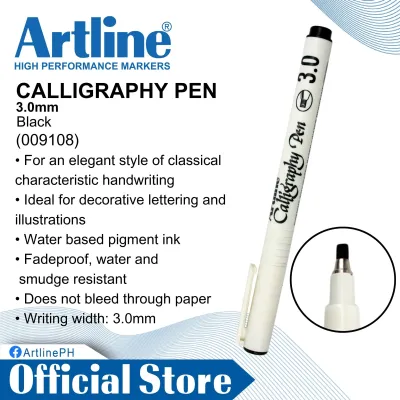
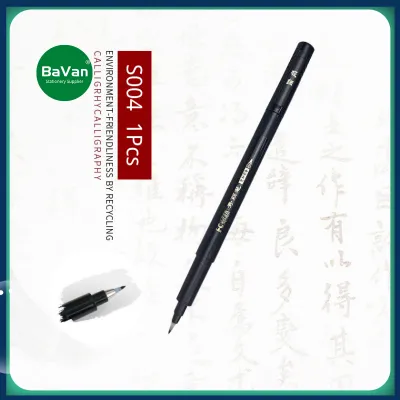
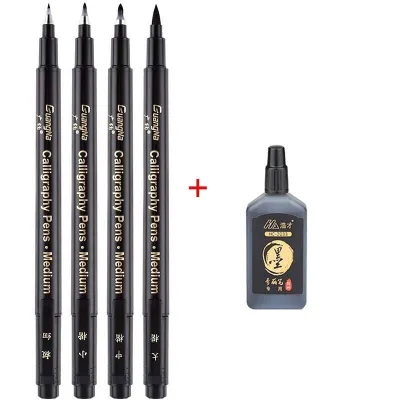
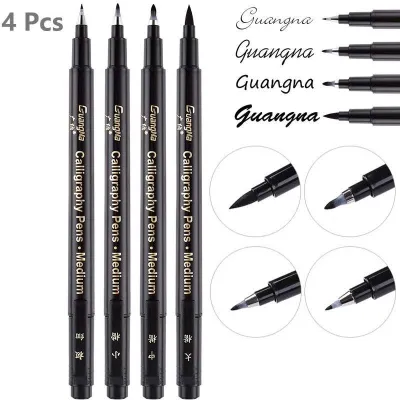
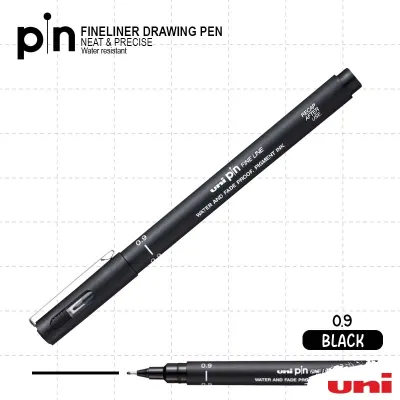
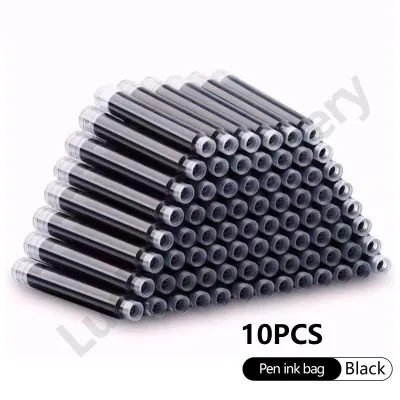
Prices are valid at publication and may change. Please refer to the product page for the latest price.
Beyond hand movement, you must also consider the time you are willing to invest in preparation and cleanup. Some systems require you to prepare new metal nibs by removing protective oils, manually mixing inks, and thoroughly washing and drying components after every session to prevent rust. If you prefer a grab-and-go experience where you can practice for five minutes without any setup, a self-contained pen is far more practical than a system that requires active ink management.
Dip Pens: Best for Traditional Scripts and Precision
Dip pens are the gold standard for classic, high-precision calligraphy styles such as Copperplate, Spencerian, and traditional English roundhand. This system consists of a separate nib holder—either straight or oblique—and a removable metal nib. The oblique holder is particularly favored for pointed-pen scripts because its angled design allows right-handed writers to achieve the necessary slant without straining their wrists. Because the nib is dipped directly into an external inkwell, you have complete control over the type of medium you use, including thick metallic inks and opaque gouache.

However, this freedom comes with a high skill requirement and a demand for active ink management. You must learn how deep to dip the nib, how to shake off excess ink, and how to maintain a consistent pen angle so the ink flows smoothly onto the paper. A single heavy-handed stroke can dump an entire reservoir of ink onto your page, ruining hours of work.
Additionally, dip pens require a dedicated, stable workspace. You will need a flat surface to set up your inkwells, water jars for rinsing, and lint-free cloths for wiping the nib dry. In humid tropical environments, metal nibs are highly susceptible to rust if left damp, meaning you must dry them meticulously and store them in airtight containers with silica gel packets to prolong their lifespan.
Brush Pens: Best for Modern Lettering and Portability
Brush pens feature a flexible, tapered tip made of either felt, rubber, or individual synthetic bristles that mimics a traditional paintbrush. This design makes them the ideal tool for modern brush calligraphy, hand lettering, and creative bullet journaling. Because the ink is housed in a self-contained reservoir or cartridge inside the pen body, you can take a brush pen anywhere and practice on the go without worrying about spilling inkwells.
The learning curve for a brush pen is moderate. While you still need to master pressure control to achieve the characteristic thick downstrokes and thin upstrokes, you do not have to worry about ink flow mechanics or scratching the paper. Felt-tip brush pens with firmer tips are generally easier for beginners to control, whereas soft, bristle-type tips offer greater line variation but require highly disciplined hand movements.
The convenience of brush pens is unmatched, as they require virtually zero setup or cleanup. You simply cap the pen when you are finished. However, because the tips are made of flexible fibers, they are prone to fraying over time, especially when used on rough paper. To get the most out of your brush pens, you must pair them with ultra-smooth papers and store them horizontally to keep the ink evenly distributed.
Fountain Pens: Best for Everyday Practice and Consistent Flow
Fountain pens designed for calligraphy typically feature specialized nibs, such as italic, stub, or broad-edge nibs, which have flat, squared-off tips rather than rounded points. These pens are excellent for structured, historical scripts like Gothic, Uncial, and Italic, as well as casual cursive writing. Unlike pointed pens, a broad-edge fountain pen creates line variation naturally based on the angle of the pen relative to the baseline, requiring very little physical pressure from your hand.
This makes fountain pens highly accessible for beginners who want to focus on letterforms rather than pressure control. The internal ink delivery system—utilizing either disposable cartridges or a refillable converter—ensures a continuous, controlled flow of ink to the paper. This reliable flow allows you to write page after page of practice drills without interruption, making it a highly efficient tool for daily handwriting improvement.
Maintenance for a calligraphy fountain pen is straightforward but essential. Because fountain pen ink is dye-based and water-soluble to prevent clogging the internal feed, you must flush the pen with clean water every few weeks or whenever you change ink colors. You must also avoid using thick calligraphy inks, pigmented drawing inks, or India inks in a fountain pen, as these will permanently clog the delicate feed mechanism.
Evaluate Paper, Ink, and Maintenance Requirements
Your choice of calligraphy pen dictates the specific paper and ink you must use, and failing to match these materials will lead to frustrating results. Standard printer paper is highly absorbent and will cause fountain pen inks and liquid calligraphy inks to feather, bleed, and show through to the other side. For successful practice, look for smooth, high-density paper with a specialized coating, such as marker paper, layout paper, or high-grade notebook paper. In humid conditions, paper can absorb moisture from the air, making it even more prone to bleeding; keeping your paper stored in a dry drawer or sealed folder is a simple way to maintain its performance.
Ink compatibility is another critical factor. Dip pens are incredibly versatile, allowing you to use highly pigmented acrylic inks, iron gall inks, and metallic pigments that would ruin other pens. Fountain pens, on the other hand, require thin, non-clogging, dye-based inks specifically formulated for fountain pens. Brush pens are usually pre-filled with water-based dye inks, though some professional models use pigmented, water-resistant inks that require careful capping to prevent the tip from drying out.
Finally, establish a cleaning routine that matches your tool. Dip pen nibs should be wiped clean with a damp cloth every few minutes during use to prevent dried ink buildup, and washed thoroughly with warm water and soap when finished. Fountain pens should be stored capped, nib-up or horizontally, and flushed regularly. Brush pens require the least maintenance, but keeping them capped tightly and stored horizontally will prevent the tips from drying out or flooding.
Your Final Calligraphy Pen Decision Checklist
To help you make your final decision, consider this quick diagnostic framework based on your primary goals and workspace constraints:
- Choose a Dip Pen if: You want to learn traditional Copperplate or Spencerian script, have a dedicated desk space, and do not mind a meticulous cleaning routine.
- Choose a Brush Pen if: You want to create modern, colorful lettering, value portability, and want to start practicing immediately with zero setup.
- Choose a Fountain Pen if: You want to improve your everyday handwriting, practice Gothic or Italic scripts, and prefer a continuous, low-pressure writing experience.
Budget is another practical factor to weigh. A basic dip pen setup—consisting of a holder, a few nibs, and a bottle of ink—is highly affordable, often starting around ₱150 to ₱300, though ongoing costs include replacing worn-out or rusted nibs. Starter brush pens are also very economical, ranging from ₱80 to ₱250 per pen, but they must be replaced entirely once the tip frays or the ink runs out. An entry-level calligraphy fountain pen may require a slightly higher initial investment of ₱300 to ₱800, but it offers excellent long-term value since you only need to purchase inexpensive ink refills or bottled ink. You can find reliable starter options for all three styles at local stationery specialty shops or official brand stores on major online marketplaces.
Frequently Asked Questions (FAQ)
Can I use a regular fountain pen for calligraphy?
A standard fountain pen with a medium or fine round nib will not produce the line variation required for traditional calligraphy because it writes with a uniform line width. To achieve calligraphy styles, you need to swap the standard nib for an italic, stub, or flex nib. Stub and italic nibs have flat tips that naturally create thick downstrokes and thin horizontal strokes, while flex nibs have flexible tines that spread apart under pressure to create pointed-pen scripts.
Which calligraphy pen is the most cost-effective for beginners?
For absolute beginners, a firm-tipped brush pen is often the most cost-effective option because it requires no additional accessories like ink bottles, specialized cleaners, or expensive paper to get started. If you prefer traditional scripts, a basic straight dip pen holder with a pack of two or three pointed nibs and a small bottle of drawing ink offers an incredibly low-cost entry point, provided you dry the nibs carefully to prevent rust.
Do I need special paper for all types of calligraphy pens?
Yes, high-quality paper is essential for almost all calligraphy pens, though the requirements vary. Dip pens and fountain pens release a large volume of liquid ink, which will feather and bleed on standard copy paper. Brush pens are slightly more forgiving with ink bleeding, but rough copy paper will quickly fray the delicate felt or synthetic fibers of the brush tip. Investing in smooth, bleed-resistant paper will save your pens and make your practice sessions much more enjoyable.

Community discussion
Share your experience or ask a question. Comments are reviewed before publication.