
Assembling a practical DIY art tool set for school art classes requires balancing everyday essentials with specialized tools dictated by the curriculum. A complete kit should feature reliable dry media, safe assembly tools, and adaptable coloring mediums, all housed in a durable container that protects supplies from tropical humidity. By focusing on versatile, student-grade items, you can prepare your student for any creative project without overbuying.
Assess Your Student's Actual Art Class Requirements
Before purchasing any new art supplies, obtain the official syllabus or supply list provided by the school. Teachers often specify exact dimensions, paper weights, or medium formats to ensure all students can follow the lessons uniformly. Checking these details early prevents buying incompatible items, such as the wrong size sketchbook or oil pastels when soft pastels are required.
Next, conduct an audit of the art supplies you already have at home. Gather leftover colored pencils, rulers, and scissors from previous school years to test their functionality. Check if pencils can be sharpened without the lead breaking, and verify that scissors still cut cleanly through standard paper. Reusing functional items reduces waste and lowers your back-to-school expenses.
Products mentioned in this guide
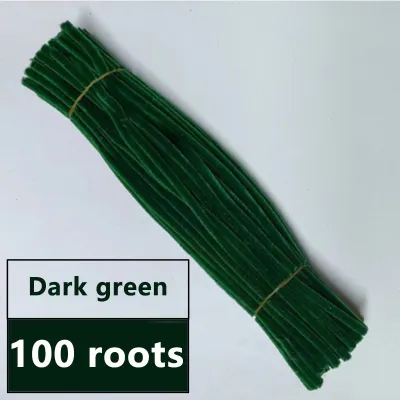
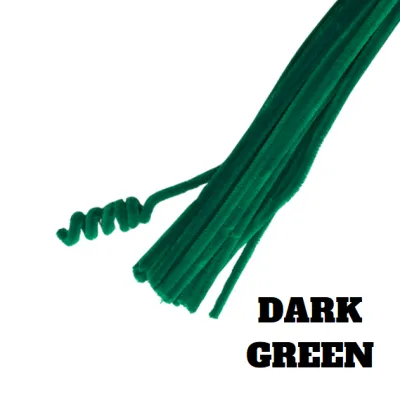
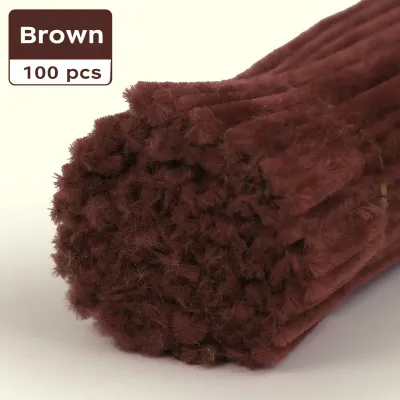
Prices are valid at publication and may change. Please refer to the product page for the latest price.
It is also essential to match the complexity and safety features of the tools to your student’s grade level. Younger students require blunt-tip safety scissors and washable, non-toxic glue sticks that fit comfortably in smaller hands. Older students may transition to precision utility knives, metal rulers, and specialized adhesives, which require advanced fine motor skills and safety awareness.
The Core DIY Art Supplies Every Student Needs
A reliable dry media selection forms the foundation of any school art kit. Include a few graphite pencils of varying hardness, such as an HB pencil for general sketching and a 2B or 4B pencil for softer shading. Pair these with a high-quality vinyl eraser for clean corrections, a kneaded eraser for lifting graphite highlights, and a manual pencil sharpener that features a secure shaving collector to prevent classroom spills.

When selecting an eraser, test its performance on a scrap piece of your student’s specific sketchbook paper. A high-quality vinyl eraser should lift graphite cleanly without tearing the paper fibers or leaving dark smudges behind. For delicate sketching, a kneaded eraser can be gently pressed onto the paper to absorb excess graphite, allowing your student to adjust shading levels without altering the paper’s texture.
For standard coloring tasks, select student-grade colored pencils and basic wax crayons. When choosing colored pencils, look for break-resistant cores that can withstand the pressure of enthusiastic drawing. In warm, tropical climates like the Philippines, wax crayons can soften or stick together if left in a hot backpack, so store them in a cool place and choose brands known for structural stability under local temperature variations.
Assembly essentials are critical for collage and paper-crafting projects. Equip the kit with a pair of blunt-tip safety scissors that feature ergonomic handles designed for comfortable, prolonged use. Add a couple of non-toxic, washable glue sticks, which are ideal for bonding paper and light cardstock without causing the wrinkling often associated with liquid school glues.
Project-Specific Additions Based on the Syllabus
When the syllabus introduces wet media modules, you will need to expand the kit with appropriate painting supplies. Opt for a solid watercolor pan set rather than liquid tubes, as pans are easier to transport and less prone to messy leaks in a school bag. Pair the paints with synthetic-bristle brushes, which maintain their shape well over time, and a lightweight plastic mixing palette. Always verify the required paper weight; standard drawing paper will buckle under wet washes, so look for dedicated watercolor paper of at least 200 GSM.
Before purchasing watercolor paper, check if the syllabus specifies cold-press or hot-press textures. Cold-press paper has a textured surface that holds water and pigment beautifully, making it ideal for expressive washes, while hot-press paper is smooth and better suited for detailed line work combined with light washes. Testing how the synthetic brushes hold water on a small scrap sheet helps your student understand the drying speed and flow of their paints before starting their graded classroom assignments.
For advanced paper crafting and mixed-media assignments, older students may require tools that offer greater precision. A sturdy metal ruler with a non-slip backing is excellent for guiding straight cuts and measuring layouts. Combine this with a small, self-healing cutting mat to protect classroom desks from scratches when using craft knives. If the projects involve heavier materials like cardboard or wood, check the syllabus for recommended specialized adhesives and ensure the workspace is well-ventilated during use.
If the curriculum includes three-dimensional design or sculpting, prepare for clay-modeling projects. Air-dry clay is a popular choice for school classrooms because it does not require kiln firing. Keep in mind that high humidity can slow down the drying speed of air-dry clay, so allow extra time for sculptures to cure completely. Include a basic set of plastic or wooden modeling tools to help your student shape, texture, and detail their clay creations.
Organizing and Maintaining the DIY Art Kit
To ensure the art set remains portable and organized throughout the school year, select a sturdy, compartmentalized storage box or a multi-zippered pencil case. A hard plastic container offers excellent protection against physical damage and helps seal out moisture, which is vital for keeping sketchbooks dry and preventing paper from warping in humid weather. Choose a size that fits comfortably inside your student’s backpack alongside their regular textbooks.
Establishing a post-project cleaning routine is essential for extending the lifespan of reusable tools. Teach your student to rinse paintbrushes thoroughly in cool water, reshape the bristles with their fingers, and dry them flat or brush-side up to prevent water from weakening the glue in the metal ferrule. Palettes should be wiped clean of wet paint immediately after class, and glue stick caps must be snapped on tightly to prevent the adhesive from drying out.
Finally, maintain a simple home inventory checklist to monitor the depletion of consumables. Check the status of glue sticks, drawing paper, and pencil lengths every few weeks or before the start of a new school term. This proactive approach ensures your student never runs out of essential materials mid-project and allows you to restock items gradually rather than rushing to buy replacements at the last minute.
Frequently Asked Questions (FAQ)
Can I use regular household scissors instead of art-specific ones?
Regular household scissors are generally unsuitable for school art kits because they lack the safety and design features required for classroom environments. Household scissors often have long, pointed blades that pose a safety risk in a crowded classroom, and their heavy handles can cause hand fatigue during detailed crafting. School-grade art scissors feature blunt tips, smaller ergonomic loops designed for student hands, and blades optimized for cutting paper, cardstock, and light fabric cleanly.
How often should I replace the consumables in the DIY art set?
Consumables should be replaced based on visual signs of wear and depletion rather than a strict calendar schedule. Monitor high-use items like glue sticks, which can dry out or run out quickly, and drawing paper, which may be consumed rapidly during intensive design modules. Check the kit at the end of each school term to sharpen worn pencils, replace dried-out markers or glues, and replenish paper stocks so your student is prepared for the upcoming curriculum.
Are expensive professional-grade art supplies necessary for school projects?
Professional-grade art supplies are rarely necessary for standard school art classes and can be an impractical investment for beginners. Student-grade materials are specifically formulated to offer a balance of decent performance, durability, and affordability, making them ideal for learning basic techniques. Consider upgrading to artist-grade tools only if your student shows a sustained interest in a specific medium, or if they are enrolled in advanced, specialized art programs where high pigment loads and archival qualities are required.
Community discussion
Share your experience or ask a question. Comments are reviewed before publication.