
Finding the right DIY craft kit with big marbles in the Philippines means looking for a package that balances comprehensive materials, clear instructions, and manageable project scopes. For beginners, sourcing heavy glass marbles, specialized adhesives, and structural bases separately can be a frustrating and expensive process. A well-designed beginner kit solves this by bundling all necessary components into a single package, allowing you to start crafting immediately without making multiple trips to local stationery shops.
Whether you are interested in building dynamic gravity tracks, creating textured mosaic art, or exploring fluid painting techniques, selecting a kit tailored to your skill level ensures a rewarding and stress-free introduction to this tactile hobby. By focusing on complete sets with clear visual guides, you can avoid the common pitfalls of mismatched materials and enjoy a successful first project.
How to Identify a Truly Beginner-Friendly Marble Kit
A truly beginner-friendly marble craft kit must be entirely self-contained. When unboxing the kit, you should not have to search your home for essential tools like specialized adhesives, applicator brushes, or custom-sized templates. A complete kit includes the exact quantity of big marbles required, along with a few spares to account for accidental loss or damage during the crafting process.
Products mentioned in this guide
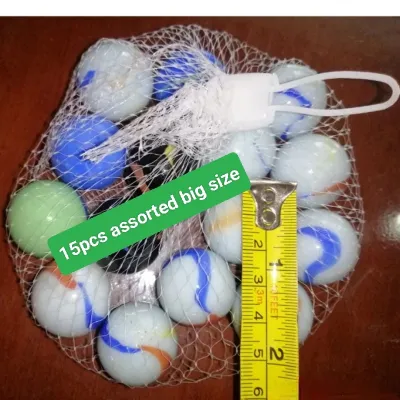

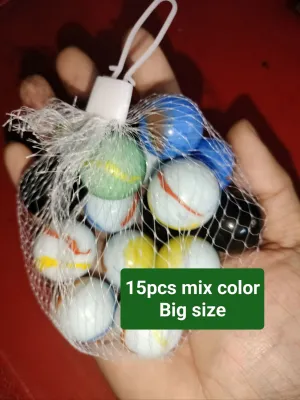
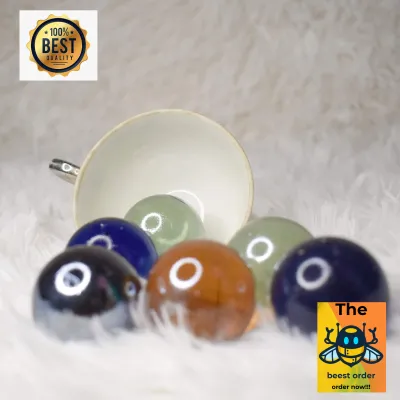

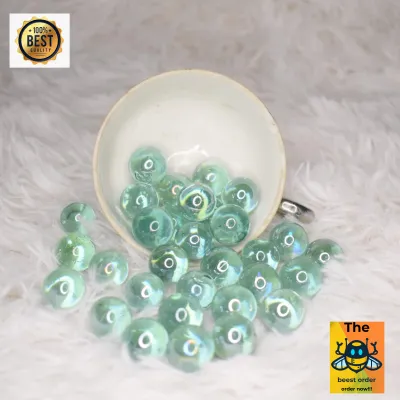
Prices are valid at publication and may change. Please refer to the product page for the latest price.
Clear, step-by-step instructions are another hallmark of a high-quality beginner kit. Look for guides that rely heavily on high-resolution visual diagrams, color-coded steps, or links to video tutorials rather than dense blocks of text. Visual aids are particularly helpful when assembling complex three-dimensional structures or planning intricate mosaic patterns, as they allow you to verify your progress at each stage of construction.
The physical specifications of the marbles themselves play a significant role in ease of use. Beginner kits should feature big marbles, typically ranging from 25 millimeters to 35 millimeters in diameter. These larger spheres are much easier to grip, position, and manipulate than standard toy marbles, making them ideal for individuals developing their fine motor skills or those who find small components tedious to handle.
Finally, the included adhesives and structural materials must be forgiving. Fast-drying superglues or complex two-part resins can be incredibly challenging for beginners because they leave no room for error. Opt for kits that feature slower-curing craft glues, tacky glues, or moldable clays that remain pliable for at least fifteen to thirty minutes. This extended working window allows you to adjust the placement of your big marbles, correct alignment mistakes, and refine your design before the materials set permanently.
Popular Big Marble Craft Projects for Beginners
Different marble crafts utilize the unique physical properties of big marbles—such as their substantial weight, smooth glass surface, and perfect spherical shape—in distinct ways. Matching a project type to your personal patience level, workspace availability, and spatial skills is the best way to ensure a successful and enjoyable crafting experience.

Marble Runs and Gravity Tracks
Building marble runs and gravity tracks is an excellent way to explore basic structural engineering and physics. Because big marbles are significantly heavier than standard toy marbles, these kits require robust structural stability. The tracks, supports, and baseplates must be made of durable, thick plastics or interlocking wooden panels that can withstand the kinetic impact and weight of rolling glass spheres without collapsing or shifting.
When evaluating a track kit, pay close attention to the modular pieces and connectors. High-quality beginner kits utilize simple snap-fit joints, magnetic connectors, or peg-and-hole systems that do not require glue or specialized tools to assemble. These modular designs allow you to experiment with different track layouts, adjusting the slope and curves to keep the heavy marbles moving smoothly from start to finish.
Assembling these tracks naturally exercises spatial reasoning. You will need to plan how the marble transitions from a high starting point down through various drops, funnels, and spirals. For beginners, kits that offer pre-designed layouts alongside open-ended building options provide the perfect balance of guided success and creative freedom.
Marble Mosaics and Embedded Art
Marble mosaics and embedded art projects focus on the decorative and reflective qualities of big marbles. In these crafts, the marbles are pressed into a soft base, such as air-dry clay, plaster, or thick grout, or secured onto a flat backing using specialized adhesives. The primary challenge for beginners is managing the weight of the glass spheres, which tend to slide or sink if the base material is too thin or wet.
Adhesive compatibility is critical for these projects. Glass is a non-porous material, meaning standard school glues or water-based paper glues will not create a permanent bond. Beginner kits should include heavy-duty craft adhesives, silicone-based glues, or thick double-sided adhesive sheets designed specifically to bind glass to wood, plastic, or cardboard backings.
Planning your design before applying any adhesive is essential for a clean finish. Many beginner kits provide printed templates or recessed grids that guide the placement of each marble. This structural guidance helps you maintain uniform spacing and prevents the heavy marbles from crowding each other or shifting out of alignment while the adhesive cures.
Marble Painting and Fluid Art
Marble painting is a highly dynamic, abstract art form that uses big marbles as rolling paint applicators. Instead of using brushes, you place a sheet of heavy cardstock or canvas inside a shallow tray, add drops of acrylic paint, and roll the heavy marbles across the surface. The weight of the big marbles forces the paint to spread in unpredictable, intersecting lines, creating beautiful fluid patterns.
The viscosity of the paint included in the kit is crucial for this technique. If the paint is too thick, the marbles will get stuck or slide instead of rolling; if it is too thin, the colors will bleed together into a muddy brown or gray. Beginner kits are formulated with medium-viscosity acrylic paints that cling slightly to the glass surface, ensuring clean, crisp tracks as the marbles roll.
To prevent messy spills and lost marbles, these kits must include a sturdy containment tray with high, vertical walls. A deep tray ensures that the heavy glass spheres remain safely inside the workspace, even during vigorous shaking or tilting. Cleanup is generally straightforward, requiring only a quick wash of the non-porous glass marbles and plastic tray under warm running water before the paint dries.
What to Check Before Buying a Marble Craft Kit
Before purchasing a marble craft kit, it is vital to verify the exact specifications of the components listed on the packaging. Do not rely solely on cover illustrations, which can sometimes exaggerate the size or quantity of the materials. Check the product description for the precise diameter of the marbles—ideally labeled in millimeters—and ensure the kit specifies that the spheres are made of solid glass or high-density acrylic rather than lightweight, hollow plastic.
Confirm that all specialized tools and consumables are included in the box. Some kits may require you to supply your own scissors, mixing cups, or protective gloves, while others might lack the necessary sealants or topcoats needed to protect your finished project. Reading the “materials required but not included” section on the box or product listing prevents unexpected interruptions once you sit down to start crafting.
Review the manufacturer’s age and skill recommendations carefully. Kits designed for older children or adults often feature more complex assembly steps, stronger chemical adhesives, or sharper tools that may not be suitable for absolute beginners. Conversely, kits labeled for very young children might lack the structural complexity or aesthetic appeal that an adult crafter desires.
Finally, compare prices in Philippine Pesos (₱) to evaluate the overall value of the bundle. A kit priced at ₱500 that includes twenty high-quality big glass marbles, a sturdy wooden base, and specialized non-toxic glue offers far better value than a ₱300 kit that only provides plastic spheres and requires you to purchase adhesive separately. Factor in the cost of replacement parts and the reusability of the tools when making your decision.
Where to Find Marble Craft Kits in the Philippines
Sourcing complete marble craft kits in the Philippines requires a mix of online searching and local shopping. Online marketplaces and ecommerce platforms offer the widest selection of imported and specialty craft kits. When shopping online, always check the seller’s ratings, read customer reviews, and look for uploaded photos of the actual product to verify that the kit matches the description and arrives fully intact.
For those who prefer a hands-on inspection, visiting local craft stores and major stationery shops in urban centers is highly recommended. Shopping in person allows you to feel the weight of the box, inspect the packaging for damage, and sometimes view completed display models. This physical check ensures that you do not purchase a kit with cracked glass marbles or dried-out adhesive bottles.
Keep shipping constraints in mind when ordering online. Because glass marbles are dense and heavy, kits containing dozens of big marbles can significantly increase the weight of your parcel. This added weight often translates to higher shipping fees, especially if the items are being delivered to provincial areas outside Metro Manila. Always calculate the total cost, including shipping, before finalizing your purchase.
Additionally, verify the seller’s return and refund policies regarding fragile items. Glass components can occasionally chip or shatter during transit due to rough handling. Choosing a seller or platform that offers straightforward return policies or guarantees quick replacements for damaged parts protects your investment and ensures you receive a complete, safe kit.
Setup and Safety Tips for Your First Marble Project
Setting up a dedicated, organized workspace is the key to a successful crafting session. Because big marbles are heavy and perfectly spherical, they will easily roll off flat tables and shatter on hard tile floors or injure unprotected feet. Always work on a large tray, a rimmed baking sheet, or a silicone craft mat with raised edges to keep your marbles contained in one secure area.
Proper ventilation is essential when working with craft glues, sealants, or acrylic paints. Many adhesives release strong fumes as they cure, which can cause headaches or dizziness in enclosed spaces. Set up your crafting station in a well-ventilated room with open windows, or use an electric fan to maintain a steady flow of fresh air across your workspace.
Organize your small parts before you begin. Use small plastic cups, ramekins, or egg cartons to sort your big marbles by color, size, or design. Keeping your materials organized prevents them from rolling around, rolling off the table, or getting lost under instruction manuals and packaging materials.
Once your project is complete, store any leftover marbles and unused materials in a sturdy, labeled container. Keep glass marbles in a cool, dry place out of direct sunlight, as prolonged exposure to extreme heat can cause certain adhesives or painted finishes on the marbles to degrade. Ensure the storage container is kept out of reach of very young children and pets to prevent choking hazards or accidental drops.
Frequently Asked Questions (FAQ)
Can I substitute the kit's marbles with my own big glass marbles?
Yes, you can substitute the kit’s marbles, but you must first verify that your personal marbles match the exact diameter and weight of the original components. In track-building kits, even a two-millimeter difference can cause the marbles to get stuck in funnels or fly off curves. For mosaic and painting crafts, ensure your replacement marbles are clean, free of cracks, and compatible with the kit’s adhesives or paint types.
How do I clean dried paint off big marbles?
To clean dried water-based acrylic paint off big glass marbles, soak them in a bowl of warm, soapy water for ten to fifteen minutes. Once the paint softens, gently scrub the surface with a non-scratch sponge or an old toothbrush. Avoid using harsh chemical solvents like acetone or paint thinner, as these can strip away iridescent coatings, printed designs, or polished finishes on the glass.
Are plastic big marbles better than glass for beginner kits?
Plastic marbles are lighter and less fragile, making them safer for very young beginners or highly active environments. However, glass marbles are generally superior for most craft kits due to their heavier weight, which provides better momentum on gravity tracks and a more satisfying tactile feel. Glass also offers superior scratch resistance, clarity, and aesthetic appeal for decorative display pieces like mosaics and embedded art.
Community discussion
Share your experience or ask a question. Comments are reviewed before publication.