
A clipboard folder—often referred to as a folder clipboard or portfolio clipboard—combines the rigid writing surface of a traditional clipboard with the protective cover of a standard folder. Deciding whether you actually need one depends on how often you write while standing, how frequently you transport active documents through humid or unpredictable environments, and whether you need to shield sensitive papers from prying eyes. Rather than buying a generic organizer that might end up cluttering your workspace, understanding your specific daily workflow will help you choose a tool that keeps your documents secure, flat, and easily accessible.
Signs You Actually Need a Clipboard Folder
To determine if a clipboard folder is a necessary addition to your daily routine, start by evaluating your physical writing environment. If you frequently find yourself filling out forms, taking notes, or signing contracts while standing in hallways, visiting job sites, or commuting, a standard paper folder will not suffice. You need a rigid, stable surface that mimics a desk, allowing you to write legibly without having to lean against walls or balance papers on your lap.
Next, consider the level of protection your active documents require throughout the day. In tropical climates where sudden downpours, high humidity, and sweat can easily ruin standard paper, an open clipboard leaves your documents vulnerable to moisture, smudges, and physical tearing. A clipboard folder provides a protective cover flap that shields your papers from environmental elements, keeping them dry and pristine during transit between air-conditioned offices and humid outdoor spaces.
Products mentioned in this guide
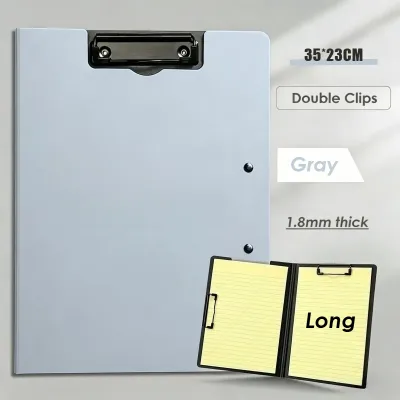
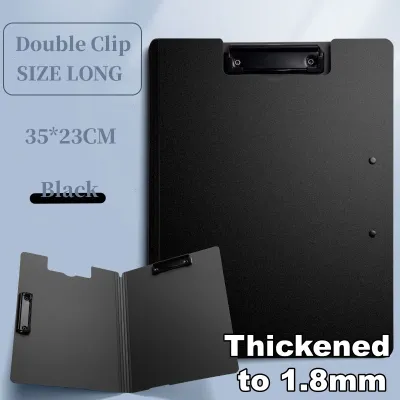
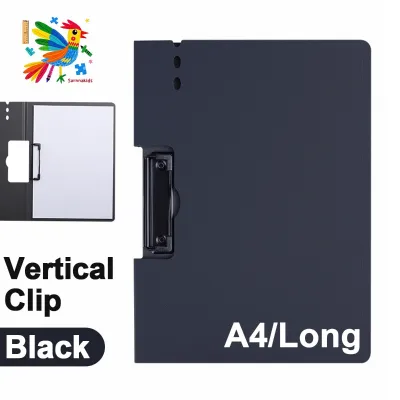
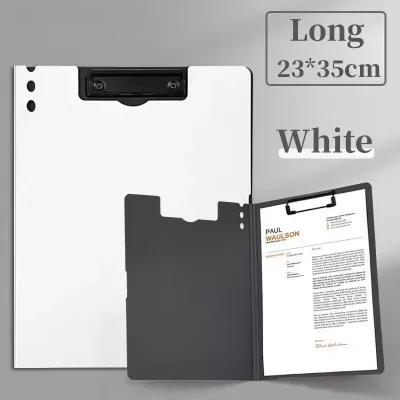
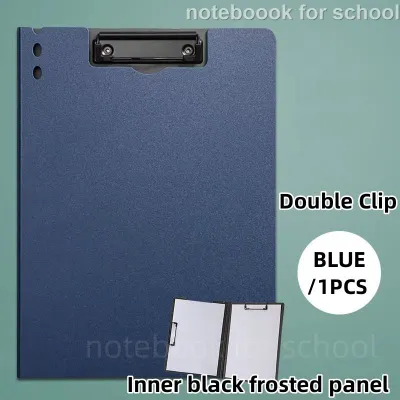
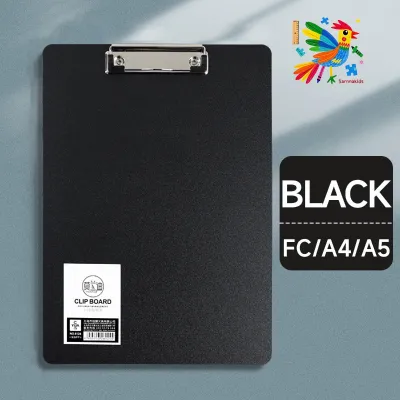
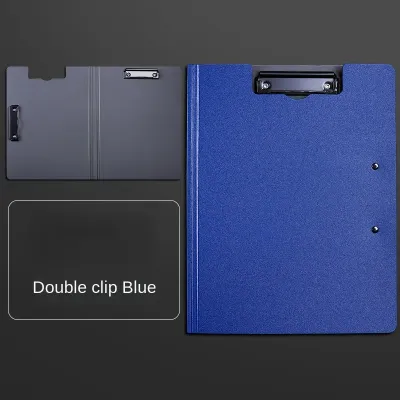

Prices are valid at publication and may change. Please refer to the product page for the latest price.
Another key indicator is the need for privacy and organization of active, high-priority papers. Unlike a simple storage sleeve or a standard clipboard where the top document is always visible to anyone nearby, a clipboard folder conceals your papers when closed. This is particularly useful for professionals handling sensitive client information, medical forms, or proprietary project plans in public or shared spaces.
Finally, assess how you manage your daily paperwork flow. If you need to keep a small stack of active documents flat and organized without punching holes in them or folding them into a pocket, a clipboard folder offers the ideal middle ground. It keeps your current page secured under the clip while storing supporting documents, blank forms, or business cards in the inner pockets, preventing them from getting crumpled at the bottom of your bag.
Matching the Clip Mechanism to Your Daily Tasks
The clip mechanism is the functional heart of any clipboard folder, and choosing the right style directly impacts how easily you can load, access, and store your documents. Standard spring clips, also known as high-capacity clips, feature a raised metal bar with a spring-loaded lever. These are excellent for holding thick stacks of paper or heavier cardstock, making them ideal for stationary desk use or heavy-duty tasks where you do not need to slide the folder into a tight bag frequently.

For those who prioritize portability and sleek organization, a low-profile clip is often the more practical choice. These clips lie almost flat against the board, utilizing a small, spring-tensioned wire mechanism or a flat metal tab to secure the paper. Because they lack the bulky raised lever of standard clips, low-profile folders slide smoothly into backpacks, briefcases, or messenger bags without snagging on other items or adding unnecessary bulk to your carry.
If your work involves handling large-format documents, blueprints, or working in windy outdoor conditions, a dual-clip or multi-corner clip system is highly beneficial. These systems feature clips at multiple points along the edge of the board to prevent pages from flapping, shifting, or tearing when exposed to drafts or sudden gusts of wind. This setup ensures that your reference sheets remain perfectly aligned and readable even in challenging environments.
When selecting a clip mechanism, it is also important to verify the tension and grip material. Look for clips that feature rubberized or plastic-coated grips on the clamping edge. These protective tips prevent the metal from digging too deeply into your paper, reducing the risk of leaving unsightly indentations or tearing delicate sheets when you release the tension to swap pages.
Choosing the Right Material and Size for Your Environment
Selecting the appropriate material for your clipboard folder is crucial for ensuring durability and performance in your specific working conditions. Hardboard or MDF (medium-density fiberboard) is a classic, cost-effective option that provides an exceptionally rigid writing surface. However, because untreated wood fibers absorb moisture, hardboard folders can warp, swell, or delaminate when exposed to high humidity or accidental spills, making them better suited for dry, indoor office environments.
For outdoor use, industrial settings, or humid tropical climates, polypropylene plastic is a highly resilient and lightweight alternative. Polypropylene folders are completely waterproof, easy to wipe clean, and flexible enough to resist cracking when dropped. They provide a reliable barrier against sweat, rain, and spills, ensuring that both the folder and the documents inside remain undamaged during field inspections or outdoor events.
Aluminum clipboard folders offer the highest level of durability and impact resistance, making them the preferred choice for demanding environments like construction sites, warehouses, or clinical settings. Aluminum is lightweight yet incredibly rigid, and it can withstand heavy daily wear without cracking or bending. Additionally, metal surfaces are non-porous and easy to sanitize with standard disinfectants, which is a critical requirement for medical and laboratory workflows.
Beyond material, you must match the folder’s physical dimensions to the standard paper sizes you use daily, such as Letter, A4, or Legal. Ensure that the folder’s outer edges extend at least a few millimeters beyond the paper dimensions to prevent the edges of your documents from overhanging and getting frayed. If you frequently carry accessories, look for enclosed designs that feature built-in pen loops, business card slots, or zippered compartments to keep all your essential writing tools securely in one place.
When to Skip the Clipboard Folder and Use Alternatives
While clipboard folders are highly versatile, they are not always the most efficient solution for every document organization challenge. If your primary need is simply a temporary, rigid writing surface for quick notes and you do not need to protect or conceal your papers, a standard, coverless clipboard is lighter, less bulky, and more economical. It allows for instant, single-handed access to your writing sheet without the need to open a cover flap first.
For high-volume document storage, archiving, or organizing papers by category, a clipboard folder is quickly overwhelmed. Its clip is designed for active, low-volume use, and overloading it can damage the spring mechanism or crumple your papers. In these scenarios, you are better off opting for expanding file folders, document wallets, or multi-ring binders, which are specifically engineered to hold hundreds of pages securely while keeping them categorized.
If your workflow is transitioning toward a paperless environment, relying on a physical clipboard folder may actually hinder your productivity. A digital tablet paired with a responsive stylus offers a modern, highly efficient alternative for taking notes, filling out digital forms, and signing contracts. Digital documents can be backed up instantly to the cloud, searched for keywords, and shared with colleagues without the physical bulk, printing costs, or storage limitations of paper-based systems.
Frequently Asked Questions (FAQ)
Can I use a clipboard folder for long-term archival document storage?
Clipboard folders are generally not recommended for long-term archival storage of sensitive, historical, or delicate documents. Standard plastic or hardboard folders may contain acids, plasticizers, or lignins that can migrate into paper over time, causing yellowing, brittleness, or chemical degradation. Additionally, the continuous, concentrated pressure of a metal clip can leave permanent indentations, crease fibers, or cause paper to stick together under high humidity. For archival purposes, documents should be stored flat in certified acid-free, lignin-free folders or archival boxes without any metal clips or fasteners.
How do I safely clean and maintain the clip mechanism?
To maintain the smooth operation of your clipboard folder’s clip, regular, gentle cleaning is recommended. For plastic or aluminum folders, wipe the surfaces down with a soft microfiber cloth slightly dampened with water and a mild dish soap, taking care not to let water pool inside the spring mechanism. Avoid using harsh chemical solvents, abrasive scrubbing pads, or soaking the metal clip, as these can strip away protective anti-rust coatings and lead to corrosion or spring failure. If the metal clip is exposed to moisture, dry it immediately with a clean towel to prevent rust from forming and staining your documents.
Community discussion
Share your experience or ask a question. Comments are reviewed before publication.