
Deciding how to store and present your physical documents often comes down to a choice between permanent alteration and temporary preservation. If you find yourself hesitating before aligning a heavy-duty hole puncher over a freshly printed contract, a punchless folder might be the exact tool your workflow is missing. These specialized organizers secure your papers using pressure-based clamps, sliding bars, or spring clips, completely bypassing the need to puncture your sheets.
In tropical climates like the Philippines, where high humidity can soften paper fibers over time, traditional punched holes are highly susceptible to tearing under regular use. Punchless filing offers a practical alternative that keeps your documents intact, clean, and professional-looking without structural damage. Understanding your daily document handling habits will help you determine if this system is the right fit for your home or office.
Key Signs a Punchless Folder Is Right for You
The primary indicator that you need a punchless folder is a regular requirement to preserve original document integrity. Official agreements, land titles, academic certificates, and high-grade design prints lose their professional value, and sometimes their legal validity, if they are punctured. Using a pressure-based binding system ensures these critical sheets remain in pristine, unaltered condition.
Products mentioned in this guide
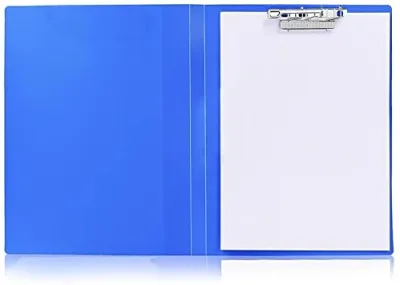
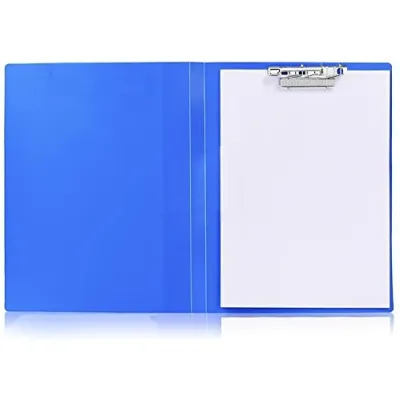
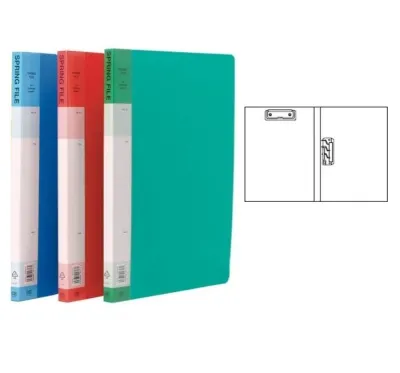
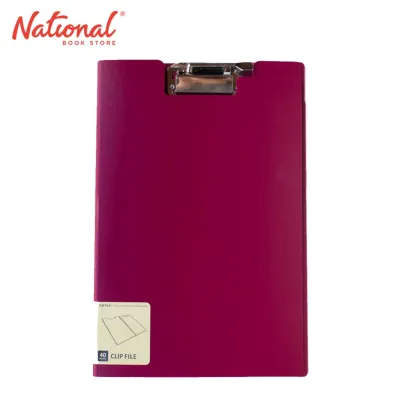
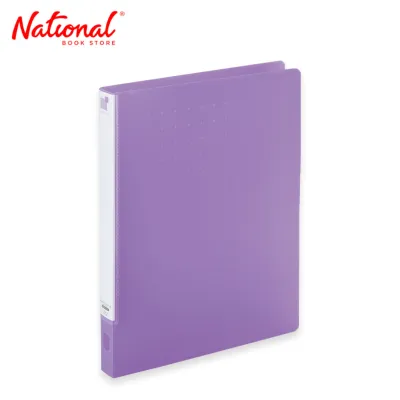
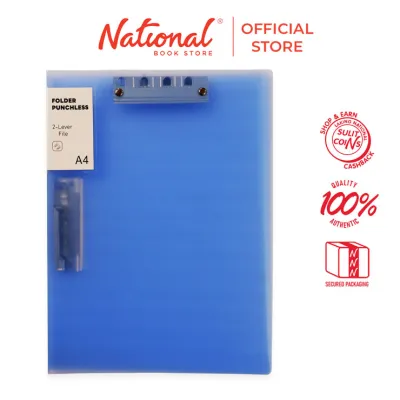
Prices are valid at publication and may change. Please refer to the product page for the latest price.
Another clear sign is a workflow that relies on frequent document rotation or temporary sharing. If you constantly update weekly project reports, swap out presentation slides, or pass drafts around a team for review, opening and closing traditional binder rings becomes tedious. Punchless folders allow you to slide pages in and out in seconds, streamlining collaborative tasks.
You should also consider a punchless system if you regularly handle odd-sized, pre-printed, or delicate papers. Standard hole punches are designed for uniform paper sizes like A4 or Letter, leaving little flexibility for smaller receipts, flyers, or imported stationery. A clamp-style folder grips whatever size you insert, aligning different formats neatly along a single edge without requiring manual alignment or trimming.
When Traditional Hole-Punched Folders Remain the Better Choice
While punchless folders offer excellent flexibility, they are not a universal replacement for traditional filing systems. High-capacity archiving is one area where standard ring binders remain superior. Because punchless folders rely entirely on friction and pressure to hold papers in place, they have strict physical limits and cannot securely support hundreds of pages at once.

Active, rapid page-turning is another scenario where traditional punched folders perform better. In environments where you must flip through pages quickly—such as during a live presentation, a training session, or a busy inventory check—traditional rings hold pages securely at fixed pivot points. Under rapid handling, clamped pages can shift or slip out if the pressure is unevenly distributed.
Finally, strict budget constraints often make standard punched folders the more practical choice for bulk storage. Basic paper folders, plastic clear books, or simple two-hole fasteners are highly economical when outfitting an entire school department or a large corporate archive. If your primary goal is long-term, low-cost storage where documents are rarely moved, standard punched options offer a lower cost per unit.
Comparing Filing Methods for Your Specific Workflow
To choose the right system, you must evaluate the specific capacity limits of your documents. Most slide-bar folders are designed for thin reports, holding between 10 and 30 sheets of standard paper. In contrast, heavy-duty spring-clamp folders can accommodate up to 100 sheets, but exceeding these limits compromises the grip and causes pages to fall out.
Portability and transit conditions also play a major role in your decision. If you frequently pack folders into a backpack or tote bag for a humid daily commute, a slide-bar folder might catch on other items, potentially releasing the papers inside. A spring-clamp folder with a rigid cover provides better protection against movement, keeping your documents aligned even when carried vertically.
Desk space and stackability are the final physical factors to compare. Traditional ring binders have wide, rigid spines that occupy significant shelf space even when holding only a few pages. Punchless folders have a highly flexible footprint, stacking flat on your desk and taking up only as much space as the paper inside, which is ideal for compact workspaces.
Next Steps: Choosing and Using Your Filing Solution
If you decide to stick with traditional folders but still want to protect your papers, Path A is your best option. You can optimize your current ring binders by using plastic sheet protectors. This method allows you to store unpunched documents securely while utilizing the high capacity of standard binders.
If you choose Path B and decide to purchase punchless folders, focus on verifying the clamp mechanism before checking out. When browsing local stationery stores or online marketplaces, look for metal spring clamps if you need a strong grip for thicker stacks. For lightweight reports, plastic slide bars are highly portable and easy to use. Always test the grip strength with a few sample sheets of your preferred paper weight, as smooth glossy paper may slip more easily than textured matte paper.
For the most efficient workflow, consider Path C: adopting a hybrid filing system. Keep your active, high-rotation documents in punchless folders on your desk for easy editing, sharing, and daily reference. Once a project is finalized and ready for permanent storage, transfer those documents to high-capacity ring binders or archival boxes to keep your workspace organized.
Frequently Asked Questions (FAQ)
Can punchless folders hold thick stacks of paper securely?
Punchless folders have physical capacity limits because they rely entirely on pressure and friction. While some heavy-duty spring-clamp models can hold up to 100 sheets of standard paper, slide-bar models are generally limited to 30 sheets or fewer. Always check the manufacturer’s specifications on the product label to ensure your document stack does not exceed the recommended limit, which could cause the papers to slip out.
Will the clamp or slide mechanism damage my documents over time?
Pressure-based binding mechanisms can leave minor indentations or creases along the binding edge of your paper, especially under high-tension metal clamps. If you are preserving highly valuable, irreplaceable documents, consider placing a protective slip sheet or a piece of cardstock at the front and back of your stack. This distributes the clamp’s pressure evenly and prevents direct marking on your original pages.
Community discussion
Share your experience or ask a question. Comments are reviewed before publication.