
Dog beads—delightful, canine-shaped craft components—are made from a variety of distinct materials, primarily including lightweight acrylic, reflective glass, durable metals, and highly customizable polymer clay. Choosing the right material depends on your specific crafting goal, whether you are designing delicate jewelry, assembling rugged keychains, or planning a weekend activity for children. Each material brings unique advantages in terms of weight, durability, aesthetic finish, and cost, requiring a careful balance between your design vision and practical wear-and-tear expectations.
By understanding how these materials behave under different environmental conditions, such as the high humidity and warm temperatures typical of tropical climates like the Philippines, you can ensure your handmade pieces remain beautiful and intact over time. Selecting the appropriate bead type involves analyzing the physical properties of each option, matching them to your stringing medium, and verifying safety standards for the end user.
Common Materials Used for Dog Beads
Before starting any jewelry or craft project, understanding the physical properties of your components is essential. Dog beads are available in four primary material categories: acrylic/resin, glass, metal, and polymer clay. These materials differ significantly in their weight, surface finish, opacity, and manufacturing methods, which directly affect how they behave during assembly and daily wear.
Products mentioned in this guide
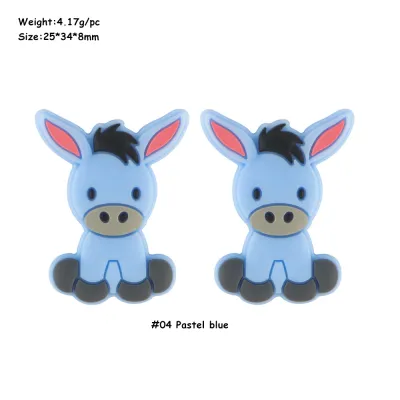

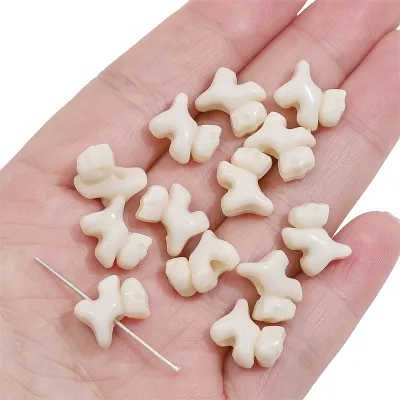
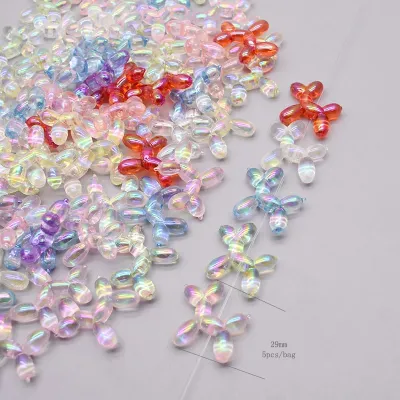
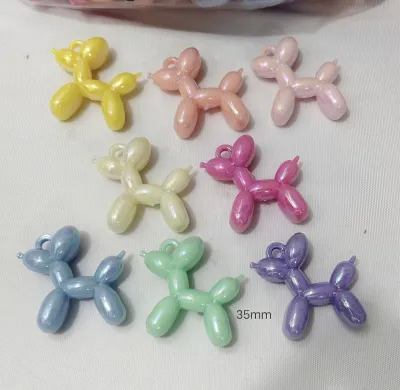
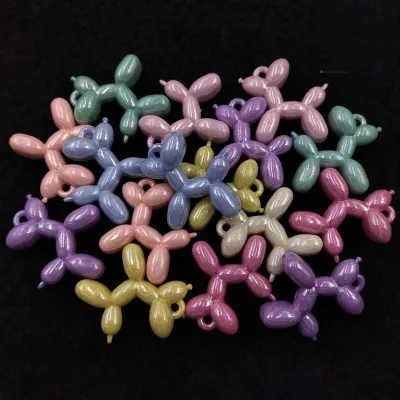
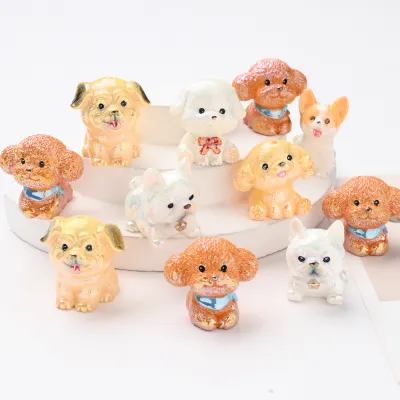
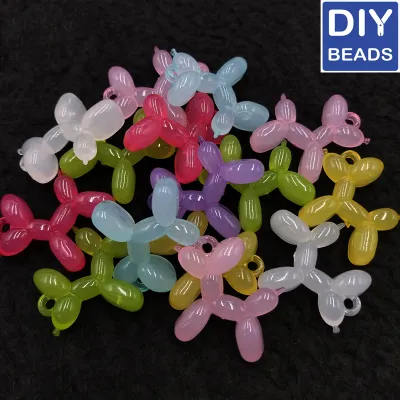
Prices are valid at publication and may change. Please refer to the product page for the latest price.
While mass-produced options like molded acrylic and metal alloys offer uniformity and structural consistency, handcrafted alternatives like polymer clay provide individual character and a matte, textured finish. It is important to note that specific performance claims—such as hypoallergenic properties, rust resistance, or child safety—cannot be assumed based on the material name alone. Always verify these characteristics by checking the manufacturer’s specifications, material safety data sheets, or product labels before purchasing.
Acrylic and Resin Beads
Acrylic and resin dog beads are highly popular due to their versatility, vibrant color options, and exceptionally lightweight feel. Typically manufactured using injection molding, these plastic-based beads offer highly uniform shapes, clear details, and smooth, snag-free edges that protect your stringing materials. They are available in a vast array of finishes, ranging from crystal-clear transparency and soft pastels to opaque neons and glitter-infused styles.
While acrylic is highly durable against drops and impacts, making it ideal for everyday accessories, it does have specific vulnerabilities. Prolonged exposure to ultraviolet (UV) light can cause certain resins to yellow, fade, or become brittle over time. If you plan to wear or display your acrylic creations outdoors, verifying whether the manufacturer uses UV-stabilized plastics is a prudent step to ensure long-term color preservation.
Glass Beads
Glass dog beads are favored for their elegant, high-end appearance, smooth surface finish, and excellent light-reflecting properties. These beads can be pressed, lampworked, or hand-blown, resulting in beautiful variations from translucent, glossy surfaces to frosted, satin textures. Because glass is naturally dense, these beads carry a satisfying weight that adds a premium feel to jewelry pieces, allowing them to drape gracefully on the skin.
However, the primary trade-off with glass is its inherent fragility. Glass dog beads can crack, chip, or completely shatter upon hard impact with tile floors or concrete. This vulnerability requires careful handling during the assembly process, gentle storage solutions, and a conscious decision to avoid using them in high-impact accessories like keychains or activewear jewelry.
Metal Beads
Metal dog beads introduce a classic, structured, and polished look to craft projects, ranging from bright silver and warm gold to rustic antique bronze finishes. These beads are generally categorized into solid metals, such as stainless steel or brass, and plated metal alloys, which feature a thin layer of decorative metal over a cheaper base core. Solid metals tend to be heavier and more durable, while plated alloys offer a more budget-friendly alternative for casual jewelry making.
In warm, humid climates like the Philippines, moisture and sweat can rapidly accelerate the tarnishing or rusting of low-quality metal alloys. It is highly recommended to look for corrosion-resistant materials like 304 or 316L surgical stainless steel, or to verify if a protective anti-tarnish coating has been applied. Additionally, if the finished piece will have prolonged contact with the skin, always verify that the base metal and plating are lead-free and nickel-free to prevent allergic reactions or skin discoloration.
Polymer Clay Beads
Polymer clay dog beads are celebrated for their charming, artisanal appeal, often featuring intricate, hand-sculpted details that mass-produced beads cannot replicate. These beads have a distinct matte or semi-gloss finish and exhibit slight variations in shape, size, and weight, highlighting their handcrafted nature. Because polymer clay is a synthetic modeling material, it can be blended into custom colors, swirled into marbled patterns, or detailed with tiny painted features.
A critical factor to keep in mind is that the durability and water resistance of polymer clay depend entirely on how the bead is cured and finished. Raw, baked polymer clay remains slightly porous and can absorb moisture or oils over time, which may weaken the structure. To protect the delicate details and ensure the bead can withstand occasional splashes, verify that a high-quality, non-toxic surface sealant or protective varnish has been applied by the maker.
How to Select the Best Material for Your Project
Selecting the ideal dog bead material requires matching the physical properties of the bead to the specific environment and physical demands of your finished project. A bead that performs beautifully on a delicate necklace might fail miserably on a heavy-duty keychain or a toddler’s play bracelet. By analyzing how the item will be used, you can select a material that maximizes both longevity and wearer comfort.

Rather than searching for a single superior material, frame your purchasing decisions around the specific conditions your craft will encounter. Consider factors such as weight distribution, exposure to sweat and water, impact risks, and user age. This structured approach ensures your completed designs are not only visually appealing but also highly functional and safe.
Jewelry and Wearables
When designing jewelry and wearables like bracelets, necklaces, or earrings, skin comfort and weight distribution are your primary considerations. Lightweight materials like acrylic and smooth, high-quality glass are excellent choices because they sit comfortably against the skin without causing fatigue. If you prefer a metallic aesthetic, prioritize skin-safe metals such as surgical stainless steel or sterling silver to minimize the risk of contact dermatitis during long hours of wear.
Avoid using heavy glass or solid metal beads on delicate, thin chains, as the constant downward pull can stretch or snap the metal links over time. For bracelets that will be exposed to daily sweat, lotion, or frequent handwashing, avoid unsealed polymer clay beads or cheap plated alloys. These materials can absorb moisture or tarnish rapidly, leaving green marks on the skin and ruining the bead’s finish.
Keychains, Charms, and Heavy-Duty Items
Accessories like keychains, bag charms, and zipper pulls are subjected to constant friction, frequent drops, and rough handling inside pockets or purses. For these demanding applications, thick molded acrylic or solid metal beads are the most reliable choices due to their high impact resistance. These materials can withstand being dropped onto hard concrete or knocked against other metal keys without losing their structural integrity.
It is highly advisable to avoid using glass beads for keychains, as a single drop onto a hard floor can shatter the bead, creating sharp hazards and ruining the accessory. Similarly, polymer clay beads with delicate, protruding details—such as tiny sculpted dog ears or tails—are highly prone to chipping or snapping off under friction. If you must use polymer clay for a charm, ensure the design is compact, rounded, and protected by a thick, durable layer of cured UV resin.
Kids' Crafts and Educational Projects
Craft activities for children require materials that are easy to handle, safe, and highly cost-effective. Large, lightweight acrylic dog beads with wide holes are the ideal choice for small hands, as they are easy to grip, simple to thread, and virtually indestructible. These beads are widely available in budget-friendly bulk packs, typically ranging from ₱50 to ₱150, making them perfect for classrooms, birthday parties, or rainy-day home activities.
Safety must always be the top priority when planning crafts for younger children. Small glass, metal, or clay beads present a severe choking hazard and should be kept strictly out of reach of children under three years of age. Always provide close adult supervision during crafting sessions, and carefully inspect every bead beforehand to ensure there are no sharp manufacturing seams, rough metal edges, or exposed wire ends that could cause scratches.
Working and Stringing Tips for Different Materials
Achieving a professional finish and ensuring the longevity of your beadwork depends heavily on using the correct assembly techniques and stringing materials. Heavy beads, such as those made of glass or solid metal, require strong, low-stretch stringing mediums like multi-strand nylon-coated stainless steel beading wire or heavy-duty braided cords. Conversely, lightweight acrylic dog beads are perfectly suited for flexible, elastic polyurethane cords, which are ideal for quick, clasp-free stretch bracelets.
The inner holes of beads can vary dramatically depending on how they were manufactured, which directly impacts your choice of thread. Molded acrylic beads usually feature smooth, consistent holes, whereas handcrafted polymer clay beads may have irregular, slightly rough channels. Always measure and verify the hole diameter of your dog beads using a caliper or by checking the product specifications before purchasing your stringing cord to avoid the frustration of a thread that is too thick to pass through.
When working with metal or glass beads, be aware that their inner hole edges can sometimes be sharp or abrasive. Over time, the constant shifting of these heavy beads can saw through delicate nylon threads or elastic cords, leading to sudden breakage. To prevent this, incorporate protective findings such as wire guards at the ends of your designs, or place soft silicone bead bumpers and small seed beads on either side of the sharp-edged bead to act as a protective cushion.
If you are customizing, repairing, or sealing polymer clay dog beads yourself, choosing the correct adhesive or clear coat is vital. Standard solvent-based glues or aerosol spray varnishes can react chemically with polymer clay over time, turning the surface permanently sticky or soft. Instead, use water-based polyurethane glues, specialized clay sealants, or solvent-free UV resins, and always perform a small test application on a hidden area or a scrap piece of clay to verify compatibility and drying behavior before coating your finished dog bead.
Frequently Asked Questions (FAQ)
Are polymer clay dog beads waterproof?
Raw, baked polymer clay is naturally water-resistant but remains slightly porous, meaning it can absorb moisture, oils, and sweat over prolonged periods. To make polymer clay dog beads highly water-resistant, they must be coated with a dedicated, non-toxic sealant such as water-based polyurethane or a cured layer of solvent-free UV resin. Even with a high-quality protective coating, you should avoid wearing these beads during swimming, bathing, or prolonged submersion to prevent the sealant from peeling or clouding.
Can I use metal dog beads for pet collars?
While metal dog beads can add a stylish touch to a pet’s collar, they must be used with extreme caution. Heavy metal beads can add significant weight, causing neck strain or discomfort, especially for small dog breeds or cats. Additionally, if the beads are made of cheap plated alloys, they will rust quickly when exposed to outdoor humidity, rain, or wet grass. If you choose to design a pet collar, select lightweight, solid stainless steel hardware, ensure there are no sharp edges or toxic finishes, and consult pet-safe hardware guidelines to prevent choking or injury.
How do I clean glass dog beads without scratching them?
To preserve the glossy, reflective finish of glass dog beads, clean them using a soft, lint-free microfiber cloth dampened with lukewarm water and a drop of mild, pH-neutral dish soap. Gently wipe the surface of the beads to remove dirt, skin oils, or dust, then dry them thoroughly with a clean cloth. Avoid using abrasive scrubbing pads, stiff-bristled brushes, or harsh chemical solvents like acetone, as these can permanently scratch the glass surface, strip away painted details, or degrade protective coatings.
Community discussion
Share your experience or ask a question. Comments are reviewed before publication.