
The Dong-A Fine Tech ballpen is a staple in classrooms and offices, particularly favored by those who require extreme precision in their writing. Known for its ultra-fine lines and vibrant gel ink, this pen is a go-to tool for detailed note-taking, technical drawing, and everyday writing. However, choosing the right pen involves more than just picking a color; understanding its technical specifications, ergonomic design, and paper compatibility is essential to ensure it matches your writing habits.
By examining the key features of this writing instrument, you can determine whether its needle-point tip and gel ink formula will perform well on your preferred paper types. This guide breaks down the core specifications, physical design, and practical use cases to help you make an informed decision before your next stationery run.
Decoding Core Writing Specifications
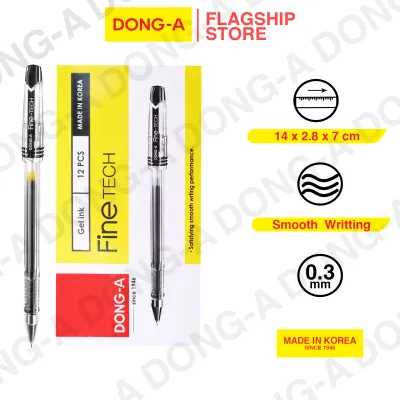
When selecting a writing instrument, the technical details printed on the packaging serve as your primary guide to its performance. The tip size is one of the most critical specifications to check. This pen is widely recognized for its needle-point tip, which differs significantly from standard conical tips. A needle-point tip is narrower and extends further from the collar, providing a clear line of sight to the paper. This design allows for exceptional precision, making it easier to write in tight spaces, draw fine lines, or fill out compact planner grids.
Products mentioned in this guide
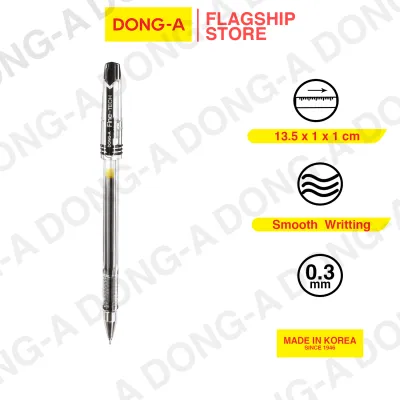
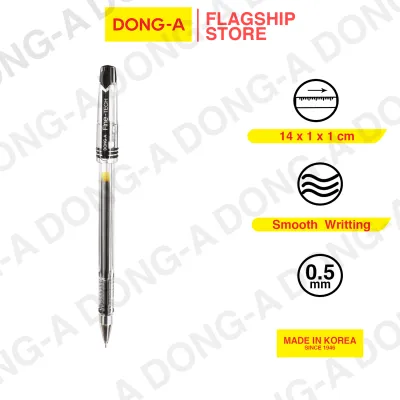
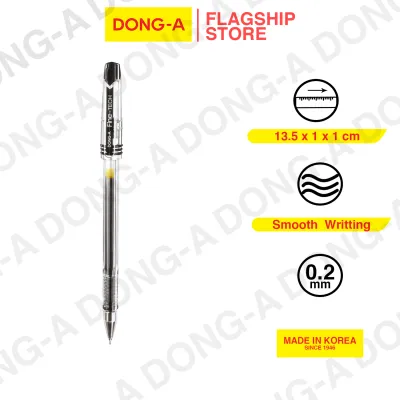
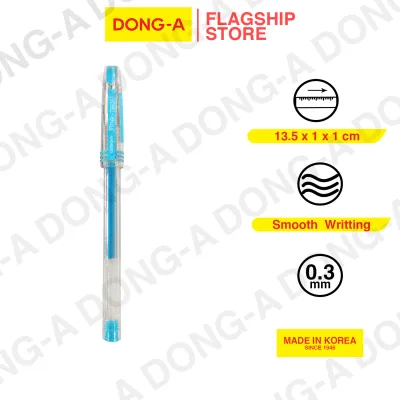
Prices are valid at publication and may change. Please refer to the product page for the latest price.
The ink formulation is another vital factor to consider. This pen utilizes a gel ink system, which combines the smooth, low-viscosity flow of water-based inks with the rich, highly pigmented colors of oil-based inks. While gel ink glides effortlessly across the page, it also carries a higher moisture content. In warm and humid climates, such as in the Philippines, paper fibers tend to absorb moisture from the air, which can affect how gel ink behaves. High humidity can slightly prolong the drying time of the ink, making it important to choose paper that resists feathering and smudging.
To ensure a consistent writing experience, it is helpful to understand how ink viscosity and flow rate interact with different paper weights. A high flow rate ensures vibrant, unbroken lines but can lead to bleed-through on thin sheets, such as standard 50 gsm or 60 gsm notebook paper. For the best results, look for manufacturer indications regarding ink consistency, and consider pairing the pen with heavier paper stocks, such as 70 gsm or 80 gsm, to prevent the ink from soaking through to the other side of the page.
Evaluating Physical Design and Ergonomics
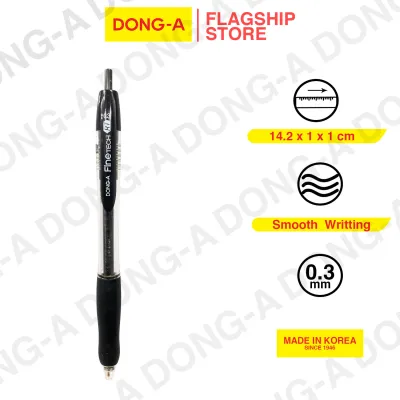
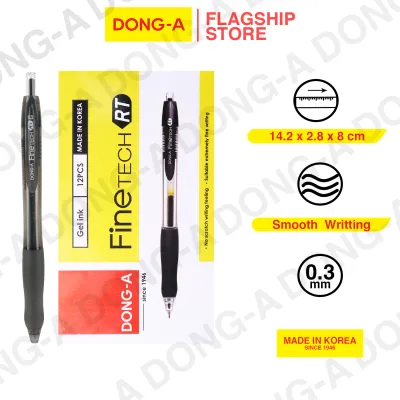
A pen’s physical structure directly impacts how comfortable it is to use during long writing sessions, such as during exams or extended office meetings. The grip section of this pen features a classic, firm plastic barrel with molded ridges rather than a soft rubber sleeve. While a rubber grip offers cushioning, a textured plastic grip is highly durable and does not degrade or become sticky over time—a common issue with rubber grips in tropical climates. However, if you tend to grip your pen tightly, you may want to test if these plastic ridges cause finger fatigue over long periods.

The overall weight and balance of the barrel also play a significant role in hand comfort. This pen is designed with a lightweight, slim plastic body that allows for quick, agile hand movements. The minimal weight means you do not have to exert much effort to move the pen across the page, which is ideal for rapid note-taking. On the other hand, writers who prefer a substantial, heavy pen to help stabilize their handwriting might find the lightweight barrel requires a brief adjustment period to control their strokes.
Daily carry convenience is determined by the pen’s cap and clip design. This model uses a secure, snap-on cap that protects the delicate needle tip from damage if dropped. The cap also prevents the gel ink from drying out when the pen is not in use. Attached to the cap is a plastic pocket clip, which allows you to secure the pen to a shirt pocket, notebook cover, or binder. Because the clip is made of plastic, it is best to avoid forcing it over exceptionally thick materials to prevent it from snapping.
Matching Features to Your Writing Tasks
To get the most out of your writing tools, it is important to match the pen’s specific features to your daily tasks. The ultra-fine tip sizes, such as 0.3 mm or 0.4 mm, are exceptionally well-suited for tasks that demand high legibility in restricted spaces. Students who need to cram formulas into study guides, planners who use compact monthly layouts, and artists who do intricate line work will find the fine line weight highly beneficial.
However, your writing style and hand dominance should also influence your choice. Left-handed writers, for example, must be mindful of gel ink’s drying speed. Because left-handed writers push the pen across the page rather than pulling it, their hand is more likely to run over freshly written text. If you are left-handed, pairing this pen with highly absorbent paper can help speed up drying times and minimize smudging. Additionally, if you are signing official documents or checks, you should verify if the ink formula is water-resistant and fade-resistant to ensure long-term archival quality.
It is also important to recognize the limitations of fine-tip gel pens. They are generally not suitable for writing on glossy surfaces, coated sticker paper, or thermal receipts, as the water-based gel ink cannot penetrate these non-porous materials and will smear easily. For these specific surfaces, a traditional oil-based ballpoint pen or a permanent multi-surface marker remains the more practical choice.
Purchase and Refill Verification Checklist
Before purchasing your next set of pens, a quick quality check can save you time and money. Start by verifying the labeling on the pen barrel or packaging. Ensure the brand name, model number, and tip size are clearly printed and match the manufacturer’s official specifications. This helps you avoid counterfeit products or accidentally purchasing the wrong tip size.
Refill compatibility is an excellent way to practice sustainability and reduce your stationery expenses. Many high-quality gel pens support refill cartridges, which are often more budget-friendly than buying an entirely new pen. When shopping for refills, check the model code printed directly on the empty ink cartridge inside your pen. This ensures that the replacement cartridge will fit perfectly into the barrel and align correctly with the spring and cap mechanism.
Finally, perform a physical inspection of the pen before its first official use. New pens often feature a tiny protective wax or plastic bead on the tip to seal the ink and prevent leakage during transit. Gently peel or scrape this bead off before writing. To test the initial ink flow, draw a few light, circular scribbles on a piece of scrap paper. The ball inside the needle tip should roll smoothly without scratching the paper, delivering a clean, continuous line of vibrant ink from the very first stroke.
Community discussion
Share your experience or ask a question. Comments are reviewed before publication.