
Donut beads, often referred to as disc beads or flat rondelles, are a staple in the jewelry-making community due to their distinctive flat, circular shape and central hole. Unlike traditional spherical beads, these disc-like components offer a modern, geometric aesthetic that can completely transform the structure and drape of a handmade piece. Whether you are designing a lightweight bracelet for everyday wear in the warm Philippine climate or assembling an intricate, multi-layered necklace, understanding how to utilize these unique shapes is key to achieving a professional finish.
By learning how to select, string, and pair these beads, you can elevate your jewelry designs from simple patterns to complex, textured masterpieces. Their flat profile allows them to sit comfortably against the skin, making them an excellent choice for wearable art that must withstand daily movement and tropical humidity. Before purchasing your next batch of jewelry supplies, exploring the physical characteristics and design possibilities of these versatile components will help you make informed decisions for your crafting projects.
Understanding the Distinctive Shape and Structure of Donut Beads
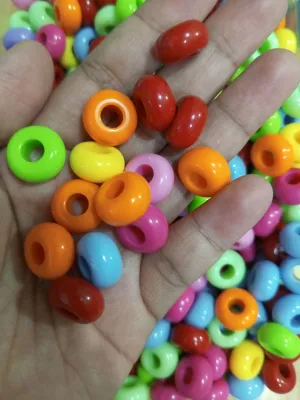
The defining feature of a donut bead is its flat, wide-disc profile, which sets it apart from standard round, oval, or cylindrical beads. While a typical round bead distributes its volume equally in all directions, a donut bead is compressed along its axis, resulting in a wider outer diameter relative to its thickness. This flat geometry means that when the beads are viewed from the side, they present a sleek, low-profile edge, while a front-facing view reveals their full circular surface.
Products mentioned in this guide
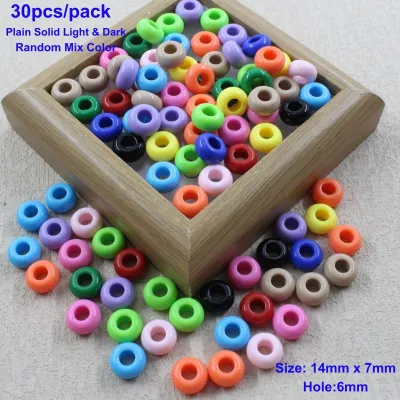

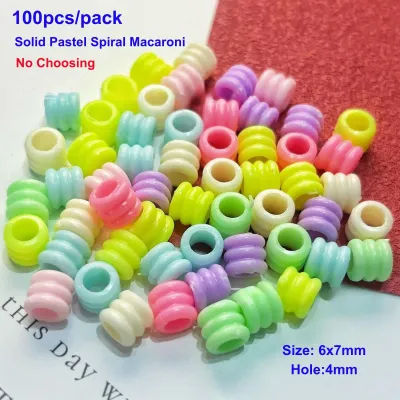
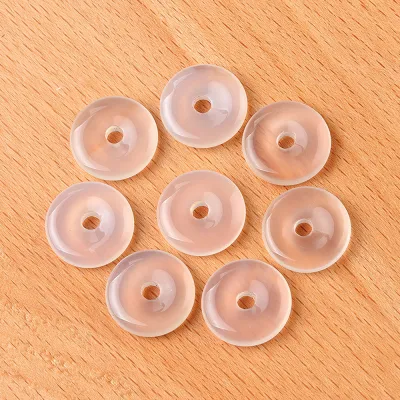
Prices are valid at publication and may change. Please refer to the product page for the latest price.
The placement of the central hole is critical to how these beads behave on a stringing medium. Because the hole passes directly through the flat center of the disc, the bead’s natural resting position is determined by the tension and thickness of your thread or wire. When strung loosely, donut beads tend to lie flat against one another, face-to-face, creating a dense, continuous column. If strung with more space or paired with smaller accent beads, they can flip to show their outer edges, offering a completely different visual texture.
This dual-orientation capability makes donut beads exceptionally useful for creating geometric patterns and structured designs. When stacked tightly, they form a ribbed, cylindrical shape that adds tactile interest to bracelets and necklaces. Alternatively, alternating them with round beads creates a repeating pattern of contrasting shapes, drawing the eye to the structural variations within the piece. Understanding this physical behavior allows you to plan your designs with greater precision, ensuring that the finished jewelry drapes exactly as intended.
Common Materials and How They Affect Your Projects
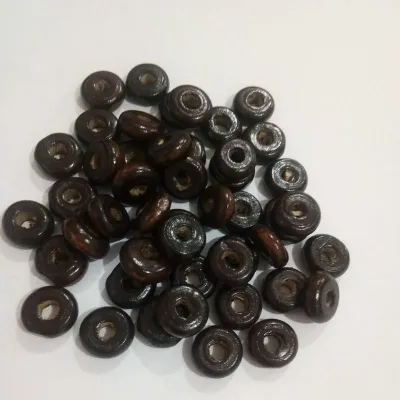
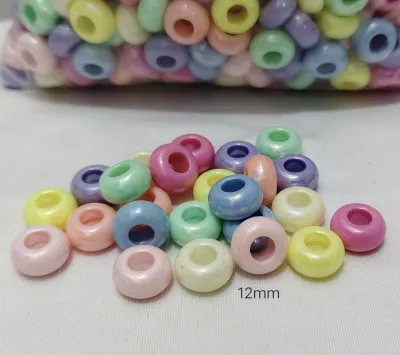
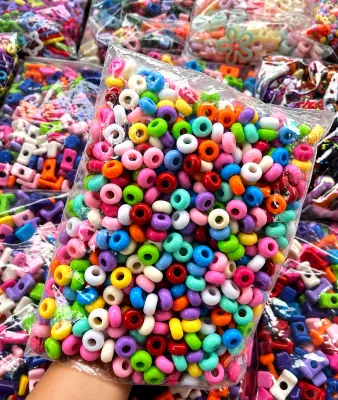
Donut beads are manufactured from a wide variety of materials, each bringing distinct aesthetic and physical properties to your jewelry designs. Common categories include glass, wood, acrylic, metal, and polished stone. Glass donut beads, such as pressed glass or lampwork discs, offer excellent clarity and a wide range of vibrant colors, though they can add significant weight to larger pieces. Acrylic options provide a lightweight alternative, making them suitable for statement earrings or chunky multi-strand necklaces that remain comfortable to wear all day.

When selecting materials, it is essential to evaluate their weight, opacity, and surface finish by reading product labels or inspecting physical samples. For instance, polished stone donut beads offer a natural, matte, or high-gloss finish with unique veining, but their weight requires a sturdy stringing material. Wood beads provide an organic, earthy look and are incredibly light, but they may be more porous. Metal donut beads, whether made of brass, copper, or plated alloys, serve as excellent reflective accents that break up solid blocks of color.
Because jewelry worn in tropical climates is frequently exposed to humidity, sweat, and sunscreen, verifying material care requirements is a crucial step. You should check the manufacturer’s specifications for colorfastness, tarnish resistance, and durability limits before finalizing your purchase. Some dyed wood or low-grade plated metal beads may bleed or tarnish when exposed to moisture, while high-quality glass, acrylic, and treated stones tend to maintain their appearance over time. Choosing the right material ensures your jewelry remains beautiful and structurally sound throughout its lifespan.
Best Jewelry Projects and Design Techniques
One of the most effective ways to use donut beads in jewelry making is as spacers between larger focal beads. Placing a flat disc bead between two large round beads provides visual breathing room, preventing the design from looking cluttered or overly dense. This technique also adds flexibility to the strand, allowing the necklace or bracelet to curve smoothly around the wrist or neckline without binding or stiffening.
In multi-strand jewelry, donut beads excel at keeping individual strands separated and lying flat against the skin. By using wider donut beads with multiple holes, or by strategically placing them at transition points, you can prevent the strands from tangling or twisting during wear. This is particularly useful for creating wide cuff bracelets or layered collar necklaces that require precise alignment to maintain their structural integrity.
Successful stringing depends heavily on matching your stringing material to the bead’s central hole size. Because donut beads can have relatively large center holes compared to their thickness, using a thread or wire that is too thin can cause the beads to wobble or slide unevenly. For heavy stone or glass discs, a sturdy nylon-coated bead stringing wire or a thick waxed cord is often necessary to support the weight and fill the hole. For lighter acrylic or wood discs, a flexible thread or elastic may suffice, provided the cord thickness prevents excessive shifting.
What to Check Before Buying Donut Beads for Your Craft
Before purchasing donut beads for your next project, verifying their physical dimensions is essential for a balanced design. You should measure or check the manufacturer’s specifications for both the outer diameter and the thickness of the beads. This ensures that the scale of the donut beads matches the other components in your jewelry piece, preventing smaller beads from being swallowed up or larger beads from looking disproportionate.
Equally important is checking the inner hole diameter against your intended stringing material. If the hole is too small, your wire or cord will not fit, leading to frustration during assembly. Conversely, if the hole is too large, the bead may slip over knots or crimps, requiring you to add extra spacer beads to secure it. Checking these measurements beforehand saves time and prevents structural failures in your finished pieces.
Inspect the edge smoothness and surface consistency of the beads, especially around the central hole. Rough or sharp edges inside the hole can rub against your stringing thread, leading to fraying and eventual breakage over time. High-quality manufacturing typically results in smooth, rounded inner edges that protect your cord. If you are buying in bulk, look for consistency in shape and color across the entire batch to ensure your finished jewelry looks cohesive.
Finally, compare the cost per strand or per piece in ₱ to evaluate your crafting budget. While bulk packages of acrylic or wood donut beads are often highly economical for mass-producing casual accessories, premium glass or semi-precious stone beads may carry a higher price point per piece. Balancing the cost against the structural quality and material durability will help you select the right beads for your specific project goals without overspending.
Frequently Asked Questions (FAQ)
Can I use donut beads with elastic cord?
Yes, you can use donut beads with elastic cord, provided you match the cord’s thickness to the bead’s inner hole size. Because elastic cord is susceptible to friction, it is crucial to inspect the inner edges of the donut beads for any sharpness or rough spots before stringing. Using beads with smooth, polished holes prevents the elastic from fraying or snapping under tension when the jewelry is stretched over the hand or wrist.
How do I keep donut beads from overlapping on a necklace?
To prevent flat donut beads from overlapping or riding up on one another, you can place smaller seed beads or metal spacer beads between them. This creates a physical barrier that keeps each disc oriented correctly. Alternatively, using crimp beads or tying small knots on either side of each donut bead will lock them into place, ensuring they remain flat and evenly spaced along the length of the necklace.
Community discussion
Share your experience or ask a question. Comments are reviewed before publication.