
Selecting the right drawing material set for an art class requires matching the kit to your specific course syllabus, focusing on a balanced graphite range, essential erasing tools, and appropriate paper compatibility. For introductory classes, a basic sketching set is highly cost-effective, while mixed-media courses require specialized kits with inking tools and heavier paper. Choosing the correct set from the start prevents unnecessary spending and ensures you have the exact tools required to complete your assignments successfully.
To make an informed decision, you must evaluate the specific medium focus of your class, the technical specifications of each tool, and how the materials interact with different paper types. This guide breaks down how to read your syllabus requirements, evaluates the essential components of a complete kit, and provides actionable advice on maintaining your supplies in tropical environments.
How to Identify Your Specific Art Class Requirements
Before purchasing any drawing material set, your first step must always be to consult your course syllabus or the materials list provided by your instructor. Art instructors often have highly specific preferences based on the techniques they plan to teach. Purchasing a generic kit before reviewing these requirements can result in buying tools you will never use, or worse, missing essential items needed for your very first project.
Products mentioned in this guide
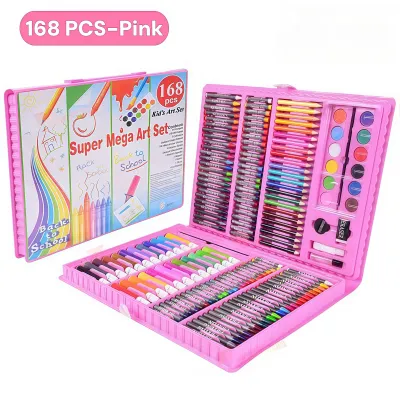
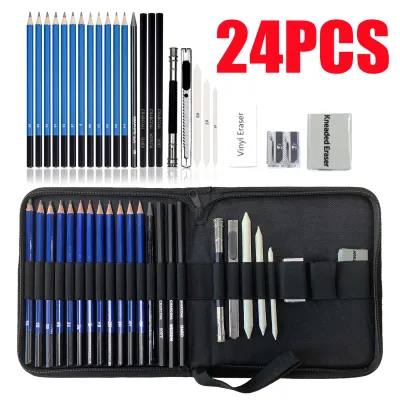
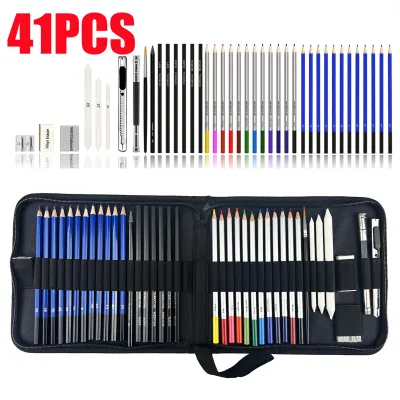
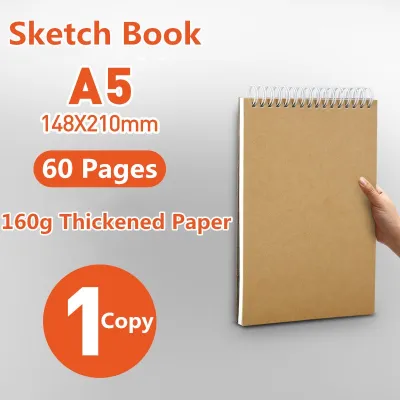
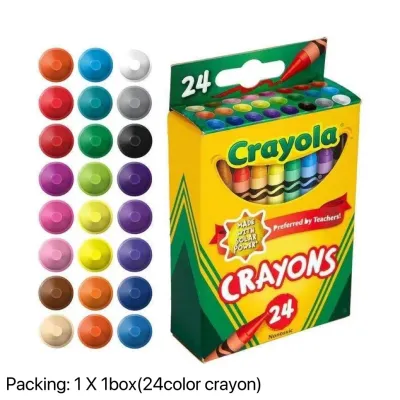
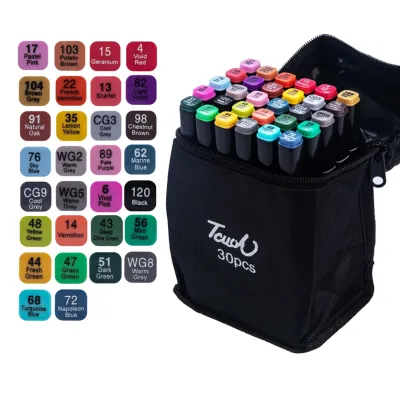
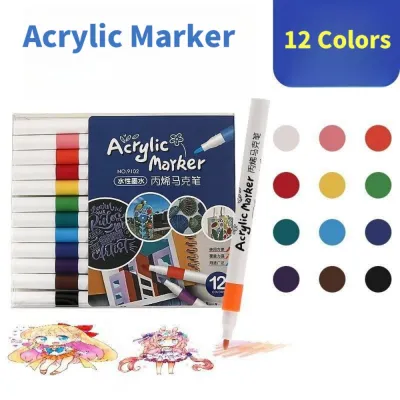
Prices are valid at publication and may change. Please refer to the product page for the latest price.
Course requirements generally align with the academic level and focus of the class. Introductory drawing courses typically focus on foundational skills like line, shape, and basic value studies, which require highly forgiving, easily erasable tools like mid-range graphite pencils and soft vinyl erasers. In contrast, advanced portfolio-preparation or specialized fine arts courses often demand professional-grade materials, specific charcoal types, or specialized ink pens that allow for deeper value ranges and expressive line work.
Pay close attention to specific exclusions or unique preferences noted in your syllabus. For example, some instructors explicitly forbid the use of standard rubber erasers because they can smudge graphite and tear delicate paper fibers. Others may require sketchbooks of a precise dimension, such as 9×12 inches or standard A4, to ensure uniformity during grading or portfolio reviews. Checking these details beforehand ensures your kit is fully compliant with classroom rules.
Essential Components of a Complete Drawing Kit
To determine if a pre-assembled drawing material set is truly complete, you must understand the function and selection criteria of each tool category. A high-quality kit should provide a balanced selection of marking, erasing, and blending tools that work together systematically.

Pencils and Lead Variations
The core of any drawing set is its selection of pencils, which are categorized by the graphite hardness scale. This scale runs from H (hard and light) to B (soft and dark), with HB serving as the middle point. A versatile student set should include a range from at least 2H to 6B. Harder leads like 2H are ideal for light, precise technical drafting and initial layout sketches, while softer leads like 4B and 6B are essential for rich, deep shadows and expressive value studies.
When choosing between traditional woodcase pencils and mechanical pencils, consider the drawing style required for your assignments. Woodcase pencils are highly versatile because they allow you to shade broad areas using the side of the exposed lead, and they can be sharpened to various point shapes. Mechanical pencils, particularly those with 0.5mm or 0.7mm leads, are excellent for consistent, fine line work and detailed cross-hatching, but their thin leads break easily under the heavy pressure used for deep shading.
If your class covers life drawing or classical shading, verify if the set includes charcoal options. Vine or willow charcoal is incredibly soft and powdery, making it perfect for rapid, easily erasable gesture drawings and initial block-ins. Compressed charcoal, which is bound with clay or wax, produces intense, permanent darks that are much harder to erase but provide the rich contrast needed for finished charcoal drawings.
Erasers and Blending Tools
Erasers in a drawing kit are not just for correcting mistakes; they are active tools used for subtractive drawing and creating highlights. A complete set must include a kneaded eraser, which is a soft, pliable clay-like material. By stretching and shaping the kneaded eraser into a fine point or flat edge, you can lift graphite or charcoal from the paper without damaging the paper’s texture (the “tooth”) and without leaving any messy eraser crumbs behind.
For complete, clean removal of dark lines and mistakes, a vinyl or plastic eraser is necessary. These erasers are firmer and more abrasive than kneaded erasers, allowing them to lift stubborn graphite marks completely. However, they must be used gently to prevent tearing or thinning the paper fibers, especially on lightweight sketch paper.
To achieve smooth gradients and soft transitions in your shading, look for blending tools like blending stumps (also known as tortillons) and chamois cloths. Blending stumps are tightly rolled paper sticks that allow you to blend graphite or charcoal in small, detailed areas with high precision. A chamois or a soft blending cloth is used for sweeping across larger areas of the drawing, creating a soft, even gray tone that serves as an excellent base for further rendering.
Markers, Pens, and Inking Tools
Classes that cover illustration, comic art, or mixed media will require reliable inking tools alongside graphite. Fineliners are the standard choice for precise, consistent line work, contour drawing, and technical detailing. A good set should offer a few different tip sizes, such as 0.1mm for fine details and 0.5mm for bolder outlines, allowing you to create dynamic line weights in your drawings.
Brush pens feature flexible tips made of felt or synthetic hair fibers, allowing you to create highly expressive lines that vary in width based on the pressure you apply. These are excellent for calligraphy, organic sketching, and filling in large black areas quickly. When selecting inking tools, always verify the ink properties on the packaging.
Water-based inks are often blendable with water to create soft washes, but they will bleed and smudge if you paint or draw over them with other wet media. Alcohol-based inks dry incredibly fast and are highly permanent, but they are prone to bleeding through standard sketchbook paper. Understanding these properties helps you coordinate your pens with the paper you are using to prevent ruined artwork.
Common Types of Drawing Sets for Students
Drawing sets are generally packaged to suit specific artistic disciplines and skill levels. Understanding how these sets are categorized helps you narrow down your options to match your budget and class focus.
Basic Graphite and Sketching Sets
Basic graphite and sketching sets are designed specifically for introductory drawing and foundational art classes. These kits are highly focused, usually containing a standard range of graphite pencils (such as 2H, HB, 2B, 4B, and 6B), a basic metal sharpener, a vinyl eraser, a kneaded eraser, and sometimes a small pocket sketchbook.
These sets are highly cost-effective, typically ranging from ₱250 to ₱600, making them an accessible entry point for students. By limiting the tools to dry graphite, these kits help beginners focus entirely on mastering fundamental skills like perspective, proportion, and value scale without being overwhelmed by too many mediums. The primary limitation of these sets is their lack of color, ink, or advanced blending tools, meaning you will need to purchase additional supplies if your syllabus expands into other mediums later in the term.
Mixed Media and Illustration Sets
For students enrolled in versatile art classes, design courses, or illustration programs, mixed media sets offer a broader range of creative options. These comprehensive kits typically include a mix of graphite pencils, colored pencils, fineliners, and occasionally watercolor pencils or dual-tip markers.
These sets are designed to support your transition from initial graphite thumbnails to fully colored, inked illustrations. Because they contain wet and dry mediums, they offer excellent value for multi-disciplinary courses. However, when buying a mixed media set, you must pay close attention to the paper you use. Standard sketching paper will buckle, warp, or tear under wet media; you must pair these kits with heavy-duty mixed media paper to ensure the materials perform correctly.
Student-Grade vs. Artist-Grade Kits
When browsing drawing sets, you will quickly notice a significant price difference between student-grade and artist-grade options. Student-grade sets are highly cost-effective and designed for high-volume practice, making them perfect for homework assignments, sketching, and learning new techniques. They use affordable binders and lower pigment concentrations, which keeps the price low while still offering acceptable performance for classroom use.
Artist-grade kits are formulated with high-quality, finely ground pigments and premium wood casings, offering superior smoothness, break-resistance, and lightfastness (resistance to fading over time). While artist-grade tools are a joy to use, they represent a larger financial investment. For most school art classes, a practical approach is to start with a reliable student-grade set and selectively upgrade your most frequently used tools—such as your favorite shading pencils, your sketchbook, or your primary fineliners—to artist-grade as your skills progress.
To verify the grade of a set before buying, look closely at the manufacturer’s packaging labels. Student-grade lines are often labeled with terms like “Academy,” “Scholar,” or “Student,” while professional-grade tools will explicitly state “Professional,” “Artist,” or “Premier.” Checking the manufacturer’s website for technical data sheets can also confirm pigment quality and lightfastness ratings.
Key Specifications to Check Before Buying
To ensure your selected drawing set performs well and lasts throughout the school term, you must evaluate several technical specifications before making your purchase.
- Paper Compatibility: The performance of your drawing tools depends heavily on the paper you use. Check the weight of your sketchbook paper, measured in GSM (grams per square meter). Standard sketching paper (90 to 120 GSM) is perfect for graphite and light colored pencil work, but it will bleed or warp if used with heavy markers or ink washes. For mixed media or ink drawings, look for paper that is at least 200 GSM. Additionally, consider the paper's "tooth" or texture; smooth paper (hot-press) is ideal for precise fineliner work, while textured paper (cold-press) is necessary to grab and hold loose charcoal and soft graphite particles.
- Pencil Casing and Sharpening: High-quality woodcase pencils feature centered lead cores that are fully bonded to the wood casing, which prevents the internal lead from shattering when sharpened or dropped. Check if the pencils in the set come pre-sharpened. Additionally, ensure the included sharpener features sharp, high-carbon steel blades. A dull sharpener will chew through the wood casing and break the delicate graphite cores of your pencils. If your set includes jumbo pencils or charcoal sticks, verify that the sharpener has a dual-size opening to accommodate different diameters.
- Marker Tip Types and Nibs: If your set includes markers or brush pens, verify the configuration of the tips. Dual-tip markers, which feature a flexible brush tip on one end for organic strokes and a fine or chisel tip on the other for precise details, offer the greatest versatility for classroom assignments. Check the material of the nibs; high-quality nylon or synthetic fiber brush tips retain their shape over time, whereas cheap felt tips can fray quickly with heavy use on textured paper.
- Storage and Portability: Since you will be carrying your art supplies to and from class, the durability of the storage case is highly important. Zippered canvas cases are excellent because they feature individual elastic loops that keep each pencil secure, preventing the leads from knocking together and breaking during transit. Hard metal tins look professional and protect tools from being crushed in your bag, but they can be noisy and offer less internal organization. Plastic storage boxes are lightweight and water-resistant—which is highly beneficial for protecting your paper and supplies during the tropical rainy season—but they can be bulky to pack.
How to Maintain and Organize Your Art Supplies
Proper maintenance and organization of your drawing materials will significantly extend their lifespan, saving you money and ensuring your tools are always ready for class exercises.
Always store your pencils and charcoal sticks securely in their designated slots or elastic loops. If loose pencils roll off an art studio table and hit the hard floor, the internal graphite core can shatter into dozens of tiny pieces, making the pencil impossible to sharpen thereafter. Keep your charcoal sticks in a separate pouch or wrapped in a small cloth to prevent charcoal dust from migrating and coating your clean sketchbooks and erasers.
Kneaded erasers require specific care to remain clean and pliable. To clean a kneaded eraser, simply stretch, pull, and fold it repeatedly; this process redistributes the absorbed graphite throughout the eraser, exposing clean material. In hot and humid tropical climates, kneaded erasers can become excessively soft, sticky, or melt slightly if left exposed. Always store your kneaded eraser in a small, airtight plastic container or wrapped in its original wax paper, and keep it away from direct sunlight and heat sources.
To prevent your markers, fineliners, and brush pens from drying out, always press the caps down firmly until you hear a distinct clicking sound. Store dual-tip markers horizontally on your desk or in your bag. Storing them vertically causes the ink gravity to pull toward one end, leaving one tip oversaturated and leaky while the other tip dries out completely. Storing them flat ensures an even distribution of ink to both nibs.
Finally, organize your kit systematically so you can work efficiently during timed classroom drawing sessions. Group your tools by function: keep your layout pencils (2H, HB) and vinyl erasers in one section, your shading tools (4B, 6B, blending stumps) in another, and your inking pens in a separate pocket. This layout allows you to locate the exact tool you need quickly without breaking your creative focus or wasting valuable class time searching through a cluttered case.
Frequently Asked Questions (FAQ)
Do I need to buy a pre-assembled set or individual tools?
Pre-assembled drawing sets are highly recommended for beginners because they offer convenience, a carefully curated selection of baseline tools, and are generally more cost-effective than buying each item separately. However, if your instructor has issued a highly specialized syllabus with unique brand requirements, or if you already own several basic tools, buying individual items (a la carte) allows you to customize your kit precisely and invest more of your budget into higher-quality, professional-grade items for the specific tools you use most frequently.
What paper weight is best for a mixed drawing set?
For a mixed drawing set that contains both dry media (like graphite and charcoal) and wet media (like fineliners, brush pens, or light watercolor washes), you should look for a sketchbook with a paper weight of at least 200 GSM (grams per square meter). Standard sketching paper, which ranges from 90 to 120 GSM, is too thin and will warp, buckle, or allow ink to bleed through to the next page. A sturdier 200 GSM or higher mixed-media paper has the thickness and surface sizing required to handle wet layers while retaining enough texture to hold dry graphite and charcoal beautifully.
Community discussion
Share your experience or ask a question. Comments are reviewed before publication.