
Choosing the right coloring medium for your creative work depends entirely on how the colorant behaves at a molecular level and how it attaches to your chosen surface. Dyes dissolve completely in liquid to stain materials from within, pigments consist of finely ground insoluble particles that sit on a surface, and paints combine these pigments with a binding agent to glue the color in place. Understanding these physical properties prevents common crafting mishaps, such as colors bleeding through paper, binders cracking in high tropical humidity, or expensive materials fading under intense sunlight.
Understanding the Core Differences Between Dye, Pigment, and Paint
To select the ideal medium, you must first look at how the colorant interacts with its carrier liquid. Dyes are fully soluble, meaning they dissolve completely in water, alcohol, or other solvents to form a homogeneous solution. When you apply a dye, it chemically bonds with or penetrates the fibers of the substrate, leaving no physical thickness or texture behind. This makes dyes highly transparent, allowing the natural texture of paper or fabric to remain completely unaltered.
Pigments, on the other hand, are insoluble powders. Instead of dissolving, pigment particles remain suspended in a liquid medium, much like fine sand swirling in water. Because they do not dissolve, pigments require a mechanical or chemical means to stay attached to a surface. Without a binder, loose pigment particles will eventually brush or wash away, which is why they are typically mixed with mediums to create functional art supplies.
Products mentioned in this guide
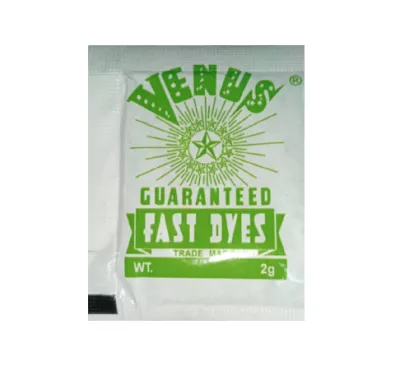
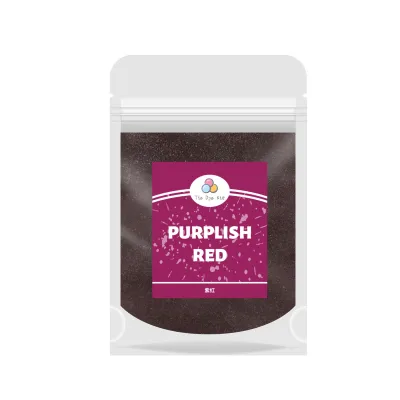
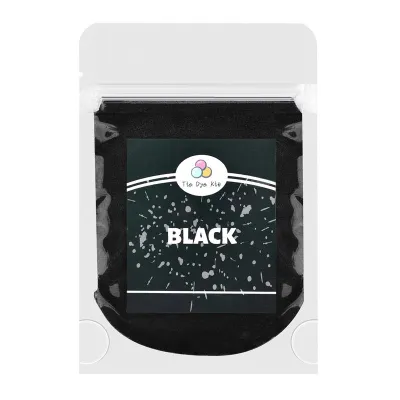
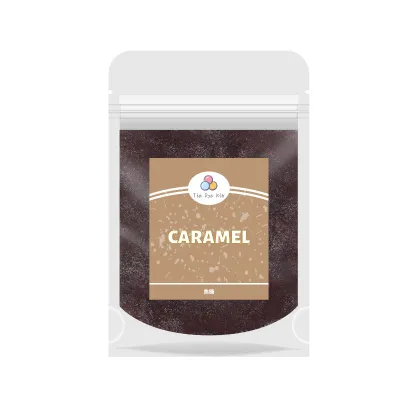
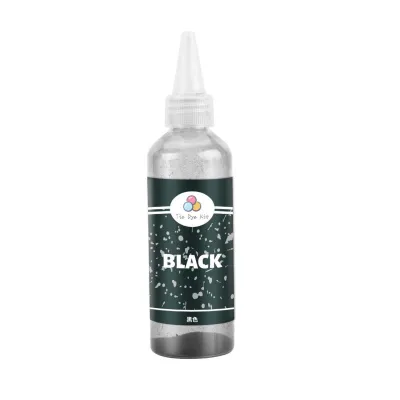
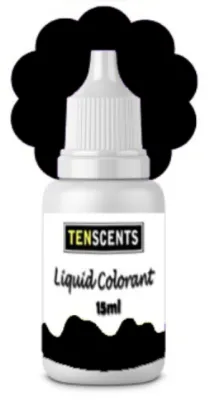
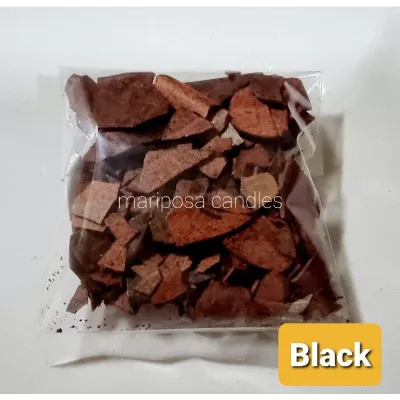
Prices are valid at publication and may change. Please refer to the product page for the latest price.
Paint is the complete package: a mixture of insoluble pigments, a liquid carrier, and a binder that acts as an adhesive. The binder—whether it is acrylic polymer, gum arabic, linseed oil, or wax—dries or cures to lock the pigment particles onto the surface of your canvas, wood, or paper. This binder creates a distinct physical layer, which can range from a thin, matte wash to a thick, textured impasto.
These structural differences directly dictate how each medium handles light exposure and environmental wear. Dyes generally have lower lightfastness because their individual molecules are fully exposed to ultraviolet (UV) rays, making them prone to fading over time, especially in sunlit rooms. Pigments offer excellent lightfastness because their crystalline structures shield the inner molecules from UV damage, preserving the color for decades under proper conditions.
Transparency and opacity also stem from these physical states. Dyes offer unmatched transparency because light passes directly through the dissolved color molecules to reflect off the underlying surface. Paints can range from highly transparent to completely opaque depending on the pigment concentration and the binder used. This opacity allows you to layer light colors over dark ones, a technique that is virtually impossible with transparent dyes.
When to Choose Dyes for Your Art Projects
Dyes are highly effective when your project demands vibrant, weightless color that integrates seamlessly into the material itself. In fabric and fiber arts, such as tie-dye, batik, and silk painting, dyes are indispensable because they do not alter the physical drape or breathability of the textile. Because the dye chemically bonds with the fibers, the fabric remains soft to the touch, unlike paint, which can dry into a stiff, rubbery layer that cracks when bent.

For modern craft applications like tinting epoxy resin or working with alcohol inks, dyes provide brilliant, glass-like clarity. Adding a pigment-based colorant to clear resin can result in a cloudy or speckled finish because the particles scatter the light. A liquid dye dissolves perfectly within the resin, maintaining absolute transparency while imparting rich, deep hues that catch the light beautifully.
However, working with dyes requires careful preparation and an understanding of their limitations. Dyes are highly substrate-specific; a dye formulated for natural cotton will wash right out of synthetic polyester. Additionally, because dyes lack a binder, they will bleed uncontrollably on porous papers or unprimed surfaces unless you control the spread with a resist or use a specific mordant to set the color. In humid tropical climates, unsealed dye projects can absorb moisture from the air, causing colors to migrate or bleed over time.
When to Choose Pigments and Paints for Your Art Projects
When your artwork requires structural depth, opaque coverage, or the ability to work on non-porous surfaces, pigments and pre-mixed paints are the correct choice. Traditional painting on canvas, wood, plaster, or heavy paper relies on acrylics, oils, or gouache to build up layers of color. The binders in these paints allow you to blend colors smoothly on the surface, create visible brushstrokes, and build physical textures that catch the light.
Working with raw, loose pigments appeals to artists who want complete control over their medium or wish to mix custom formulations. By combining loose pigments with gum arabic, you can create custom watercolors; mixing them with linseed oil yields professional-grade oil paints. Loose pigments are also excellent for dry-dusting over clay models or mixed-media pieces to create soft, realistic gradients that are difficult to achieve with wet paint.
Successful paint application depends heavily on proper surface preparation to ensure the binder can adhere correctly. Smooth, non-porous surfaces like plastic, metal, or glass often require sanding and priming with a suitable gesso or primer to prevent the paint layer from peeling or flaking off later. Furthermore, in high-humidity environments, paint drying and curing times can extend significantly, making it crucial to allow ample time between layers to prevent trapping moisture, which can lead to bubbling or mold growth.
How to Verify Product Labels and Material Compatibility
Before purchasing new art supplies from an online marketplace or local stationery shop, developing a systematic verification routine will save you time and resources. Start by carefully reading the product labels for key technical terms. Look for words like “soluble” or “dye-based” if you need transparent, weightless color, and “pigment-based,” “acrylic,” or “binder” if you require opaque, surface-level coverage. Manufacturers often list lightfastness ratings on professional paints and pigments, usually graded from I (excellent) to V (poor), which helps you gauge how well your work will survive UV exposure.
Because chemical formulations vary widely between brands, always perform a small-scale swatch test on a scrap piece of your actual project material before committing to the final piece. Apply the medium and observe how it behaves as it dries: check if the color bleeds past your lines, if it warps the paper, or if it rubs off easily once dry. For paints, try gently flexing the dried swatch to ensure the binder is flexible enough for your substrate and will not crack under physical stress.
Finally, prioritize safety and proper handling by reviewing the manufacturer’s safety warnings. Fine, loose pigments pose an inhalation hazard, requiring you to wear a well-fitting dust mask and work in a draft-free area when mixing them. Many solvent-based dyes and paints release strong fumes that necessitate excellent ventilation, especially in enclosed indoor workspaces. Always follow the recommended cleanup procedures, using soap and water for water-based mediums, or specific solvents for oil-based products, to keep your tools and workspace in top condition.
Frequently Asked Questions (FAQ)
Can I mix dye and paint together?
Mixing dye and paint directly is generally not recommended because their chemical bases and binders may conflict, leading to separation, clumping, or uneven curing. If you attempt to mix them, the dye may bleed out of the paint binder as it dries, causing unpredictable color halos. Always check the manufacturer’s compatibility guidelines or perform a small test batch before mixing different mediums.
Do dyes need a fixative to stop fading?
Yes, many dyes require a chemical mordant, fixative, or heat-setting process to bond permanently with the material and resist fading or washing out. While some modern synthetic dyes are formulated to be self-fixing, natural and water-soluble dyes will remain highly sensitive to moisture and light unless treated with a compatible protective sealant or fixative spray.
Is food coloring the same as art dye?
No, food coloring is formulated for safe consumption rather than artistic longevity. Food dyes lack the chemical stability and lightfastness of professional art dyes, meaning artwork made with food coloring will fade rapidly when exposed to ambient light. For permanent art projects, always choose dedicated artist-grade dyes designed to withstand environmental exposure.

Community discussion
Share your experience or ask a question. Comments are reviewed before publication.