
Quick Answer: Which Black Ink Fits Your Project?
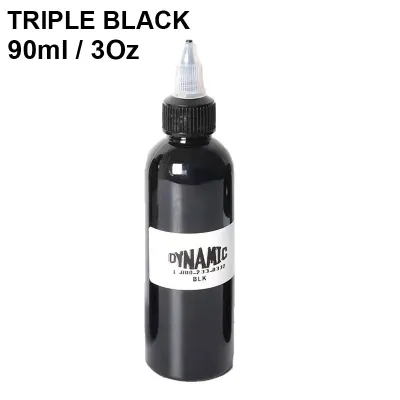
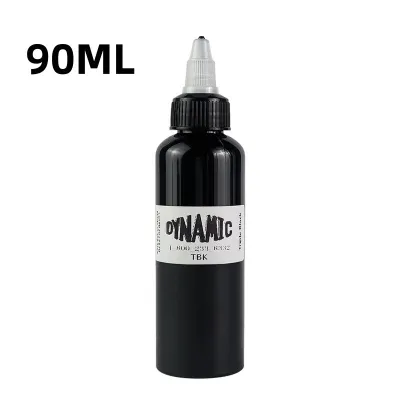
Choosing the right black ink depends entirely on your project’s medium, surface texture, and required finish. If your work demands absolute opacity, an ultra-dark matte finish, and a high concentration of pigment that remains solid even when heavily diluted, dynamic triple black ink is the premier choice. It excels in mixed-media applications, airbrushing, and high-contrast illustration where standard blacks can appear washed out or translucent.
Conversely, traditional alternatives like India ink, standard alcohol inks, or acrylic inks are better suited if you require built-in water resistance, rapid drying times on non-porous surfaces, or the fluid blending capabilities of dye-based mediums. Before purchasing, your first and most critical step must always be verifying the ink’s solvent and binder base against your intended craft materials to prevent adhesion failure or chemical reactions.
Defining the Contenders: Dynamic Triple Black vs. Standard Alternatives
To make an informed decision, you must first understand what sets these ink formulations apart. “Triple Black” is a term used to describe inks formulated with an exceptionally high concentration of carbon black pigment. Unlike standard drawing inks, which balance pigment load with heavy binders, a triple black formula maximizes the pigment-to-carrier ratio. Dynamic Triple Black, in particular, is a water-dispersed liquid pigment. It contains minimal acrylic or shellac binders, resulting in a free-flowing consistency that delivers an incredibly dark, lightfast finish. However, because the term “triple black” is sometimes used generically by various manufacturers, you must always inspect the product label to confirm whether the carrier is water, alcohol, or acrylic-based.
Products mentioned in this guide
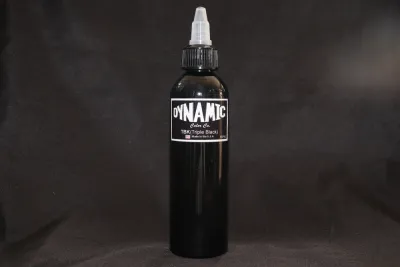
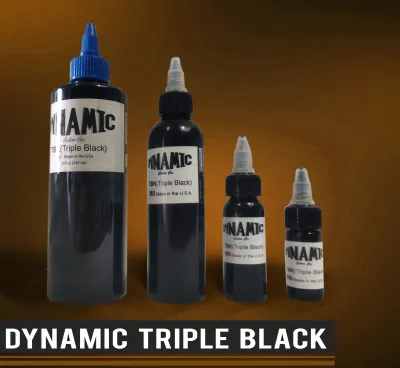
Prices are valid at publication and may change. Please refer to the product page for the latest price.

In contrast, the alternative black inks commonly found in art supply stores fall into three distinct categories:
- India Ink: This traditional formulation combines carbon black pigment with a binder such as shellac or acrylic emulsion. It is designed primarily for paper surfaces, drying to a permanent, water-resistant, and slightly semi-gloss finish.
- Standard Alcohol Inks: These are typically dye-based or highly fluid pigment-based inks suspended in an isopropyl alcohol solvent. They dry almost instantly through rapid evaporation, making them ideal for non-porous surfaces like glass, metal, and synthetic papers where they can be reactivated and blended with pure alcohol.
- Acrylic Inks: These consist of fine pigments suspended in a liquid acrylic polymer emulsion. They behave similarly to ultra-fluid acrylic paint, drying to a completely waterproof, flexible film that adheres well to canvas, wood, and heavy papers without cracking.
Head-to-Head Comparison: Performance and Quality
Evaluating how these inks perform under practical studio conditions requires looking closely at how their chemical compositions interact with your tools and substrates. This is especially important in tropical climates, where high ambient humidity can dramatically alter ink behavior, drying cycles, and final surface finishes.
Pigment Density, Opacity, and Color Depth
Pigment density is the defining characteristic of dynamic triple black ink. Because it features a highly concentrated load of premium carbon black, it offers unparalleled opacity. When applied directly from the bottle, it absorbs almost all visible light, creating a flat, bottomless black that does not allow underlying colors or textures to show through. This makes it highly effective for solid fills, bold linework, or tinting other mediums like epoxy resins where a tiny drop must go a long way.
Standard black inks, particularly dye-based alternatives, often lack this level of concentration. When you apply a thin layer of standard black ink, or when it is diluted with water, it frequently reveals its underlying color temperature—shifting toward a cool blue, a warm brown, or a dull purple. This translucency can be desirable for delicate gradient washes, but it fails when you need a uniform, solid black block.
To verify the color depth and opacity of any black ink before committing it to your final canvas, perform a simple drawdown test. Draw a thick, solid line of white acrylic paint or gesso on a scrap piece of your project material and let it dry completely. Using your chosen brush or dip pen, draw a single stroke of the black ink directly over the white line. A true high-pigment triple black will cover the white background entirely in a single pass, whereas standard inks will often require multiple layers to achieve the same coverage.
Surface Compatibility and Adhesion
The way an ink behaves when it contacts a surface is determined by its binder and solvent. Porous surfaces like heavyweight watercolor paper, raw wood, illustration board, and unprimed canvas readily absorb water-dispersed inks. On these materials, dynamic triple black ink sinks deep into the fibers, anchoring the heavy carbon pigments securely.
However, when working on non-porous surfaces such as glass, glazed ceramics, plastics, or cured resin, water-based inks face a physical hurdle: surface tension. Without a porous surface to sink into, a water-dispersed ink like Dynamic Triple Black can bead up, pool unevenly, or easily scratch off once dry because it lacks a heavy resin binder to glue it to the surface.
In contrast, alcohol-based inks contain solvents that lower surface tension, allowing them to cling to slick, non-porous substrates without beaded pooling. Acrylic inks, with their polymer binders, form a plastic-like film that grips canvases and primed surfaces with excellent adhesion.
If you plan to use dynamic triple black ink on a non-porous or semi-porous surface, you must check the manufacturer’s instructions to see if a primer is recommended. In humid environments, moisture in the air can further weaken the initial adhesion of water-dispersed inks on slick surfaces. Always perform a cross-hatch adhesion test on a hidden area of your treated material: apply the ink, let it dry completely for 24 hours, press a piece of high-tack artist tape over the area, and pull it off quickly. If the ink lifts off with the tape, the surface requires a suitable primer or a different ink formulation.
Drying Time, Finish, and Durability
High atmospheric humidity plays a major role in the drying workflow of any liquid medium. Alcohol-based black inks dry almost instantaneously as the isopropyl alcohol solvent flashes off into the air, making them highly efficient for rapid layering but difficult to blend smoothly over large areas.
Water-dispersed inks like Dynamic Triple Black and water-based India inks require the evaporation of water, a process that slows down significantly when relative humidity levels are high. This extended open time can be an advantage, allowing you to work the ink with wet brushes, create smooth gradients, or clean your airbrush nozzles and dip pens before the ink cures.
The final finish of these inks also differs visually. Dynamic Triple Black dries to a velvety, ultra-matte finish because it contains very little binder to reflect light. This flat finish is highly prized by illustrators and digital artists because it does not create glare when scanned or photographed. Standard India inks containing shellac dry to a distinct semi-gloss or satin sheen, which can highlight surface textures but may cause distracting reflections under studio lighting.
In terms of long-term durability, carbon black pigment is naturally lightfast and highly resistant to UV fading. However, because dynamic triple black ink has a low binder content, the dried pigment on the surface can remain susceptible to physical smudging, water damage, or scratching if it is not protected. To preserve the deep black finish of your artwork over time, you must apply a compatible protective sealant. For water-dispersed inks, a light spray of an archival, UV-resistant aerosol fixative or a clear acrylic varnish is recommended. Avoid heavy, wet brush-on water-based topcoats, which can reactivate and smear the dried carbon pigment.
Evaluating Price and Value in the Philippines
When shopping for premium art supplies in the Philippines, comparing bottle prices directly can be misleading. To find the true value, you must calculate the price per milliliter (PHP/ml). Standard craft black inks are widely available in small 15ml to 30ml bottles, often ranging from ₱150 to ₱300. This equates to roughly ₱10 per milliliter. Premium high-pigment inks like Dynamic Triple Black are typically packaged in larger professional sizes, such as 8-ounce (approximately 240ml) bottles, retailing between ₱1,500 and ₱2,200 depending on the importer. At this volume, the price per milliliter drops to around ₱6.25 to ₱9.16, making it a highly cost-effective option for high-volume artists, airbrush users, and studios.
However, because premium concentrated black inks are highly sought after, counterfeit products are a persistent issue in online marketplaces. Counterfeit inks are often diluted with water, contain inferior non-lightfast dyes, or carry hazardous contaminants. To protect your artwork and your health, always purchase your ink from authorized local art supply distributors, physical brick-and-mortar fine art stores, or official brand flagships on reputable online shopping platforms. Look for seller verification badges, read customer reviews focusing on packaging integrity, and verify that the bottle has its original safety seals intact.
Additionally, remember to budget for necessary accessories. If you choose dynamic triple black ink, you may need distilled water or a specialized brand-formulated mixing solution for dilution, as tap water can introduce minerals that cause the pigment to clump. If you are working on non-porous surfaces, factor in the cost of a high-quality primer and a compatible matte or gloss protective sealant to secure the final piece.
Final Decision Framework: Choose the Right Black Ink
To finalize your purchase decision, match your specific project requirements against this structured framework:
Choose Dynamic Triple Black (or an equivalent high-pigment ink) if:
- You require the absolute darkest, non-reflective matte black finish for high-contrast illustrations, calligraphy, or airbrushing.
- You are mixing ink into other mediums, such as epoxy resin, where you need maximum tinting strength with minimal liquid volume to avoid disrupting the chemical cure.
- You are scanning or photographing your finished artwork and need to eliminate surface glare entirely.
- You want a highly concentrated ink that can be diluted with distilled water to create a vast, consistent range of gray washes from a single bottle.
Choose Standard India Ink if:
- You are working on traditional watercolor paper or heavy drawing paper and require a built-in binder that dries to a water-resistant finish, allowing you to paint watercolor washes directly over your black linework without smearing.
- You prefer a classic, slightly semi-gloss finish for traditional dip pen calligraphy or comic book inking.
Choose Standard Alcohol Ink if:
- Your project involves fluid art techniques, abstract blending, or vibrant layering on completely non-porous surfaces like Yupo paper, glass, ceramic tiles, or metals.
- You require an ink that dries almost instantly, even in highly humid tropical conditions.
Choose Acrylic Ink if:
- You are painting on stretched canvas, wood panels, or fabric and need a flexible, highly water-resistant paint layer that will not crack when bent or rolled.
- You want to mix your black ink directly with other acrylic paints and mediums while maintaining chemical compatibility.
Verify first if:
- Your substrate is highly slick or non-porous; if so, confirm whether you need to apply an archival primer or gesso first.
- The solvent base of your chosen ink (especially alcohol-based formulas) will react negatively with your underlying materials, such as melting certain delicate plastics, foams, or pre-existing paint layers.
Frequently Asked Questions (FAQ)
Can I mix high-pigment black ink with water-based paints?
Yes, but you must proceed with caution and verify compatibility first. Because dynamic triple black ink is water-dispersed, it can physically mix with water-based mediums like acrylic paints, gouache, or watercolors. However, adding a highly concentrated ink with very little binder to another paint can alter the overall pigment-to-binder ratio of the mixture.
If you add too much high-pigment ink to a standard watercolor or acrylic paint, the dried layer may become under-bound, leading to chalkiness, poor adhesion, or cracking. Always check the manufacturer’s label for mixing guidelines. Before applying the mixture to your final artwork, blend a small test batch on a palette, paint a sample stroke, let it dry completely, and rub it gently with a dry paper towel to ensure the pigment does not rub off.
Why does my black ink look gray or fade after drying?
This common issue usually stems from two main causes: pigment settling or binder absorption. Because high-pigment black inks contain dense carbon black particles, these heavy pigments naturally settle to the bottom of the bottle over time. If you do not shake the bottle thoroughly before use, you will end up drawing out the thin, clear carrier liquid with very little pigment, resulting in a weak, gray stroke. Always shake the bottle vigorously for at least one to two minutes before every session.
Alternatively, if you are working on highly absorbent, porous paper, the paper fibers can suck the liquid binder deep into the sheet, leaving the dry carbon pigment sitting loosely on the surface. This scatters light and makes the black look dull or gray. To resolve this, apply a high-quality surface primer or gesso to reduce absorbency, apply a second layer of ink once the first is dry, or apply a glossy protective varnish over the finished piece to restore the deep, rich visual blackness.
Community discussion
Share your experience or ask a question. Comments are reviewed before publication.