
When choosing a board for kids, the choice between a vertical easel and a flat drawing board is rarely a simple matter of which one is superior. Instead, the decision hinges on your child’s developmental stage, their preferred artistic medium, and the physical space available in your home. For very young toddlers who are still mastering basic grip, or for older children focusing on highly detailed colored pencil work, a flat drawing board provides the absolute stability and surface support they need. On the other hand, an easel board encourages active, upright posture, engages larger muscle groups in the shoulders and arms, and is perfect for broad, expressive crayon strokes. Understanding how these tools interact with wax crayons and colored pencils will help you select the most supportive setup for your young artist. Let’s explore how these two distinct styles compare across physical, developmental, and practical dimensions.
How Easel and Flat Drawing Boards Compare at a Glance
To help you visualize the core differences, here is a breakdown of how each board style performs across key design and usability metrics:
| Feature | Easel Board | Flat Drawing Board |
|---|---|---|
| Working Angle | Vertical or highly inclined (60° to 90°) | Horizontal or slightly angled (0° to 15°) |
| Best Medium Application | Wax crayons, oil pastels, thick markers | Colored pencils, detailed crayons, fine-tip markers |
| Space Requirement | High; requires dedicated floor area or table clearance | Low; easy to store under beds, in drawers, or on shelves |
| Primary Developmental Benefit | Promotes gross motor skills, shoulder strength, upright posture | Enhances fine motor control, precise wrist movements, finger grip |
| Cleanup Routine | Debris falls to the floor; requires a drop mat or frequent sweeping | Debris remains on the board; requires wiping or shaking over a bin |
While this summary provides a general overview, it is essential to remember that individual product specifications can vary. Before finalizing a purchase, always verify the exact dimensions, weight limits, and structural materials of the board. In tropical climates like the Philippines, where high humidity can cause certain wood laminates to warp or paper to buckle, selecting a board with moisture-resistant finishes or secure paper clips is particularly important. A standard A3-sized flat board is highly portable, whereas a full-sized standing easel typically requires a dedicated corner of at least one square meter to allow your child to work comfortably.
Products mentioned in this guide
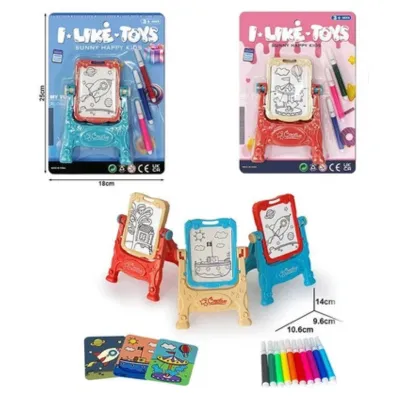
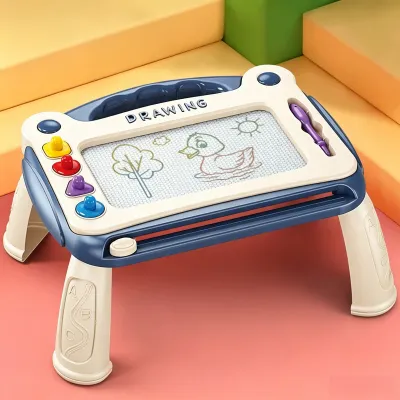
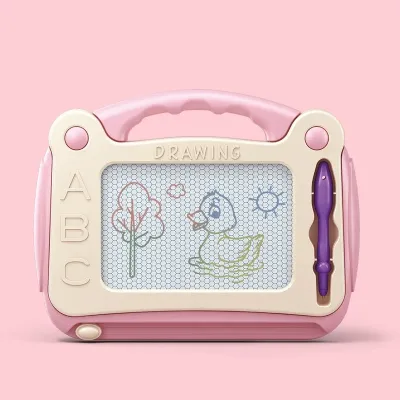
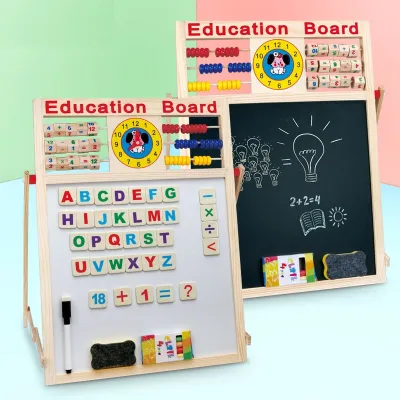
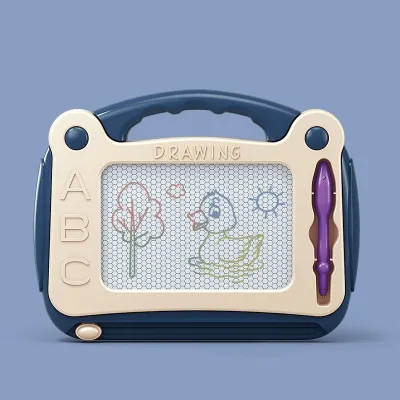
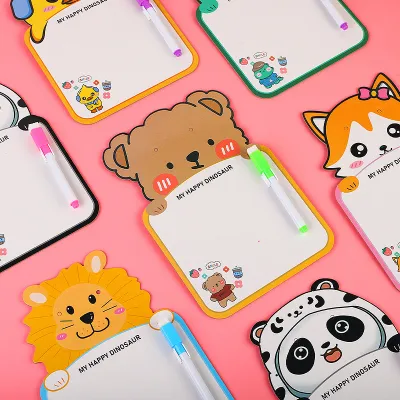
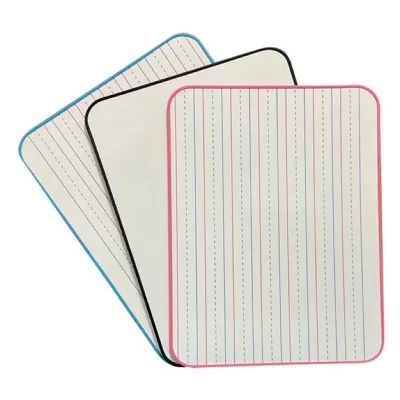
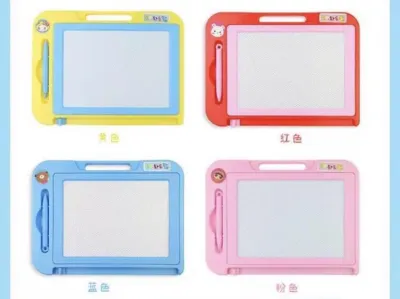
Prices are valid at publication and may change. Please refer to the product page for the latest price.
Key Differences That Affect Crayon and Colored Pencil Use
The physical format of a drawing board does more than hold a piece of paper; it directly dictates how a child interacts with their drawing tools. Crayons and colored pencils require different levels of physical force and hand-eye coordination to deposit pigment effectively onto paper. By examining how posture, gravity, and spatial constraints alter the drawing experience, you can better match the board to your child’s creative habits.

Posture, Grip, and Motor Skill Development
Working on a flat drawing board naturally encourages a seated, focused posture. This position stabilizes the child’s forearm against the table, transferring the fine control of the drawing instrument directly to the wrist and fingers. For children using colored pencils, this stability is crucial. Colored pencils require precise pressure and directional control to shade, blend, and draw fine lines. The flat surface allows the child to rest their palm on the paper, making it easier to master the tripod grip and execute detailed, controlled strokes. However, prolonged sitting can sometimes lead to a hunched posture, especially if the table height is not ergonomically matched to the child.
In contrast, an easel board shifts the entire physical dynamic by requiring the child to work on a vertical or near-vertical plane. Drawing on an upright surface forces the child to extend their arm and engage their shoulder and elbow joints—movements that build gross motor skills and upper body strength. This vertical orientation naturally extends the wrist, which is highly beneficial for early motor development. When using crayons on an easel, children tend to use larger, sweeping motions, drawing from the shoulder rather than just the wrist. This style of drawing is excellent for younger kids who are still developing their fine motor skills and prefer bold, expressive mark-making over intricate details. Furthermore, working on a vertical plane encourages “crossing the midline,” which is the ability to reach across the center of the body with the dominant hand, a key milestone in bilateral coordination. Switching between flat and vertical surfaces throughout the week can provide a balanced physical workout, promoting both fine finger dexterity and gross upper-body coordination.
Medium Control: Gravity, Pressure, and Mess Management
The physical behavior of crayons and colored pencils changes dramatically depending on the angle of the drawing surface. On a flat drawing board, gravity works in your favor by keeping the paper completely stationary. When a child applies heavy pressure with a wax crayon or a hard colored pencil, the downward force is fully supported by the table beneath. This makes it easy for young children to press hard without the paper sliding or the board shifting. However, this horizontal setup means that wax crumbs, pencil shavings, and dust accumulate directly on the drawing surface. If these particles are not regularly brushed away, they can smudge the artwork or get ground into the paper by the child’s hand.
On an easel board, gravity acts differently. Any wax debris or pencil dust generated during drawing falls straight down, keeping the active drawing surface clean. While this keeps the artwork pristine, it means the debris lands on the tray of the easel or directly on your floor. In humid environments, wax crayon crumbs can easily soften and stick to tiles or wooden floors if stepped on, so placing a washable mat or old newspaper beneath the easel is highly recommended. Furthermore, applying pressure on a vertical surface requires more physical effort. If the easel is lightweight or lacks rubberized feet, it may slide backward when the child presses hard with a crayon. Children must also learn to modulate their pressure on an easel; pressing too hard at an awkward angle can snap colored pencil tips or cause the crayon to slip off the paper entirely. To prevent paper from sliding or flapping on an easel, look for models with strong integrated paper clamps, or use low-tack artist tape to secure all four corners of the sheet.
Space, Storage, and Daily Setup
The practical logistics of integrating an art station into your home is another critical factor. Flat drawing boards are highly versatile and require minimal storage space. They can be easily slid under a bed, tucked into a closet, or stored flat on a bookshelf when not in use. This makes them an outstanding option for families living in compact spaces, such as apartments or condominiums. Setting up a flat board is as simple as placing it on a dining table, a study desk, or even the floor.
Freestanding easel boards, particularly classic A-frame or H-frame designs, demand a much larger physical footprint. They require dedicated floor space where they can remain assembled, as folding them down and setting them up daily can become a tedious chore. An easel also requires clear space around it so the child can step back to view their work and move freely. If you are short on space but still want the benefits of a vertical surface, tabletop easels or folding boards offer a practical middle ground. When evaluating these options, always check the folded dimensions, the stability of the adjustment hinges, and the weight of the unit to ensure it is easy to move and store safely. In terms of investment, basic flat boards are highly accessible, often starting around ₱500, while multi-functional standing easels made of solid wood can range from ₱1,200 to ₱2,500 or more.
Safety and Stability Considerations for Active Kids
When selecting any board for kids, structural safety and stability must be your top priorities, particularly for energetic toddlers. Freestanding floor easels carry an inherent risk of tipping over if a child pulls on the frame, leans heavily against the tray, or accidentally bumps into it during play. To mitigate this risk, look for easels with a wide, stable base, non-slip rubber feet, and a low center of gravity. Some premium models feature weighted legs or physical wall-anchoring straps for added security. Always check the manufacturer’s specified weight limits and recommended age range to ensure the structure can handle your child’s physical activity.
Flat drawing boards present different safety considerations. Because they are portable, they can easily slide off a table if they lack proper grip. Look for flat boards equipped with non-slip silicone pads or rubberized backing on the underside to keep them firmly anchored during vigorous coloring sessions. If you are choosing a wooden drawing board, inspect the edges carefully to ensure they are perfectly smooth, rounded, and free of splinters. For plastic boards, verify that the material is durable, impact-resistant, and free of sharp molding seams. If your child is using a board with built-in paper clamps or metal clips, ensure the tension is not so tight that it poses a pinching hazard to small fingers. Always supervise young children during art time, and check the structural integrity of hinges and latches regularly.
How to Choose the Right Board for Kids
To make the best decision for your household, assess your child’s current drawing habits, physical development, and your home’s spatial constraints. Use the following structured guidelines to identify the ideal option:
Choose a Flat Drawing Board if:
- Detailed Artistry: Your child primarily uses colored pencils and enjoys detailed shading, sketching, or coloring books that require precise wrist control.
- Limited Space: You live in a compact home or need an art station that can be packed away in seconds and stored in a drawer or under furniture.
- Younger Toddlers: Your child is in the early stages of learning to hold a crayon and needs a highly stable, fully supported horizontal surface to practice basic grip without the board moving.
- Multi-use Versatility: You want a portable surface that can also be used for homework, reading, or crafting in different rooms of the house.
Choose an Easel Board if:
- Expressive Drawing: Your child prefers using thick wax crayons, oil pastels, or chalk, and enjoys making large, sweeping strokes.
- Postural Support: You want to encourage your child to stand up, move around, and develop their shoulder and arm muscles while creating art.
- Dedicated Art Space: You have a designated playroom or a corner of a room where a permanent, visually engaging art station can remain set up.
- Multi-medium Play: You want a double-sided board that offers a whiteboard or blackboard on one side and a paper roll or clip system on the other.
Consider a Tabletop Easel or Adjustable Drafting Board if:
- The Hybrid Compromise: You want the ergonomic benefits of an angled drawing surface but do not have the floor space for a freestanding easel.
- Growth and Adaptability: You want a board that can adjust its angle as your child grows, transitioning from flat desk work to an inclined drawing position.
Frequently Asked Questions (FAQ)
At what age should a child transition from a flat board to an easel?
There is no rigid age requirement for transitioning from a flat board to an easel, as it depends on your child’s physical coordination and balance. Generally, toddlers can begin experimenting with low tabletop easels or slightly inclined boards as soon as they can sit upright independently and hold a large crayon, typically around 18 months to 2 years. Transitioning to a full-sized, standing floor easel is usually most beneficial around ages 3 to 4. At this stage, children have developed the core strength, balance, and shoulder stability required to stand and draw comfortably for extended periods without fatigue.
Can a flat drawing board be propped up to act like an easel?
Yes, you can temporarily prop a sturdy flat drawing board against a wall or a heavy piece of furniture to create an angled drawing surface. This is an excellent way to test if your child enjoys working on an incline before investing in a dedicated easel. However, you must ensure that the base of the board is secured with non-slip pads or propped against a heavy stopper to prevent it from sliding flat under pressure. Always inspect the edges of the board to confirm they are smooth and will not scratch your walls or furniture, and never prop a board on unstable objects that could collapse or pinch small fingers.
Community discussion
Share your experience or ask a question. Comments are reviewed before publication.