
Starting your creative journey in the Philippines does not have to involve endless trips to specialty stationery shops or navigating confusing online listings for individual supplies. Complete DIY craft kits offer an all-in-one solution, bundling everything you need to finish a project in a single box. For absolute beginners, the ideal kit acts as a gentle introduction to a new hobby, providing clear instructions and forgiving materials that accommodate minor mistakes. By choosing a well-designed starter kit, you can bypass the frustration of sourcing compatible tools and dive straight into the joy of creating.
How to Identify a Truly Beginner-Friendly Craft Kit
To find a kit that ensures a frustration-free experience, you must first evaluate its material completeness. A true beginner kit should be entirely self-contained, meaning it includes essential consumables like specialized adhesives, paints, or threads rather than just the base canvas or mold. Always read the package inclusions list carefully to verify if you need to supply your own tools, as making secondary purchases can quickly stall your enthusiasm.
Instruction clarity is another critical factor when you are learning a physical handcraft. Look for kits that feature highly visual, step-by-step printed guides or, even better, QR codes linking to comprehensive video tutorials. Video demonstrations allow you to observe the exact hand movements, tension, and tool angles required, which is far more helpful than trying to decipher text-heavy manuals.
Products mentioned in this guide
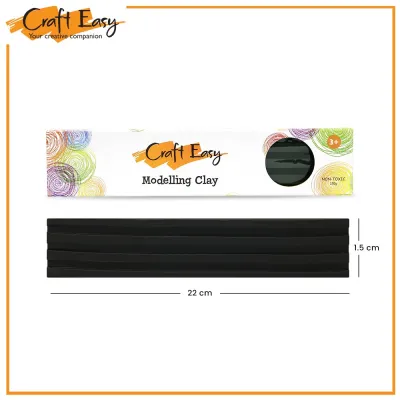
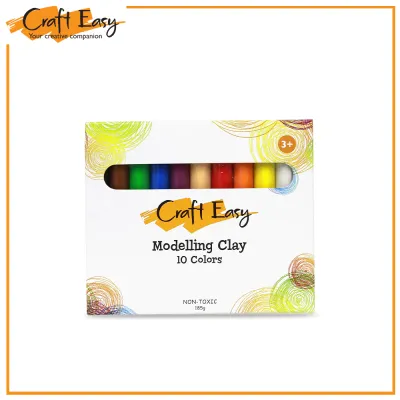
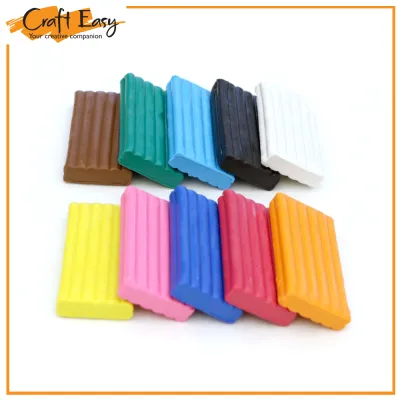
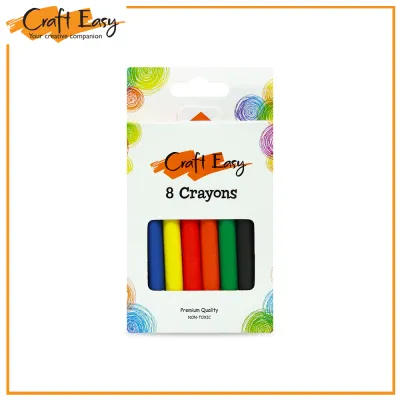
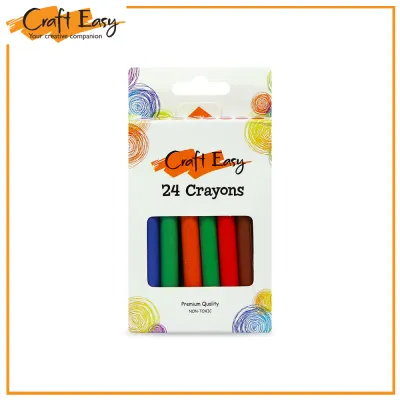
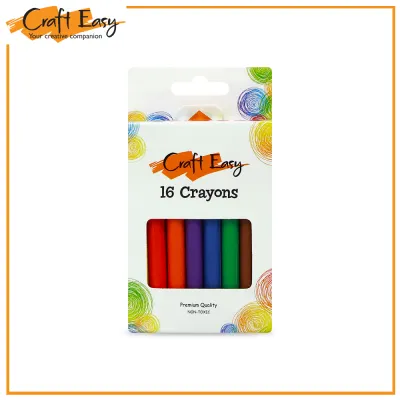
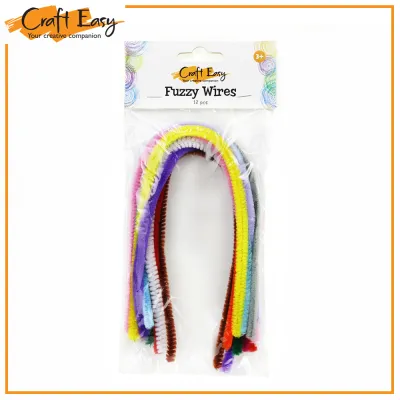
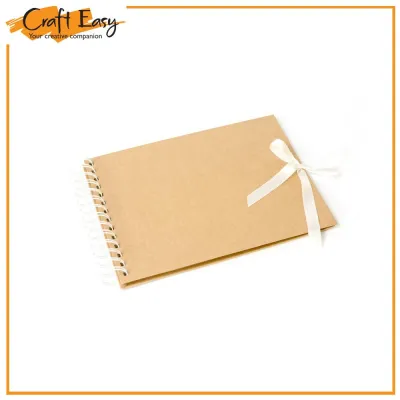
Prices are valid at publication and may change. Please refer to the product page for the latest price.
Finally, check for explicit skill indicators and safety warnings on the packaging. The product description should state “beginner-friendly” or “no prior experience required” to ensure the project matches your skill level. For chemical-based crafts like resin casting or candle making, the kit must clearly outline safety precautions and include basic protective gear, prioritizing your well-being from the start.
Top Categories of Easy DIY Craft Kits to Explore
Choosing your first craft kit depends heavily on your available workspace, your patience level, and what you want to do with the finished product. If you live in a compact condominium or a shared room, a low-mess craft like embroidery or paper crafting is much easier to manage than resin casting or soap making, which require dedicated, well-ventilated areas. Let us explore the four most accessible craft categories for beginners to help you find the perfect match for your lifestyle.

Paper Crafting and Scrapbooking Kits
Paper crafting is incredibly forgiving and requires minimal physical space, making it an excellent starting point. When selecting a starter kit, prioritize options that feature pre-cut or pre-scored paper elements. This design choice eliminates the need for precision cutting tools like craft knives, which can be intimidating for novices. Pre-scored lines also ensure clean, professional-looking folds every time, boosting your confidence as you assemble your first project.
Adhesives are critical in paper crafts, especially in the humid climate of the Philippines. High humidity can cause standard liquid school glues to warp paper or take an exceptionally long time to dry. Look for kits that include double-sided adhesive tape, glue pens, or dry adhesive rollers. These tools provide a strong, immediate bond without introducing moisture, keeping your paper flat and pristine.
Additionally, verify if the kit includes a basic folding tool, such as a plastic bone folder. A dedicated folding tool helps you achieve crisp, sharp creases without tearing or scuffing the paper fibers. This small addition makes a significant difference in the final structural integrity of 3D paper models or handmade scrapbooks.
Basic Embroidery and Cross-Stitch Kits
Textile crafts like embroidery and cross-stitch are highly therapeutic and portable, making them perfect for relaxing after a long day. For your very first kit, look for designs that feature pre-printed or pre-stamped patterns directly on the fabric. Trying to trace a pattern onto fabric using a light source or transfer paper is an extra step that often frustrates beginners. Pre-printed lines guide your needle perfectly and typically wash away easily with water once the project is complete.
A complete beginner textile kit must include a sturdy embroidery hoop (usually made of plastic or smooth bamboo), pre-sorted embroidery floss, and blunt-tipped tapestry needles. Blunt needles are essential for cross-stitch because they slide smoothly through the holes in the Aida cloth without splitting the fabric threads, reducing finger pricks and keeping the process stress-free.
To make the experience even smoother, check if the kit includes a simple needle threader and a highly visual stitch guide. A needle threader saves you from the tedious struggle of threading multi-strand floss through a small needle eye. The accompanying guide should illustrate basic stitches—such as the backstitch, satin stitch, or French knot—using clear, step-by-step diagrams.
Beginner Resin Art and Jewelry Kits
Resin art allows you to create beautiful, glossy jewelry, coasters, and decorative items, but it requires careful handling. Because resin involves a chemical reaction, safety is paramount. A responsible beginner kit should include personal protective equipment (PPE), specifically nitrile gloves, and clear instructions on working in a well-ventilated area. Avoid kits that treat resin like a simple toy; safety guidelines must be prominent.
For ease of use, look for kits that provide pre-measured silicone molds and clear mixing cups with precise graduated markings. Resin typically requires a strict 1:1 or 2:1 mixing ratio by volume or weight to cure properly. Having clear, easy-to-read cups ensures you mix the components accurately, preventing the common beginner pitfall of sticky, uncured resin that refuses to harden.
You must also consider the curing method and local environmental factors. Some kits use UV resin, which cures in minutes under a small UV lamp (often included in the kit), while others use epoxy resin, which cures over 24 to 48 hours via ambient air drying. In the Philippines, high humidity can sometimes affect the curing process of epoxy resin, making UV resin kits an attractive, faster alternative for absolute beginners.
Simple Candle and Soap Making Kits
Candle and soap making are wonderful sensory crafts that fill your home with pleasant aromas. For beginners, it is highly recommended to start with “melt and pour” kits. For soap, this means using a pre-made glycerin base, and for candles, a soy or paraffin wax base that can be easily melted in a microwave or a simple double boiler. Avoid advanced kits that involve handling active lye (sodium hydroxide), as this chemical requires strict safety protocols and precise calculations that are not suitable for a first-time crafter.
A reliable starter kit should include a heat-safe pouring pitcher, a digital or analog thermometer, and skin-safe fragrance oils. Temperature control is crucial in both candle and soap making; pouring the mixture when it is too hot can cause candles to shrink or crack, and can cause soap fragrances to evaporate. A thermometer helps you monitor the exact melting and pouring points recommended in the instructions.
Finally, look for kits that provide detailed guidance on workspace preparation and cooling times. The instructions should explain how to secure the candle wicks using wick holders or glue dots so they stay centered as the wax cools. Understanding how to let your creations cool slowly at room temperature prevents common aesthetic flaws like sinkholes in candles or sweating in soap bars.
What to Check Before Buying a Craft Kit Online
Shopping for craft kits on e-commerce platforms in the Philippines requires a bit of consumer savvy to ensure you get exactly what you pay for. One of the most effective strategies is to thoroughly examine user-generated unboxing photos and videos in the review section. Marketing images are often highly stylized and may show finished products that require advanced skills or additional tools not included in the box. Real customer photos will show you the exact state of the materials, the size of the kit, and whether the packaging survives transit.
Pay close attention to seller ratings and specific feedback regarding missing components. If multiple reviews mention that the kit arrived without crucial items like the correct paint colors, needles, or instructions, it is best to look for an alternative seller. A reliable seller should have a high response rate and a history of resolving packaging errors promptly.
Language accessibility is another critical factor. Many imported craft kits sold online feature instructions written exclusively in foreign languages without English translations. Check the product description or ask the seller directly if the kit includes English instructions or visual video guides. If the instructions are unreadable, you may find yourself struggling to understand the correct assembly steps.
Lastly, always inquire about the shelf life or expiration dates of chemical components before placing your order. Liquid resin, specialized adhesives, and certain soap or candle bases can degrade over time, especially when stored in warm, humid warehouse conditions. Ensuring that the materials are fresh guarantees that your resin will cure properly, your glue will stick securely, and your candle wax will melt evenly.
Essential Tools You Might Need to Add
While high-quality craft kits aim to be as complete as possible, there are several basic household and stationery tools that are rarely included but are essential for a smooth, mess-free crafting session. First and foremost is workspace protection. Depending on the craft, you should lay down a silicone craft mat, a self-healing cutting board, or simple disposable plastic sheeting to protect your dining table or desk from permanent stains, glue spills, or resin drips.
You will also benefit from having a few standard cutting and measuring tools on hand. A sharp pair of precision scissors is invaluable for clean cuts on embroidery floss or paper, while a basic craft knife and a metal ruler help you achieve straight lines that plastic tools cannot match.
Do not forget to prepare your cleanup supplies before you open your kit. Keep a roll of paper towels nearby, along with isopropyl alcohol (which is excellent for cleaning up uncured resin or sticky adhesive residue) and a few cheap, disposable brushes. Having these items ready prevents you from scrambling with messy hands mid-project.
Frequently Asked Questions (FAQ)
Are DIY craft kits more cost-effective than buying supplies separately?
For absolute beginners, DIY craft kits are highly cost-effective. Purchasing individual supplies—such as a full set of embroidery threads, a large cutting mat, or bulk wax—requires a significant upfront financial investment, often costing thousands of pesos. A kit provides the exact, pre-measured amounts of materials you need for a single project, allowing you to test a new hobby for a fraction of the price (often under ₱500 to ₱1,000). If you decide to pursue the craft long-term, buying materials in bulk will eventually become the more economical choice.
What should I do if my kit arrives with missing components?
If your kit arrives incomplete, document the issue immediately. It is highly recommended to record a continuous, unedited video of yourself unboxing the package as soon as it arrives. This video serves as indisputable proof of the package’s contents. Contact the seller directly through the e-commerce platform’s messaging system, share the video, and request a replacement or a partial refund. If the seller is uncooperative, file a formal dispute through the platform’s customer service center to secure a refund.
How long do beginner craft kits typically take to complete?
Most beginner-friendly kits are designed to be completed in one to three active working hours, making them perfect weekend projects. However, you must distinguish between active crafting time and passive waiting time. For example, stitching a small embroidery pattern requires continuous active engagement, whereas resin casting or candle making involves short active periods followed by several hours or even a full day of waiting for the materials to cure or cool. Break larger projects into shorter, relaxed sessions to avoid fatigue.
Community discussion
Share your experience or ask a question. Comments are reviewed before publication.