
An everyday carry (EDC) pen should be more than just a tool to sign receipts or jot down quick notes. For those who value preparedness, a quality edc tactical pen bridges the gap between a dependable writing instrument and a rugged, emergency-ready utility tool. However, choosing the right model requires looking past aggressive marketing and focusing on practical engineering. The ideal tactical pen must balance writing comfort, refill availability, and robust material construction to remain useful in both boardroom meetings and unpredictable environments.
In tropical climates like the Philippines, where high humidity, heavy rain, and sweat are daily factors, your choice of gear faces unique challenges. A pen that slips from your hand when wet or uses ink that smudges on damp paper fails its primary purpose. By evaluating key specifications—from metal alloys to internal ink systems—you can select an EDC tool that performs reliably when you need it most.
Core Build and Material Specifications
The body of an edc tactical pen dictates its durability, weight, and resistance to environmental wear. Manufacturers typically utilize three primary metals, each presenting distinct trade-offs in terms of cost, weight, and daily utility.
Products mentioned in this guide
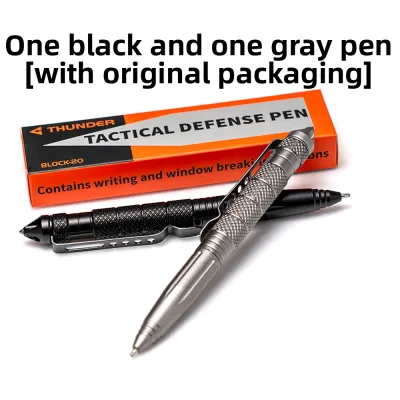
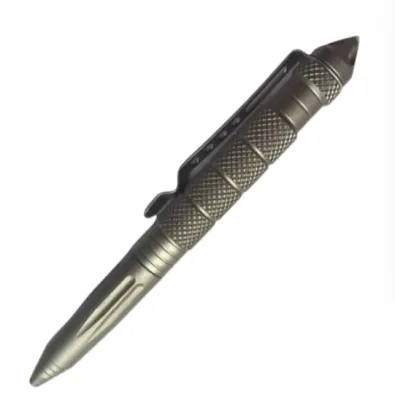
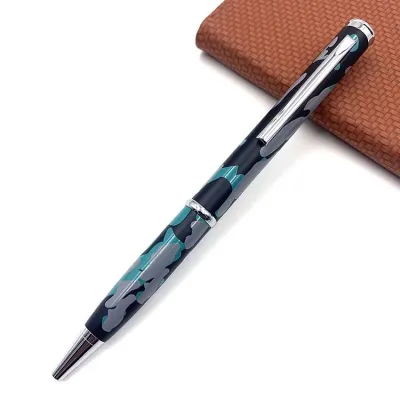
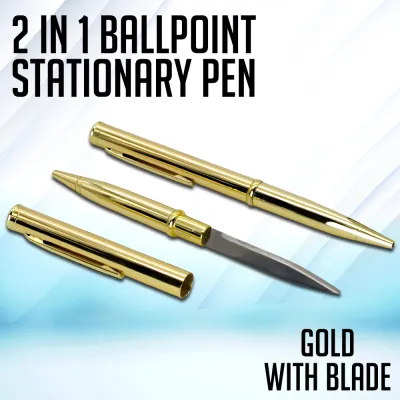
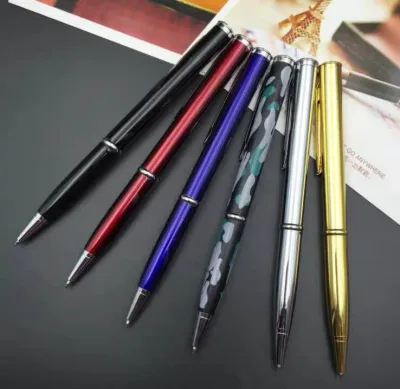
Prices are valid at publication and may change. Please refer to the product page for the latest price.
- Aircraft-Grade Aluminum (6061-T6): This is the most common material for quality tactical pens. It offers an excellent balance of lightweight handling and structural strength. It is highly resistant to corrosion, making it ideal for humid environments, and typically falls into an accessible price bracket, often ranging from ₱1,500 to ₱3,000.
- Titanium: Renowned for its exceptional strength-to-weight ratio, titanium is lighter than steel but incredibly tough. It is virtually immune to rust and sweat-induced corrosion, which is a significant advantage in warm climates. However, titanium pens command a premium price, often exceeding ₱4,500.
- Stainless Steel: This material provides maximum durability and a satisfying, heavy heft. However, the added weight can quickly lead to hand fatigue during prolonged writing sessions. It is also prone to showing fingerprints and scratches unless treated with a matte or stonewashed finish.
Beyond the metal itself, the surface texture or knurling is critical for secure handling. Fine, diamond-patterned knurling or deep machined grooves prevent the pen from slipping when your hands are wet from rain or sweat. When evaluating a pen, look for clean, rounded edges on the grip pattern; overly sharp knurling can irritate your skin during long writing sessions or tear the fabric of your pockets.
It is also wise to look past marketing buzzwords like “military-grade” or specific tactical certifications. For urban everyday carry, extreme specifications designed for combat or deep-sea diving are often overkill. Instead of paying a premium for unnecessary certifications, focus on practical build quality, such as clean threads, integrated O-rings for water resistance, and a finish that does not easily chip.
Ink System and Refill Compatibility
A tactical pen is, first and foremost, a writing instrument. If the ink skips or the refills are impossible to find, the pen will inevitably end up forgotten in a drawer. Understanding the ink delivery system is essential to keeping your pen functional over the long term.

Pressurized ink refills, such as those utilizing technology similar to the Fisher Space Pen, are highly popular in tactical designs. These refills are designed to write upside down, over grease, under running water, and in extreme temperature ranges. While these capabilities sound impressive, you should verify the manufacturer’s specific temperature and pressure ratings if you plan to use the pen in harsh environments. For standard daily use, the primary benefit of a pressurized cartridge is its sheer reliability on damp or vertical surfaces.
Refill format compatibility is another crucial factor for long-term ownership. Many tactical pens are engineered to accept standard refill formats, such as:
- Parker-style G2 refills: Widely available in local stationery stores and online marketplaces across the Philippines, offering a massive variety of gel, hybrid, and ballpoint options.
- Standard rollerball refills (like Schmidt or Pilot styles): Ideal for those who prefer a fluid, dark line, though they may require more care to prevent drying.
- Proprietary cartridges: Some brands force you to purchase their own replacement cartridges. Avoid these unless you are willing to pay high shipping fees and wait for international delivery when your ink runs out.
Ink performance itself is highly dependent on the paper medium you use. In humid conditions, slow-drying inks are prone to smearing, especially on glossy or coated papers. If you work with standard copy paper or pocket notebooks, prioritize quick-drying, water-resistant hybrid or ballpoint inks. Because paper coatings and ink formulations vary widely, always conduct a quick manual test on your preferred paper type to verify drying speed and bleed resistance before carrying the pen daily.
Functional Add-ons vs. Gimmicks
The market is filled with multi-tool pens that promise to do everything from lighting up a room to collecting DNA samples. However, packing too many features into a single writing instrument often compromises its core ergonomics and reliability.
A genuine emergency feature to look for is a high-quality glass breaker tip. To be effective in an emergency—such as escaping a vehicle—the tip must be made of an extremely hard material like tungsten carbide. Ceramic or cheap steel tips may shatter or dull upon impact. Pay close attention to the placement of the glass breaker; it should be positioned where it will not dig into your thumb or palm while you are writing.
Conversely, many other integrated features are often impractical gimmicks. Built-in LED lights, miniature whistles, compasses, or jagged “DNA catching” crowns often add unnecessary bulk. These electronic components are prone to water damage in tropical downpours, and cheap batteries can leak and ruin the pen’s interior. For safety and efficiency, it is almost always better to carry a dedicated compact flashlight or whistle rather than relying on a compromised multi-tool pen.
Furthermore, avoid pens with overly aggressive, spiked, or weaponized designs. Not only do these sharp protrusions make the pen uncomfortable to write with, but they also cause excessive wear and tear on your clothing. More importantly, highly aggressive designs can raise red flags at security checkpoints or violate local regulations regarding the carry of concealed blunt weapons in public spaces. A discreet, streamlined profile is always preferable for daily urban carry.
Size, Weight, and Carry Ergonomics
The physical dimensions of your edc tactical pen determine how often you will actually carry and use it. A pen that is too heavy will stay in your bag, while one that is too bulky will ruin the drape of your pockets.
When selecting a pen, consider the overall length and diameter. A standard comfortable writing length is between 120 mm and 140 mm, with a grip diameter of 9 mm to 12 mm. Anything thicker can feel like writing with a marker, causing hand fatigue during extended note-taking. The weight should ideally fall between 25 and 45 grams; this provides a reassuring heft without dragging down your shirt pocket.
The pocket clip is the unsung hero of any EDC item. Look for a robust, heavy-duty clip made of spring steel or titanium. A deep-carry clip design allows the pen to sit low and discreetly inside your pocket, reducing the risk of it snagging on objects or falling out during active movement. Ensure the clip tension is tight enough to grip thin fabrics, like a lightweight barong or summer shirt, yet flexible enough to slide over thicker denim or utility pants.
Finally, evaluate the pen’s center of gravity. A well-balanced pen should have its weight concentrated toward the lower half or middle of the body. If the pen cap is heavy and must be posted (placed on the back of the pen) while writing, it can create a top-heavy lever effect that strains your wrist. If possible, test how the pen feels in hand both with the cap posted and unposted to ensure a balanced, natural writing experience.
Frequently Asked Questions (FAQ)
Are tactical pens allowed on commercial flights?
No, tactical pens are frequently confiscated at airport security checkpoints. Security personnel, including the Office for Transportation Security (OTS) in the Philippines and international bodies like the TSA, often classify pens with aggressive styling, sharp points, or integrated glass breakers as potential weapons or blunt instruments. If you travel frequently, it is best to carry a discreet, non-tactical metal pen with standard refills to avoid confiscation.
Can a tactical pen be used as a regular everyday writing instrument?
Yes, a well-designed tactical pen can serve as an excellent daily writer. Models that feature balanced weight distribution, comfortable grip knurling, and compatibility with standard refills write just as smoothly as premium office pens. To ensure daily comfort, prioritize designs with removable caps or smooth bolt-action mechanisms over heavy, unbalanced options.
Community discussion
Share your experience or ask a question. Comments are reviewed before publication.