
Finding the right pencil sharpener for your desk often comes down to balancing speed against control, especially when a dull point disrupts your workflow or breaks mid-sentence. While an electric pencil sharpener offers rapid, effortless sharpening that is ideal for high-volume tasks, a manual sharpener provides excellent precision, portability, and reliability without needing a power source. Deciding which one to buy depends on your daily writing or drawing volume, your tolerance for noise, and the specific types of pencils you use. By evaluating how each tool handles physical effort, long-term maintenance, and desk space constraints, you can select the option that keeps your creative or professional work flowing smoothly.
How Do Electric and Manual Pencil Sharpeners Compare in Speed and Daily Effort?
Electric and manual pencil sharpeners offer fundamentally different experiences when it comes to the speed of preparing your writing tools and the physical effort you must exert. An electric model relies on an internal motor to spin the cutting blades, allowing you to sharpen a standard pencil to a fine point in three to five seconds with almost no physical exertion. In contrast, a manual sharpener requires you to supply the mechanical energy, either by twisting the pencil inside a small handheld block or by turning a rotary crank handle on a desk-mounted unit. While this manual process takes longer—often ten to fifteen seconds per pencil—it grants you complete control over the speed and pressure applied during sharpening.
The consistency of the resulting pencil tip is another area where these two designs diverge. Electric sharpeners, particularly those equipped with helical steel blades, excel at producing a highly uniform, symmetrical point every single time. Many electric models feature an automatic stop mechanism that senses when the pencil has reached its desired sharpness, immediately halting the motor to prevent over-sharpening and wood waste. Manual sharpeners, however, rely entirely on your tactile feedback. When using a manual crank sharpener, you must feel for the sudden drop in resistance that indicates the point is fully formed. If you continue cranking past this point, you risk grinding away useful pencil length or snapping the fragile lead core inside the sharpener.
Products mentioned in this guide
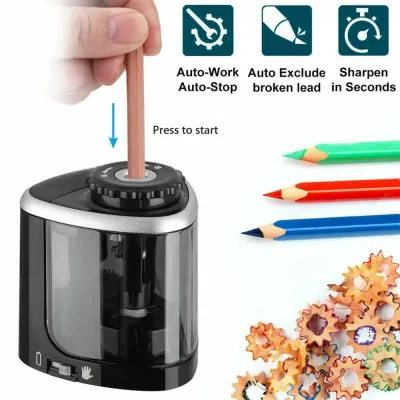
11 Lazada user ratings
easy to use, elegant design, wla ng hirap sa pagtasa, nice product talaga ayos na ayos Design:10 Ease of Use:10 Durability:10
battery operated, i hope it would last
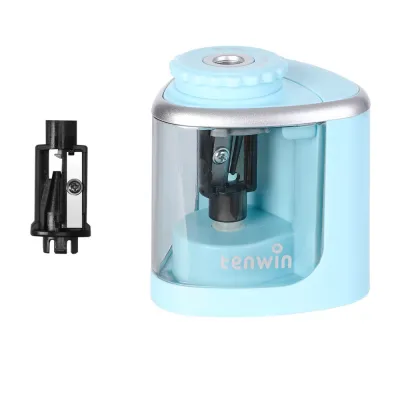
74 Lazada user ratings
Comes with a replacement blade holder, Compact size, great for travel, Provides sharp and precise pencil points, sobrang na amaze kami..kala…Read full reviewShow less
Comes with a replacement blade holder, Compact size, great for travel, Provides sharp and precise pencil points, sobrang na amaze kami..kala ko eme eme lang....ganda..gaaling..
Versatile with manual or electronic options, Easy to use and operate, Compact size, great for travel, Sleek and stylish design, Available in…Read full reviewShow less
Versatile with manual or electronic options, Easy to use and operate, Compact size, great for travel, Sleek and stylish design, Available in multiple trendy colors,
placed order on 10 Feb and received on 18 Feb in my letter box and was informed by Singpost via SMS. It comes with 2 different sizes for sha…Read full reviewShow less
placed order on 10 Feb and received on 18 Feb in my letter box and was informed by Singpost via SMS. It comes with 2 different sizes for sharpening. Easy operating.
Design:Sharpens pencils quickly, Convenient and efficient, Ease of Use:yes Durability:yes fast delivery
Easy to use and operate, Perfect for school and office use,
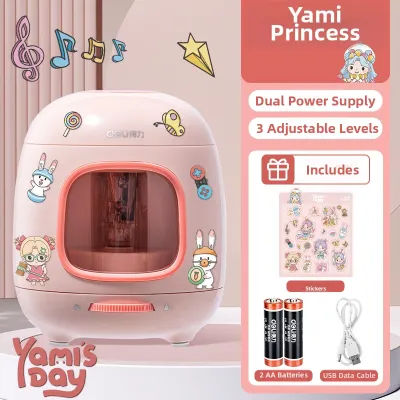
169 Lazada user ratings
This pencil sharpener had its moments when I first got it, but now it doesn't really work well. When I put a pencil in, it doesn't rotate at…Read full reviewShow less
This pencil sharpener had its moments when I first got it, but now it doesn't really work well. When I put a pencil in, it doesn't rotate at all, and I often have to manually shake it to get the pencil sharpened.
This is my first time using an electric pencil sharpener, and it really saves a lot of effort and time. I sharpened a few pencils and found …Read full reviewShow less
This is my first time using an electric pencil sharpener, and it really saves a lot of effort and time. I sharpened a few pencils and found it super convenient. It even came with some stickers and batteries!
It looks great and is easy to operate. It supports both charging and battery power, and applying the stickers yourself adds a nice personal …Read full reviewShow less
It looks great and is easy to operate. It supports both charging and battery power, and applying the stickers yourself adds a nice personal touch. Overall, the functionality is excellent.
super cute i love it i havent tried it yet i just received it may battery sya sana gumana hindi madaling masira
It's been working fine so far, you just have to hold it manually.
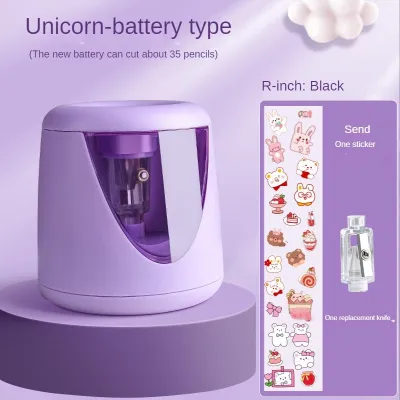
5 Lazada user ratings
I thought its really rechargeable but its not... I feel dissapointed
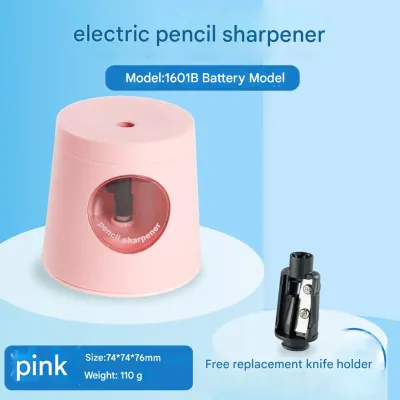
49 Lazada user ratings
ang Ganda nito, Hindi na Ako nahihirapan kapag magpapatasa ng lapis mga students ko .. less Hassle .. thank you coins, magkano ko nalang siy…Read full reviewShow less
ang Ganda nito, Hindi na Ako nahihirapan kapag magpapatasa ng lapis mga students ko .. less Hassle .. thank you coins, magkano ko nalang siya nabili 😁
Ease of Use:is good and easy to understand and use Design:my son likes it Durability:it looks good, I hope it will last long
Ideal for school and office use, Includes replacement knife holder, Electric and automatic sharpening,
Ease of Use:One-handed operation design, Design:Ideal for school and office use,
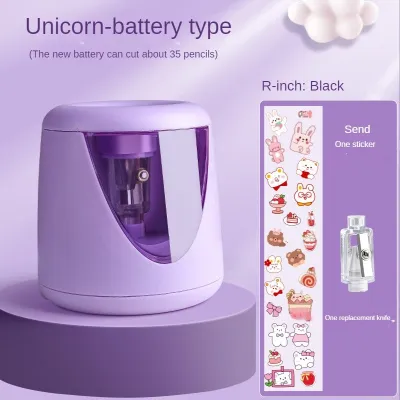
32 Lazada user ratings
Perfect for school use, Fast electric sharpening, my child loved it! overall very happy with the purchase.
goods goods goods goods Colorful purple and blue, Multifunctional design, good good good
did not receive the item. as advised by the rider parcel was lost
Colorful purple and blue, Fast electric sharpening,
Design:nice Ease of Use:good Durability:ok
40 Lazada user ratings
battery operated.... it says in the description its recharchable. also the sharpener is a normal sharpener. ut its good since its automatic
have not tried it yet need to get batteries because it doesn't have a electric port like it shows on the sellers add
Design:nice Ease of Use:good for kids
nice and easy to use

Prices are valid at publication and may change. Please refer to the product page for the latest price.
Control over the sharpening angle is a critical factor for artists, draftspersons, and anyone who uses specialized pencils. Manual sharpeners often provide greater flexibility in this regard, as you can adjust your grip, pressure, and speed to accommodate different core hardnesses. For instance, soft graphite or colored pencils are highly prone to breakage under the high-speed, high-torque rotation of an electric motor. By using a manual sharpener, you can gently shave away the wood casing without putting excessive stress on a delicate core. Some advanced manual rotary sharpeners even feature adjustable point settings, allowing you to choose between a long, sharp point for detailed sketching or a blunt, sturdy point for heavy shading.
Noise levels and workspace disruption are important considerations for shared environments, such as open-plan offices, classrooms, or quiet home libraries. Electric pencil sharpeners are inherently loud, producing a high-pitched mechanical whirr that can easily interrupt a conversation or break someone’s concentration. The sound is brief, but it can be jarring in a silent room. Manual crank sharpeners are significantly quieter, producing a low, rhythmic grinding sound that is much less disruptive. Small, handheld manual twist sharpeners are virtually silent, making them a practical choice for students taking exams or professionals working in quiet communal spaces where any sudden noise is unwelcome.
Finally, the physical footprint and stability of the sharpener during active use affect how you organize your desk. Electric sharpeners are typically heavier and feature non-slip rubber feet or suction cups on the base, allowing them to remain firmly in place on your desk surface. You can easily operate most electric models with a single hand, simply pushing the pencil downward into the opening. Manual crank sharpeners, on the other hand, usually require a two-handed operation: one hand to hold the body of the sharpener steady (or operate a desk clamp) and the other hand to turn the crank. Handheld manual sharpeners require you to hold both the pencil and the sharpener in mid-air, which can lead to graphite dust escaping if you are not careful.
What Are the Long-Term Costs and Maintenance Needs for Each Sharpener Type?
When evaluating the financial aspect of your purchase, the initial investment is only the starting point; you must also consider the long-term costs associated with power consumption, blade wear, and replacement parts. Manual sharpeners are generally the more budget-friendly option upfront, with simple pocket models costing under ₱100 and sturdy, desk-mounted rotary crank models ranging from ₱300 to ₱800. Electric pencil sharpeners represent a more significant initial investment, with prices typically starting around ₱800 and reaching well over ₱2,000 for heavy-duty, office-grade models. This price difference reflects the complexity of the electric motor, safety switches, and automated sensors built into the device.

Power dependencies introduce ongoing operating costs and physical limitations to your desk layout. Electric sharpeners require a constant source of energy to function, which typically comes in one of three forms: a standard wall outlet plug, a USB cable, or replaceable batteries. Models that rely on AA batteries can become expensive to maintain over time if you use the sharpener frequently, and they may lose torque as the batteries drain, resulting in slower sharpening and more frequent lead jams. Corded electric models avoid this power drop but require you to position the sharpener near a power outlet, adding another cable to your desk management setup. Manual sharpeners have zero power dependencies, meaning they cost nothing to operate over their entire lifespan and can be used anywhere, regardless of outlet availability.
The durability and replacement of the cutting blades are crucial for maintaining a clean, sharp point over several years of use. Most high-quality sharpeners—both electric and manual crank—use helical steel cutters, which are cylindrical blades that roll around the pencil to shave the wood. These blades are highly durable, but they will eventually dull after processing hundreds of pencils. In many premium electric sharpeners, the manufacturer offers replacement blade cartridges that you can swap out when the original blades dull, extending the life of the outer housing and motor. For inexpensive manual twist sharpeners, the flat blades dull relatively quickly, and because replacement blades are rarely sold separately, you must replace the entire unit once the cut becomes rough and starts tearing the wood.
Shavings management and routine cleaning are essential to prevent jams and maintain reliable performance in both sharpener types. Electric sharpeners feature a safety switch that automatically cuts power to the motor when the shavings reservoir is removed, preventing accidental injury during cleaning. However, because electric motors generate static electricity, graphite dust and wood shavings tend to cling to the inside of the reservoir and the motor housing, requiring more frequent wiping down. Manual sharpeners are simpler to clean, as they can be easily disassembled and tapped over a waste bin. For both types, wax-based colored pencils present a unique maintenance challenge; the soft wax can melt under friction and coat the blades, reducing their sharpness. To clear this buildup, you should periodically run a standard graphite pencil through the sharpener, as the hard graphite and dry wood shavings will help scrape the wax off the blades.
How Do You Choose the Right Pencil Sharpener for Your Specific Desk Setup?
Selecting the ideal pencil sharpener requires matching the tool’s capabilities to your daily routine, the physical constraints of your workspace, and the specific types of pencils you use. For high-volume environments, such as school classrooms, busy administrative offices, or drafting studios, an electric pencil sharpener is almost always the most practical choice. The sheer speed and lack of physical effort allow users to sharpen dozens of pencils in rapid succession without hand fatigue. However, for artists, illustrators, and designers who work with expensive, fragile colored pencils, pastel pencils, or charcoal, a high-quality manual rotary sharpener is often a more suitable choice because it allows for gentle, slow sharpening that preserves the delicate cores.
Desk space and portability are equally important factors when configuring your workspace. If you have a spacious desk with multiple power outlets and prefer a permanent, stationary setup, an electric sharpener can sit comfortably in a dedicated corner, ready for instant use. If you have a minimalist desk, share a workspace, or frequently move between a home office and a corporate office, a compact manual sharpener is far more convenient. Handheld manual sharpeners can be easily tucked away in a desk drawer or carried in a laptop bag, ensuring you always have a sharpening tool on hand without cluttering your workspace or hunting for an available wall outlet.
Before making your final decision, it is helpful to run through a practical checklist to verify that your chosen sharpener aligns with your specific needs:
- Pencil Diameter Compatibility: Standard pencils are typically 8mm in diameter, but many drawing pencils, colored pencils, and children's beginner pencils are larger (9mm to 12mm). Ensure your chosen sharpener has a multi-hole selector dial if you use non-standard pencil sizes.
- Core Material Suitability: Check the manufacturer's product label to confirm if the sharpener is rated for colored pencils. Some electric models explicitly warn against using colored pencils because the soft wax can clog the motor and void the warranty.
- Noise Tolerance of Your Environment: Consider whether the loud, sudden whirring of an electric motor will disrupt your family members, roommates, or coworkers during quiet hours.
- Power Source Access: If choosing an electric model, decide whether you prefer a corded USB option to plug directly into your computer monitor or laptop dock, a wall adapter, or a battery-powered unit for cord-free convenience.
- Replacement Part Availability: For long-term sustainability, check if the manufacturer sells replacement helical blade assemblies, especially if you are investing in a premium electric or manual rotary model.
By taking the time to analyze these factors, you can invest in a pencil sharpener that not only keeps your writing instruments in excellent condition but also complements your daily workflow and desk organization.
Community discussion
Share your experience or ask a question. Comments are reviewed before publication.