
Choosing between an electric paper cutter and a manual trimmer depends on your daily cutting volume, the thickness of your paper stacks, and your budget. If you manage high-volume print runs, commercial packaging, or heavy office workloads, an electric paper cutter saves time and prevents physical fatigue. For smaller craft projects, occasional office trimming, or tight budgets, a manual cutter offers excellent precision and portability without relying on an electrical power source.
To make the right investment, you must evaluate how each tool handles different paper weights, the physical effort required for operation, and the long-term maintenance needs. While an electric model streamlines repetitive tasks, a manual cutter remains a reliable, low-maintenance staple in many workspaces. Understanding the mechanical differences and operational demands of each type will help you select the machine that best fits your workflow.
Understanding How Electric and Manual Cutters Work
Manual paper cutters rely entirely on physical leverage to slice through paper. They generally fall into two categories: guillotine-style cutters and rotary trimmers. A guillotine cutter features a long, curved lever blade attached to a hinge, which you pull downward to shear through a stack of paper. A rotary trimmer uses a circular blade enclosed in a plastic housing that slides along a metal guide rail, shaving off thin strips of paper with high precision. Both styles require you to manually align the paper, hold it firmly in place—often using a manual clamp or your hand—and apply physical force to complete the cut.
Products mentioned in this guide
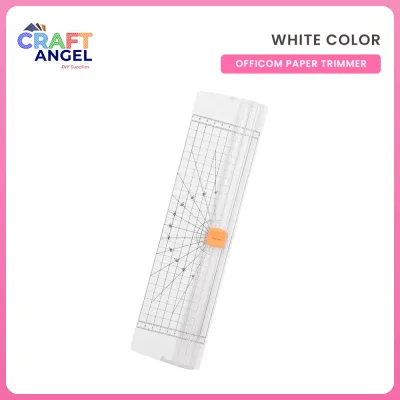
6,073 Lazada user ratings
Convenient and portable size, Easy to use and handle, Durable ABS material, High-quality paper trimmer, Efficient and accurate cutting, Perf…Read full reviewShow less
Convenient and portable size, Easy to use and handle, Durable ABS material, High-quality paper trimmer, Efficient and accurate cutting, Perfect for home or office use, Great for precise cutting, Sleek and stylish design, thank you Craft Angel, Lazada and LEX.PH.
🔨Durability:10/10 🎧Comfort:10/10 Durability:10/10 Sharpness:10/10 🛡️Safety:10/10 Safety:10/10 Efficient and accurate cutting, Comes with extr…Read full reviewShow less
🔨Durability:10/10 🎧Comfort:10/10 Durability:10/10 Sharpness:10/10 🛡️Safety:10/10 Safety:10/10 Efficient and accurate cutting, Comes with extra blades for longer use, High-quality paper trimmer.
Quality: plastic lang, magaan Ease of Use: madali gamitin kaso pababa lang dapat ang pag-cut kasi pag pataas, masisira papel Appearance: cut…Read full reviewShow less
Quality: plastic lang, magaan Ease of Use: madali gamitin kaso pababa lang dapat ang pag-cut kasi pag pataas, masisira papel Appearance: cute heheh
Goods na goods to maganda maraming freebies saka libreng razor suggested ko bili kayo dito ingat nalang medyo manipis yung product pero ok l…Read full reviewShow less
Goods na goods to maganda maraming freebies saka libreng razor suggested ko bili kayo dito ingat nalang medyo manipis yung product pero ok lang
Goo quality and very affordable. Good for cutting 2-3 bondpaper kaya goods madaling gamitin. And may free blades pa
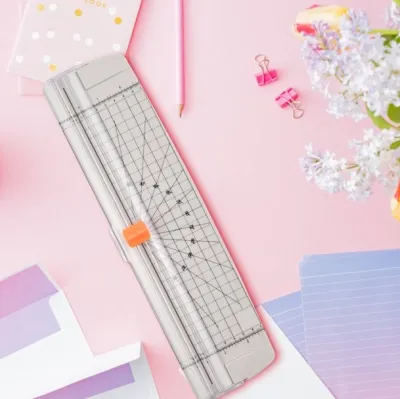
104 Lazada user ratings
Durable construction for long-lasting use., Great for crafting and scrapbooking., Smooth cutting action., Convenient size for A4 paper., Com…Read full reviewShow less
Durable construction for long-lasting use., Great for crafting and scrapbooking., Smooth cutting action., Convenient size for A4 paper., Compact and portable design.,
Convenient size for A4 paper., Compact and portable design., Perfect for cutting laminated paper., Accurate measurements for precise cuts.,
ok nmn maganda ang quality may magagamit nako for my school activity love the item its convenient to use ill by again next month
Efficient and precise cutting., Smooth cutting action., Compact and portable design., Perfect for cutting laminated paper.,
Great for crafting and scrapbooking., Versatile tool for various paper projects., Compact and portable design.,

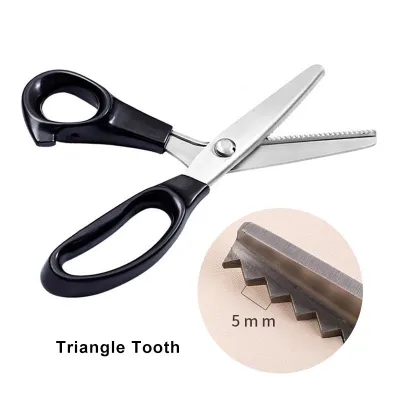
Prices are valid at publication and may change. Please refer to the product page for the latest price.
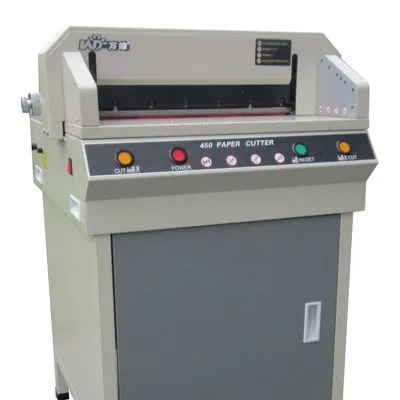
Electric paper cutters automate this process using motorized blades and clamping systems. Instead of pulling a lever or sliding a carriage, you place your paper stack against an adjustable backgauge, set your measurements, and activate the machine. Most electric models utilize dual-button controls or a foot pedal to engage a powerful motor that drives a heavy-duty blade straight down through the stack. The machine also applies automatic clamping pressure to keep the paper from shifting during the cut. This motorized action eliminates physical strain, ensuring that the first cut of the day is just as effortless as the last.
Cutting Volume and Speed: Matching Your Daily Output
When evaluating cutting volume, the primary difference lies in how each machine handles repetitive tasks over an extended period. Manual cutters are highly efficient for quick, single-cut tasks, such as trimming a single photograph or adjusting the borders of a few laminated sheets. However, if you need to cut hundreds of flyers, brochures, or book blocks daily, manual cutting quickly becomes exhausting. The physical fatigue of repeatedly pulling a heavy lever not only slows down your production speed but can also lead to inconsistent cuts as your arm tires.

Electric paper cutters are designed specifically for high-volume batch cutting. A motorized cutter can slice through a thick stack of paper in a matter of seconds, allowing you to process thousands of sheets in a fraction of the time it would take manually. Because the motor provides consistent downward force, every cut in a batch remains identical, regardless of how many hours the machine has been running.
However, it is important to consider the duty cycle of your equipment. Entry-level electric models often have specific duty cycle limitations, meaning the motor may require cooling periods after a certain amount of continuous use to prevent overheating. In contrast, heavy-duty manual lever cutters have no electrical components to overheat, allowing for unlimited, continuous operation as long as you have the physical stamina to operate the lever. For businesses operating in warm, humid environments, monitoring the heat buildup of electric motors during peak production hours is a crucial step in maintaining equipment longevity.
Precision, Sheet Capacity, and Material Handling
Achieving a clean, precise cut requires proper alignment tools and adequate clamping pressure. Both manual and electric cutters feature measurement grids, ruler markings, and adjustable backstops to help you align your paper. On manual rotary trimmers, precision is highly visible because you can see the exact path of the blade along the rail. On electric cutters, precision is often enhanced by digital backgauges and optical cutting lines—a bright red laser line projected onto the paper stack showing exactly where the blade will fall.
Sheet capacity varies dramatically between the two types. Manual rotary trimmers are typically limited to 10 to 30 sheets of standard paper per cut, making them ideal for single-sheet precision. Heavy-duty manual guillotine cutters can handle thicker stacks, sometimes up to 400 sheets, but require significant physical effort to slice through the entire pile. Electric paper cutters easily handle thick-stack batch cutting, with many models effortlessly slicing through stacks of 500 to 800 sheets of paper at once.
Material versatility is another critical factor. While standard copy paper is easy to cut, denser materials like heavy cardstock, laminated sheets, chipboard, or photographs place more strain on the blade. High humidity levels, common in tropical climates, can make paper fibers damp and limp, which increases friction and causes paper to bunch or tear rather than cut cleanly. When working with diverse materials, always check the manufacturer’s specifications to ensure the blade and motor can handle the specific density. To verify edge smoothness and check for tearing before running a full batch, always perform an observable test cut on a scrap piece of your specific material.
Budget, Maintenance, and Workspace Footprint
The initial financial investment is often the deciding factor for many buyers. Manual paper cutters are highly accessible, with basic rotary trimmers and small guillotine models ranging from a few hundred to a few thousand pesos (₱). These tools represent a low-risk investment for home offices, schools, and small craft businesses. Electric paper cutters, by contrast, are precision industrial machines that require a significant capital outlay, often costing tens of thousands of pesos (₱).
Beyond the purchase price, you must consider long-term maintenance and the physical footprint of the machine. Manual cutters are lightweight, highly portable, and can be easily stored in a cabinet or hung on a wall when not in use. They require minimal maintenance, usually limited to wiping away paper dust and occasionally replacing the cutting mat or sharpening the blade.
Electric models are heavy, stationary appliances that require dedicated desk or floor space. They also demand a more rigorous maintenance routine to ensure safe and reliable operation. This includes regularly clearing paper dust from internal sensors, lubricating moving parts like the backgauge screw, and checking the blade edge for wear. In humid environments, steel blades are susceptible to rust if left unprotected. Applying a light coat of machine oil as recommended by the manufacturer can prevent corrosion and extend the life of your blade.
Decision Framework: Which Cutter Fits Your Workflow?
To determine which paper cutter aligns with your daily operations, evaluate your specific workflow requirements against the following criteria.
Choose an electric paper cutter if:
- You regularly process high-volume print jobs, bookbinding projects, or commercial packaging that require cutting hundreds of sheets simultaneously.
- You need to minimize physical labor and repetitive strain injuries in a busy office or print shop environment.
- Your workflow demands rapid, identical cuts with digital precision and programmable backgauge settings.
- You have a dedicated, permanent workspace with access to reliable power outlets and a budget that accommodates a premium commercial tool.
Choose a manual paper cutter if:
- Your cutting tasks are occasional, low-volume, or limited to single-sheet precision trimming for crafts, photos, or laminates.
- You operate on a tight budget and want to avoid high upfront costs and ongoing electrical maintenance.
- You require a portable tool that can be easily moved between classrooms, workshops, or different desks.
- Your workspace is limited, and you cannot dedicate permanent floor or table space to a heavy machine.
Verify first if:
- The cutter's maximum sheet capacity and cutting length match your standard paper sizes (such as A4, Letter, or Legal) and paper weights.
- Replacement parts, such as cutting sticks, blades, and lubricants, are readily available in your local market.
- The manufacturer's warranty covers motor defects for electric models, and local service centers are accessible for professional sharpening or repairs.
Safety Features and Operational Best Practices
Because paper cutters utilize extremely sharp blades under high pressure, safety must be your top priority during operation. Electric paper cutters are equipped with advanced, multi-layered safety systems designed to prevent accidental activation. Most modern electric models feature a two-hand safety system, requiring you to press two separate buttons simultaneously to lower the blade. This ensures your hands are completely clear of the cutting zone during operation. Additionally, many electric cutters include infrared safety light curtains that instantly freeze the blade if any object breaks the light beam, as well as prominent emergency stop buttons.
Manual cutters rely more heavily on user caution and basic mechanical guards. Guillotine cutters should always feature a secure safety latch to lock the blade arm down when the machine is not in use. Look for models with built-in finger guards—typically a plastic barrier running parallel to the blade path—to keep your hands at a safe distance. When using a manual cutter, always maintain a firm grip on the handle, keep your non-dominant hand well behind the safety guard, and never attempt to bypass or remove the protective shields.
Regardless of the type of cutter you choose, always read the specific product manual before your first use. Keep your workspace clean and free of clutter, as loose items can interfere with the cutting path or cause accidental slips. For electric units, always unplug the power cord before performing any maintenance, cleaning paper dust, or replacing the cutting stick to eliminate the risk of accidental activation.
Frequently Asked Questions (FAQ)
Can I sharpen the blade of my paper cutter at home?
Sharpening a paper cutter blade at home depends entirely on the blade type and your technical experience. Small manual rotary blades are inexpensive and often easier to replace entirely rather than sharpen. Guillotine blades and heavy-duty electric cutter blades have precise bevel angles that are difficult to replicate with manual sharpening stones. Attempting to sharpen these blades at home can result in an uneven edge, which causes jagged cuts and can permanently ruin the blade. For electric and heavy-duty manual cutters, it is highly recommended to have the blade serviced by a professional sharpening service or to purchase an official manufacturer replacement blade to preserve your machine’s performance and warranty.
Do electric paper cutters require a specific type of power outlet?
Most standard office electric paper cutters are designed to operate on standard household electrical outlets. In the Philippines, this typically means a standard 220V outlet. However, heavy-duty industrial stack cutters may require a dedicated circuit or a higher amperage outlet to handle the motor’s power draw safely. Always check the electrical specification label on the back of the machine before plugging it in. To protect the sensitive digital components and control boards of an electric cutter from voltage fluctuations, it is highly recommended to plug the unit into a high-quality surge protector or an uninterruptible power supply (UPS).
Community discussion
Share your experience or ask a question. Comments are reviewed before publication.