
Choosing the right fabric is the foundation of any successful embroidery or cross-stitch project, directly influencing your stitching speed, the clarity of your design, and the durability of the finished piece. For counted thread work like cross-stitch, structured fabrics with highly visible, uniform grids such as Aida cloth or evenweave are ideal because they allow for precise stitch placement. For freeform surface embroidery, tightly woven, non-stretch fabrics like linen or cotton calico provide the necessary support to hold heavy decorative stitches without puckering. Selecting the perfect material requires balancing your current skill level with the specific demands of your pattern, the weight of your embroidery floss, and the environmental conditions of your workspace.
Understanding Common Embroidery and Cross-Stitch Fabrics
When selecting a fabric, the weave structure determines how you will execute your stitches. Aida cloth is the most recognizable fabric in the needlework world, characterized by its distinct block-weave structure. Woven from 100% cotton, its threads are grouped into blocks with clearly visible holes at each corner. This grid system makes it incredibly easy to count stitches and maintain uniform tension, which is why it serves as the global standard for beginners and structured cross-stitch patterns.
Evenweave fabrics offer a softer, more fluid alternative to the rigid structure of Aida. Unlike Aida, evenweave is woven with single threads spaced at exact, uniform intervals. Because the threads are not grouped into blocks, evenweave has a much softer drape and a more refined appearance. It is highly favored for projects featuring fractional stitches, such as quarter or half stitches, because the needle can easily pass between the threads rather than piercing a stiff block.
Products mentioned in this guide
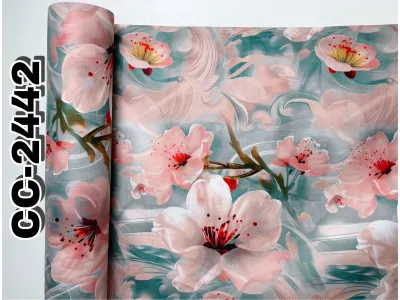
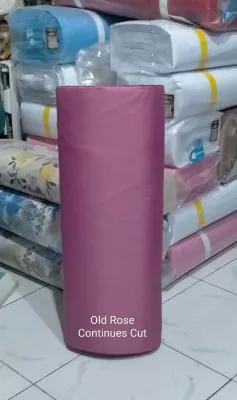
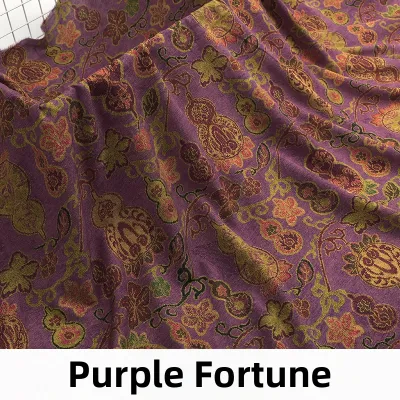
Prices are valid at publication and may change. Please refer to the product page for the latest price.
Linen is a traditional evenweave fabric woven from natural flax fibers, celebrated for its distinct, rustic texture. It features natural variations in thread thickness, known as slubs, which give finished pieces an elegant, heirloom quality. However, these slight irregularities require a keen eye and consistent tension, making linen a popular choice for advanced stitchers who appreciate an organic background texture.
For specialized applications, crafters often turn to waste canvas or plastic canvas. Waste canvas is a temporary, stiffly starched grid that you baste onto regular clothing or non-evenweave fabrics; once you complete your stitches, you wet the fabric to dissolve the starch and pull the canvas threads out one by one. Plastic canvas, on the other hand, is a rigid, synthetic grid that does not fray, making it perfect for three-dimensional projects like bookmarks, ornaments, or small decorative boxes.
Matching Fabric Types to Your Skill Level and Project
Selecting the right fabric involves matching your current crafting experience with the complexity of your project. If you are just starting your stitching journey, lower-count Aida cloth, such as 11-count or 14-count, is the most forgiving option. The large, distinct holes reduce eye strain and minimize counting errors, allowing you to focus on mastering basic cross-stitches and maintaining even thread tension.

As your confidence grows, transitioning to higher-count evenweaves or linen, such as 28-count or 32-count stitched \”over two\” threads, opens up a world of refined detail. These fabrics allow for intricate specialty stitches, delicate backstitching, and unstitched background areas that look like fine linen rather than an obvious grid. This transition elevates the overall aesthetic of your work, making it look more like a painting and less like a grid-bound pattern.
Your choice should also reflect how the finished item will be used and displayed. For framed wall art, a stiff fabric like Aida or heavily starched linen keeps the design taut and crisp. For wearable garments, table runners, or throw pillows, a soft evenweave or flexible linen is superior because it moves naturally and withstands gentle laundering. In warm, humid tropical climates like the Philippines, choosing breathable, high-quality natural fibers like pure cotton or linen helps prevent moisture retention, which can lead to fabric warping or mildew over time.
Decoding Fabric Count and Calculating Material Size
Fabric count refers to the number of holes or threads per linear inch, which dictates the scale of your finished design. For example, 14-count Aida has 14 stitches per inch, while 28-count evenweave has 28 threads per inch. If you stitch \”over two\” threads on a 28-count fabric, your final design will be the exact same physical size as if you stitched \”over one\” on 14-count Aida. Higher fabric counts result in smaller, more detailed stitches, while lower counts yield larger, bolder designs.
To avoid running out of fabric near the edges, always calculate your dimensions before cutting. First, divide the stitch count of your pattern by your fabric count to find the design size. For instance, a 140-stitch wide pattern on 14-count Aida is 10 inches wide. Next, add a margin of at least 2 to 3 inches, or approximately 5 to 7.5 centimeters, on all four sides. This extra border provides enough fabric to secure in your embroidery hoop or Q-snap frame and leaves ample room for professional framing or finishing.
When browsing local craft shops or online marketplaces, always check the product specifications for fiber content, fabric count, and dimensions. Whether you are purchasing a pre-cut piece for ₱150 or buying by the meter, verifying these details prevents costly mistakes. Ensure the listing specifies whether the fabric is sold by the yard, meter, or pre-cut fat quarter, and verify that the weave is described as \”evenweave\” or \”square weave\” rather than utility fabrics, as uneven warp and weft threads will distort your circular designs into ovals.
Preparing and Maintaining Your Fabric Before Stitching
Proper preparation prevents common issues like shrinkage, fraying, and creasing during the embroidery process. While standard, mass-produced white Aida rarely requires pre-washing, natural linen and hand-dyed fabrics are prone to shrinkage and color bleeding. If you plan to wash your finished piece later, pre-wash your fabric in lukewarm water with a mild, pH-neutral soap. This is especially crucial in humid environments where sweat from your hands can react with unstable dyes during long stitching sessions.
To prevent your fabric from unraveling while you work, secure the raw edges before mounting it in a hoop. You can run a quick zigzag stitch or overlock stitch along the edges using a sewing machine. Alternatively, wrap the raw edges with acid-free masking tape, or apply a thin line of fabric fray check adhesive, allowing it to dry completely before you begin stitching.
Maintaining a smooth stitching surface requires safe ironing and storage practices. Always iron your fabric on the reverse side using a clean, dry iron set to the appropriate fiber setting, such as cotton or linen. To protect the texture of your stitches, place the fabric face down on a soft, clean towel while ironing. Store your unused fabrics rolled rather than folded to prevent permanent creases, and keep them in a cool, dry place away from direct sunlight to protect them from tropical humidity and dust.
Frequently Asked Questions (FAQ)
Can I use standard cotton fabric for cross-stitch?
Yes, but it requires extra preparation because standard quilting cotton lacks a visible, uniform grid. To cross-stitch on regular cotton, you must baste a layer of waste canvas or water-soluble canvas over the fabric to guide your needle. This method is highly effective for customizing denim jackets, tote bags, or plain cotton shirts with precise cross-stitch patterns.
What is the practical difference between 14-count and 18-count Aida?
The primary difference lies in stitch density and design scale. A 14-count Aida has larger holes and requires two or three strands of embroidery floss for full coverage, making it easier to read and faster to stitch. An 18-count Aida has smaller, tighter holes, requiring only one or two strands of floss; it produces a highly detailed, compact design that takes up less physical space but demands more visual focus.
Do I need to pre-wash Aida cloth before starting my project?
Generally, standard commercial Aida cloth does not need to be pre-washed, as it is treated with sizing starch to keep it stiff and easy to handle. However, you should pre-wash it if you are using dark-colored or hand-dyed Aida to ensure the dye is colorfast, or if the fabric has become soiled or creased during storage.

Community discussion
Share your experience or ask a question. Comments are reviewed before publication.