
Choosing the right writing instrument often comes down to a balance between convenience and performance. For students, professionals, and journal enthusiasts, erasable ballpens offer the perfect middle ground, combining the clean look of ink with the forgiving nature of a pencil. However, not all erasable pens perform equally. When purchasing these pens in bulk, such as an erasable ballpen 1 box package, understanding how different brands compare in writing smoothness and erase quality is essential to ensure a consistent writing experience.
Unlike standard ballpoint pens that use dye- or pigment-based oil inks, erasable pens utilize specialized thermo-sensitive ink. This ink remains visible under normal conditions but becomes transparent when subjected to friction-generated heat. Because this chemical formulation differs significantly from traditional ink, factors like tip size, paper compatibility, and environmental temperature play a massive role in how smoothly the pen glides across the page and how cleanly the writing disappears.
In tropical climates like the Philippines, where high humidity and elevated ambient temperatures are common, the performance of thermo-sensitive ink can vary even more. High humidity can affect how quickly the ink dries on the page, while ambient heat can influence the stability of the ink inside the cartridge. Evaluating these pens systematically helps you avoid common pitfalls, such as scratchy writing, faded lines, or stubborn ghosting marks that ruin your notes.
Products mentioned in this guide
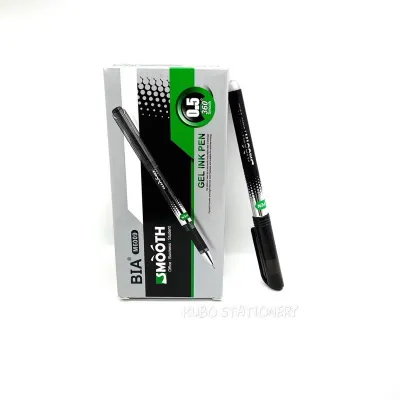
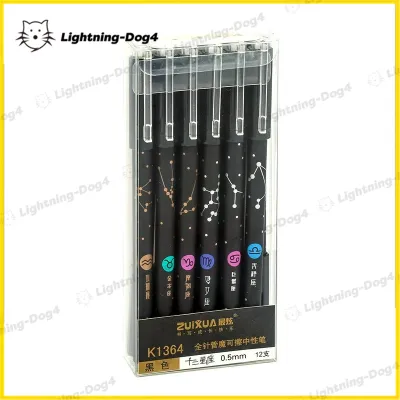
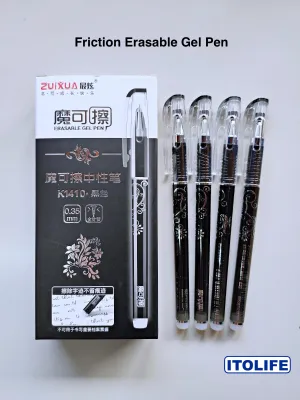
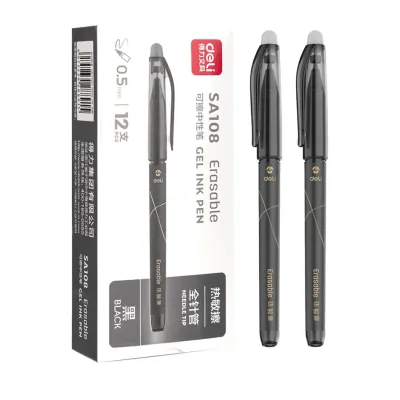
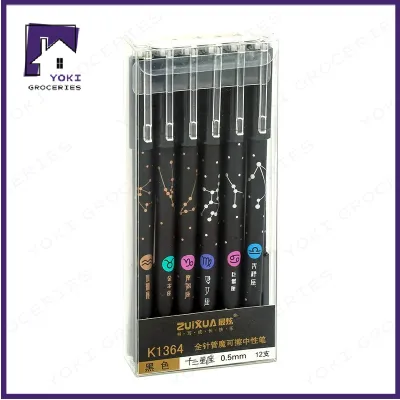
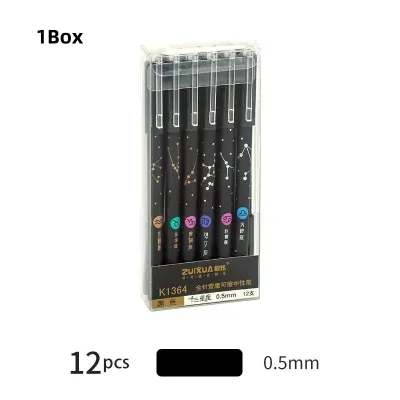
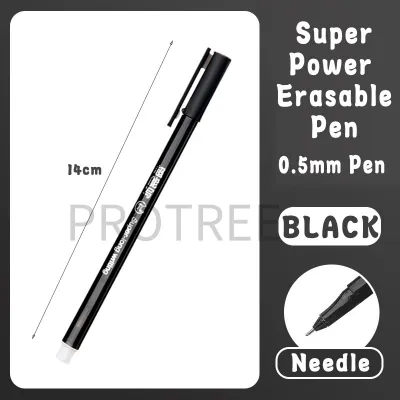

Prices are valid at publication and may change. Please refer to the product page for the latest price.
Key Criteria for Evaluating Erasable Ballpens
To make an informed choice when comparing erasable ballpen brands, you must first understand the physical and chemical specifications that dictate their performance. The most apparent variable is the tip size, typically ranging from ultra-fine 0.5mm to medium 0.7mm. A 0.5mm tip provides a finer, more precise line, making it ideal for detailed diagrams, small planners, or compact handwriting. However, smaller tips naturally create more friction against the paper, which can sometimes result in a scratchy feel if the ink flow is not perfectly calibrated. Conversely, a 0.7mm tip delivers a broader, wetter line that glides more effortlessly, though it may bleed slightly more on low-quality paper.
Beyond the tip, the formulation of the thermo-sensitive ink itself determines both color contrast and writing consistency. High-quality erasable inks should lay down a vivid, solid line without skipping. Some budget brands suffer from a diluted formulation, resulting in a greyish, washed-out appearance rather than a deep black or vibrant blue. The challenge for manufacturers is balancing this color density with erasability; highly concentrated pigments can be more difficult to render completely transparent, often leaving behind a faint shadow or residue after erasure.
Finally, the physical design of the pen body significantly impacts your writing comfort during long sessions. Look closely at the barrel ergonomics, grip materials, and weight distribution. A soft, rubberized grip helps reduce hand fatigue, especially since erasable pens sometimes require slightly more downward pressure to write consistently compared to standard gel pens. The placement and material of the built-in eraser are also critical. A sturdy, non-abrasive silicone eraser integrated into the pen cap or tail ensures you can apply targeted friction without tearing the paper fibers.
How to Test Writing Smoothness and Erase Quality
Because standardized performance metrics for stationery are rarely published, conducting your own hands-on testing is the most reliable way to evaluate a new box of pens. To begin, gather a few different paper types, as paper texture and density heavily influence ink behavior. Standard 70gsm copy paper, premium 80gsm notebook paper, and slightly textured sketch paper are excellent test subjects. Write a series of continuous loops, tight grids, and rapid signatures to observe how well the ink flows. Note whether the pen skips during fast strokes or if the ink pools at the ends of letters.

To test drying speed and bleed resistance, write a single line and immediately swipe your finger across it at one-second intervals. In humid environments, some wetter inks can take several seconds to dry completely, making them prone to smudging, particularly for left-handed writers. Additionally, flip the paper over to check for feathering (where the ink spreads sideways along the paper fibers) and bleed-through. A high-quality erasable pen should sit cleanly on top of the paper without soaking through to the other side.
Evaluating erase quality requires testing both immediate and delayed erasure. Write a sentence and erase half of it immediately using the pen’s built-in silicone tip. For the other half, wait twenty-four hours before attempting to erase it, as some inks bond more permanently with paper fibers over time. Observe the erased area under direct, angled lighting to check for ghosting, which is the faint, lingering outline of the original writing. A superior erasable pen will leave the paper looking clean and white, without tearing, warping, or leaving a greasy residue behind.
Buying Erasable Ballpens by the Box: What to Consider
When you decide to purchase an erasable ballpen 1 box set, which typically contains twelve pens, you are shifting from a casual trial to a bulk commitment. The primary advantage of buying by the box is the lower cost per unit. To find the best value, calculate the price per pen in ₱ by dividing the total box price by the number of pens included. Compare these rates across physical stationery stores and reputable online marketplaces. Keep in mind that while bulk purchases save money upfront, they are only economical if every pen in the box performs reliably.
Bulk storage introduces the critical factor of ink shelf life. Thermo-sensitive ink is highly vulnerable to environmental conditions. In the Philippines, storing a box of erasable pens in a hot room, near a sunny window, or inside a parked car can inadvertently reach the temperature threshold that turns the ink transparent inside the cartridge. To prevent this, store your boxed pens in a cool, dry drawer away from direct sunlight and heat sources. Keeping the pens stored horizontally can also help maintain consistent ink distribution near the tip, preventing dry-out.
Another long-term consideration is whether the pens are designed to be refillable or disposable. Many premium brands offer dedicated ink refills that can be purchased separately. If you choose a refillable model, buying a single box of pen bodies and a matching set of refills is often far more cost-effective and environmentally friendly than repeatedly buying entire boxes of disposable plastic pens. Always verify the availability and compatibility of refills for your chosen brand before committing to a bulk purchase.
Decision Framework: Choosing the Right Pen Characteristics
To select the perfect erasable pen for your daily routine, map your specific writing habits to the physical characteristics of the pen. If your primary goal is neat, dense note-taking, such as filling out compact planners, ledger books, or detailed study guides, prioritize pens with a 0.5mm or finer tip. These finer tips allow for precise character formation and prevent your writing from blending into an illegible smudge. Pair these fine-tip pens with high-contrast ink formulations to ensure your small handwriting remains highly readable.
If your work demands speed and comfort, such as drafting long essays, taking rapid lecture notes, or sketching quick diagrams, a 0.7mm tip with a smoother, gel-like flow is the better choice. The broader tip reduces friction against the paper, allowing the pen to glide effortlessly with minimal hand pressure. This characteristics significantly reduces wrist strain during extended writing sessions, though you should be prepared for slightly longer drying times.
Before finalizing your purchase, always verify the paper compatibility of your intended stationery. If you plan to write on glossy, coated, or highly specialized paper, test a single pen first if possible. Coated papers often resist thermo-sensitive inks, leading to severe smudging and poor erase quality, while very thin paper may buckle or tear under the friction required to erase the ink.
Finally, recognize the absolute boundaries of erasable ink technology. Because the ink is designed to disappear under heat, it is entirely unsuitable for documents requiring archival permanence, legal validity, or official signatures. For contracts, checks, government forms, or school exams that will be graded under unpredictable conditions, traditional non-erasable ballpoint or gel pens remain irreplaceable. Use erasable pens strictly for personal notes, drafts, and creative projects where flexibility is valued over permanent record-keeping.
Frequently Asked Questions (FAQ)
Can erasable ballpens be used for legal or official documents?
No, erasable ballpens must never be used for legal documents, checks, contracts, or official government forms. The thermo-sensitive ink used in these pens is chemically unstable compared to standard archival inks. If a document signed with an erasable pen is exposed to heat—such as being left in a hot car, run through a laminator, or photocopied on a warm machine—the writing can completely disappear. Conversely, exposing the document to extreme cold can cause the erased ink to reappear, creating legibility and security issues.
How does heat affect the ink in a boxed batch of erasable pens?
Thermo-sensitive ink relies on a chemical reaction that triggers transparency at temperatures typically around 60°C. In tropical regions, ambient temperatures in enclosed spaces like storage sheds, delivery trucks, or sunny rooms can approach this threshold. If a boxed batch of pens is exposed to high heat during storage or transit, the ink inside the cartridges may turn completely clear, making the pens appear dry or empty when you try to write. To restore the ink, you can place the affected pens in a freezer for a few hours, which often coaxes the pigment back to its visible state.
Why does the erased area sometimes leave a shiny residue?
The shiny residue left behind after erasing is usually a physical change in the paper rather than a chemical leftover from the ink. The silicone tip on an erasable pen generates heat through friction, which requires you to rub the paper firmly. This rubbing action compresses and flattens the delicate paper fibers, creating a smooth, burnished surface that reflects light differently than the surrounding unrubbed paper. To minimize this shiny effect, use high-density, high-quality paper and apply lighter, more controlled pressure when erasing.
Community discussion
Share your experience or ask a question. Comments are reviewed before publication.