
Choosing between an erasable highlighter and a regular highlighter comes down to whether you prioritize flexibility or permanence. Erasable highlighters use specialized thermo-sensitive ink that disappears under friction-generated heat, making them excellent for rented textbooks, temporary planners, and anyone who dislikes messy mistakes. Regular highlighters, on the other hand, rely on traditional fluorescent dyes that bind permanently to paper fibers, offering maximum color vibrancy, long-term durability, and resistance to environmental heat. If you are a student who plans to resell textbooks or a planner enthusiast who frequently rearranges schedules, erasable highlighters provide the freedom to correct errors. However, if you are archiving official documents, preparing legal briefs, or working in hot tropical environments where temperatures can rise significantly, the reliable permanence of a regular highlighter is indispensable.
Understanding the Ink Mechanisms
To make an informed decision, it helps to understand how these two writing instruments function on a chemical level. Regular highlighters utilize standard water-based or alcohol-based inks infused with fluorescent dyes or pigments. When you apply this ink to paper, the liquid carrier evaporates, leaving the color pigments bound directly to the cellulose fibers of the page. This chemical bond is permanent, meaning the only way to remove the color is by physically damaging the paper or using harsh chemical solvents that will likely ruin the underlying text.
In contrast, erasable highlighters rely on thermo-sensitive ink technology. This ink contains specialized microcapsules holding three main components: a color-forming substance, a color developer, and a temperature-sensitive regulator. When you rub the rubber tip of the highlighter against the paper, the friction generates localized heat. Once this heat reaches a specific threshold—typically around 60°C—the temperature regulator prevents the color developer from binding with the color-forming substance. This reaction causes the ink to become completely transparent. Because the ink is not actually removed but merely turned invisible, exposing the paper to extreme cold can sometimes cause the highlighted color to reappear.
Products mentioned in this guide
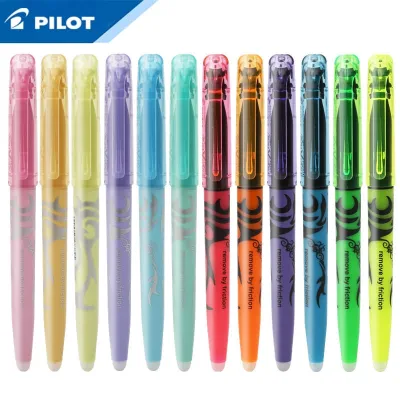
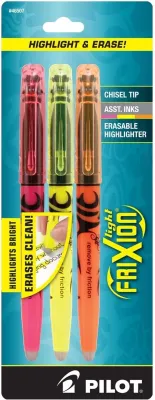
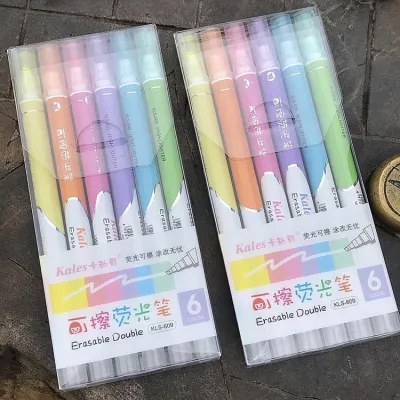
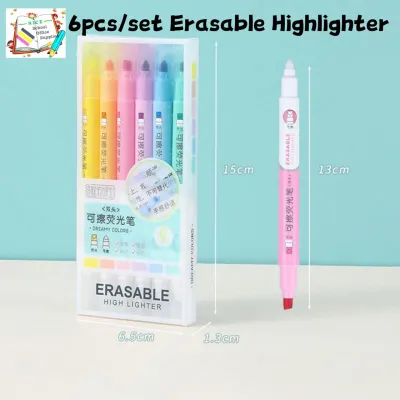
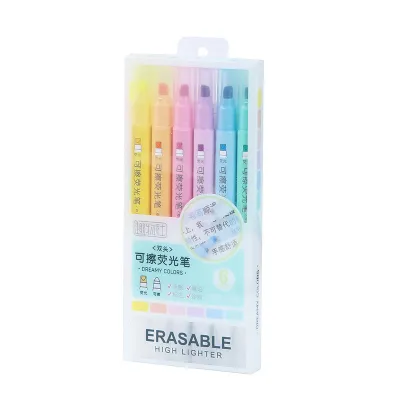
Prices are valid at publication and may change. Please refer to the product page for the latest price.
Paper Compatibility and Bleed-Through
The type of paper you use plays a critical role in how both erasable and regular highlighters perform. Standard copy paper, typically weighing around 70 to 80 gsm, is highly porous. When using regular highlighters on this type of paper, the liquid ink can easily saturate the fibers, leading to ghosting (where the color is visible on the reverse side) or complete bleed-through. This is especially true for highlighters with heavy ink flow or alcohol-based formulas.

Affecting both types, the physical stress of erasing introduces another layer of paper compatibility. Erasable highlighters generally use a slightly thicker, water-based formulation that sits on top of the paper fibers rather than soaking deeply into them. However, the erasing process itself introduces physical stress to the paper. If you are highlighting on thin, delicate sheets—such as those found in Bibles, legal pads, or cheap newsprint—the friction from the rubber eraser can easily warp, pill, or tear the paper surface.
Before committing to highlighting an entire chapter or document, always perform a spot test on an inconspicuous corner of the page. Apply a small stroke of ink and observe how long it takes to dry. For erasable highlighters, try erasing the test stroke to see if the paper fibers hold up under the friction. In humid tropical climates, paper naturally absorbs moisture from the air, making it softer and more susceptible to tearing during erasure. Ensuring your paper is dry and of sufficient weight, ideally 90 gsm or higher, will prevent frustrating damage to your study materials.
Color Vibrancy and Longevity Trade-Offs
If visual impact is your primary goal, regular highlighters are the clear winner. The fluorescent dyes used in traditional highlighters are formulated to reflect light, creating that classic, eye-catching neon glow that immediately draws your attention to key terms. These pigments are highly stable under normal indoor conditions, ensuring your highlighted notes remain bright and readable for years.
Erasable highlighters, due to the complex chemistry of thermo-sensitive ink, tend to have a more muted, pastel, or slightly translucent appearance. They lack the intense, electric glow of standard neon highlighters. While many users prefer these softer pastel tones because they are easier on the eyes during long study sessions, they do not offer the same level of high-contrast visibility.
Furthermore, longevity is a significant trade-off when choosing erasable ink. Because the ink reacts to heat, it is highly vulnerable to environmental factors. In warm regions, leaving your highlighted notebook inside a parked car, near a sunny window, or under a hot desk lamp can cause your highlights to fade or disappear entirely without any friction. Regular highlighters are completely unaffected by these everyday temperature fluctuations, making them the only reliable choice for documents you intend to keep for several years.
Which Highlighter Should You Choose?
Your choice should align with your specific tasks, working environment, and how long you need the markings to last.
You should choose an erasable highlighter if:
- You are highlighting rented textbooks, library books, or school materials that must be returned in clean condition.
- You use paper planners, bullet journals, or study schedules where dates, tasks, and priorities change frequently.
- You find visual clutter distracting and want the ability to remove highlights once you have memorized the information.
- You are prone to highlighting too much text and want to clean up your pages afterward.
You should choose a regular highlighter if:
- You are archiving important notes, legal documents, or research papers that you need to reference years down the road.
- You work or study in hot environments where temperatures frequently rise, risking accidental erasure of thermo-sensitive ink.
- You require maximum visual contrast to quickly scan large blocks of text under various lighting conditions.
- You are working on official business records, medical charts, or signed contracts where altering markings could raise compliance or legal issues.
Always assess the value and purpose of the document before touching tip to paper. If the document is irreplaceable or requires legal permanence, stick to a regular highlighter. For daily study guides, temporary drafts, and personal organization, the flexibility of an erasable option is incredibly convenient.
What to Check Before Buying
When shopping for highlighters at your local stationery store or an online marketplace, keep a few practical specifications in mind to ensure you get the right tool for your needs.
First, examine the tip shape and line width. Chisel tips are the most versatile, allowing you to draw broad lines to cover entire words or use the sharp point for fine underlining. Bullet tips are excellent for precise underlining, while brush tips offer a flexible stroke suitable for creative journaling. Ensure the tip width matches the font size of your textbooks or documents to avoid overlapping lines.
Second, consider ink capacity and refill options. While basic highlighters can cost as little as ₱20 to ₱50 per piece, investing in a high-quality set is often more economical in the long run. Regular highlighters often have a larger ink reservoir and are sometimes refillable, making them a more cost-effective and sustainable choice for heavy users. Erasable highlighters tend to consume ink more quickly due to their formulation, and refills may be harder to find depending on the brand.
Finally, check the manufacturer’s packaging for temperature warnings. Reliable erasable highlighters will clearly state the temperature limits at which the ink becomes transparent and the temperature required to restore it. If you live in a hot, humid climate, verifying these specifications will help you manage your storage habits and protect your notes.
Frequently Asked Questions (FAQ)
Can I use an erasable highlighter on legal or official documents?
No, you should never use an erasable highlighter on legal, financial, or official documents. Because the ink is thermo-sensitive, any exposure to heat—such as passing through a hot document scanner, laminator, or being left in a warm vehicle—can cause the highlighted sections to vanish. This can compromise the integrity of official records, contracts, or medical charts. For any document requiring permanent archiving or legal compliance, always use a standard, non-erasable highlighter.
How do I fix an erasable highlighter that stopped erasing cleanly?
If your erasable highlighter is leaving smudges or failing to erase completely, first inspect the rubber erasing tip for dirt, graphite, or ink buildup. Wipe the tip clean with a damp cloth or rub it gently against a clean piece of scrap paper to remove residue. If the eraser is clean but still performing poorly, check the paper itself. Highly textured, damp, or damaged paper fibers can trap the ink particles, preventing the friction-heat from reaching them evenly. If you accidentally erased something you needed, you can try placing the paper in a sealed plastic bag and putting it in the freezer for a few hours to restore the faded ink.
Do regular highlighters dry out faster than erasable ones?
The drying rate of a highlighter depends heavily on its solvent base and how well it is capped. Regular highlighters, especially those with alcohol-based inks, evaporate very quickly when left uncapped, sometimes drying out within a few hours. Erasable highlighters use water-based inks that also dry out if left open, though some modern formulations include humectants to slow down this process. To maximize the lifespan of both types, always snap the cap on tightly immediately after use and store them horizontally. Storing highlighters horizontally ensures an even distribution of ink to the tip, preventing one end from drying out prematurely.
Community discussion
Share your experience or ask a question. Comments are reviewed before publication.