
Managing the financial records of multiple freelance clients in the Philippines requires a reliable, legally compliant, and physically durable record-keeping system. While digital tools and cloud-based accounting software are increasingly popular, the Bureau of Internal Revenue (BIR) still mandates the registration and maintenance of physical books of accounts for many taxpayers, particularly freelancers, sole proprietors, and small businesses. For a freelance accountant, selecting the right accounting ledger book is not just a matter of personal preference; it is a critical step in ensuring regulatory compliance, maintaining professional standards, and protecting client data from physical degradation over time.
Manual bookkeeping remains a cornerstone of tax compliance in the local market. When a freelancer registers their business, they must present physical books of accounts to their respective Revenue District Office (RDO) for stamping and registration before they can begin recording transactions. As an independent accountant overseeing these records, you must understand the physical and structural specifications of the ledgers you purchase. The right stationery choices prevent compliance issues, ease the burden of manual data entry, and ensure that the records remain legible for the entire duration of the legally mandated retention period.
Key BIR Compliance Factors When Choosing Ledger Books
When selecting accounting ledger books for your freelance practice, compliance with BIR guidelines is the primary factor to consider. The tax authority requires specific formats for manual books of accounts to ensure transparency and prevent the manipulation of financial records. The most fundamental requirement is that the ledger must feature a structured columnar format that aligns with standard accounting principles. Standard journals and ledgers must have pre-printed columns for dates, transaction descriptions, folio or reference numbers, and debit and credit entries. Using non-standard layouts can lead to confusion during audits and may even result in penalties if the examiner deems the records disorganized or incomplete.
Products mentioned in this guide
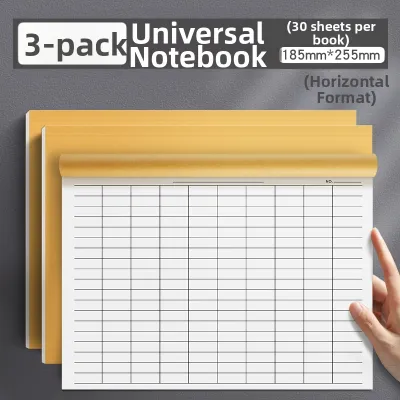
51 Lazada user ratings
I personally like using it, and the format meets my needs.
It's definitely worth the money, a great deal!
Pretty good, and everything is pretty clear.

193 Lazada user ratings
Customizable options are a nice touch., The 70 pages provide plenty of space., No brand, but great quality., Perfect size for my needs., Hig…Read full reviewShow less
Customizable options are a nice touch., The 70 pages provide plenty of space., No brand, but great quality., Perfect size for my needs., Highly functional and practical., Spiral notebook is convenient., Excellent value for the price.,
Love the wire bind, keeps everything secure., Customizable options are a nice touch., Perfect size for my needs., Spiral notebook is conveni…Read full reviewShow less
Love the wire bind, keeps everything secure., Customizable options are a nice touch., Perfect size for my needs., Spiral notebook is convenient., Excellent value for the price.,
Ang ganda nya nilagyan ko kaagad ng cover kilangan ko tlga ito kc pag hindi ko namonitor income at outcone subra inbalance ang gastos thank …Read full reviewShow less
Ang ganda nya nilagyan ko kaagad ng cover kilangan ko tlga ito kc pag hindi ko namonitor income at outcone subra inbalance ang gastos thank you seller...
Perfect size for my needs., Love the wire bind, keeps everything secure., The cover designs are beautiful., The 70 pages provide plenty of s…Read full reviewShow less
Perfect size for my needs., Love the wire bind, keeps everything secure., The cover designs are beautiful., The 70 pages provide plenty of space.,
Nice I like it Hindi n ako mahihirapan mag sulat,madali nlng mag fill up at Maganda Ang quality ng notebook makapal
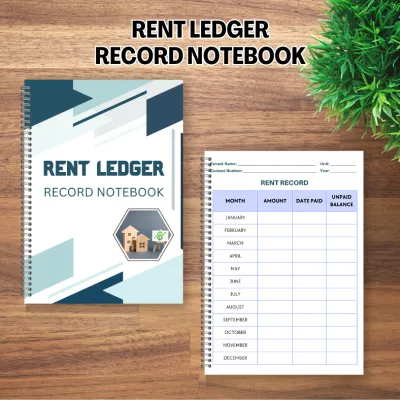
394 Lazada user ratings
Perfect for rent transactions., Smooth writing experience., Sturdy cover for protection., No brand, but great quality., very good item good …Read full reviewShow less
Perfect for rent transactions., Smooth writing experience., Sturdy cover for protection., No brand, but great quality., very good item good quality. Nice cover. Bait ni rider and very good seller dhil nice ang item nya. Order uli me😊
Customizable options available., Convenient size options., Sturdy cover for protection., Quality:good quality Design:good design Price:cheap…Read full reviewShow less
Customizable options available., Convenient size options., Sturdy cover for protection., Quality:good quality Design:good design Price:cheap price they honor all my request and great to deal with
Spiral design for easy flipping., Smooth writing experience., Perfect for rent transactions.,
Convenient size options., Perfect for rent transactions., nice quality of paper to write.
Great value for the price., Convenient size options., Perfect for rent transactions.,
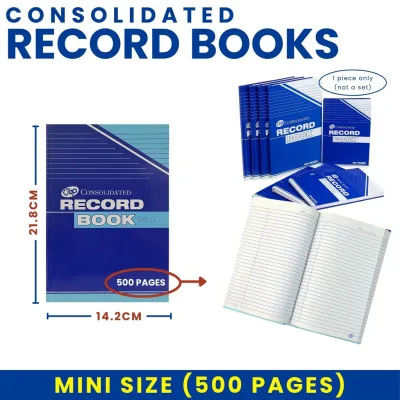
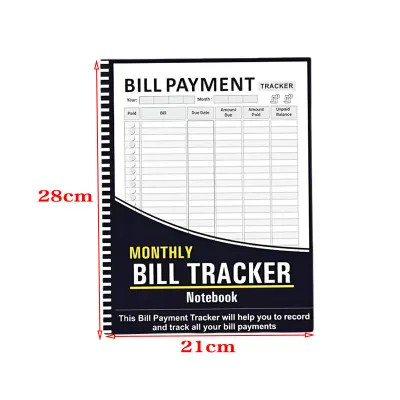
28 Lazada user ratings
Design:very good Price:affordable but can go a little cheaper Durability:the cover can easily be torn because of the thin material.Ideal for…Read full reviewShow less
Design:very good Price:affordable but can go a little cheaper Durability:the cover can easily be torn because of the thin material.Ideal for daily use, Easy to organize bills,
Perfect for budgeting, Ideal for daily use, Design:good Price:worth it Durability:good worth the price, looks good
Large size for more space, Fast shipping service, Good for tracking expenses,
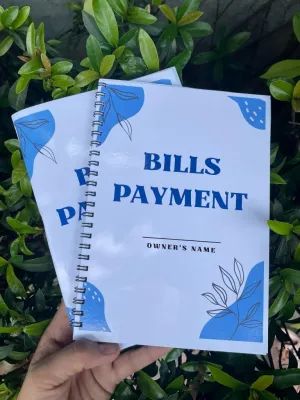
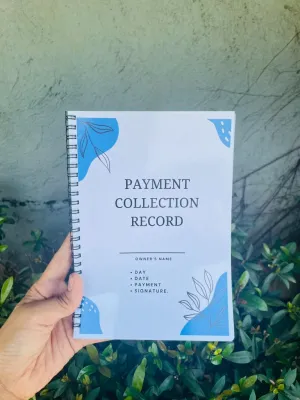
110 Lazada user ratings
i would recommend this notebook for your list of payment collections you can organized n take down note there at a very affordable price
maganda sana kaya lang gcash notebook naman idineliver sakin. iba ung order ko, ganun sana sa maliit.
Well packed and nice quality
Nice one ganda
Prices are valid at publication and may change. Please refer to the product page for the latest price.
Binding is another critical compliance factor. The BIR strictly prohibits the use of loose-leaf pages or easily alterable binders for manual bookkeeping unless the taxpayer has applied for and received specific authorization to use a loose-leaf accounting system. For standard manual registration, the ledger books must be permanently bound. This means spiral-bound notebooks, ring binders, or perforated pages that can be easily torn out are not acceptable. Permanently bound books, such as thread-sewn or hardbound volumes, ensure that pages cannot be removed or inserted without leaving obvious signs of tampering. Additionally, many RDOs prefer or require books with pre-numbered pages to guarantee sequential record-keeping.
Physical durability is directly tied to compliance because of the mandatory retention period for financial records in the Philippines. Taxpayers are required by law to preserve their books of accounts and supporting documents for several years—often up to ten years from the filing deadline. In a tropical climate characterized by high humidity, intense heat, and seasonal monsoon rains, standard paper can deteriorate rapidly. Cheap, low-quality bindings can dry out and crack, causing pages to fall out, while acidic paper can yellow and become brittle. Choosing high-quality, durable ledger books ensures that your clients’ records remain intact and legible if they are called for a tax audit years down the road.
Essential Ledger Types for Managing Multiple Clients
To properly manage the books of multiple freelance clients, you need to maintain a complete set of registered books for each individual business entity. A standard set of manual books of accounts typically consists of four essential volumes: the General Journal, the General Ledger, the Cash Receipts Book, and the Cash Disbursements Book. Depending on the nature of your clients’ businesses, you may also need to supplement these with subsidiary ledgers. Understanding the specific role of each book helps you select the correct size, column count, and format for each client’s needs.

The General Journal is the book of original entry where all non-cash transactions, adjusting entries, and opening or closing entries are recorded chronologically. For this volume, a standard two-column journal book is usually sufficient. The layout features a wide space for the date and transaction description, followed by two monetary columns for debits and credits. Because the General Journal typically handles fewer transactions than cash-related books, a ledger with a moderate page count (such as 150 to 200 pages) is often adequate for a standard freelance client’s annual needs.
The General Ledger serves as the book of final entry, where transactions from the journals are posted to individual accounts. This book allows you to summarize the movement in assets, liabilities, equity, revenues, and expenses. A standard ledger format features columns for the date, explanation, reference, debit, credit, and running balance. For clients with a diverse chart of accounts, a thicker ledger book with high-quality paper is recommended, as you will need to allocate specific sections of the book to different accounts, requiring frequent page-turning and referencing.
The Cash Receipts Book and the Cash Disbursements Book are the most active volumes in manual bookkeeping. The Cash Receipts Book is used to record all incoming cash, professional fees, and payments received from clients, which must match the issued Official Receipts (OR) or Service Invoices (SI). The Cash Disbursements Book tracks all cash outflows, business expenses, and payments to suppliers, which must be backed by valid billing invoices or official receipts. Because these books handle a high volume of transactions, multi-columnar books (such as 6-column, 8-column, or 12-column ledgers) are highly beneficial. These columns allow you to categorize common expense accounts (like rent, utilities, supplies, and taxes) or income sources directly in the book, simplifying the monthly summarization process.
For clients who extend credit to their customers or maintain outstanding balances with suppliers, Accounts Receivable and Accounts Payable Subsidiary Ledgers are essential. These subsidiary ledgers provide detailed, individual records for each customer or vendor, ensuring that the total balances match the control accounts in the General Ledger. When choosing subsidiary ledgers, look for books that offer clear ruling and sufficient space for customer details, invoice numbers, and payment terms. Matching the page count and physical dimensions of these books to your client’s active customer base prevents the need to register new books mid-year.
Evaluating Paper Quality and Binding for Long-Term Archiving
As a freelance accountant, the physical act of writing in ledger books represents a significant portion of your daily workflow. Therefore, the stationery quality of the ledgers you choose directly impacts your comfort, writing speed, and the longevity of the records. The first physical attribute to evaluate is the paper weight, measured in grams per square meter (GSM). Standard, budget-friendly ledger books often use thin paper ranging from 55 GSM to 60 GSM. This thin paper is highly susceptible to ink bleed-through and ghosting, especially if you prefer writing with gel pens, rollerball pens, or fountain pens. For professional record-keeping, look for ledgers with a paper weight of at least 70 GSM, though 80 GSM to 100 GSM is ideal. Thicker paper provides a smoother writing surface and allows you to write on both sides of the page without the ink seeping through.
Ink compatibility and bleed resistance are critical when using different writing instruments. In the humid climate of the Philippines, paper fibers tend to absorb moisture from the air, which can cause ink to feather or spread across the page. To prevent this, choose ledgers that feature high-density, well-sized paper. Before committing to a specific brand of ledger book for all your clients, perform an observable trial on the very last page of one book. Write a few lines using your preferred pens—such as a 0.5mm gel pen, a standard ballpoint pen, and a fine-liner. Observe how quickly the ink dries to avoid smudging as you turn pages, and check the reverse side of the page for any signs of ghosting or bleeding. A quick-drying, water-resistant ink paired with high-quality paper is the best combination for clean, legible records.
Binding quality determines how well the ledger book will hold up under heavy daily use. Thread-sewn binding is the gold standard for accounting ledgers. In a thread-sewn book, signatures of paper are stitched together before being bound to the cover. This method is incredibly durable and prevents pages from pulling loose over time. More importantly, thread-sewn ledgers offer excellent flat-lay capability. When you open the book, it lies relatively flat, allowing you to write comfortably near the inner margins (the gutter) without having to constantly press down on the spine. Glued bindings, on the other hand, can be stiff and prone to cracking, especially in warm, dry storage areas, which can lead to loose pages and lost data.
The cover material of the ledger book provides the first line of defense against environmental damage. Hardbound covers wrapped in water-resistant vinyl, laminated paper, or heavy-duty book cloth are highly recommended. These materials protect the inner pages from accidental liquid spills, dust, and physical wear during transit. If you frequently travel to client offices or RDO branches, softcover ledgers can easily get bent, creased, or torn in your bag. A sturdy hardbound cover ensures the ledger remains rigid and professional-looking, while also providing a solid writing surface when a proper desk is not available.
Selection Checklist: Matching Ledger Specs to Your Practice
To streamline your purchasing process and ensure you select the right tools for your freelance accounting practice, use this structured evaluation checklist when shopping for ledger books:
- Columnar Alignment: Verify that the number of columns matches your client's specific reporting needs. For simple service-based freelancers, a 2-column journal and a 4-column or 6-column book for receipts and disbursements are usually sufficient. For retail or manufacturing clients with diverse expense categories, opt for 12-column or 14-column books to minimize the need for manual categorization on separate sheets.
- Page Count and Volume: Estimate the client's annual transaction volume. A client with fewer than 50 transactions a month will easily fit into a 100-page or 150-page ledger for several years. High-volume clients will require thicker books (300 to 500 pages) to avoid the administrative hassle of registering new books with the BIR multiple times a year.
- Portability and Dimensions: Consider your working style. If you work primarily from a home office, larger ledger formats (such as standard ledger size or A4) provide ample writing space and reduce eye strain. If you frequently visit clients on-site or travel to government offices, look for compact, standard-sized hardbound books (approximately 8.5" x 11") that fit easily into a standard laptop bag or backpack without adding excessive weight.
- Paper and Ink Compatibility: Ensure the paper weight is at least 70 GSM to prevent ink bleed-through. Pair your ledgers with high-quality, archival-grade black or blue ink pens. Avoid using pencils or erasable pens for official records, as the BIR requires permanent, non-erasable entries to prevent fraud.
- Binding Integrity: Choose thread-sewn, hardbound books over glued or perfect-bound options. Check that the spine is securely attached and that the book can open flat without the pages straining against the binding.
- Storage and Protection: Assess where the books will be stored. If your office or storage area is prone to high humidity, invest in plastic ledger sleeves or airtight storage boxes to protect the paper from moisture, mold, and pests like silverfish, which are common in tropical environments.
By carefully matching these specifications to your daily workflow and your clients’ business models, you can establish an efficient, compliant, and highly professional manual bookkeeping system. High-quality stationery not only makes your work more enjoyable but also safeguards the financial history of the businesses you represent.
Frequently Asked Questions (FAQ)
Can I use a standard ruled notebook instead of a pre-printed accounting ledger book for compliance?
No, you should not use a standard ruled notebook for official BIR compliance. Standard notebooks lack the specific columnar ruling required to properly organize financial transactions into debits, credits, and specific account categories. Furthermore, official accounting ledger books are designed with pre-printed column headers, page numbers, and structured layouts that conform to standard accounting practices. Using a generic notebook can make your records difficult to read, highly disorganized, and may lead to rejection by BIR examiners during an audit or during the initial registration and stamping process at your RDO. It is always best to invest in dedicated, pre-printed columnar and journal books.
How do I organize physical ledger books when handling more than five active clients?
Organizing physical records for multiple clients requires strict systematic labeling and secure storage. First, clearly label the cover of each ledger book with the client’s registered business name, Taxpayer Identification Number (TIN), the specific book type (e.g., General Ledger), and the volume number or applicable year. Color-coding your clients can also help; you can use different colored spine labels or heavy-duty plastic covers to distinguish one client’s set of books from another at a glance. Store the books vertically on a dedicated shelf or in labeled document boxes, keeping each client’s complete set of books together. To maintain client confidentiality and protect the physical integrity of the paper, keep the storage area clean, dry, well-ventilated, and away from direct sunlight or moisture sources.

Community discussion
Share your experience or ask a question. Comments are reviewed before publication.