
Selecting the ideal art set for an elementary school art class requires balancing a school’s specific curriculum with the developmental needs of your child. A complete, well-prepared kit typically includes a robust selection of dry coloring media, water-soluble paints, sturdy paper surfaces, and safe crafting tools. By understanding what to look for in these supplies, you can ensure your child has everything needed for their class without overspending on unnecessary items.
Understanding School Art Requirements and Grade-Level Needs
Before purchasing any art set, the first step is always to consult the official school supply list provided by the teacher. Different schools and curricula have distinct requirements based on their lesson plans, and buying a generic kit without checking can lead to duplicate or unusable items. Some teachers prefer specific mediums like oil pastels over standard crayons, while others may require a particular size of sketch pad to fit inside classroom cubbies.
As children progress through elementary school, their artistic needs and physical capabilities change significantly. In lower elementary grades, the focus is primarily on developing basic motor skills and hand-eye coordination. For these younger students, art supplies should feature chunky grips, break-resistant designs, and highly washable formulations. Thick crayons, jumbo markers, and blunt-tip safety scissors are ideal for small hands that are still mastering grip strength.
Products mentioned in this guide
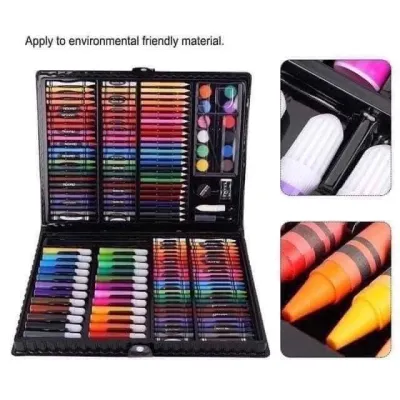
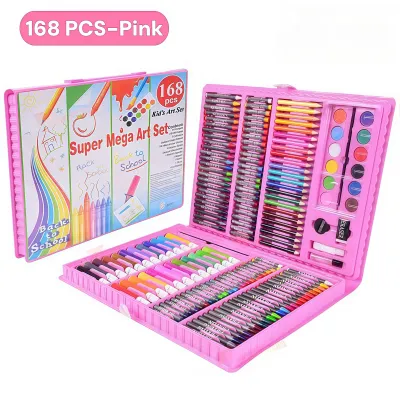
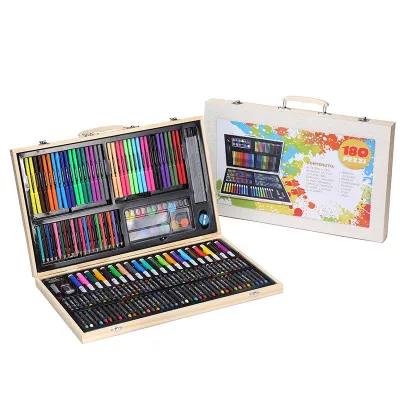
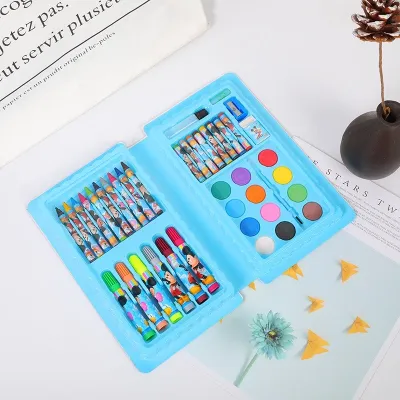
Prices are valid at publication and may change. Please refer to the product page for the latest price.
In contrast, upper elementary students begin to explore more specialized techniques, finer details, and standard-sized tools. Their lessons often involve color mixing, shading, and more complex paper crafts. Consequently, their art sets should transition to include items like oil pastels, fine-tip colored pencils, dual-tip markers, and more precise cutting tools. Understanding this developmental shift ensures that the tools you provide are neither too frustratingly complex for a younger child nor too simplistic for an older one.
Core Essentials: Must-Have Tools for Every Art Set
Every successful art class relies on a core group of versatile tools that allow students to explore different mediums. These essentials form the backbone of any student’s art kit, providing the necessary materials for drawing, painting, and crafting.

Drawing and Coloring Tools
Dry media forms the foundation of daily art class activities. For younger students, standard wax crayons are the traditional choice due to their ease of use and affordability. However, as students mature, oil pastels are often introduced. Oil pastels offer a much richer, buttery application that allows for advanced blending and layering techniques, though they require a bit more control to avoid smudging.
Colored pencils are another staple that demands careful selection. Look for pencils with thick, break-resistant cores that can withstand the heavy pressure often applied by young artists. The lead should glide smoothly across the paper without scratching, and the pigments should be vibrant enough to show up clearly. Checking the casing material is also wise; high-quality wood casings sharpen smoothly without splintering.
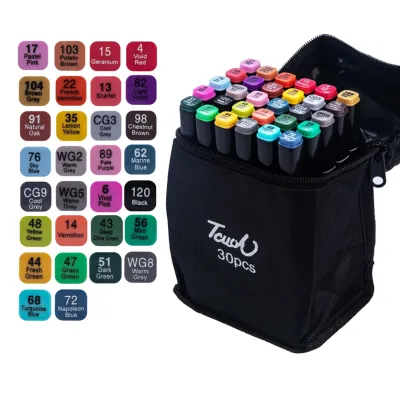
Markers round out the coloring essentials, bridging the gap between drawing and painting. For school environments, water-based, non-toxic markers are highly recommended. When selecting markers, pay attention to the tip design. Broad, conical tips are excellent for younger children because they can draw both fine lines and broad strokes depending on the angle. Older students benefit from dual-tip markers that feature a fine bullet tip on one end for detailing and a flexible brush tip on the other for expressive strokes.
Painting Supplies
Wet media projects are often the highlight of elementary art class, but they can also be the messiest. Watercolor pans are the standard choice for school-age painting because they are compact, dry quickly, and are far easier to manage than liquid tempera or acrylic paints. When choosing a watercolor set, look for pans with highly pigmented, semi-moist cakes that activate quickly with a wet brush. Ensure the set includes a sturdy plastic lid that can double as a mixing well.
The quality of the paintbrushes in an art set directly impacts a child’s painting experience. A basic brush set should include a mix of round and flat tips in various sizes. Round brushes are essential for painting fine lines, details, and curved shapes, while flat brushes are perfect for filling in large background areas and creating sharp edges.
When evaluating brushes, pay close attention to the bristle quality. Synthetic bristles, such as nylon or polyester, are highly durable, hold their shape well, and are easy to clean. Avoid extremely cheap brushes with stiff, plastic bristles that shed easily, as shedding bristles can ruin a painting and frustrate a young artist. Additionally, always verify that the paints are labeled as washable to ensure that accidental spills on school uniforms or desks can be cleaned easily with soap and water.
Paper and Crafting Basics
The surfaces and assembly tools in an art set are just as crucial as the coloring media. A multi-purpose sketch pad is a must-have, serving as the primary canvas for both dry and wet media. When selecting a sketch pad, check the paper weight, which is typically measured in grams per square meter (gsm). For general drawing and sketching, a weight of 80 to 100 gsm is sufficient. However, if the pad will be used for watercolors or heavy marker work, opt for a heavier mixed-media paper of at least 150 to 200 gsm to prevent the paper from warping, buckling, or bleeding through.
Colored construction paper is another indispensable material for cutting, folding, and pasting projects. Look for packs that offer a wide variety of bright, fade-resistant colors. Along with paper, a pair of blunt-tip safety scissors is essential for young crafters. The scissors should feature stainless steel blades that cut paper easily but have rounded tips to prevent accidental punctures. Ensure the finger loops are ergonomically designed and comfortable for your child’s hand size.
Adhesives are the final component of the crafting basics. A standard art set should include both a solid glue stick and a bottle of liquid white glue. Glue sticks are perfect for neat, everyday paper pasting because they dry quickly and do not wrinkle thin paper. Liquid white school glue is necessary for heavier materials like cardboard, felt, or wooden craft sticks. Choose formulas that dry clear and are completely washable from skin and fabrics.
Helpful Accessories: Tools for Mixing, Protection, and Cleanup
While core tools are essential, having the right accessories can make the difference between a chaotic art class and an organized, enjoyable creative session. These items help manage wet media and keep the workspace clean.
Mixing and Application Accessories
While the core paints and brushes are vital, several small accessories can make wet media projects much more manageable in a classroom setting. A lightweight plastic palette with deep wells is incredibly helpful for color mixing. Deep wells prevent different paint colors from running into each other, allowing students to experiment with blending without creating a muddy mess.
Spill-proof water cups are another excellent addition to any art set. These cups are designed with a funnel-shaped lid that prevents water from escaping even if the cup is accidentally knocked over on a desk. This simple tool can save countless art projects and schoolbooks from water damage. Additionally, including a few reusable plastic mixing sticks or old plastic spoons helps students scoop out tempera paint or mix colors without ruining their brush tips.
Protection and Cleanup Gear
Art class is inherently messy, and protecting your child’s clothing and the classroom environment is key to a stress-free experience. An art smock or an old, oversized button-down shirt worn backward is the best line of defense against stubborn paint stains. Look for smocks made from lightweight, waterproof materials that can be easily wiped clean or tossed into the washing machine.
To facilitate quick cleanups at the end of class, pack a small roll of paper towels or a travel pack of wet wipes directly into the art set. These are invaluable for wiping paint off hands, cleaning up minor spills on desks, and wiping down plastic palettes before packing them away. Teaching children to use these cleanup tools builds good habits and ensures they leave their workspace as clean as they found it.
How to Choose: Pre-Assembled Kits vs. Custom Art Sets
Deciding how to source your child’s art supplies depends on your budget, time, and the specific requirements of their school. Both pre-assembled kits and custom-built sets have distinct advantages.
Pre-Assembled Kits vs. Custom Bundles
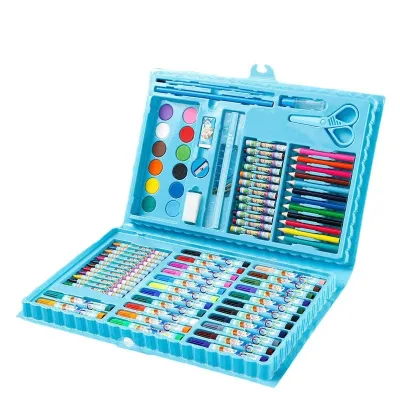
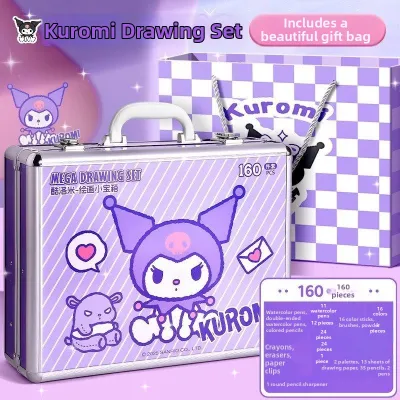
When preparing for the school year, parents often face the decision of buying a pre-assembled art set or building a custom bundle from scratch. Pre-assembled kits are highly convenient and often come in attractive, organized carrying cases that appeal to children. They make excellent gifts and are a quick way to cover the basic requirements of a general art class. However, these kits can sometimes contain filler items of lower quality, or include tools that do not match the specific requirements of your child’s teacher, leading to wasted supplies.
On the other hand, building a custom bundle allows you to select high-quality, durable items for the tools your child will use most frequently. You can choose specific brands known for break-resistant colored pencils or high-pigment watercolors, and easily replace individual worn-out items rather than buying a whole new set. While custom bundles may require more time to assemble and can sometimes have a higher upfront cost, they often prove more economical in the long run because the individual tools last longer.
Safety and Quality Checks
Regardless of whether you choose a pre-packaged kit or a custom bundle, safety should always be your top priority. Always look for clear non-toxic labels on all paints, glues, markers, and pastels. Look for recognized safety certifications, such as the AP (Approved Product) seal from the Art and Creative Materials Institute (ACMI), or local regulatory marks that guarantee the materials are safe for children and free from harmful chemicals.
Physical safety is equally important. Inspect scissors to ensure the hinge is secure but smooth enough for a child to operate without straining. Check plastic rulers and palettes for smooth, rounded edges that will not scratch or cut small fingers. Finally, be mindful of small components; look for markers and glue bottles with non-choking hazard caps, which feature built-in air vents to allow breathing if accidentally swallowed.
Climate Considerations for Art Supplies
In the tropical and highly humid climate of the Philippines, storing and maintaining art supplies requires extra care. High humidity levels can cause significant damage to stationery products over time. For instance, paper products like sketch pads and construction paper can easily absorb moisture from the air, causing them to warp, buckle, or become limp and difficult to draw on. Liquid adhesives, such as school glue, are also susceptible to clumping or losing their bonding strength if exposed to constant heat and humidity.
To prevent these issues, it is advisable to store paper, liquid glue, and paints in dry, cool conditions inside the home. Avoid storing art sets near windows, in damp laundry areas, or in hot car trunks. When purchasing liquid adhesives, check the expiration dates and avoid buying in bulk unless you are certain they will be used quickly, as cheap liquid glues can degrade or develop mold in humid environments. Keeping watercolor pans dry before sealing them away is also crucial to prevent mold growth on the paint cakes.
Keeping the Art Set Organized and in Good Condition
A well-organized art set not only saves time during class but also extends the lifespan of the tools. A durable, compartmentalized plastic utility box or a heavy-duty zippered canvas pouch is the best way to transport supplies. These containers protect delicate items like crayons and pastels from getting crushed under the weight of heavy textbooks inside a school backpack. Choose a container with secure latches that will not accidentally pop open during the school commute.
Maintaining the tools themselves is a vital habit for young artists to learn. Brushes should always be cleaned immediately after use; rinse them thoroughly in lukewarm water, gently reshape the bristles with your fingers, and lay them flat or hang them bristle-down to dry. Storing brushes upright while wet can cause water to seep into the metal ferrule, loosening the glue and causing the bristles to shed.
Additionally, ensure that markers are capped tightly after every use—listen for the distinct “click” that signals an airtight seal to prevent the ink from drying out. After using safety scissors, wipe the blades with a dry cloth or paper towel to remove any adhesive residue or moisture, which helps prevent rust in humid climates. By taking a few minutes to clean and organize their supplies after each class, students can keep their art set in excellent working condition all year round.
Frequently Asked Questions (FAQ)
How often should I replace my child's art set?
Consumable items within an art set, such as sketch paper, construction paper, glue sticks, and heavily used paints, will naturally need to be restocked or replaced multiple times throughout the school year depending on the frequency of art classes. However, durable tools like safety scissors, plastic mixing palettes, water cups, and the storage box itself do not need regular replacement. If you invest in high-quality durable tools and maintain them properly, they can easily last for several school years, meaning you only need to top up the consumable supplies at the start of each term.
Are washable markers better than regular markers for school?
For elementary school students, washable markers are almost always the superior choice. Young children are still developing their fine motor control and are highly prone to accidental scribbles on their skin, clothing, desks, and school uniforms. Washable marker inks are formulated to dissolve easily in water, allowing parents to remove stains with standard laundry soap without leaving permanent marks. While regular or permanent markers may offer slightly more vibrant or water-resistant lines, they are best reserved for older students in upper grades who are working on specialized, supervised projects.
Community discussion
Share your experience or ask a question. Comments are reviewed before publication.