
Finding the right snacks bag for your daughter involves more than just picking her favorite color or cartoon character. A great bag must protect her physical health, withstand daily wear, and keep her food fresh. By focusing on key structural and material specifications, you can select a bag that supports her growing body and simplifies your daily school preparation.
Decoding the Core Specs for a Girl's Snacks Bag
Understanding technical bag specifications helps translate product labels into practical benefits. When looking at capacity, do not rely solely on volume measurements listed in liters. A five-liter bag might sound small, but if it is shaped efficiently, it can easily hold a standard bento box and a juice box. Conversely, a poorly shaped ten-liter bag might be too deep, causing food containers to tip over and leak. Always compare the physical width and depth of the bag’s main compartment with the dimensions of your home food containers.
The empty weight of the bag is another critical specification. For young children, the total loaded bag weight should not exceed ten to fifteen percent of their body weight. Starting with an ultra-lightweight bag leaves more room for nutritious snacks and water without overloading her. Look for durable fabrics like polyester or nylon with a denier rating of 600D or higher, which indicates a tight, tear-resistant weave capable of surviving rough playground handling.
Products mentioned in this guide
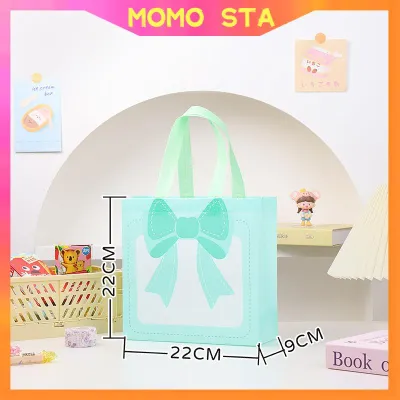
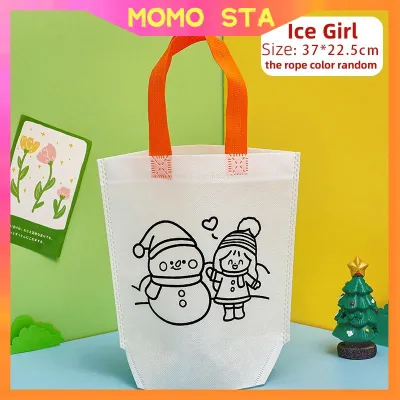
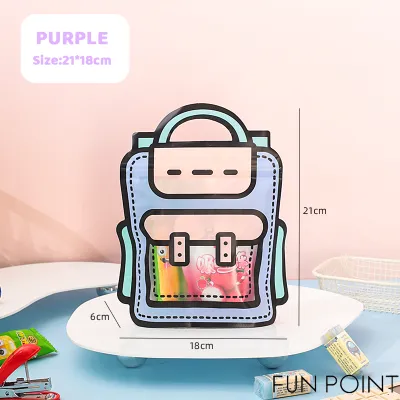
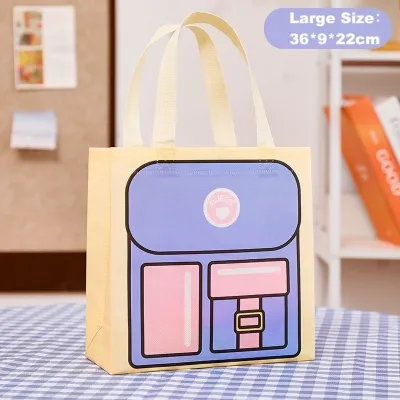
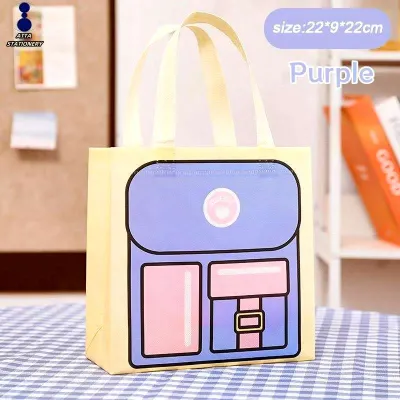
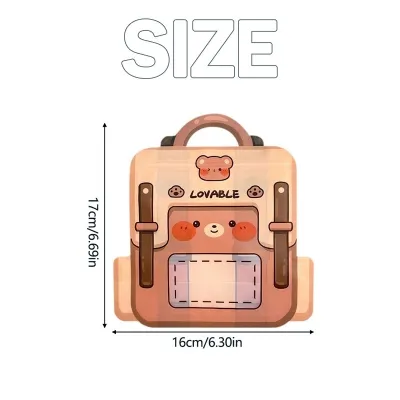
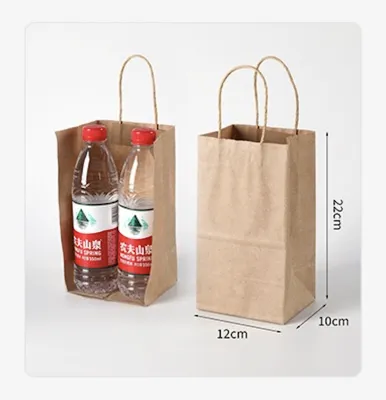
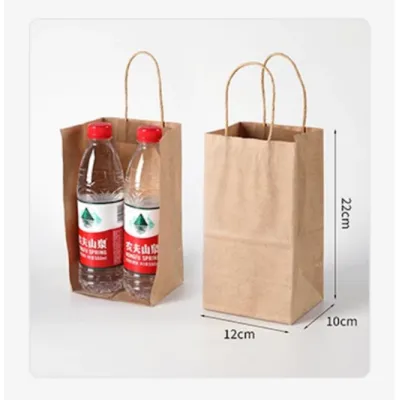
Prices are valid at publication and may change. Please refer to the product page for the latest price.
Evaluating Spine Support and Ergonomic Features
Ergonomics play a vital role in your child’s daily comfort, especially during warm commutes. In tropical climates where humidity is high, a flat back panel can trap heat and cause heavy sweating. Look for a bag with a padded, breathable mesh back panel that promotes airflow and cushions her spine.

Wide, S-shaped shoulder straps are superior to straight, narrow ones because they contour to her body and distribute weight evenly across her shoulders. Adjustable straps allow you to position the bag high on her back, preventing it from sagging. Additionally, a chest or sternum strap is highly beneficial for younger girls with narrow shoulders, as it keeps the shoulder straps from slipping off while she walks or runs.
Waterproofing and Material Durability Explained
Keeping snacks dry during sudden tropical downpours requires careful attention to materials. There is a significant difference between water-resistant and waterproof bags. Water-resistant exterior coatings, such as durable water repellent, will shed light rain but can eventually saturate during heavy downpours.
To prevent water from seeping through the openings, look for bags with fabric zipper flaps or specialized coated zippers. On the inside, a fully sealed, waterproof lining is essential. Food-grade linings like PEVA not only prevent external rain from soaking the snacks but also contain any internal liquid spills, protecting the rest of her school supplies from dampness and stains.
Sizing and Capacity: Matching the Bag to Her Age and Needs
A bag that is too large can cause physical strain and encourage overpacking. To find the right fit, measure your daughter’s torso length from the base of her neck to her natural waistline. The bag should rest comfortably against her mid-back and should never extend past her hips or sag toward her thighs.
Verify that the internal compartments match her specific lunchbox and water bottle sizes. A dedicated external mesh pocket for a water bottle is highly practical, as it keeps condensation away from dry snacks and prevents the bottle from tipping over inside the main compartment. Choosing a bag with just enough space for her daily food needs helps keep the overall weight manageable.
Minor Specs That Won't Make or Break Your Decision
While decorative elements like sequins, glitter, and character prints are highly appealing to young girls, they should not dictate your purchase. These embellishments often wear out quickly, peel off in the heat, or become difficult to clean. Focus first on structural integrity before considering aesthetic details.
Excessive external pockets and heavy metal hardware might look useful, but they add unnecessary weight to the bag. They can also snag on school desks, tricycle doors, or playground equipment, leading to accidental tears. Simple, high-quality plastic zippers and a streamlined exterior design are far more practical for daily school use.
Frequently Asked Questions (FAQ)
Can a regular school backpack double as a dedicated snacks bag?
Using a single large backpack for both books and food often leads to crushed snacks and messy spills on schoolwork. A dedicated, smaller snacks bag keeps food upright, isolates moisture, and ensures that heavy textbooks do not crush delicate fruits or crackers. It also allows your daughter to easily access her food during short breaks without rummaging through school papers.
How do I safely clean the interior if a snack or drink spills?
Always consult the manufacturer’s care label before cleaning. For most wipeable interior linings, wipe the surface with a damp cloth and a few drops of mild dish soap to remove residue. Avoid using harsh chemical bleach or submerging the bag in water unless the instructions explicitly allow it. To prevent mold and unpleasant odors in humid climates, leave the bag fully open to air-dry in a well-ventilated indoor space away from direct sunlight.
Community discussion
Share your experience or ask a question. Comments are reviewed before publication.