
Selecting the right tactile materials for a school art class is essential for fostering sensory development, fine motor skills, and creative expression in young learners. Fuzzy craft supplies offer a unique physical dimension that flat paper and standard crayons simply cannot replicate. By introducing soft, textured elements into the classroom, educators can help students transition from two-dimensional drawings to three-dimensional spatial thinking.
A well-curated school art kit must balance creative freedom with practical classroom management. While fuzzy textures are highly engaging, they also introduce specific challenges such as shedding, adhesive compatibility, and storage in varying climates. Choosing the right materials ensures that art projects remain fun, safe, and relatively mess-free for both teachers and students.
How to Choose Safe and Practical Fuzzy Materials for Kids
When assembling a classroom art kit, child safety must always be the primary consideration. Look for products that carry recognized non-toxic certifications, such as the ASTM D-4236 standard or CE and EN71 markings. These labels guarantee that the dyes, fibers, and core materials have been evaluated by toxicologists and are safe for prolonged skin contact. Additionally, pay close attention to age-specific choking hazard warnings. Tiny decorative items, such as mini pom-poms under 3 centimeters in diameter, should be strictly reserved for older elementary students and kept out of reach of toddlers and preschool-aged children.
Products mentioned in this guide
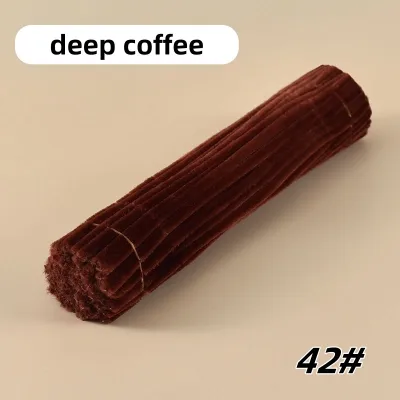
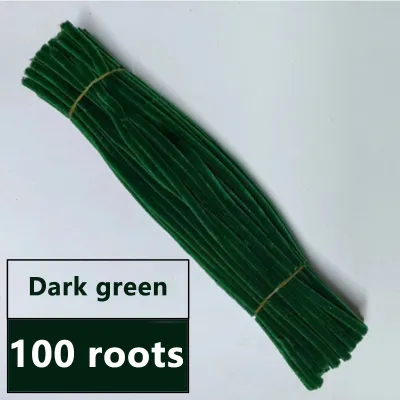

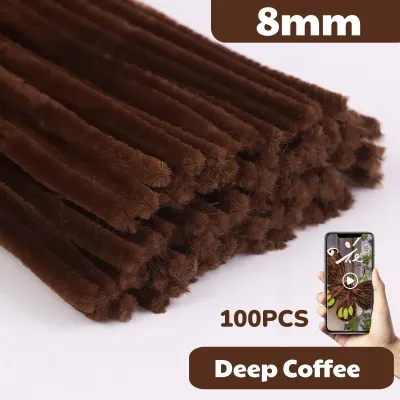
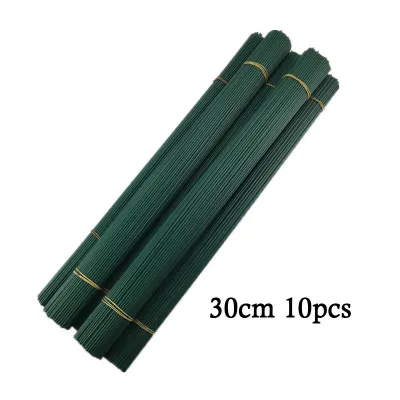
Prices are valid at publication and may change. Please refer to the product page for the latest price.
Classroom practicality is another critical factor, particularly regarding fiber shedding and dust accumulation. Low-quality fuzzy materials tend to drop loose micro-fibers, which can cling to school uniforms, carpeted reading areas, and desks. In tropical environments like the Philippines, where classrooms often rely on open windows and wall-mounted electric fans, airborne lint can quickly spread and irritate students with sensitive respiratory systems. Opting for high-quality, tightly bound synthetic fibers—such as polyester or acrylic—helps minimize shedding and keeps the classroom air clean.
Tool and adhesive compatibility can make or break an art lesson. Standard plastic safety scissors designed for young children often struggle to cut through dense felt sheets or the metal wire cores of chenille stems, leading to student frustration and damaged tools. Teachers should evaluate whether their existing classroom scissors can handle these materials or if dedicated craft shears are required. Furthermore, standard liquid white glue and glue sticks often fail to bond with fuzzy surfaces because the fibers absorb the moisture too quickly, preventing a strong hold. Understanding these material interactions allows you to select the right supporting tools for your art kit.
Top Fuzzy Craft Materials to Include in Your Kit
Pipe Cleaners and Chenille Stems
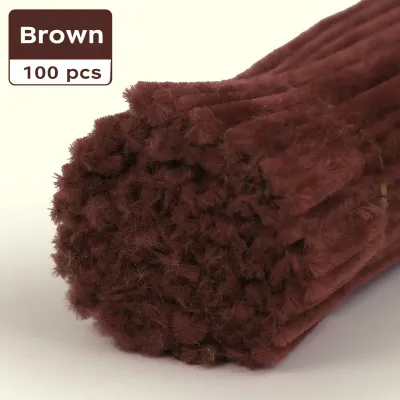
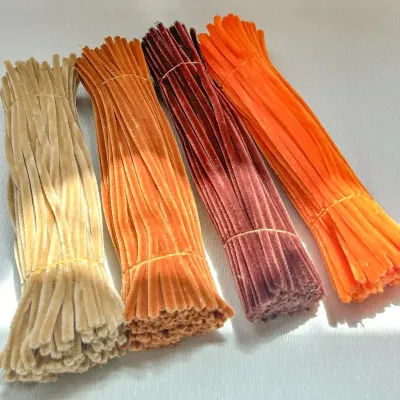
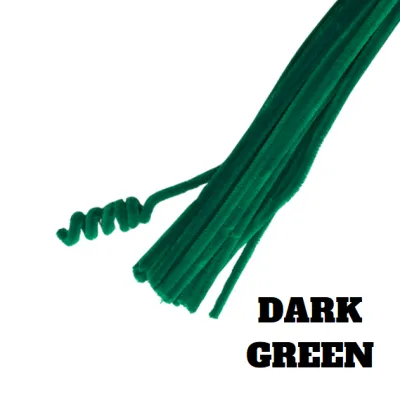
Core Features Pipe cleaners, also known as chenille stems, consist of a flexible, twisted metal wire core wrapped in a dense, fuzzy pile made of polyester, nylon, or acrylic fibers. The standard classroom size is typically 30 centimeters (12 inches) in length with a 6-millimeter diameter, though jumbo varieties up to 15 millimeters are also available. The defining characteristic of these stems is their ability to bend, twist, and hold their shape repeatedly without breaking.

Best Applications These wire-cored stems are excellent for three-dimensional sculpting, structural armatures, and mixed-media projects. Students can twist them into animal legs, glasses, crowns, or coil them around pencils to create springy spirals. They serve as the perfect structural skeleton for clay or paper-mache models, allowing children to experiment with balance, form, and structural integrity.
Limitations and Safety The primary safety concern with chenille stems is the sharp metal wire exposed at both ends when cut. These sharp points can easily poke small fingers or scratch eyes. For younger students, teachers should pre-bend the wire tips inward or teach children to fold the ends back by about half a centimeter to cover the sharp metal. Close adult supervision is highly recommended whenever scissors are used to cut these stems.
Purchasing Checkpoints When sourcing chenille stems for a school kit, run your fingers along the length of a sample stem to check the density of the fuzz. High-quality stems have a thick, uniform pile that does not slide off the metal core when bent. Ensure the wire core is rust-resistant, which is particularly important in humid climates where moisture can cause cheap steel wire to corrode and stain the colorful fibers.
Pom-Poms and Fuzzy Balls
Core Features Pom-poms are lightweight, pre-formed spherical accents made from tightly clustered synthetic fibers. They are available in an extensive range of sizes, from tiny 10-millimeter accent balls to large 50-millimeter spheres. They come in a vast array of finishes, including matte pastel, vibrant neon, and metallic tinsel glitters.
Best Applications These soft spheres are ideal for adding instant three-dimensional texture and personality to flat crafts. They are commonly used as noses, eyes, and tails for animal puppets, or grouped together to create textured collages, clouds, and flowers. In early childhood classrooms, they also double as safe, quiet manipulatives for sorting, counting, and color-matching activities.
Limitations and Safety Due to their small size and appealing textures, pom-poms under 30 millimeters pose a significant choking hazard for younger children who still explore objects with their mouths. Additionally, because of their spherical shape and springy texture, pom-poms have a very small contact surface area, which makes them notoriously difficult to glue down using standard liquid school glue.
Purchasing Checkpoints Test the quality by squeezing a pom-pom firmly between your fingers; it should feel dense and immediately spring back to its original shape. Cheaply made pom-poms are loosely bound at the center and will easily pull apart into messy handfuls of loose fiber. Look for multi-size variety packs that offer a balanced selection of colors to maximize creative options.
Fuzzy Felt and Fleece Sheets
Core Features Felt sheets are non-woven fabrics created by matting, condensing, and pressing synthetic fibers—usually recycled polyester or acrylic—together. Standard craft sheets are typically 1 to 2 millimeters thick. Unlike woven textiles, felt does not fray at the edges when cut, making it incredibly forgiving and easy for young hands to work with.
Best Applications Felt is the premier material for flat fabric collages, hand puppets, holiday ornaments, and interactive storyboards. Its soft, matte texture contrasts beautifully with shiny paper, plastic, and metal craft elements. Because felt naturally clings to other felt surfaces, plain felt shapes can be used repeatedly on a felt backing board for temporary storytelling and sorting games.
Limitations Layering multiple sheets of felt can create a bulky stack that is difficult for standard children’s safety scissors to cut through. Furthermore, low-grade acrylic felt has low tensile strength, meaning it can easily stretch out of shape, pill, or tear under heavy handling by enthusiastic young crafters.
Purchasing Checkpoints Verify the stiffness of the sheets before purchasing. Stiffened felt is excellent for self-supporting structures like baskets or masks, while soft felt is better suited for wrapping, sewing, and draping. For younger classrooms, consider including self-adhesive (peel-and-stick) felt sheets, which completely eliminate the need for liquid glue and speed up assembly times.
Fuzzy Yarn and Textured Threads
Core Features Textured yarns, such as eyelash, chenille, or boucle yarn, feature continuous strands of spun fibers with unique, protruding piles. Eyelash yarn has long, thread-like strands projecting from a central cord, while chenille yarn offers a velvety, uniform texture. These yarns provide a continuous, flexible line of fuzzy texture.
Best Applications Fuzzy yarn is highly effective for wrapping cardboard letters, wreaths, or animal shapes to create a cozy, textured finish. It is also excellent for simple weaving projects on cardboard looms, and for creating realistic hair, fur, or grass on mixed-media canvases. It teaches children basic knotting, wrapping, and threading techniques.
Limitations In a busy classroom, continuous skeins of yarn are highly prone to tangling, which can quickly turn an art lesson into a frustrating cleanup session. Cutting fuzzy yarn also releases small, loose fibers at the cut ends, creating localized mess. Threading textured yarn can be challenging, requiring specialized blunt plastic tapestry needles rather than standard sewing needles.
Purchasing Checkpoints Gently pull on the fuzzy fibers of the yarn to ensure they are securely spun into the core thread and do not shed easily. Choose medium to bulky weights (size 5 or 6) for school kits, as thin yarns are too difficult for young children to manipulate. Opt for 100% polyester or acrylic blends, which are durable and easy to clean.
Quick Comparison of Fuzzy Craft Materials
| Material Type | Best For | Age Suitability | Glue/Cutting Needs | Key Limitation |
|---|---|---|---|---|
| Pipe Cleaners | 3D sculpting, armatures, movable joints | Ages 5 and up (with supervision) | Craft shears; no glue needed (twist to secure) | Sharp wire ends when cut |
| Pom-Poms | Animal features, 3D texture, sorting | Ages 4 and up (small sizes hazard) | Tacky glue or low-temp hot glue; no cutting | Poor adhesion with standard PVA glue |
| Fuzzy Felt | Puppets, storyboards, layered collages | All ages (great for beginners) | Standard school scissors; tacky glue or self-adhesive | Can be bulky to cut when layered |
| Fuzzy Yarn | Wrapping, weaving, hair/fur textures | Ages 6 and up (requires patience) | Plastic tapestry needles; standard scissors | Highly prone to tangling and knotting |
Tips for Storing and Maintaining Fuzzy Art Supplies
Proper storage is essential to prolong the life of fuzzy craft materials and keep classroom clutter to a minimum. Clear, stackable plastic storage bins with secure latching lids are highly recommended. These containers allow teachers and students to instantly identify colors and material types without opening multiple boxes. For individual student art kits, heavy-duty zip-top freezer bags are an excellent, cost-effective alternative that keeps materials clean and prevents stray fibers from mixing.
In the tropical climate of the Philippines, high relative humidity—which frequently exceeds 80 percent—presents a unique challenge for storing craft supplies. Excess moisture in the air can cause natural fiber blends to absorb dampness, leading to mold growth, mildew, and unpleasant musty odors. To combat this, always place a few food-safe silica gel desiccant packets inside your plastic storage bins to absorb excess moisture. Additionally, store your containers in a cool, dry cabinet away from direct tropical sunlight, which can quickly fade vibrant neon and pastel dyes.
Maintaining a clean workspace during and after a fuzzy craft session does not have to be difficult. To quickly clear desks, chairs, and school uniforms of stray lint and fibers, keep a few adhesive lint rollers on hand, or have students wrap a loop of standard masking tape around their hands with the sticky side facing out. For reusable items like felt storyboards or fabric puppets, avoid machine washing, which can cause severe pilling and structural warping. Instead, spot-clean the items gently using a damp microfiber cloth, cold water, and a single drop of mild dish soap, then lay them flat to air-dry completely in a well-ventilated area.
Frequently Asked Questions (FAQ)
Are pipe cleaners safe for all age groups in school?
While pipe cleaners are highly versatile, they are not recommended for unsupervised use by toddlers or very young children. The internal wire core is made of thin metal that, when cut, leaves sharp ends that can easily scratch skin or eyes. For preschool and kindergarten classrooms, teachers should pre-bend the sharp ends inward by 5 millimeters using small pliers, or opt for extra-thick, jumbo chenille stems that have heavily padded plush ends to minimize the risk of injury.
What is the best glue to use on fuzzy felt and pom-poms?
Standard liquid school glue (PVA) often fails on fuzzy materials because its high water content is quickly absorbed by the porous fibers, leaving behind a weak bond that easily pulls apart. For a secure hold, use specialized craft tacky glue, which has a thicker consistency and a stronger initial tack. For older students under direct adult supervision, a low-temperature hot glue gun is the most effective tool, as the melted adhesive cools quickly and creates an instant, durable bond with synthetic fibers.
How do I prevent fuzzy materials from shedding in the classroom?
To minimize shedding, always use sharp, dedicated craft scissors rather than dull safety scissors, as dull blades crush and tear the fibers instead of cutting them cleanly. Pre-cutting materials before the lesson starts can also help contain the mess to a single preparation area. Finally, encourage students to work over a shallow plastic tray or a sheet of scrap paper, making it easy to gather and discard loose fibers at the end of the class.
Community discussion
Share your experience or ask a question. Comments are reviewed before publication.