
Quick Answer: The Core Flower-Making Starter Kit
Starting your craft flower journey requires only a few fundamental items to transition from flat sheets to lifelike three-dimensional blooms. The absolute minimum starter kit consists of a flexible base medium, a precise cutting tool, a shaping instrument, and reliable assembly supplies. For beginners, a roll of high-stretch crepe paper or a few sheets of lightweight EVA craft foam serve as the perfect canvas. You will pair these with a sharp pair of detail scissors to cut clean petal edges without fraying.
To assemble and shape your creations, you need a basic metal ball stylus or a smooth creasing tool, a pack of paper-wrapped floral wire, a roll of self-sealing floral tape, and a bottle of quick-drying tacky glue. This simple combination allows you to practice essential techniques like cupping, curling, and stem wrapping. By focusing on these core essentials, you can master the basic mechanics of flower construction before investing in specialized, high-end equipment.
Choosing the Right Base Materials for Petals and Leaves
The choice of your primary medium dictates the realism, durability, and overall style of your craft flowers. Crepe paper is the most popular choice for beginners due to its unique elasticity and built-in texture. The “stretch” or crimp of crepe paper allows you to cup and stretch the center of a petal, mimicking the natural curve of a real blossom. When selecting crepe paper, pay attention to the weight, which is typically measured in grams per square meter (gsm). Heavyweight paper, such as 180g crepe, is highly durable and holds deep creases, making it ideal for large, structural flowers like peonies or gardenias. Conversely, lightweight fine crepe (around 60g to 90g) is perfect for delicate, translucent petals like poppies or cherry blossoms.
Products mentioned in this guide
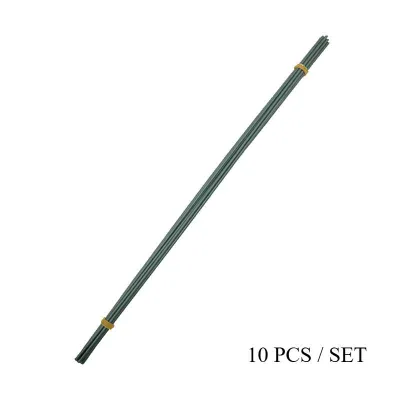
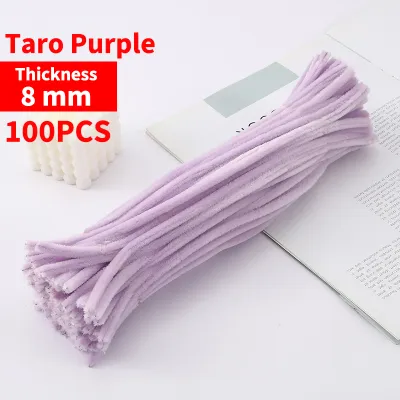
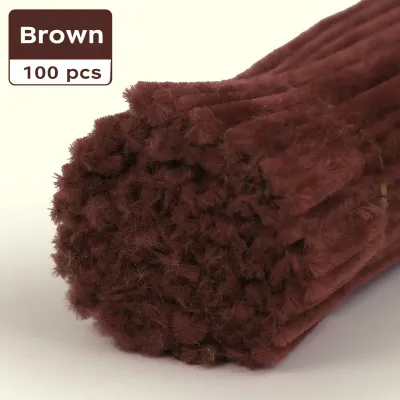
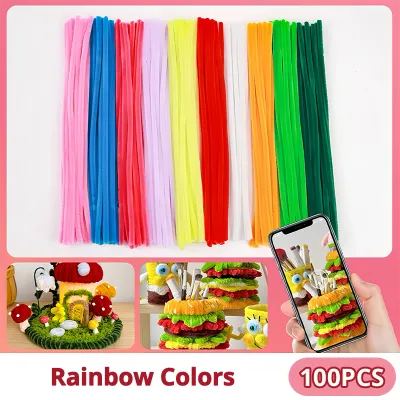
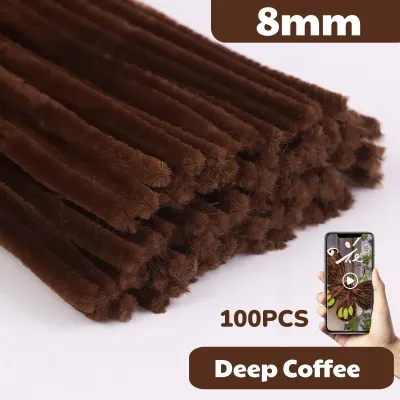
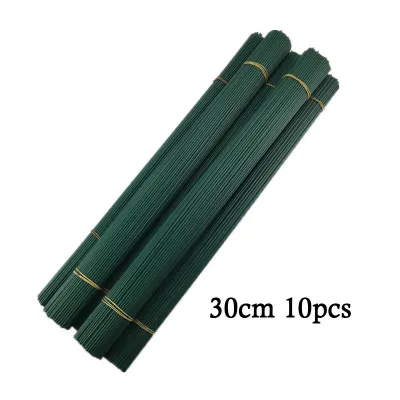
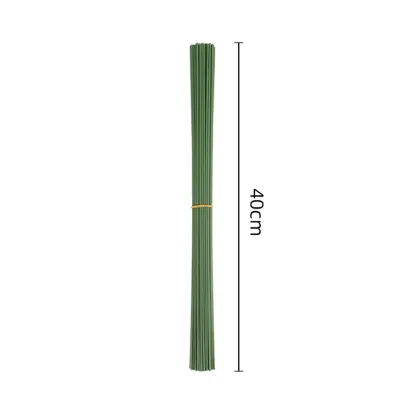
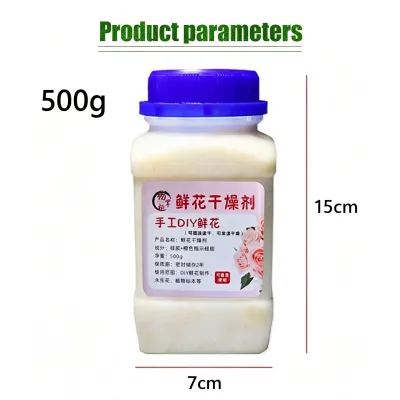
Prices are valid at publication and may change. Please refer to the product page for the latest price.

Cardstock offers a completely different aesthetic, focusing on clean lines, geometric structures, and modern designs. Standard cardstock ranging from 120 gsm to 200 gsm is sturdy enough to stand upright without drooping, making it excellent for large wall displays or structured paper bouquets. However, cardstock lacks the organic stretch of crepe paper, meaning you must rely on scoring, folding, and curling techniques with a bone folder to introduce dimension.
For crafters seeking maximum durability, ethylene-vinyl acetate (EVA) foam, often sold as thin craft foam sheets, is an exceptional alternative. EVA foam sheets ranging from 1mm to 2mm in thickness can be heated and stretched into incredibly realistic, soft-to-the-touch petals. Unlike paper, foam is completely waterproof and highly resilient, which is a significant advantage in warm, humid tropical climates like the Philippines where high humidity can cause paper petals to sag or lose their shape over time.
Fabric, such as silk, organza, or stiffened cotton, provides a luxurious, textile-based option for flower making. Fabric flowers require treatment with a stiffening agent, like starch or gelatin, to prevent the edges from fraying when cut. This medium is highly favored for millinery and fashion accessories due to its soft drape and elegant movement.
When working with these materials, color fastness and customization are vital considerations. Crepe paper is notoriously sensitive to moisture, and many budget-friendly grades will bleed or fade when exposed to water or direct sunlight. To verify color fastness, gently dab a damp cotton swab onto a small scrap of your chosen paper; if the dye transfers easily, you must avoid liquid-based coloring methods. For adding realistic gradients and shading, dry mediums like soft pastels or high-quality chalks are highly recommended, as they blend smoothly onto paper or foam without compromising the structural integrity of the material.
Essential Tools for Cutting, Shaping, and Assembling
Precision is key when transforming flat sheets of paper or foam into delicate floral components. A high-quality pair of detail scissors is the most critical cutting tool in your arsenal. Look for scissors with short, ultra-sharp stainless steel blades and comfortable, ergonomic grips that allow you to make intricate, curved cuts without hand fatigue. For internal cuts, stencils, or cutting multiple layers of paper at once, a sharp craft knife with a replaceable blade is indispensable. If you plan to produce flowers in large quantities, investing in petal punches or compatible die-cutting templates can save hours of manual cutting and ensure perfectly consistent petal shapes.
Shaping tools are what elevate a flat cutout into a lifelike, three-dimensional petal. A set of double-ended metal ball styluses is the standard tool for this process. By pressing the metal ball onto a petal cutout placed on a soft, high-density foam shaping mat, you can gently stretch and cup the material to create natural, concave curves. If you are working with EVA foam, a heat tool, such as a mini craft iron or a low-temperature embossing heat gun, is required to soften the foam before shaping. Always verify that your shaping tools are clean and free of rough edges, as any burrs on a metal stylus can easily tear delicate crepe paper.
Structural support is what allows your craft flowers to stand tall in a vase or form a cohesive bouquet. Floral wire is categorized by gauge numbers, where a higher number indicates a thinner, more flexible wire. For the main stems of large, heavy flowers, a thick 18-gauge or 20-gauge wire provides the necessary rigidity to prevent bending. For delicate petals, leaves, or smaller filler flowers, a highly flexible 24-gauge or 26-gauge wire is preferred, as it can be easily bent and shaped to mimic natural growth patterns. Paper-wrapped wire is generally easier to glue and wrap than bare metal wire, as the paper coating provides a textured surface for adhesives to grip.
To bind your wire stems and leaves together, you will need floral tape. This specialized tape is not sticky to the touch initially; instead, it is coated with a wax adhesive that activates only when the tape is stretched. To use it effectively, hold the tape at an angle against the wire, stretch it gently to release the adhesive, and wrap it tightly downward, overlapping each turn to create a smooth, seamless green stem.
Adhesives and Finishing Supplies: What You Actually Need
Choosing the correct adhesive is critical to ensuring your craft flowers remain securely assembled over time without unsightly glue marks or material damage. Polyvinyl acetate (PVA) glue, commonly known as white craft glue, is a staple for paper crafting due to its strong, flexible bond when dry. However, standard school PVA glues often have a high water content, which can cause thin crepe paper to warp, wrinkle, or bleed. To prevent this, opt for a quick-drying, thick tacky glue, which has a lower water content and holds its shape without running, allowing for a faster initial grab.
Hot glue guns are incredibly popular in flower making because they provide an almost instantaneous bond, which is essential when securing heavy petals to a wire stem or assembling dense foam flowers. When using hot glue, a low-temperature glue gun is highly recommended to prevent accidental burns and to avoid melting thin EVA foam or delicate synthetic fabrics. Regardless of the glue you choose, always apply it sparingly; a toothpick or a fine-tip applicator bottle can help you place tiny, precise dots of adhesive exactly where needed, preventing excess glue from seeping out and ruining the clean look of your petals.
Finishing supplies add the final layer of depth and realism that distinguishes amateur crafts from professional-looking floral art. Soft pastels are an excellent, budget-friendly tool for adding realistic shading, veins, and color gradients to your petals. Simply scrape a small amount of pastel powder onto a palette and use a dry, soft-bristled makeup brush or stencil brush to gently sweep the color onto the base or edges of your cut petals before shaping them.
In humid tropical environments, protecting your finished paper flowers from moisture and dust is a common challenge. Applying a very light, even coat of a matte acrylic sealant spray can help lock in the colors and provide a basic barrier against ambient humidity. When applying any spray sealant, always work in a well-ventilated outdoor area, hold the can at least 30 centimeters away from the flowers to prevent pooling, and allow the sealant to dry completely in a dust-free environment.
How to Build Your First Flower-Making Kit on a Budget
Starting a new hobby does not require a massive financial investment, as many specialized tools can be substituted with common household items or sourced affordably. When building your first kit, prioritize versatile, multi-purpose tools over highly specific, single-use gadgets. For example, instead of purchasing an expensive set of metal ball styluses immediately, you can use the smooth, rounded end of a pen cap, a wooden spoon handle, or even a large marble to cup and shape your petals. A standard pair of household scissors can work for basic petal shapes, provided you sharpen them beforehand using aluminum foil or fine sandpaper.
Sourcing your materials strategically can also lead to significant savings, with basic supplies costing only a few hundred ₱ at local shops. Local school and office supply stores are fantastic, budget-friendly sources for basic cardstock, standard crepe paper, floral wire, and craft glues. These local shops allow you to physically inspect the weight and color of the paper before purchasing. For more specialized materials, such as heavy Italian crepe paper or specific gauges of paper-wrapped floral wire, online marketplaces and dedicated craft suppliers offer a wider selection, though you should factor in shipping times and potential variations in color representation on screens.
When deciding between a pre-assembled flower-making starter kit and purchasing individual components, consider your specific project goals. Pre-assembled kits are highly convenient, as they bundle coordinated papers, wires, tape, and sometimes basic instructions into a single package, making them excellent for absolute beginners who want to complete a specific project without hassle. However, buying individual components is often more cost-effective in the long run, as it allows you to select higher-quality materials in the exact colors and specifications you need, preventing waste from unused items included in pre-made bundles.
Frequently Asked Questions (FAQ)
Can I use regular printer paper instead of crepe paper for craft flowers?
Standard printer paper, typically around 70 gsm to 80 gsm, lacks the essential elasticity and stretch required to create realistic, organic flower shapes. Unlike crepe paper, which can be stretched and cupped to form natural, curved petals, printer paper will crease, fold, or tear when subjected to the same shaping techniques. Additionally, printer paper has a very flat, smooth texture and highly visible grain lines when bent, which can make the finished flower look rigid and artificial. While printer paper can be used for geometric, origami-style flowers or structured spiral roses, it is not a suitable substitute for projects that require soft, lifelike petal curves.
What is the safest way to use heat tools for shaping foam or fabric flowers?
When using heat tools like embossing guns, mini irons, or hair straighteners to shape EVA foam or synthetic fabrics, safety and temperature control are paramount. Always work in a well-ventilated space to avoid inhaling any fumes that may be released when the synthetic materials are heated. Place your heat tool on a heat-resistant silicone mat when not in use, and never leave it unattended while plugged in. Before applying heat to your final petal cutouts, always test the temperature on a small scrap piece of the same material; if the foam curls instantly, shrinks excessively, or begins to discolor, the heat is too high and should be reduced to prevent melting or scorching.
How do I store leftover floral wire and crepe paper to prevent damage?
Proper storage is essential for maintaining the usability and vibrant colors of your leftover flower-making materials, especially in humid climates. Crepe paper is highly sensitive to moisture and light; store your rolls and sheets flat in airtight plastic storage bins or zip-top bags, keeping them in a cool, dark closet away from direct sunlight to prevent fading and moisture absorption. For floral wire, organize the pieces by gauge in dry, labeled plastic tubes or containers to prevent them from tangling, bending, or rusting. Keeping your supplies organized and protected from environmental factors ensures they remain in pristine condition for your next crafting session.
Community discussion
Share your experience or ask a question. Comments are reviewed before publication.