
To run a successful e-commerce business in the Philippines, your products must survive a demanding logistics journey. From the high humidity of tropical weather to multiple transfers between sorting hubs and motorcycle delivery riders, packages face significant physical stress. Choosing the right packaging materials is not just about wrapping an item; it is a strategic decision that directly impacts your customer satisfaction, return rates, and overall business profitability. By understanding the specific roles of outer packaging, protective fillers, and secure sealing methods, you can build a reliable shipping system that protects your inventory and keeps your delivery costs manageable.
Assessing Your Product and Shipping Needs
Before purchasing any packaging materials, you must evaluate the physical characteristics of your products. Heavy, fragile, or oddly shaped items require structural support that lightweight goods do not. Measure the exact dimensions and weight of your items, and group them into categories based on their vulnerability to impact. A heavy ceramic mug requires a completely different protective strategy than a soft cotton t-shirt, and treating them the same will lead to either damaged goods or unnecessary packaging expenses.
The local shipping environment in the Philippines presents unique challenges that you must factor into your packaging choices. High relative humidity can weaken standard cardboard boxes during storage and transit, making them prone to collapsing when stacked. Frequent rain during the wet season means your outer packaging must offer some level of moisture resistance, or at least shield the inner contents from water damage. Additionally, packages are often loaded onto motorcycles for the final mile of delivery, exposing them to vibrations, sudden bumps, and tight packing conditions.
Products mentioned in this guide

Prices are valid at publication and may change. Please refer to the product page for the latest price.
You must also align your packaging choices with the specific guidelines of your chosen online marketplaces and courier partners. Most logistics providers enforce strict rules regarding package dimensions, weight limits, and the containment of specific items like liquids or electronics. Failing to meet these standards can result in couriers refusing to accept your parcels, or worse, automatic surcharges and denied insurance claims if an improperly packed item breaks in transit. Regularly review the seller handbooks of your platforms to ensure your materials comply with their latest requirements.
Outer Packaging: Boxes, Mailers, and Envelopes
Your outer packaging serves as the primary shield against external forces during transit. Corrugated boxes are the industry standard for fragile, heavy, or multi-item orders because of their structural design. These boxes feature a wavy inner layer, known as fluting, sandwiched between flat linerboards, which provides cushioning and resistance to crushing. When sourcing corrugated boxes, pay close attention to the flute size and wall thickness, such as single-wall or double-wall construction. Always check the manufacturer’s stamp or specification sheet on the bottom of the box to verify its maximum weight capacity before packing heavy items.

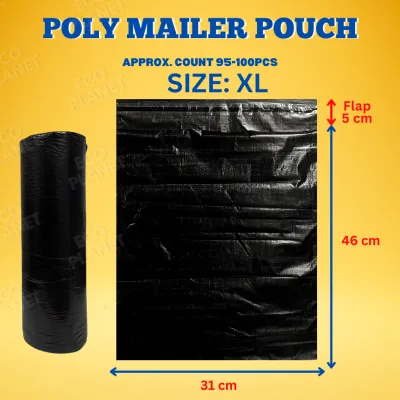
For non-fragile, soft goods like apparel, bedding, or plush toys, poly mailers and bubble mailers offer a lightweight and cost-effective alternative to boxes. Poly mailers are made of durable plastic that resists moisture and tearing, helping to protect your items from tropical downpours. Bubble mailers combine this plastic outer layer with an integrated bubble wrap lining, providing a basic level of scratch and light impact protection. When selecting these mailers, inspect the product labels to verify their seam strength and tear resistance, ensuring they will not burst open when compressed in a delivery bag.
Flat, bend-sensitive items such as art prints, stickers, certificates, and stationery require specialized rigid envelopes or document mailers. Standard paper envelopes offer virtually no protection against bending, which can ruin these delicate products before they reach the customer. Rigid mailers, typically constructed from thick chipboard or heavy cardstock, resist folding and keep their shape throughout the delivery process. Using the correct size is crucial; if the envelope is too large, the contents may slide around and suffer corner damage, while an envelope that is too tight can tear at the seams.
Protective Fillers and Wraps
Once you have selected your outer packaging, you must address the space inside to prevent your products from shifting. Bubble wrap and foam rolls are excellent for wrapping individual items to absorb direct shocks and prevent surface scratches. When purchasing bubble wrap, match the bubble size to your product’s vulnerability; small bubbles are ideal for scratch protection on light items, while larger bubbles provide better shock absorption for heavier goods. If you are shipping electronic components or sensitive devices, always check the manufacturer’s specification sheet to ensure the wrap has anti-static properties to prevent electrostatic discharge.
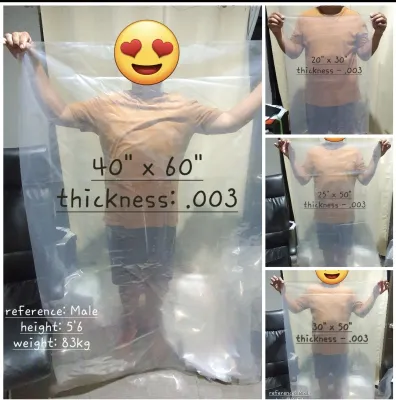
Void fill materials, such as kraft paper, air pillows, and packing peanuts, are designed to occupy the empty spaces inside a box and lock your products in place. Kraft paper is highly versatile, easy to store, and can be crumpled to fit any space, though it adds slight weight to the package. Air pillows are incredibly lightweight and highly efficient at filling large voids without increasing shipping costs, but they require a dedicated inflation system. Packing peanuts flow easily into complex gaps, but you must check for dust or static residue that could cling to your products and degrade the unboxing experience for your customers.
For heavy, sharp, or highly structured items, standard cushioning may not prevent the corners from puncturing the outer box. Edge protectors and corner guards made of compressed cardboard or molded plastic provide vital structural reinforcement. Placing these guards along the inner edges of your boxes distributes compression forces evenly, preventing the outer carton from collapsing when stacked under heavier parcels in a delivery truck. This extra layer of defense is particularly useful for framed artwork, furniture components, or bulk shipments of books.
Sealing, Labeling, and Security Supplies
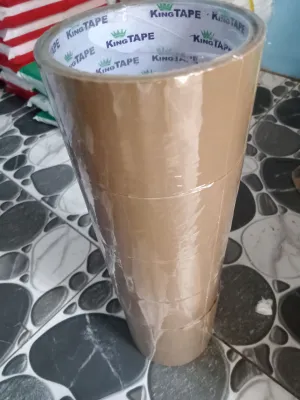
A secure seal is what keeps your carefully packed items safe inside their containers until they reach their destination. Packing tapes are available with different adhesive formulations, primarily acrylic and hot melt. Acrylic tape performs exceptionally well in high-temperature and high-humidity environments, making it highly suitable for storage in tropical warehouses. Hot melt tape offers a quick, aggressive bond that works well on recycled corrugated boxes but can degrade if exposed to prolonged heat. Always check the manufacturer’s adhesion specifications to ensure the tape you choose is compatible with your specific box material.
To maintain a fast and efficient packing workflow, investing in quality tape dispensers and cutters is essential. Handheld tape dispensers allow you to apply tape smoothly, maintain consistent tension, and cut it cleanly in a single motion. This not only speeds up your fulfillment process during peak sales events but also reduces material waste from tangled or improperly cut tape. Look for ergonomic designs with comfortable grips and adjustable tension brakes to minimize hand fatigue during long packing sessions.
Clear, legible shipping labels and warning stickers are critical for ensuring your packages are routed correctly and handled with care. Ensure that your shipping label adhesive is strong enough to bond permanently with your outer packaging, whether you are sticking them to plastic poly mailers or cardboard boxes. Moisture-resistant thermal labels are highly recommended, as they prevent the printed barcodes from smudging when exposed to rain or humidity. Additionally, use standard, universally recognized handling symbols, such as “Fragile” or “Keep Dry” stickers, to clearly communicate handling instructions to courier personnel.
Building Your Packaging Inventory Checklist
Managing your packaging supplies efficiently requires a structured approach to inventory planning. To avoid running out of materials during high-volume sales periods, calculate your baseline inventory needs based on your average monthly order volume. Factor in the lead times required by your packaging suppliers to deliver new stock to your location. Maintaining a safety stock of essential sizes of boxes, mailers, and tape ensures that your fulfillment operations can continue smoothly even if a supplier experiences unexpected delays.
Before committing to bulk purchases of any new packaging material, establish a rigorous testing protocol to verify its performance. You can perform simple, observable tests in your workspace, such as a drop test from a standard table height, a compression test by stacking heavy items on a sample box, and a vigorous shake test to listen for movement inside. If the product shifts, breaks, or the outer packaging deforms significantly during these trials, you must adjust your cushioning or upgrade to a stronger box grade.
Finally, you must carefully monitor your packaging material costs per order to protect your business’s profit margins. Calculate the total cost of all packaging components used for a single shipment—including the box, tape, filler, and label—and track this as a percentage of your product’s retail price. While ensuring transit safety is paramount, over-packaging can lead to unnecessary expenses and higher shipping fees due to increased volumetric weight. Strive to find the optimal balance where your products are fully protected without using excessive or oversized materials.
Frequently Asked Questions (FAQ)
How do I handle packaging for liquid or spill-prone products?
Shipping liquids requires a multi-layered containment strategy to prevent leaks from damaging other packages in transit. The first line of defense must be on the primary container itself; verify that bottles or jars feature secure induction seals, shrink bands, or tamper-evident caps that prevent the lid from loosening under vibration. Next, place the primary container inside a leak-proof poly bag and seal it completely to act as secondary containment. Finally, when placing the bagged item into the outer shipping box, check if your courier requires the inclusion of absorbent materials capable of containing the entire volume of liquid in the event of a rupture.
Can I reuse packaging materials from my own suppliers?
Reusing inbound packaging materials is an excellent way to reduce costs and minimize waste, provided you follow strict quality checks. Inspect every corrugated box thoroughly for structural integrity, ensuring there are no crushed corners, water soft spots, or compromised inner flutes that weaken its load-bearing capacity. You must completely remove or obscure all old barcodes, shipping labels, and any hazardous material markings to prevent sorting machines and couriers from misrouting your package. Lastly, avoid reusing any materials that exhibit strong odors, stains, or excessive wear, as these can negatively affect your brand’s presentation and the customer’s unboxing experience.
Community discussion
Share your experience or ask a question. Comments are reviewed before publication.