
Preparing your child for school art classes is an exciting milestone, but stepping into a stationery aisle can quickly become overwhelming. With shelves packed with various paint types, brush shapes, and paper grades, it is easy to end up with a kit that is either impractical for a classroom setting or easily ruined. The ideal painting materials for kids must balance creative potential with classroom-friendly features, ensuring they are safe, easy to clean, and durable enough to survive a busy school year.
A carefully curated art kit does more than just fulfill a school requirement; it empowers your child to explore color, texture, and form without unnecessary frustration. In a tropical environment where high humidity can affect how paints dry and store, making informed choices is crucial. By understanding the specific needs of different grade levels and the physical properties of various art mediums, you can assemble a practical, long-lasting kit that keeps both your child’s creativity flowing and their school uniforms clean.
Key Criteria for Choosing Safe and Practical Art Supplies
Before diving into specific paint colors and brush sizes, it is essential to establish a baseline for what makes an art supply suitable for school use. Children’s art supplies must meet strict safety, practical, and environmental standards to ensure a positive classroom experience.
Products mentioned in this guide
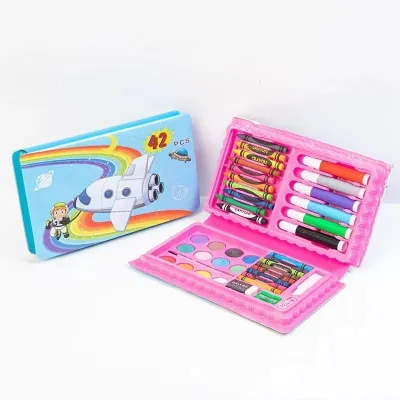
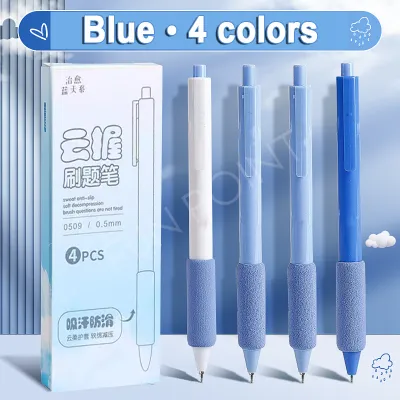
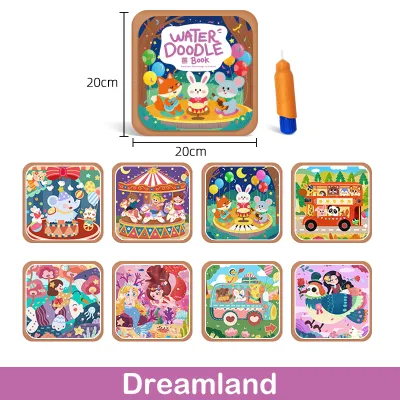
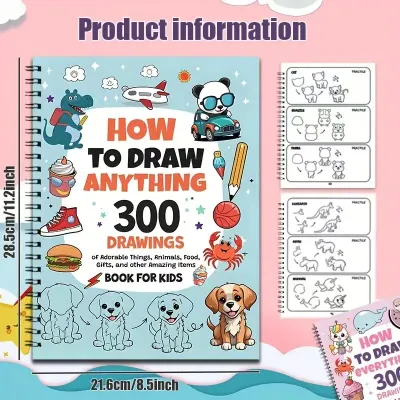
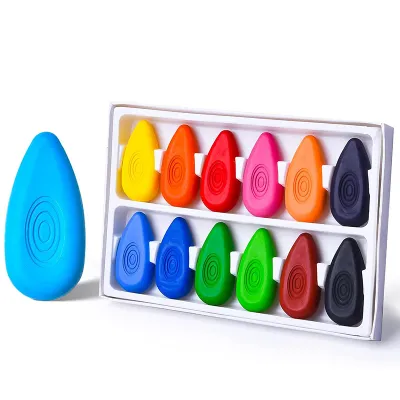
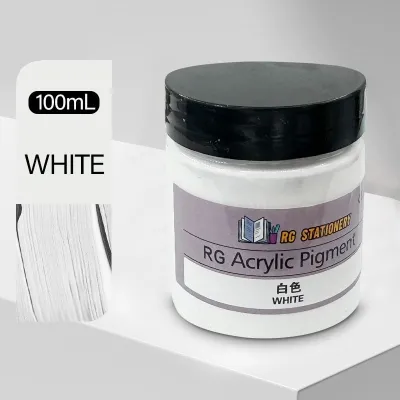
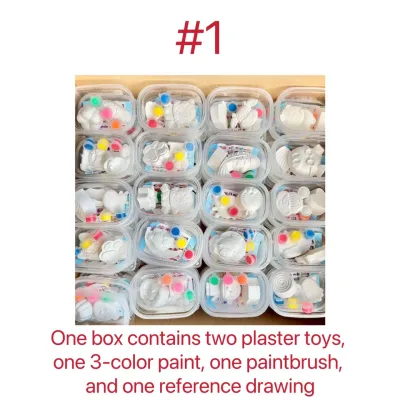
Prices are valid at publication and may change. Please refer to the product page for the latest price.
Safety First The absolute priority when selecting painting materials for kids is chemical safety. Children frequently touch their faces, wipe their mouths, or even accidentally ingest small amounts of paint during a creative session. Always inspect product labels for clear safety certifications. Look for the “AP Non-Toxic” seal from the Art and Creative Materials Institute (ACMI), or the European “CE” and “EN71” safety marks. These labels verify that the product has undergone rigorous toxicological evaluation and contains no harmful materials in quantities sufficient to cause health problems. Avoid purchasing unbranded or generic imports that lack these explicit safety certifications.
Washability Classroom painting is inherently messy, and stray paint splatters are inevitable. To protect expensive school uniforms and classroom furniture, prioritize paints and markers explicitly labeled as “washable.” Washable paints are formulated with water-soluble binders and specialized surfactants that prevent pigments from binding permanently to fabric fibers. If paint does get onto a cotton-blend uniform, it can typically be washed out completely in a standard laundry cycle. For best results, advise your child to wipe off excess wet paint immediately, and pre-treat the stain with laundry soap and cold water before throwing it into the washing machine.
Climate Considerations The tropical and highly humid climate of the Philippines plays a significant role in how art supplies behave and age. High atmospheric moisture levels slow down the drying time of water-based mediums, making wet paintings prone to sticking together or tearing when stored in folders. Furthermore, damp watercolor pans left inside sealed plastic cases are highly susceptible to mold growth during the rainy season. Conversely, during hot, dry months, poorly sealed liquid paints and pastes can dry out and harden into useless blocks. When building your child’s kit, look for paints with secure, airtight lids, and choose high-quality paper that resists moisture absorption.
Durability vs. Cost School art supplies undergo heavy daily use, frequent transport in packed school bags, and the occasional drop onto hard classroom floors. While budget-friendly, generic options are highly tempting, they often prove to be a false economy. Ultra-cheap plastic palettes crack easily, low-grade brushes shed bristles onto the canvas, and brittle crayon formulas snap under minor pressure. Investing in reputable, mid-range stationery brands ensures the tools feature reinforced hinges, flexible plastic bodies, and secure closures. This durability prevents messy leaks inside school bags and saves you from having to purchase frequent replacements throughout the academic year.
Must-Have Paints and Mediums for the Classroom
The core of any school art kit is the paint itself. Different painting mediums offer distinct educational benefits, and matching the medium to your child’s age and motor skills is key to their artistic development.

Watercolors for Beginners
Watercolors are the classic introduction to color theory, teaching children how to mix primary colors to create secondary shades, control water ratios, and apply translucent washes. For kindergarten and early elementary students, solid pan sets (also known as watercolor cakes) are highly recommended. Pan sets are exceptionally clean because they do not involve runny liquids; the paint remains solid until activated with a damp brush. This drastically reduces the risk of major spills on classroom desks.
For older students in intermediate or high school grades, tube watercolors become more appropriate. Tube paints contain moist, concentrated pigment that allows for richer color saturation, smoother blending, and broader washes over larger surfaces. However, because watercolors are highly susceptible to mold in humid conditions, students must let their palettes air-dry completely before snapping the lid shut. For a quick quality check, brush a single stroke onto paper; a high-quality paint will spread smoothly without clumping or leaving a chalky residue once dry.
Tempera and Poster Paints
When school projects require bold, opaque, and vibrant colors, washable tempera and poster paints are the ultimate classroom staples. Tempera paint is highly versatile, adhering beautifully to paper, cardboard, clay, and paper-mache. It dries quickly to a smooth, matte finish, making it perfect for quick-turnaround classroom crafts.
It is vital to distinguish washable tempera from standard acrylic paint. While acrylics offer excellent durability and vibrant finishes, they contain plastic polymers that become completely water-resistant once dry. This means acrylic paint will permanently stain school uniforms and classroom furniture. Unless a teacher specifically requests acrylics for a specialized high school project, stick to washable tempera or poster paints to avoid ruined clothing.
Crayons and Oil Pastels
Dry and waxy mediums serve as an essential bridge between drawing and painting. Standard wax crayons are perfect for early childhood education. Their firm texture helps young children develop hand strength, finger grip, and fine motor skills. When shopping for younger kids, look for break-resistant or double-wrapped labels, as standard crayons can easily snap under heavy, uneven pressure.
For older students in the middle and upper grades, oil pastels are a superior choice. Oil pastels contain a mixture of pigment, wax, and non-drying oil, giving them a soft, buttery consistency. This unique texture allows students to experiment with advanced techniques like color blending, scraping (sgraffito), and wax-resist painting (where watercolor is washed over oil pastel drawings). Because they do not dry out or crumble like chalk pastels, they are highly practical for busy classroom environments.
Essential Brushes, Tools, and Painting Surfaces
Even the highest-quality paint cannot perform well without the right application tools and surfaces. Matching your brushes and paper to your chosen medium prevents frustration and ensures successful projects.
Brushes For school use, synthetic bristle brushes (usually made of nylon or polyester) are highly recommended over natural animal hair. Synthetic bristles are more resilient, easier to clean, retain their shape better after multiple uses, and are less prone to shedding. A basic classroom set should include at least two shapes: a round brush (such as a Size 6 or 8) for fine lines and detail work, and a flat brush (such as a 1/2-inch flat) for filling in larger background areas. Look for brushes with short, chunky handles for younger children to match their smaller grip, while older students can transition to standard-length handles.
Palettes and Water Cups A proper mixing palette prevents color muddying and helps kids understand color relationships. Choose sturdy plastic palettes with deep wells so that runny watercolors or liquid tempera do not spill over into adjacent colors. To minimize classroom accidents, pack a spill-proof water cup. These specialized cups feature a conical lid design that prevents water from escaping even if the cup is accidentally knocked over on a desk.
Painting Surfaces One of the most common mistakes is using standard, thin photocopy or bond paper (typically 70 to 80 GSM) for painting. Thin paper quickly buckles, warps, and tears when exposed to water-based paints. For successful painting, the paper weight must match the medium. Look for heavyweight construction paper, cardstock, or dedicated mixed-media paper with a minimum weight of 200 GSM. For watercolor projects, watercolor paper or watercolor blocks of 300 GSM are ideal, as they are specifically engineered to resist bleeding and warping.
Mixing Tools To preserve the life of delicate brush bristles, older students should use dedicated mixing tools. A small plastic palette knife or a simple flat plastic spoon allows students to scoop and mix thick tempera or poster paints on their palettes. This practice prevents the brush bristles from getting bent, splayed, or clogged with thick paint at the ferrule, ensuring the brushes last throughout the entire school year.
Testing and Verification Criteria Because performance depends on the exact combination of paint formulation and paper selection, it is highly recommended to run a quick test at home before sending new supplies to school. You can verify the quality and compatibility of your materials using these simple, observable checks:
- Smoothness and Laydown: Draw a single stroke with a crayon or brush. The color should transfer smoothly without skipping, scratching the paper, or requiring excessive downward pressure.
- Bleed Resistance: Apply a saturated brush stroke of watercolor or tempera to your selected paper. Check the reverse side of the sheet; if the pigment or moisture seeps through to the back, the paper is too thin or porous for that medium.
- Drying Speed: Paint a small patch on a test sheet. Under normal indoor conditions, washable tempera should feel dry to the touch within 5 to 10 minutes. If it remains tacky or wet after 15 minutes, the paint layer is too thick or the room's humidity is exceptionally high, requiring longer drying times before the artwork can be packed away.
- Water Resistance and Erasability: For wax-resist techniques, draw a heavy line with a crayon or oil pastel, then brush watercolor over it. The watercolor should bead up and slide off the wax line cleanly, leaving the drawing underneath fully visible.
Cleanup, Protection, and Storage Essentials
Managing the aftermath of an art session is just as important as the painting process itself. A well-prepared kit includes tools that protect clothing and make cleanup fast and efficient.
Protection Prevention is the best defense against paint stains. Always include a dedicated art smock, a waterproof apron, or an old, oversized button-down shirt in your child’s art kit. Ensure the smock covers the front of the school uniform and has long sleeves with elastic cuffs to prevent sleeves from dragging through wet paint trays.
Quick Cleanup Classroom cleanup times are often short, leaving little time for kids to queue at the washbasin. Pack a travel-sized pack of wet wipes or a damp microfiber cloth sealed inside a reusable silicone bag. This allows your child to quickly wipe paint off their hands, brushes, and desks directly at their seat before transitioning to their next academic subject.
Storage and Transport Avoid using flimsy plastic shopping bags to store art supplies, as they puncture easily and offer no protection against crushing. Instead, use a hard-shell plastic utility box or a heavy-duty zippered canvas pouch with elastic loops. A rigid box keeps paint tubes from being squeezed and punctured by textbooks, prevents delicate brush bristles from bending, and stops dry crayons and pastels from snapping during the daily commute. To combat tropical humidity inside the box, toss in a small packet of silica gel to absorb excess moisture.
Quick Art Supply Checklist by Grade Level
To help you quickly assemble the correct materials, use this grade-level checklist tailored to developmental stages and typical curriculum requirements.
| Grade Level | Core Paints & Mediums | Essential Tools | Paper Type |
|---|---|---|---|
| Early Years (K-2) | Washable tempera, solid watercolor pans, jumbo wax crayons | Chunky synthetic brushes, spill-proof water cups, plastic palettes | Heavyweight construction paper, cardstock (180+ GSM) |
| Middle Grades (3-5) | Washable tempera, watercolor pans, oil pastels | Round and flat synthetic brushes, plastic palettes, mixing spoons | Mixed-media paper (200+ GSM), sketchpads |
| Upper Grades (6+) | Tube watercolors, poster paints, student-grade acrylics | Fine detail brushes, flat wash brushes, plastic palette knives | Watercolor paper (300 GSM), mixed-media boards |
Frequently Asked Questions (FAQ)
How do I keep watercolor pans from molding in a humid climate?
To prevent mold growth in humid environments, never close a watercolor palette while the paint is still wet. Instruct your child to leave the palette open to air-dry completely at home after school. If you notice mold forming on a watercolor cake, gently wipe the surface layer off with a clean, damp microfiber cloth, spray it lightly with a diluted vinegar solution, and let it dry thoroughly in a well-ventilated, sunny area.
Can I use regular acrylic paint instead of tempera for school projects?
It is highly recommended to stick to washable tempera unless the art teacher specifically requests acrylic paint. Acrylic paint contains plastic binders that dry into a permanent, water-resistant film, making it nearly impossible to wash out of school uniforms, cotton shirts, or classroom furniture once dry. Washable tempera provides a similar vibrant, opaque finish but dissolves easily in water, ensuring stress-free cleanup for both teachers and parents.
Community discussion
Share your experience or ask a question. Comments are reviewed before publication.