
Selecting the right gamit sa school supplies set is more than just a routine errand before the school year begins; it is a foundational step toward academic comfort and success. In the Philippines, where classroom environments can range from air-conditioned lecture halls to warm, high-humidity rooms, the performance of writing instruments changes dramatically. High humidity softens paper fibers, making them more absorbent, which can cause cheap inks to bleed and thin pencil leads to snap. Having a carefully curated selection of pens and pencils ensures that students can focus entirely on their lessons rather than struggling with smudged notes, torn paper, or broken writing tips.
A complete student writing kit requires a balanced mix of reliable ballpoint or gel pens for daily note-taking, highlighters for active reading, standard HB and 2B graphite pencils for exams and sketching, and durable colored pencils for creative projects. By understanding how different inks, graphite grades, and barrel designs interact with standard school paper, parents and students can build a highly functional set that lasts the entire academic year. This guide breaks down the essential writing tools every student needs, how to match them to specific classroom tasks, and how to maintain them for long-term durability.
Core Writing Tools: Must-Have Pens for Daily Classroom Tasks
Pens are the workhorses of the modern classroom, used for everything from rapid-fire lecture notes to formal essay writing. The three primary pen types—ballpoint, gel, and rollerball—each utilize distinct ink formulations that behave differently on paper. Ballpoint pens use a thick, oil-based ink that dries almost instantly upon contact with the page. This rapid drying speed makes ballpoints highly resistant to smudging, which is incredibly beneficial in humid tropical climates where paper tends to retain moisture. Furthermore, the oil-based formula is highly water-resistant, ensuring that notes remain legible even if a stray water droplet lands on the page.
Products mentioned in this guide
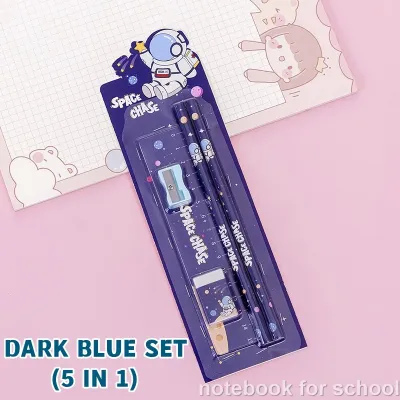
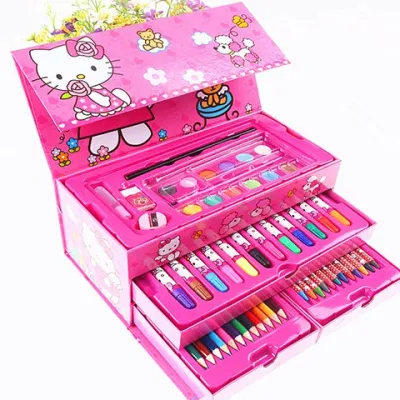
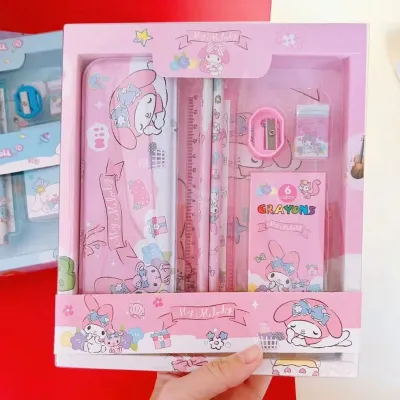
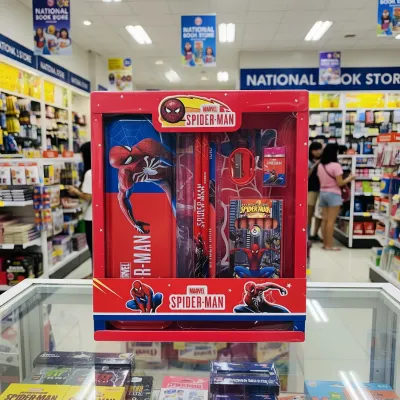
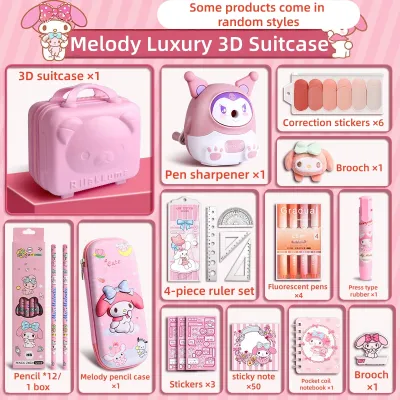
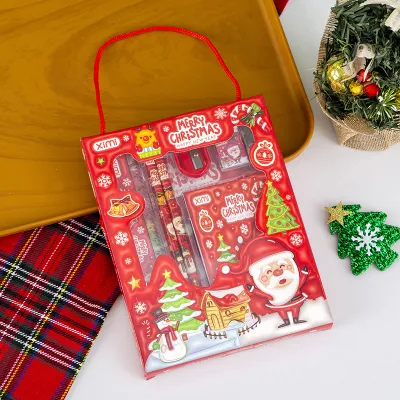
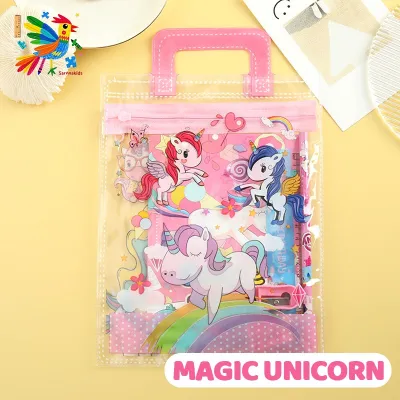
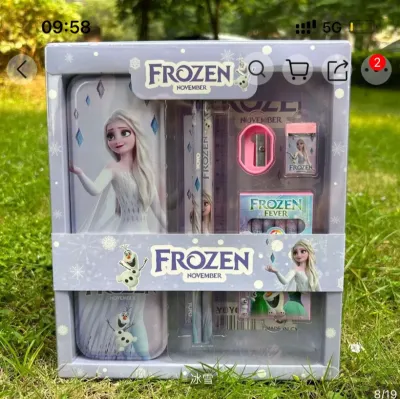
Prices are valid at publication and may change. Please refer to the product page for the latest price.
Gel pens, on the other hand, use a water-based gel ink that offers a much smoother writing experience and highly vibrant colors. The ink flows effortlessly from the tip, reducing hand fatigue during long writing sessions. However, because gel ink is thicker and wetter, it requires a few seconds to dry completely. On smooth or coated notebook paper, gel ink can easily smudge if touched too quickly, making it a tool that requires a slightly more deliberate writing pace. Rollerball pens use a liquid, water-based ink that mimics the fluid feel of a fountain pen. While they offer unmatched smoothness, they release a large volume of ink, which can easily bleed through thin, low-cost school paper.
Highlighters and markers are essential for active studying, allowing students to visually organize information and emphasize key concepts. When selecting highlighters, a classic chisel tip is highly versatile, as it allows for broad strokes to cover entire lines of text, as well as fine lines for underlining specific words. For detailed diagrams, mind maps, or margin notes, fine-tip fiber markers are preferred. The primary challenge with highlighters on standard school paper is bleed-through. To prevent ruining the notes on the reverse side of a page, look for highlighters formulated with dry or pigment-based inks rather than wet, dye-based liquid inks.
Ergonomics and grip design are critical factors that directly impact a student’s physical comfort during long exams and lectures. A pen’s barrel shape—whether round, hexagonal, or triangular—determines how naturally it sits in the hand. Triangular barrels are particularly effective for younger students as they naturally guide the fingers into a proper tripod grip. Weight distribution also plays a role; a front-weighted pen requires less downward pressure to write, which minimizes wrist strain. Additionally, soft rubber or textured silicone grips provide essential cushioning and prevent the pen from slipping out of wet or sweaty fingers in warm classroom environments.
Essential Pencils: Graphite and Colored Options for Every Subject
Pencils remain indispensable for subjects like mathematics, science diagrams, and art, where mistakes must be easily corrected. The choice between traditional wood-cased pencils and modern mechanical pencils depends largely on the student’s grade level and writing style. Wood-cased pencils are incredibly durable, featuring a solid wooden barrel that protects the graphite core from shattering when dropped. They are highly reliable and virtually foolproof, though they require a sharpener to maintain a fine point. For younger students who are still developing control over their writing pressure, wood-cased pencils are often the most practical choice.

Mechanical pencils offer the distinct advantage of a consistent line width without the need for sharpening. They are ideal for older students who need to write precise mathematical formulas, label complex scientific diagrams, or keep highly detailed planners. However, mechanical pencils rely on delicate internal clutch mechanisms that can jam if exposed to dust or debris. They also require replacement leads, typically in standard diameters like 0.5mm or 0.7mm. For students who tend to write with heavy downward pressure, a 0.7mm or even a 0.9mm lead is recommended, as the thinner 0.5mm leads will snap repeatedly under pressure.
Understanding graphite grades is essential for selecting the right pencil for specific academic tasks. The standard grading scale ranges from hard (H) to soft and dark (B), with HB sitting right in the middle. An HB pencil is the universal standard for daily writing, offering a clean, medium-dark line that resists smudging and erases cleanly. However, for standardized exams in the Philippines, a 2B pencil is typically mandatory. The softer 2B graphite leaves a much darker, highly opaque mark on the paper, which is necessary for the optical mark recognition (OMR) scanners to accurately read the shaded circles on answer sheets.
Colored pencils are another vital component of a complete school supplies set, used for geography maps, biology diagrams, and art projects. When evaluating colored pencils, pigment quality and core strength are the most important factors. High-quality colored pencils use rich pigments that lay down vibrant color with minimal pressure, reducing hand strain. The core should be perfectly centered within the wooden casing; off-center cores are highly prone to breaking during sharpening, leading to wasted pencils. Wax-based colored pencils offer excellent blendability and a soft laydown, while oil-based alternatives feature harder cores that hold a sharp point longer and resist breakage.
How to Match Pens and Pencils to Paper and Writing Styles
To ensure that your writing tools perform beautifully without damaging your school notebooks, it is important to understand how different inks and graphites interact with various paper types. Standard school notebooks in the Philippines are often made from lightweight paper, typically ranging from 50 to 60 grams per square meter (GSM). This thin paper is highly susceptible to ink bleed-through and feathering, which occurs when ink spreads along the paper fibers, making writing look fuzzy. To prevent this, students should perform a quick spot test on the very last page of a new notebook before using a pen for daily work.
To conduct a spot test, draw a small, dense grid or write a few heavy letters using your chosen pen. Wait a few seconds, then flip the page to check the reverse side. If you can clearly see the ink soaking through the paper fibers, the pen is too wet for that specific notebook, and you should switch to a drier ballpoint pen or a finer gel pen tip (such as 0.5mm or 0.38mm). If you only see a faint shadow of the writing without actual ink soaking through, this is known as “ghosting,” which is generally acceptable for daily note-taking but may still require light writing pressure to keep notes legible on both sides.
Drying time is another critical factor, particularly for left-handed students whose hands naturally drag across freshly written text, or for fast writers who turn pages quickly. To evaluate smudge risk, write a single word on your notebook paper and immediately swipe your finger across it. If the ink smears across the page, the drying time is too slow for fast-paced writing. In such cases, look for rapid-dry gel pens or stick to traditional oil-based ballpoint pens, which dry instantly. This simple check can prevent messy, illegible notes and ink-stained hands.
Matching your writing tools to your natural writing pressure and hand feedback will also improve comfort and neatness. Heavy-handed writers, who naturally press down hard on the page, should opt for harder graphite grades like HB and sturdy ballpoint pens with a medium tip (0.7mm to 1.0mm) that can withstand the force. Light-handed writers, who apply very little pressure, will find that soft graphite grades like 2B and fine-tip gel pens (0.5mm) allow them to write dark, clear lines effortlessly. Paying attention to these subtle physical feedback cues helps in selecting tools that work in harmony with your natural writing style.
Building a Cost-Effective and Durable School Supplies Set
Creating a reliable gamit sa school supplies set does not require spending an excessive amount of money; instead, it requires making smart, value-driven choices. One of the most effective ways to save money over the school year is to compare the long-term cost of refillable writing tools versus disposable ones. While a high-quality refillable gel pen or mechanical pencil has a higher initial purchase price, buying ink refills or replacement leads costs only a fraction of the price of a brand-new pen. Over a ten-month academic year, refilling a single, durable pen body is significantly more economical and environmentally friendly than discarding dozens of cheap, single-use plastic pens.
When shopping for high-consumption items, buying in bulk multipacks is almost always more cost-effective than purchasing single units. Items like black and blue ballpoint pens, standard HB wood-cased pencils, and white vinyl erasers are used daily and are frequently misplaced. Purchasing these in packs of ten or twelve ensures that you always have a backup on hand and reduces the cost per unit. Conversely, specialty items that are used less frequently—such as red correction pens, highlighters, or specific drawing pencils—should be purchased as single units to avoid paying for extra items that will simply sit unused in a drawer.
Proper storage and daily maintenance habits are essential for extending the lifespan of your writing tools and preventing premature damage. In tropical climates, high heat and humidity can cause gel and rollerball inks to dry out or leak if pens are left uncapped or exposed to direct sunlight. Always ensure that pens are tightly capped or fully retracted when not in use. For pencils, storing them with the tips pointing upward or using protective plastic point caps prevents the delicate graphite cores from shattering inside the wood when the pencil case is jostled or dropped.
Additionally, keeping a clean, organized pencil case prevents heavy items like metal rulers or sharpeners from crushing delicate plastic pen barrels or snapping mechanical pencil clips. Encourage students to establish a simple routine at the end of each school day: cap all pens, retract mechanical pencil leads, and wipe away any graphite dust from erasers. These small, daily habits protect your investment, ensure that every tool is ready for the next day’s lessons, and keep the overall cost of school supplies manageable throughout the academic year.
Frequently Asked Questions (FAQ)
Are erasable pens suitable for official school exams and assignments?
Friction-based erasable pens utilize a specialized thermo-sensitive ink that becomes completely invisible when subjected to heat. While they are incredibly convenient for daily homework drafts and math practice where mistakes are common, they are highly unsuitable for official school exams, standardized tests, or signed assignments. If an exam paper written in erasable ink is left in a hot car, exposed to direct sunlight, or placed near a heat source, the writing can vanish entirely. Furthermore, many formal examination boards and school administrations strictly prohibit the use of erasable pens on official documents to prevent unauthorized alterations and ensure the permanent record of the student’s work.
How many pens and pencils should a student realistically pack for a full school day?
A practical daily carry should be kept minimal to avoid unnecessary weight and clutter in the school bag. A highly efficient daily setup includes two blue or black pens for general writing, one red pen for self-correction and grading, two graphite pencils (one HB for general work and one 2B for exams), one high-quality eraser, and one chisel-tip highlighter. Packing more than this often leads to a cluttered pencil case where finding the right tool becomes a distraction during class. To ensure the student never runs out of supplies, keep a larger reserve stash of refills, spare pencils, and sharpener blades at home or in a locker, replenishing the daily pencil case only as needed.
Community discussion
Share your experience or ask a question. Comments are reviewed before publication.