
Building a versatile paper stash is one of the most rewarding steps in scrapbooking and journaling. While standard printer paper or basic construction paper serves well for quick drafts and simple templates, these everyday options lack the structural integrity, tactile appeal, and visual depth required for long-lasting creative projects. Specialty paper elevates your layouts by introducing unique textures, varied weights, and distinct finishes that transform flat pages into multi-dimensional, tactile narratives.
Curating a diverse collection of specialty papers allows you to play with light, shadow, and physical layers. Whether you are framing a cherished photograph, creating a delicate pocket for memorabilia, or adding a subtle shimmer to a celebratory layout, the right paper choice establishes the mood of your project. By understanding the technical properties and creative applications of different paper types, you can build a highly functional stash that supports your artistic vision and preserves your memories for years to come.
Key Criteria for Selecting Specialty Paper
Before purchasing specialty papers, it is essential to understand the technical specifications listed on their packaging. These details determine how the paper behaves under various crafting techniques, how well it holds up to different mediums, and how long it will preserve your work without deteriorating.
Products mentioned in this guide
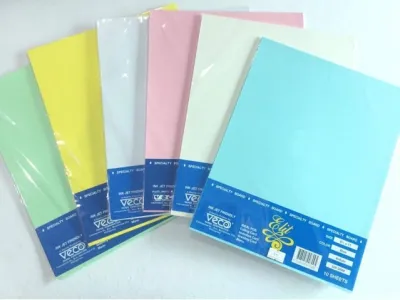
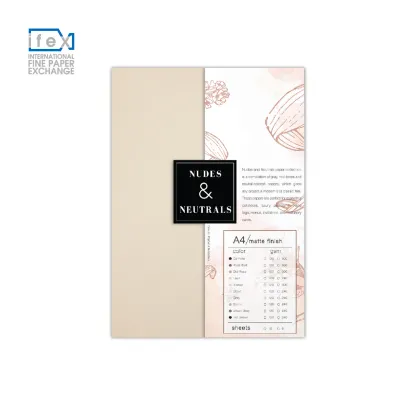
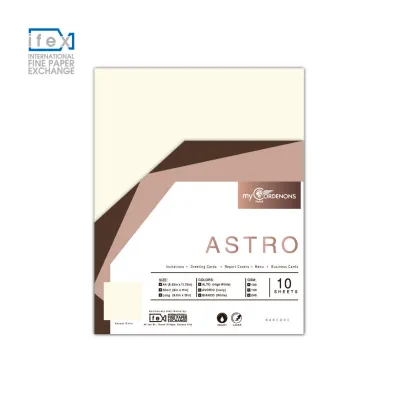
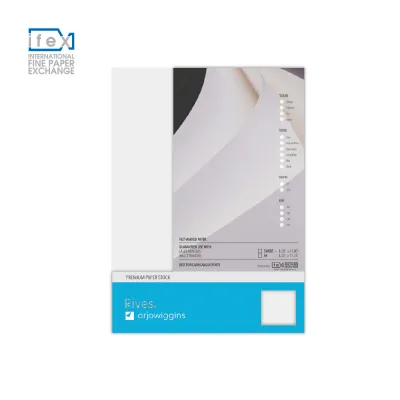
Prices are valid at publication and may change. Please refer to the product page for the latest price.
Paper Weight (GSM)
Paper weight is measured in Grams per Square Meter (GSM). This metric indicates the density and thickness of the sheet, which directly influences how the paper folds, scores, and layers in multi-page albums.
- 80 to 120 GSM: This range represents lightweight papers, similar to standard copy paper or thin book pages. They are highly flexible and excellent for folding, origami, and light layering, but they are prone to buckling when exposed to wet adhesives or heavy ink.
- 120 to 200 GSM: This medium-weight category includes heavy writing papers and light cardstocks. These sheets offer a balance of flexibility and strength, making them ideal for folding, scoring, and light mixed-media work without adding excessive bulk to your journal.
- 200 to 300+ GSM: This heavyweight cardstock provides excellent structural support. It is perfect for album covers, pocket pages, and heavy layering, though it requires precise scoring before folding to prevent the fibers from cracking.
Acid-Free and Lignin-Free Labels
For scrapbooks and journals meant to serve as family heirlooms, checking for “acid-free” and “lignin-free” labels is critical. Lignin is a natural organic polymer found in wood pulp that breaks down over time, releasing acidic compounds. This acidity causes paper to turn yellow and brittle, and it can migrate to adjacent photographs, causing irreversible fading, silvering, or dark stains. Choosing chemically stable, archival-grade papers ensures your layouts and photographs remain pristine for decades.
Surface Finish and Ink Compatibility
The surface finish of your paper dictates how it interacts with writing instruments, stamps, and adhesives. Matte finishes are highly porous, absorbing inks quickly and making them excellent for fountain pens, gel pens, and water-based stamping inks. Glossy or coated finishes, on the other hand, are non-porous; ink sits on top of the surface rather than soaking in. This can lead to smudging unless you use specialized solvent-based inks or allow extended drying times.
Essential Specialty Paper Categories to Build a Versatile Stash
A well-rounded paper stash balances transparency, texture, weight, and sheen. By collecting a few key sheets from each major category, you ensure that you always have the perfect material to contrast with standard backgrounds, frame your photos, or construct interactive elements.

When building your collection, consider how different papers interact. Pairing a highly textured, organic handmade paper with a smooth, semi-transparent vellum overlay creates a sophisticated contrast that draws the eye. However, each category comes with its own handling quirks, from adhesive sensitivity to drying times, which you must navigate to achieve clean, professional results.
Vellum and Translucent Papers
Vellum is a semi-transparent, frosted paper that adds an elegant, airy quality to layouts. Its unique translucency makes it incredibly versatile for layering. You can place a sheet of vellum over a busy patterned background to soften the design, allowing you to write legible journal entries directly over the pattern. It is also highly popular for creating delicate photo overlays, custom pockets, and shaker elements filled with sequins or die-cut confetti.
Because vellum is non-porous and semi-transparent, standard liquid craft glues are not suitable. Liquid glue will warp the paper and show through as a dark, wet-looking stain. Instead, secure vellum using dry adhesives like ultra-thin double-sided tape, glue dots, or specialized vellum tape. Alternatively, you can hide your adhesive points behind opaque elements on the page, such as photos, ribbons, or cardstock die-cuts, or secure the vellum physically using eyelets, brads, or machine stitching.
If you plan to print designs or text onto vellum, verify your printer type beforehand. Inkjet printers spray wet ink droplets, which can bead up and smudge on vellum’s slick surface; you may need to let the printed sheet dry undisturbed for several hours or use a heat tool to set the ink. Laser printers use heat to fuse dry toner powder directly to the surface, which generally yields sharper results, though extremely thin vellum may warp slightly under high fuser temperatures.
Handmade and Deckle-Edge Papers
Handmade papers bring an organic, artisanal aesthetic to your projects that machine-made papers cannot replicate. Often crafted from natural fibers like cotton rag, abaca, or mulberry, these papers frequently feature visible botanical inclusions, such as pressed flower petals, leaves, or natural grass fibers. The defining characteristic of handmade paper is its deckle edge—a feathered, uneven border that adds a beautiful, vintage look to journal pages.
Before working with handmade paper, observe its fiber density and thickness. Some handmade sheets are soft, fibrous, and highly porous, which can cause fine-tip pens to snag or bleed. If you plan to score or fold handmade paper, do so gently, as the irregular fiber distribution can lead to uneven tears. If you enjoy adding machine stitching to your layouts, use a sharp needle and a longer stitch length to prevent the needle from chewing through the delicate, loose fibers.
To let the natural beauty of handmade paper stand out, pair it with minimalist designs. Use a small, torn piece of botanical paper as a textured mat behind a simple black-and-white photograph, or layer it over a solid-colored, smooth cardstock background. The contrast between the clean, straight lines of the cardstock and the wild, feathered edge of the handmade paper creates an instant focal point.
Textured and Embossed Cardstock
Textured cardstock adds physical and visual depth to your layouts without requiring extra tools or embossing machines. Common varieties include linen (which features a subtle, cross-hatched fabric texture), felt (characterized by a soft, organic dimpled surface), canvas (mimicking the heavy weave of artist canvas), and woodgrain (featuring raised, organic lines that mimic natural timber). These textures catch the light beautifully, making solid-colored backgrounds look far more dynamic.
While textured cardstock is excellent for backgrounds and layering, deep embossing can interfere with writing and stamping. Fine-tip pens will skip or snag on the ridges of a heavy woodgrain or canvas texture, resulting in broken lines. Similarly, stamping directly onto textured cardstock often produces a distressed, incomplete image because the stamp cannot reach the lowest recesses of the paper. For clean, legible writing or stamping, it is best to use smooth labels or vellum overlays attached to the textured base.
Before purchasing, check the reverse side of the cardstock. Some embossed papers are textured on both sides, while others feature a flat, smooth reverse side. If you need to mount photos perfectly flat or slide your completed layout into a tight plastic pocket protector, a single-sided textured cardstock is often easier to work with, as the flat back adheres more securely to your base page.
Metallic and Pearlescent Papers
Metallic and pearlescent papers introduce a reflective, shimmering quality that is perfect for celebratory layouts, holiday themes, or elegant borders. These papers range from high-shine mirror foils to soft, iridescent pearlescent sheets that shift color slightly when viewed from different angles. They are highly effective at drawing attention to specific areas of your page.
When selecting metallic papers, it is important to distinguish between surface-coated sheets and solid-core dyed papers. Surface-coated papers consist of a thin foil or shimmer layer laminated onto a white paper base. If you tear or die-cut this paper, a bright white edge will show along the cut line, which can distract from your design. Solid-core papers are dyed completely through during manufacturing, ensuring that the color remains consistent even when the paper is torn, sanded, or distressed.
Because the metallic coating is non-porous, wet adhesives and water-based inks require significantly longer drying times. Liquid glue can trap moisture beneath the metallic layer, leading to warping or a weak bond. Opt for high-tack double-sided tape or foam adhesive squares for a secure hold. To avoid overwhelming your layout with glare, use metallic papers sparingly as accent layers, thin photo mats, or intricate die-cut shapes rather than full-page backgrounds.
Compatibility and Handling Checks Before Purchase
To get the most out of your specialty paper stash, it is crucial to verify that your chosen sheets are compatible with your existing tools, printers, and storage systems. Taking a few moments to check these factors before purchasing will save you time and prevent ruined materials.
First, evaluate your printer’s capabilities if you plan to print digital elements, journaling, or templates. Standard front-loading printers require paper to make a sharp U-turn inside the machine, which can easily jam thick cardstocks (above 220 GSM) or tear delicate handmade papers. If your printer has a manual bypass tray or a rear-feed slot, use it; these paths keep the paper straight, reducing the risk of jams and roller marks. Always test a small scrap of your specialty paper first to check for ink absorption and feeding compatibility.
Second, match your adhesive to the paper’s physical properties. The table below outlines how to pair common specialty papers with the correct adhesive types to ensure a long-lasting bond without warping or staining:
| Specialty Paper Type | Recommended Adhesive | Adhesive to Avoid | Reason |
|---|---|---|---|
| Vellum / Translucent | Vellum tape, glue dots, dry adhesive runner | Standard liquid white glue, school glue | Liquid glue warps the paper and shows through the translucent surface. |
| Handmade / Fibrous | Liquid PVA glue, heavy-duty double-sided tape | Low-tack tape, light glue sticks | Fibrous surfaces require a stronger bond to hold the loose fibers in place. |
| Metallic / Coated | High-tack double-sided tape, foam tape | Water-based liquid glues | Non-porous coatings prevent water from evaporating, leading to slow drying and warping. |
| Textured Cardstock | Liquid PVA glue, foam adhesive | Standard glue sticks | Liquid glue flows into the textured recesses, creating a stronger physical bond than dry sticks. |
Finally, consider your local storage conditions. In tropical climates with high relative humidity, such as the Philippines, specialty papers are highly susceptible to absorbing moisture from the air. This moisture absorption causes papers to warp, curl, or even develop mold over time. To protect your investment, store your specialty papers flat in airtight plastic storage bins or acid-free paper organizers. Placing a few silica gel packets inside your storage containers will help absorb excess moisture, keeping your paper stash crisp, flat, and ready for your next creative project.
Frequently Asked Questions (FAQ)
Can I use regular craft glue on metallic and vellum papers?
Regular liquid craft glues are generally not recommended for metallic and vellum papers. Because vellum is semi-transparent, standard wet glues will show through as dark, unsightly stains and cause the thin paper to warp severely. Metallic papers feature a non-porous coating that prevents the water in liquid glue from evaporating quickly, resulting in extremely long drying times and a weak bond. For clean results, use dry adhesives such as double-sided tape, glue dots, or specialized vellum tape. If you must use liquid glue, apply it sparingly behind opaque elements like photos or cardstock die-cuts where it will be completely hidden.
How do I prevent thick textured cardstock from cracking when I fold it?
Thick textured cardstock (typically 200 GSM and above) has dense fibers that can easily snap and crack when folded dry, leaving an unsightly, jagged edge. To achieve a clean, professional crease, always score the paper before folding. Use a scoring board and a bone folder or a blunt stylus to compress the paper fibers along your intended fold line. Additionally, pay attention to the paper grain; paper folds much cleaner parallel to the grain than against it. When folding, gently bend the paper away from the scored groove (the valley side of the score line should become the outside of the fold) to keep the textured surface intact.
Is it necessary to buy acid-free paper for casual journaling?
If you are keeping a casual daily journal, a planner, or a notebook for quick brain dumps, acid-free paper is not strictly necessary. Non-archival papers are more budget-friendly and perfectly suitable for writing that does not involve preserving photographs or rare memorabilia. However, if your journal contains printed photos, ticket stubs, or drawings that you want to preserve for decades, using non-archival paper will eventually cause those items to yellow, fade, or degrade. For long-term memory keeping and scrapbooking, investing in acid-free and lignin-free specialty papers is highly recommended to protect your work from environmental aging.

Community discussion
Share your experience or ask a question. Comments are reviewed before publication.