
Finding the right writing instrument requires matching the pen’s physical design to your daily routine. For many writers in the Philippines, the compact “pod pen” format has emerged as a compelling choice for quick notes, journaling, and on-the-go tasks. Before comparing specific brands like Penker with other specialty options, you must clarify your primary writing scenarios. A pen used mainly for signing official documents in an air-conditioned office demands a different ink flow and grip profile than one tucked into a pocket for quick sketching during a humid commute.
A true pod pen design is characterized by its highly compact body, specialized capping or retraction mechanism, and often modular components that allow for easy portability. These pens are engineered to fit into small planner loops, coin pockets, or minimalist travel pouches without sacrificing the core utility of a full-sized pen. However, because these designs prioritize space-saving dimensions, their performance can vary significantly depending on external factors.
It is essential to recognize that subjective qualities such as “smoothness” or “quick-drying speed” are not absolute features of the pen alone. Instead, they depend heavily on the specific paper texture, local humidity levels, and your individual writing speed. To find a pen that truly fits your workflow, you must look past broad marketing claims and focus on verifiable physical specifications and hands-on testing.
Products mentioned in this guide
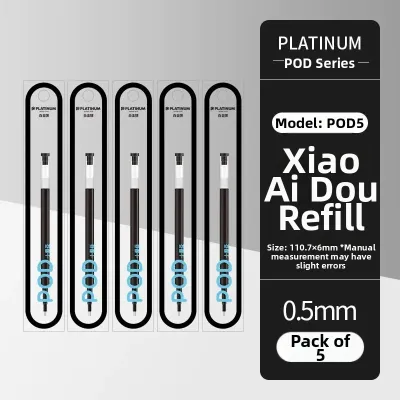
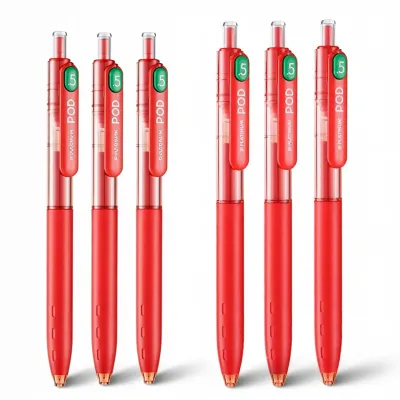
Prices are valid at publication and may change. Please refer to the product page for the latest price.
Key Specifications to Verify on Product Labels
When shopping for specialty writing instruments, relying on objective manufacturer specifications is the most reliable way to compare different brands. Marketing descriptions often use subjective terms like “ultra-smooth” or “effortless glide” which do not translate to standardized performance. By examining the technical details printed directly on the product packaging or listed in official manufacturer specifications, you can make an informed comparison based on measurable attributes.
Tip Size, Ink Type, and Paper Compatibility
The tip size and ink formulation are the primary factors governing how a pen behaves on paper. Most specialty pod pens are available in standard tip sizes, such as 0.5mm for fine, precise lines or 0.7mm for bolder, more fluid strokes. You can typically find these measurements clearly marked on the pen body, the refill casing, or the retail packaging.
The ink type—whether gel, ballpoint, or rollerball—determines how the pen interacts with different paper fibers. Gel inks offer vibrant colors and smooth application but may require more drying time, whereas traditional ballpoint inks dry almost instantly but might require more downward pressure. In the humid climate of the Philippines, drying times are particularly critical; high relative humidity can slow down ink evaporation, leading to smudges for left-handed writers or fast note-takers.
To prevent issues like bleed-through or feathering, where ink spreads uncontrollably across the paper fibers, always test the pen on your preferred notebook paper. Standard low-weight copy paper is highly susceptible to bleeding, especially when paired with wet rollerball inks. Verifying these combinations firsthand ensures your writing remains clean and legible across all your daily stationery.
Build Quality, Ergonomics, and Portability
A pen’s physical construction directly impacts how comfortable it is to use over time. When evaluating a pod pen, pay close attention to the grip material, weight distribution, and overall balance. Because pod pens feature a shorter barrel, the center of gravity can shift significantly depending on whether the cap is posted on the back of the pen while writing.
Durability is another critical factor, particularly for a pen designed to be carried daily. Examine the security of the pocket clip to ensure it can grip thin planner covers or heavy pocket fabrics without bending out of shape. The capping or retraction mechanism should feel positive and secure, preventing accidental ink stains inside your bag or pocket.
Finally, compare the physical dimensions of the pod form factor against your intended storage method. A pen that is too thick may not fit into standard leather pen loops, while one that is too short might feel unbalanced in larger hands. Checking these physical attributes helps you select a tool that balances portability with writing comfort.
Assessing Long-Term Value and Local Availability
Choosing a specialty pen is not just a one-time purchase; it represents an ongoing relationship with a specific consumable ecosystem. The upfront cost of the pen body is only the initial investment. Over months and years of regular use, the long-term expense of purchasing refills can quickly surpass the original price of the pen itself.

When comparing the Penker pod pen to other specialty brands in the Philippines, look up the prices of individual refills, which are typically listed in Philippine Pesos (₱). Some brands utilize proprietary refill designs that force you to buy their specific cartridges, while others conform to international standard sizes, allowing you to swap in third-party refills. Calculating the cost per milliliter of ink or the estimated page yield of each refill helps clarify the true cost of ownership.
Sourcing these consumables reliably is equally important. When shopping on online marketplaces or ecommerce platforms, always verify that you are purchasing from authorized brand stores or highly rated specialty stationery distributors. This precaution helps you avoid counterfeit pens and refills, which often suffer from poor ink flow, leaking, and substandard materials. Purchasing from authorized channels also ensures that any manufacturer warranties remain valid.
Whenever possible, visit local brick-and-mortar stationery stores in your area. Physical stores provide an invaluable opportunity to test-write the pen on different paper types before committing to a purchase. Furthermore, checking the physical shelves allows you to confirm whether local retailers consistently stock the specific refills you will need, saving you from shipping delays and high delivery fees when your ink runs dry.
Decision Framework: Choosing the Right Specialty Pen
To make your final decision, you must weigh your personal writing habits against the verified specifications of each pen. No single writing instrument is ideal for every scenario, so your choice should align with your most frequent use cases.
Consider the Penker pod pen if your hands-on testing confirms that its grip diameter and weight distribution feel comfortable for your typical writing sessions. This option is highly suitable if you prefer its specific tip size options, such as 0.5mm or 0.7mm, and if you have verified that authorized local retailers consistently stock its compatible refills in your area. The Penker design is particularly compelling for writers who value a highly compact, streamlined aesthetic that fits neatly into minimalist everyday carry setups.
On the other hand, you should look toward competing specialty brands if your daily routine demands a different ink formulation, such as a highly water-resistant pigment ink, that Penker does not offer. Competing brands may also be the better choice if you require a more robust, heavy-duty pocket clip for outdoor use, or if they utilize widely available standard refills that you can easily purchase at any neighborhood office supply store.
Finally, if your work involves highly specialized requirements, it is best to pause and consult the manufacturer’s official guidelines. For instance, if you need archival-quality ink for legal documents, specialized paper compatibility for technical drafting, or extreme temperature and weather resistance for field research, do not rely on standard retail packaging. Verifying these specialized certifications directly with the manufacturer ensures your writing instrument will perform safely and reliably under demanding conditions.
Frequently Asked Questions (FAQ)
Can I use standard refills in a Penker pod pen?
To determine if a Penker pod pen can accept standard third-party refills, you must check the exact refill model number and physical dimensions. This information is typically printed on the pen’s original retail packaging or detailed on the manufacturer’s official website. Because pod pens feature highly compact barrels, even a millimeter of difference in length or collar diameter can prevent the pen from closing or retracting properly. You should avoid forcing incompatible refills into the pen body, as doing so can cause internal ink leaks, damage the spring mechanism, or void the manufacturer’s warranty.
Are pod pens suitable for everyday heavy writing?
Pod pens are primarily engineered for portability and quick, on-the-go writing tasks rather than extended, multi-hour writing sessions. The shorter barrel length and narrower grip diameter of compact pens can sometimes cause hand fatigue or cramping during prolonged use, as your hand muscles must work harder to maintain control. If you plan to use a pod pen for heavy daily note-taking, it is highly recommended to test the pen’s balance and grip texture in person first. This allows you to evaluate your personal comfort threshold and determine if the compact design fits your hand ergonomics over longer periods.
Community discussion
Share your experience or ask a question. Comments are reviewed before publication.