
Managing a growing stack of paperwork can quickly become overwhelming, especially when balancing school modules, household bills, and professional contracts. Choosing the right document file organizer depends on three primary factors: your total document volume, how frequently you need to access or update the pages, and whether you need to transport your files. Selecting the wrong format can lead to damaged documents, cluttered shelves, or a system that is simply too tedious to maintain.
In tropical climates like the Philippines, high humidity and seasonal moisture add another layer of decision-making. Paper absorbs moisture easily, making it prone to warping, mold, or ink transfer. Therefore, the material of your organizer—whether it is water-resistant polypropylene plastic or heavy-duty laminated paperboard—is just as important as its structural design.
An expanding folder is designed for portable, multi-pocket sorting of light to medium paperwork. A box file excels at high-volume, long-term archival storage on a shelf. A ring binder offers the most flexibility for active reference, allowing you to add, remove, and reorganize pages frequently.
Products mentioned in this guide

Prices are valid at publication and may change. Please refer to the product page for the latest price.
Assessing Your Filing Habits and Document Volume
Before purchasing any document file organizer, take a close look at the paperwork currently cluttering your desk. Group your documents by type and estimate their total volume. For instance, a collection of monthly utility bills, official receipts, and government-issued certificates requires a different storage strategy than hundreds of loose A4 or Letter sheets from a university semester or a corporate project.
Next, determine your access frequency. Active documents—such as ongoing project guidelines, daily lesson plans, or client price lists—need to be retrieved and updated constantly. Archival documents, such as tax returns from previous years, land titles, or birth certificates, only need to be accessed occasionally but must be kept secure and pristine for years.
Portability is another critical factor. If you are a student or a hybrid professional commuting through unpredictable weather, you need a lightweight, secure organizer that fits easily into a backpack. Conversely, if your documents will remain stationary on an office shelf or inside a home filing cabinet, you can prioritize structural rigidity and maximum capacity over portability.
By matching your specific habits to the strengths of each organizer, you can avoid the frustration of overstuffed folders or bulky binders that take up too much desk space. The ideal system often combines these formats to handle different stages of a document’s lifecycle, ensuring that every piece of paper has a logical, accessible home.
Expanding Folders for Portable and Categorized Storage
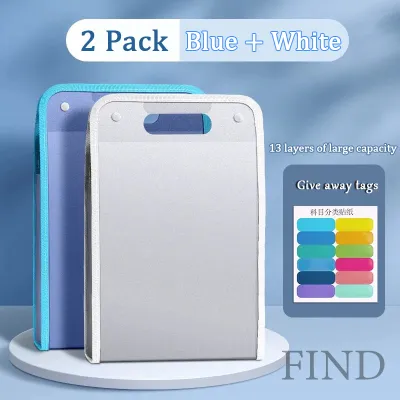
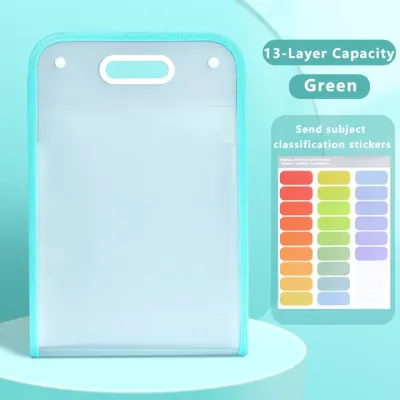
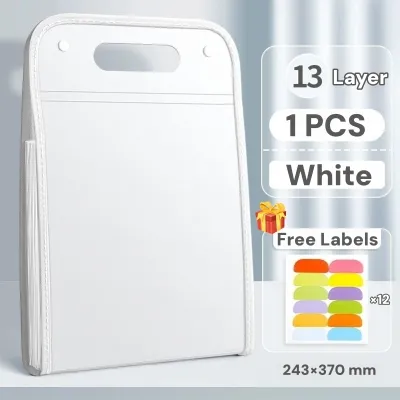
Expanding folders are the go-to choice for users who need to categorize a moderate volume of loose papers without the hassle of punching holes. These organizers feature a multi-pocket design, typically ranging from 5 to 24 pockets, with built-in tab dividers. This structure allows you to sort documents by month, subject, or client name within a single, self-contained unit.

When evaluating expanding folders, pay close attention to the material durability and the gusset expansion limits. The gussets—the folding sides of the folder—must be flexible yet tough enough to withstand repeated stretching. Polypropylene plastic is highly recommended for its water resistance and durability, especially during the rainy season when commuting with paper documents. Paperboard expanding folders are available but are more susceptible to moisture damage and tearing at the seams over time.
The closure mechanism is another vital feature to check. Elastic bands, plastic snaps, and zipper closures are the most common options. Zipper closures provide the highest level of security, preventing small items like receipts from slipping out and offering better protection against dust and light rain. Elastic bands and snaps are quicker to open but may fail if the folder is packed to its absolute limit.
To maintain the longevity of an expanding folder, avoid overstuffing individual pockets. Pushing a folder past its intended capacity strains the seams, warps the outer cover, and makes the closure mechanism difficult or impossible to secure. If you find your expanding folder bulging excessively, it is a clear sign that some documents need to be archived into a high-capacity storage format.
Box Files for High-Volume and Archival Storage
When it comes to storing thick stacks of paper, magazines, catalogs, or bundled files, box files offer unmatched capacity and protection. Unlike flexible folders, a box file features a rigid, three-dimensional structure with a deep spine, usually measuring between two and three inches. This design allows you to store hundreds of loose or bound sheets flat and upright on a shelf, mimicking the neat appearance of a hardcover book.
Inside a quality box file, you will typically find an internal clip, lever arch mechanism, or a spring-loaded compression bar. This mechanism is essential for keeping documents upright and compressed. Without it, papers stored vertically inside a partially filled box will slump, curl, and crease over time. The compression bar ensures that even a small stack of papers remains flat and organized.
The physical footprint of box files makes them ideal for stationary shelf storage rather than daily transport. Fully loaded box files are heavy and bulky, making them impractical for carrying in a bag. However, their rigid construction allows them to be stacked vertically or horizontally on shelves, maximizing your storage space. Most box files feature a finger pull hole on the spine for easy retrieval from a tight shelf, along with a large label area for clear identification.
When selecting a box file, verify the cover material. Laminated paperboard and heavy-duty plastic covers resist dust and light splashes, which is crucial for long-term archiving in humid environments. Ensure the locking latch or lid closure snaps shut securely to keep out dust, insects, and ambient moisture that can degrade paper quality over time.
Ring Binders for Active Reference and Customizable Pages
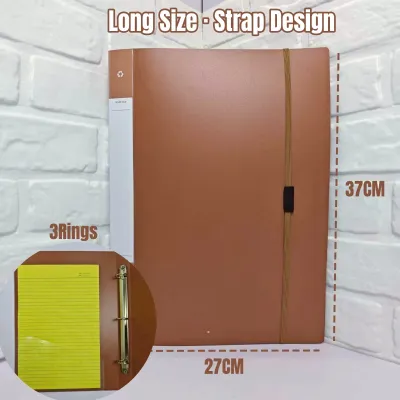
For documents that require constant updating, reordering, or active reference, ring binders provide the most functional advantage. Whether you are organizing a training manual, a recipe collection, or school modules, the ring mechanism allows you to open the binder at any page to insert, remove, or rearrange sheets instantly.
The shape of the rings plays a significant role in how the binder performs. O-ring binders are standard and work well for lighter document volumes, but the pages must curve over the rings, which can cause wear around the punched holes. D-ring binders, on the other hand, allow pages to lie completely flat on one side of the ring. This design increases sheet capacity, reduces wear on the paper, and makes it much easier to turn pages smoothly.
To protect your documents from wear and tear, consider using accessories like plastic sheet protectors, tabbed dividers, and sheet lifters. In humid conditions, high-quality polypropylene sheet protectors prevent ink from lifting off the page and sticking to the plastic. Tabbed dividers help you navigate large binders quickly, while sheet lifters prevent the pages from getting caught under the rings when you close the binder cover.
When choosing a ring binder, check the spine width and the cover material. Vinyl-covered binders are durable and easy to wipe clean, but they can sometimes crack or warp if exposed to direct sunlight or extreme heat. Polypropylene binders are highly flexible and resistant to moisture. Always verify that the ring mechanism opens and closes cleanly without gaps, as misaligned rings will snag and tear your pages during use.
Comparing Key Features to Finalize Your Choice
To help you decide which document file organizer fits your specific workflow, review the comparison of their physical attributes and ideal use cases below.
| Organizer Type | Relative Capacity | Portability | Best Use Case | Shelf Footprint |
|---|---|---|---|---|
| Expanding Folder | Low to Medium (up to 500 sheets) | High (lightweight, compact) | Sorting active receipts, bills, and school handouts | Small (can be stored flat or in a holder) |
| Box File | High (up to 800 sheets) | Low (bulky and heavy) | Long-term archiving of tax records, catalogs, and bulk files | Medium to Large (stands upright on shelves) |
| Ring Binder | Medium to High (varies by ring size) | Medium (portable in larger bags) | Active reference manuals, portfolios, and study guides | Medium (stands upright on shelves) |
Use this quick decision framework to guide your purchase:
- Choose an expanding folder if you need to sort loose papers into multiple categories and frequently carry them between home, school, or the office.
- Choose a box file if you have large volumes of documents that need to be archived long-term, kept dust-free, and stored vertically on a shelf.
- Choose a ring binder if you need to frequently add, remove, or reorganize pages, and require a system that allows you to flip through documents like a book.
Before finalizing your choice, always verify the specific product dimensions, material thickness, and ring capacities printed on the manufacturer’s label. Ensure the organizer matches the paper standard you use most frequently, whether it is A4, Letter, or Legal size, to prevent pages from peeking out of the edges and getting damaged.
Building a Complete Filing System with Multiple Formats
You do not have to limit yourself to just one type of document file organizer. In fact, the most efficient filing systems integrate all three formats to create a seamless document management workflow. By assigning a specific role to each organizer, you can handle paperwork from the moment it enters your home or office until it is ready for long-term archiving.
Start by using an expanding folder as your daily intake and sorting station. Keep it on your desk or carry it with you to collect incoming receipts, monthly utility bills, and active school or work handouts. Because it has multiple pockets, you can quickly drop papers into their respective categories without needing to punch holes or file them away permanently right away.
Once a project is completed, or at the end of the fiscal year, transfer those finalized documents into a box file for long-term archiving. This keeps your active workspace clear of clutter while ensuring that historical records remain flat, dust-free, and organized on your shelves. Label the spine of each box file clearly with the year and content type so you can find them easily when needed.
For documents that you need to reference and update regularly—such as standard operating procedures, active client portfolios, or study guides—transfer them into a ring binder. Use plastic sheet protectors and tabbed dividers to keep the pages clean and easy to navigate. This three-tiered approach ensures that your paperwork is always organized, protected, and easy to find, no matter what stage of its lifecycle it is in.
Frequently Asked Questions (FAQ)
How do I prevent ring binders from tearing punched pages?
To protect your documents from tearing around the punched holes, use adhesive hole reinforcements on frequently turned pages. Alternatively, slide your papers into plastic sheet protectors, which eliminate the need for hole punching entirely and shield the paper from moisture and dirt. Always check the alignment of the binder rings; if they do not close flush, they will snag and tear the paper. Finally, avoid overfilling the binder beyond the manufacturer’s recommended sheet capacity, as a packed binder puts excessive tension on the pages near the rings.
Can I store expanding folders upright on a shelf?
Most expanding folders lack a rigid spine and outer structure, meaning they will slump, warp, or spill their contents if stored upright on a shelf without support. To keep them organized, it is best to stack them horizontally or place them inside a sturdy magazine file or shelf divider that provides vertical support. If you must store them upright, choose an expanding folder with a rigid plastic outer shell and a secure zipper closure to ensure the contents remain safely contained and upright.
Community discussion
Share your experience or ask a question. Comments are reviewed before publication.