
Choosing the right colored pencils can transform your creative process, whether you are sketching in a personal journal, rendering detailed portraits, or painting with water-soluble media. Faber-Castell offers three distinct lines—Polychromos, Classic, and Albrecht Dürer—each designed to meet different artistic demands, skill levels, and budgets. While Polychromos and Classic are dry, oil-based pencils, Albrecht Dürer serves as a professional-grade watercolor pencil that reacts dynamically to water.
Rather than searching for a single superior option, finding the right pencil requires matching their physical characteristics to your specific workflow. Factors such as binder composition, pigment concentration, and paper compatibility dictate how these pencils behave under different environmental conditions. By understanding these core differences, you can make an informed investment that enhances your drawing experience without overspending.
Understanding the Core Differences: Oil-Based vs Watercolor Pencils
At the heart of any colored pencil is its binder, the substance that holds the pigment together and allows it to adhere to paper. Polychromos and Classic pencils utilize an oil-based binder, which gives the core a firm yet smooth texture. This oil formulation is particularly advantageous in tropical climates like the Philippines, where high humidity can cause softer, wax-based pencils to become mushy or develop “wax bloom”—a cloudy white film that rises to the surface of finished artwork over time. The oil binder in Polychromos keeps the core stable, ensuring clean lines and consistent performance even in warm, humid environments.
Products mentioned in this guide
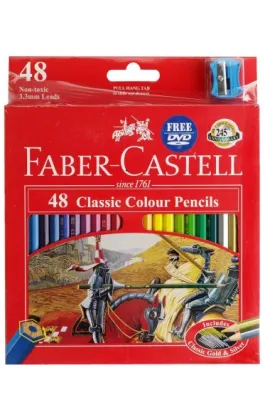
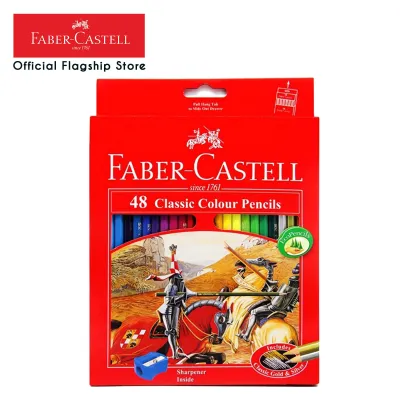
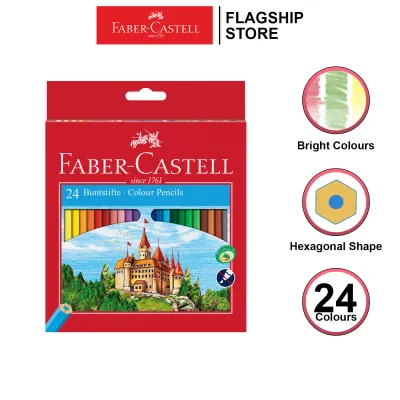
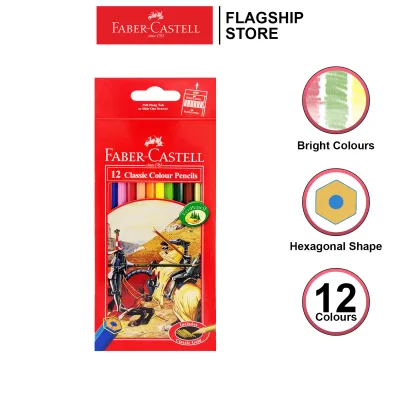
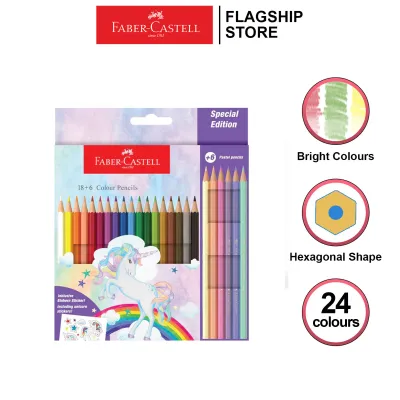
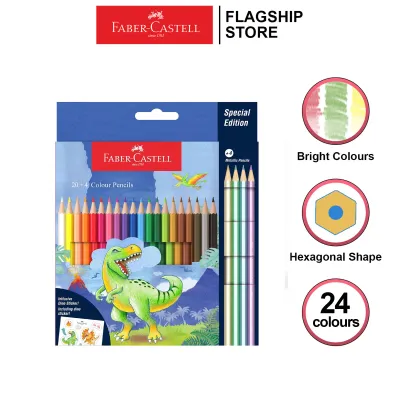
Prices are valid at publication and may change. Please refer to the product page for the latest price.
In contrast, Albrecht Dürer pencils are formulated with a water-soluble binder. When dry, they behave similarly to high-quality colored pencils, allowing for crisp lines and dry shading. However, the moment you apply a wet brush to the paper, the binder dissolves completely, releasing the pigment to create fluid, vibrant watercolor washes. This water-activated transition completely changes your workflow, turning a dry drawing into a painting and allowing for unique mixed-media techniques that are impossible to achieve with standard oil-based pencils.
While Classic and Polychromos share an oil-based classification, they are engineered for entirely different audiences. The Classic line is designed as an entry-level, student-grade pencil with a higher ratio of binder to pigment, resulting in a harder core that excels at basic sketching and schoolwork. Polychromos is a professional-grade line featuring a much higher concentration of premium pigments and a specialized oil-wax ratio, offering a buttery laydown, superior blending, and excellent coverage that satisfies the demands of professional illustrators.
Pigment Quality, Blending, and Feel: What to Expect
The visual impact of your artwork depends heavily on pigment quality and concentration. Professional-grade lines like Polychromos and Albrecht Dürer use highly concentrated, pure pigments that deliver intense color saturation with minimal pressure. This high pigment load allows artists to build up dozens of layers without the surface becoming slick or resistant to further color application. The Classic line, being student-grade, contains less concentrated pigments and more filler, meaning you will need to apply more physical pressure to achieve deep, saturated tones, and the paper’s tooth may fill up more quickly, limiting your ability to layer.

Lightfastness—the ability of a pigment to resist fading when exposed to light—is another critical distinction between these lines. Faber-Castell uses a clear star-rating system printed directly on the barrels of their professional pencils (Polychromos and Albrecht Dürer). Three stars indicate maximum lightfastness, ensuring the color remains vibrant for decades, while one star indicates lower resistance. Because lightfastness is determined by the specific chemical makeup of each pigment, it varies from pencil to pencil within the same set; checking these individual markings is essential if you plan to display or sell your finished artwork under bright, natural light.
The physical feel and blending capabilities of these three lines offer distinct drawing experiences. Polychromos pencils allow for smooth, dry blending and burnishing, where you can use a light color or a dedicated blender stub to merge layers into a seamless, paint-like finish. Albrecht Dürer pencils offer the ultimate blending flexibility; you can blend them dry, or use a damp brush to dissolve the pigment lines entirely, creating smooth gradients and washes that dry permanently onto the paper. Classic pencils have a noticeably harder feel, making them excellent for fine detail work, hatching, and cross-hatching, though they do not blend or burnish with the same effortless smoothness as the professional lines.
Durability is a hallmark of the brand, with all three lines utilizing a secural bonding process (often marked as “SV bonding”) where the lead is glued to the wooden casing along its entire length to prevent internal breakage during sharpening or accidental drops. However, their core dimensions differ to suit their intended uses. Polychromos features a thick 3.8mm core that holds a sharp point exceptionally well for fine details, while Albrecht Dürer has a matching 3.8mm core designed to release large amounts of pigment quickly when wet. Classic pencils feature a thinner 3.2mm core, which is highly break-resistant but requires more frequent sharpening if you are trying to cover large areas of paper.
Evaluating Price and Value for Your Budget
When investing in art supplies, balancing performance against cost is essential. The Classic line serves as the most budget-friendly option, making it highly accessible for students, hobbyists, and casual colorists who want reliable performance for everyday projects without a significant financial commitment. Polychromos and Albrecht Dürer represent premium investments, with prices reflecting their professional-grade pigments, lightfastness ratings, and specialized manufacturing processes.
To make a smart purchasing decision, it is helpful to calculate the cost per pencil in Philippine Pesos (₱) across different packaging options. Purchasing a complete pre-packaged tin or wooden box of 12, 24, 36, or 120 pencils generally offers the lowest cost per individual pencil and provides a well-balanced color palette. However, buying “open stock”—individual pencils sold separately at local art supply stores or specialized stationery shops—is often the most cost-effective strategy for maintaining your collection, as it allows you to replace only the specific colors you use most frequently, such as whites, blenders, or earth tones, without buying an entire new set.
If you are undecided between the lines, starting with a small, focused set or purchasing just two or three open-stock pencils is an excellent way to test their performance. This low-risk trial allows you to observe how the cores interact with your preferred sketchbooks, how the pigments react to local humidity levels, and whether the blending style aligns with your artistic technique before you commit to a larger, more expensive set.
Decision Framework: Which Faber-Castell Line Should You Buy?
To streamline your selection process, consider this practical decision framework based on your medium preferences, skill level, and artistic goals:
- Choose Polychromos if: You are a professional artist, illustrator, or dedicated hobbyist who works exclusively with dry media. These pencils are ideal if your style relies on intricate details, realistic textures, heavy layering, and smooth burnishing. They are highly stable, do not produce wax bloom, and perform exceptionally well on smooth, heavy-weight drawing papers.
- Choose Albrecht Dürer if: You want the rich pigment quality of a professional pencil but prefer the versatility of watercolor techniques. This line is perfect for mixed-media artists, urban sketchers, and painters who want to combine precise line work with fluid, painterly washes. They allow you to transition seamlessly from dry drawing to wet painting on a single page.
- Choose Classic if: You are a student, beginner, or casual hobbyist looking for a reliable, everyday colored pencil that fits a modest budget. They are excellent for coloring books, school assignments, and sketching out initial layouts before committing to more expensive media.
- Verify first: Before making a final decision, check your paper collection. Professional pencils require high-quality, acid-free paper to show their true potential. If you are uncertain about how a specific line will perform, visit a local stationery shop that offers open-stock options, purchase a single pencil, and test its blending, erasability, and texture on your actual sketchbook pages.
Frequently Asked Questions (FAQ)
Can I mix Polychromos and Classic pencils in the same artwork?
Yes, you can mix Polychromos and Classic pencils in the same drawing because they both utilize an oil-based binder system. However, keep in mind that the Classic line has a lower pigment concentration and a harder core. When layering them together, use the softer Polychromos for your top layers and rich color laydown, as the harder Classic pencils may scrape away existing soft layers if applied too firmly.
Do I need special paper for Albrecht Dürer watercolor pencils?
If you plan to use Albrecht Dürer pencils with water, you will need heavy-weight watercolor paper (ideally 300 gsm or higher) to prevent the page from buckling, warping, or pilling. If you only intend to use them dry as standard colored pencils, any high-quality sketchbook or drawing paper with a medium tooth will work perfectly fine.

Community discussion
Share your experience or ask a question. Comments are reviewed before publication.