
Quick Answer: Choosing the Right Hanging File Material
Selecting the ideal hanging file organizer depends heavily on your specific workspace environment, the weight of your documents, and local climate conditions. For climate-controlled offices where design aesthetics matter, fabric organizers offer a soft, professional look. If you operate in a high-humidity environment or need a system that is easy to sanitize, plastic provides excellent water resistance and durability. For heavy-duty archiving, high-traffic filing, and maximum airflow to protect paper from moisture, metal mesh or wire organizers are the most robust choice.
Fabric, Plastic, and Mesh Hanging File Organizer: Core Material Profiles
Understanding the physical properties of each material is the first step toward choosing a system that will protect your documents and fit your workspace.

Fabric Hanging Organizers
Fabric organizers are typically constructed from woven synthetic textiles such as canvas, nylon, or polyester blends. These materials are stretched over a rigid internal frame or suspended from metal hooks that slide along cabinet rails. The woven texture provides a soft, matte finish that blends well with modern home office decor and executive spaces. Because the material is flexible, these organizers operate quietly, eliminating the scraping metal-on-metal sounds often associated with traditional filing systems. They are best suited for standard paper documents, active daily files, and environments where visual appeal is a priority.
Products mentioned in this guide
![[Fast Shipping] Hanging Wall File Organizer 6 Pockets Rainbow File Storage Bag for School Office](https://img.lazcdn.com/g/p/ef3d5cd210fd5252ea7d273ad8a7ef02.jpg_400x400q80.jpg_.webp)
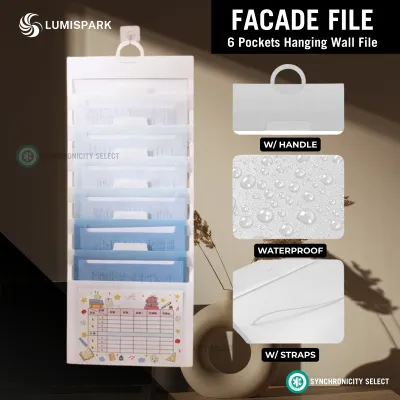
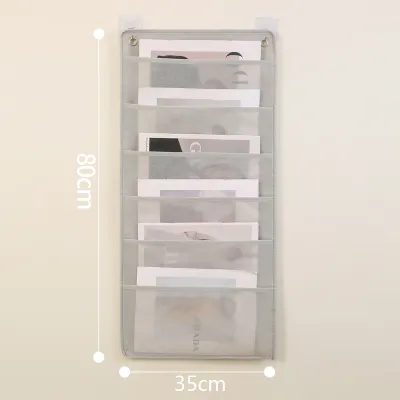
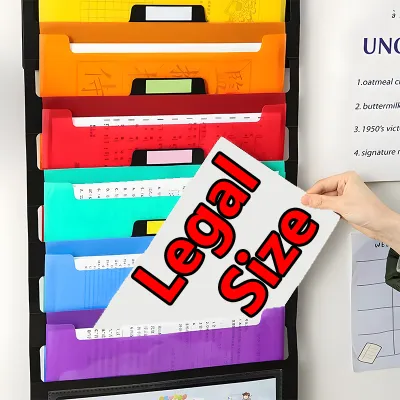
Prices are valid at publication and may change. Please refer to the product page for the latest price.
Plastic Hanging Organizers
Plastic organizers are generally manufactured from molded or extruded polymers like polypropylene or polyvinyl chloride (PVC). These materials are inherently rigid, allowing the organizer to maintain its shape even when filled to capacity. The smooth, non-porous surface of plastic makes it completely impervious to water, spills, and grease. This rigidity prevents the bottom of the folders from sagging or bowing outward under the weight of standard files. Plastic models are highly favored in medical clinics, school classrooms, and industrial workspaces where surfaces must be wiped down or sanitized regularly.
Mesh and Wire Hanging Organizers
Mesh and wire organizers are fabricated from industrial metals, most commonly steel or aluminum, which are woven or welded into a grid pattern. These structures are then coated with a protective finish, such as powder coating or epoxy, to prevent corrosion. The open-grid design provides exceptional structural integrity, allowing these organizers to support heavy, bulky files without bending or warping. Because air can circulate freely through the mesh, these units are highly effective at preventing dust buildup and stagnant air pockets. They are the standard choice for long-term archiving, legal offices handling thick case files, and high-volume administrative centers.
Comparing Durability, Visibility, and Maintenance
To find the right hanging file organizer, you must evaluate how each material performs across three critical operational dimensions: physical durability, document visibility, and long-term maintenance.
Durability and Weight Capacity
The structural limits of your organizer dictate how many documents you can safely store before the system fails. Metal mesh organizers offer the highest weight capacity, easily supporting thick legal folders, catalogs, and heavy cardstock without bowing or collapsing. Plastic organizers provide moderate to high durability, though they can become brittle over time if exposed to direct sunlight or extreme temperature fluctuations. Fabric organizers, while resilient under normal use, are prone to stretching, sagging, or fraying at the seams if they are consistently overloaded with heavy files.
Before purchasing, always verify the manufacturer’s specified weight limits and ensure the hanging hooks are securely attached to the main body. On fabric models, look for reinforced double-stitching around the hanger sleeves to prevent the metal rods from tearing through the cloth. For plastic models, inspect the thickness of the hanging hooks, as thin plastic hangers can snap under sudden impacts. Mesh organizers should feature welded joints rather than simple crimped edges to ensure the frame remains square and stable under heavy loads.
Visibility and Labeling Options
Quick document retrieval relies on how easily you can read labels and identify individual folders within the organizer. Mesh organizers offer the highest level of visibility because the open-grid pattern allows you to see the contents of the folders from the side and front. This makes it easy to spot misfiled items or estimate the volume of documents in a specific section at a glance. Plastic organizers vary in visibility; clear or translucent polypropylene models allow you to read cover pages directly through the plastic, while opaque colored models hide contents for added privacy. Fabric organizers are entirely opaque, meaning you must rely solely on top-facing labels to identify your files.
Labeling methods also differ significantly by material. Plastic and mesh organizers are highly compatible with standard adhesive labels, clear plastic snap-on tabs, and color-coded inserts that slide onto the rims. Fabric organizers often require specialized labeling solutions, such as sewn-in clear plastic windows, hook-and-loop label strips, or fabric-safe adhesive tags. If your workflow requires frequent relabeling, choose a material like plastic or mesh that allows you to easily peel off old adhesive labels without leaving a sticky, hard-to-clean residue.
Maintenance and Climate Considerations
Local environmental conditions play a massive role in the lifespan of your office stationery. In tropical regions like the Philippines, high relative humidity and seasonal dampness can severely impact organic and woven materials. Fabric organizers are highly susceptible to absorbing ambient moisture from the air, which can lead to musty odors, dust accumulation, and the growth of mold or mildew. If you choose fabric, it is critical to use them in well-ventilated, air-conditioned, or dehumidified spaces to protect both the organizer and your paper documents from moisture damage.
In contrast, plastic and mesh organizers are exceptionally resilient in humid climates. Plastic does not absorb moisture, and any dust or spills can be quickly wiped away with a damp microfiber cloth and a mild household cleaner. Metal mesh organizers treated with a high-quality powder coating resist rust and allow maximum airflow, which helps keep your paper documents dry and free from dampness. Regardless of the material you choose, always consult the manufacturer’s care instructions before applying chemical sanitizers or submerging any part of the organizer in water.
Decision Framework: Matching Material to Your Filing Needs
To simplify your purchasing decision, use this structured framework to match your specific office environment and workflow to the correct material.
Choose Fabric if:
- You prioritize a soft, modern aesthetic that complements home office furniture or executive desks.
- Your workspace is consistently climate-controlled with active air conditioning or a dehumidifier to manage humidity.
- You primarily store lightweight, standard-sized documents, personal records, or active projects that do not exceed standard weight limits.
- You prefer a quiet filing system that does not make scraping or rattling noises when folders are moved.
Choose Plastic if:
- You need a highly water-resistant filing solution that protects documents from accidental coffee spills, splashes, or damp environments.
- Your filing system is located in a high-traffic area, classroom, or medical facility where surfaces must be sanitized regularly.
- You want a balance of structural rigidity and cost-effectiveness, with options for color-coding different filing categories.
- You require semi-translucent pockets to quickly verify the presence of documents without opening the organizer.
Choose Mesh if:
- You are archiving heavy, bulky files, legal documents, reference manuals, or thick catalogs that require maximum weight capacity.
- Your storage area is prone to dust buildup or lacks active climate control, making high airflow essential to prevent paper degradation.
- You need maximum visibility from multiple angles to quickly locate files in a fast-paced administrative environment.
- You want a long-term, durable investment that resists warping, bending, and physical wear over years of daily use.
Verify First if:
- Your filing cabinet rails are non-standard or have unique dimensions, as some hanging organizers are designed strictly for standard letter or legal-sized rails.
- You are storing highly sensitive, irreplaceable documents; standard fabric, plastic, and mesh organizers do not provide fireproofing or certified water-submersion protection. For these items, a certified fireproof safe or specialized archival box is required.
Setup and Compatibility: Ensuring a Proper Fit
Even the highest-quality hanging file organizer will fail to perform if it does not fit your existing office furniture. Before making a purchase, use a precise measuring tape to record the internal dimensions of your cabinet drawers or desk rails. Measure the exact distance between the left and right rails, as well as the total depth and height of the drawer. Standard sizes typically fall into “Letter” (approx. 12 inches wide) or “Legal” (approx. 15 inches wide) classifications. Purchasing the wrong size will cause the organizer hooks to slip off the rails or prevent the drawer from closing completely.
When installing your new organizer, ensure the hooks or rollers are seated squarely on the cabinet rails. If the organizer is tilted or unevenly balanced, it can cause the sliding mechanism to jam, derail, or scratch the cabinet tracks. For fabric and plastic models, check that the hanging rods are fully inserted into their designated sleeves and that the weight is distributed evenly across the entire width of the frame. If you are using a multi-tier hanging wall organizer, verify that the wall anchors and screws are rated for the total anticipated weight of the files when fully loaded.
Perform low-risk maintenance checks every few months to keep your filing system operating smoothly. For metal mesh organizers, inspect the hanging hooks for any signs of bending or paint chipping, which could expose the raw metal to moisture. For plastic models, wipe down the tracks with a dry cloth to remove accumulated dust that can cause friction. For fabric organizers, inspect the seams and hook attachments to ensure the stitching remains secure and free of frays. Finally, always consult your filing cabinet manufacturer’s guidelines to verify the maximum weight limit of the drawer slides, preventing damage to your furniture’s hardware.
Frequently Asked Questions (FAQ)
Can I use fabric hanging files in a humid climate?
Yes, but you must take specific precautions. Woven fabrics like canvas and polyester can absorb ambient moisture in humid regions like the Philippines, which increases the risk of mold, mildew, and musty smells. To prevent this, use fabric organizers exclusively in air-conditioned or well-ventilated rooms, avoid placing them against damp walls, and periodically check the manufacturer’s care instructions for moisture-resistance treatments.
Do mesh hanging file organizers rust?
High-quality metal mesh organizers are typically treated with a protective powder coating, epoxy, or paint finish that shields the underlying steel or aluminum from moisture. However, if this protective layer is scratched, chipped, or worn down by constant friction against cabinet rails, the exposed metal can rust over time, especially in high-humidity environments. Regularly inspect the contact points on the hooks and touch up any bare metal to maintain rust resistance.
Are plastic hanging files recyclable?
Recyclability depends entirely on the specific polymer used to manufacture the organizer. Most durable plastic organizers are made from polypropylene (PP, recycling code 5) or polyvinyl chloride (PVC, recycling code 3). Polypropylene is widely recyclable in many municipal systems, whereas PVC is more difficult to process. Always check the molded recycling symbol on the bottom or side of the product and consult your local municipal recycling guidelines to confirm acceptance.
Community discussion
Share your experience or ask a question. Comments are reviewed before publication.