
Felt cloth fabric is a highly versatile, non-woven textile created by matting, condensing, and pressing fibers together. Unlike traditional woven or knitted fabrics, which rely on a structured grid of intersecting threads, felt is held together by the physical entanglement of its individual fibers. This unique manufacturing process gives the material its signature dense, uniform texture and a distinct structural advantage: its edges will not fray or unravel when cut.
Because felt cloth fabric does not require hemming, it has become a staple material in both creative and practical fields. It is widely used in school crafts, sewing projects, home decor, and industrial applications. Understanding how different fibers and manufacturing methods affect the performance of felt is key to selecting the right type for your specific project.
Understanding the Structure of Felt Cloth Fabric
The defining characteristic of felt cloth fabric is its non-woven structure. Traditional fabrics are made by weaving warp and weft threads or knitting loops of yarn, which naturally unravel at the edges when cut. Felt, however, is produced by exposing loose fibers to mechanical agitation, moisture, heat, or chemical binders. This causes the fibers to lock together into a solid, cohesive sheet that can be cut in any direction without losing its structural integrity.
Products mentioned in this guide
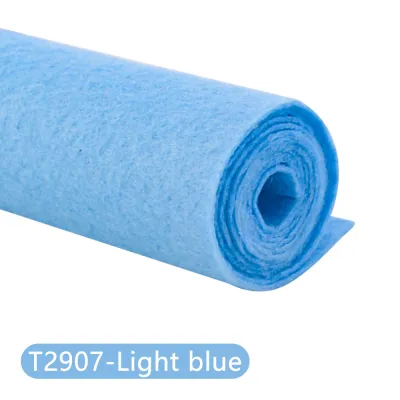
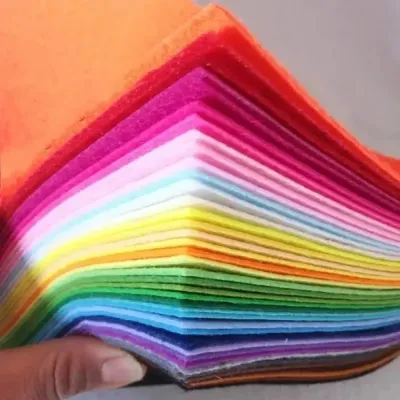
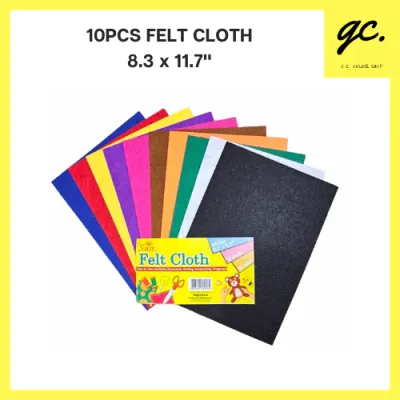
![[Local Shipment]40Pcs Felt Fabric Squares DIY Craftwork Felt Crafts Assorted Colors Textile Fuzzy Fabrics for Scrapbooks Sewing](https://img.lazcdn.com/g/p/bddbed62a9b949d21313c876307085ed.jpg_400x400q80.jpg_.webp)
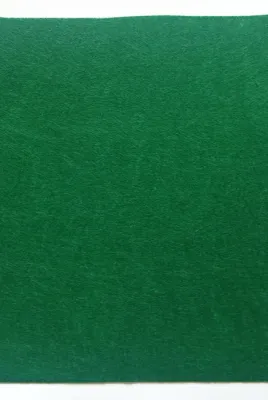
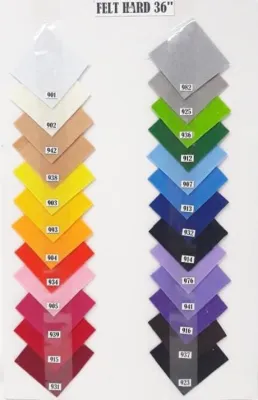
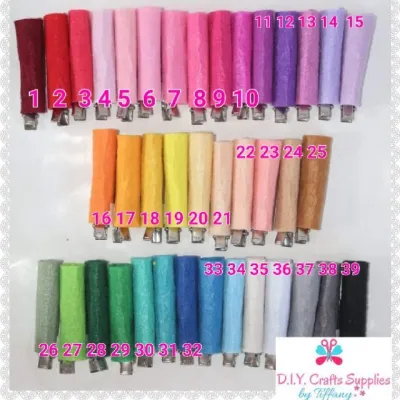
Prices are valid at publication and may change. Please refer to the product page for the latest price.
The specific methods used to mat and condense these fibers directly determine the thickness, density, and stiffness of the resulting fabric. High-density felts are heavily compressed, resulting in a stiff, durable sheet that holds its shape under tension. Low-density felts are lightly pressed, leaving them soft, pliable, and easy to drape or sew by hand.
When evaluating felt cloth fabric for a project, it is important to perform a quick visual and physical inspection. Look closely at the surface texture to ensure the fibers are distributed uniformly without thin spots or clumps. Gently pull on the edges of the sheet; high-quality felt should resist stretching and should not shed loose fibers easily. In warm, humid environments, checking for a tight, consistent fiber lock is especially useful to ensure the fabric does not trap excessive dust or moisture over time.
Main Types of Felt Fabric and Their Characteristics
Felt cloth fabric is categorized primarily by the type of fibers used in its production. These fiber sources dictate how the fabric feels, how it drapes, and how it responds to moisture, heat, and wear. The two main categories are natural fibers, such as wool, and synthetic fibers, such as polyester or acrylic.

Because different types of felt can look similar at a glance, always check the product labels, specification sheets, or online marketplace descriptions before purchasing. Verifying the exact material composition ensures you select a fabric that matches your project’s durability and care requirements.
Wool Felt
Wool felt is a premium, traditional textile made from natural sheep’s wool. The natural scales on wool fibers make them exceptionally easy to mat together under heat and moisture, resulting in a dense, highly durable fabric with a rich, textured feel. It has a natural elasticity and a soft, matte appearance that synthetic alternatives struggle to replicate.
This type of felt is ideal for high-end crafts, professional sewing, fashion accessories, and functional home items like coasters or desk pads. Its density provides excellent structure and wear resistance, making it suitable for items that undergo regular handling.
However, natural wool fibers require careful maintenance. Wool felt is highly sensitive to moisture and temperature changes, which can cause it to shrink or warp. Always check the care labels carefully, as dry cleaning or gentle spot cleaning is typically required to preserve its shape and texture.
Synthetic and Acrylic Felt
Synthetic felt is manufactured from man-made fibers, most commonly acrylic, polyester, or nylon. This type of felt is highly popular due to its affordability and wide availability. Because synthetic fibers accept dyes easily, acrylic and synthetic felts are known for their exceptionally vibrant colors and uniform thickness across the entire sheet.
This material is highly suitable for low-cost, high-volume, or short-term projects. It is a favorite for school classroom displays, temporary holiday decorations, and basic craft projects where budget is a primary consideration. It also offers excellent resistance to wrinkles and mildew, which is beneficial in humid climates.
Despite these advantages, synthetic felt has clear performance boundaries. It is generally less dense than wool felt, making it prone to stretching, pilling, and deforming under high friction. Before committing to a high-wear project, test a small sample by rubbing it firmly to check how easily the surface fibers pill or pull apart.
Blended Felt
Blended felt offers a middle ground by combining natural wool with synthetic fibers, such as rayon or polyester. This combination is designed to capture the luxurious feel and durability of wool while keeping production costs manageable.
To judge how a blended felt will behave, look closely at the specific blend ratio. A blend with a higher percentage of wool (such as 35% wool and 65% rayon) will lean closer to the tactile quality, density, and drape of pure wool. Conversely, a blend dominated by synthetic fibers will feel stiffer and offer higher color vibrancy at a lower price point.
Always verify the manufacturer’s stated blend percentages to ensure the fabric matches your expectations. Blended felts are highly versatile and are commonly used for detailed hand-sewing, soft toys, and home decor items where both aesthetics and budget are important.
Craft and Eco-Friendly Felt
Craft felt is a broad category designed specifically for recreational and educational use. Within this category, eco-friendly felt has gained popularity. This variant is typically made from recycled plastics, such as post-consumer PET bottles, turning plastic waste into soft, usable fabric sheets.
These felts are highly practical for children’s crafts, school projects, and eco-themed designs. They are lightweight, easy to cut with standard scissors, and available in pre-cut sheets that are convenient for quick activities.
When sourcing craft or eco-friendly felt, inspect the sheets for thickness consistency, as lower-grade options can sometimes have thin, semi-transparent patches. Additionally, review any available product safety statements regarding chemical treatments or dyes, especially if the felt will be handled frequently by young children.
How to Choose the Right Felt for Your Project
Selecting the right felt cloth fabric requires balancing your project’s lifespan, the fabrication methods you plan to use, and your overall budget. By matching the properties of each felt type to your specific needs, you can ensure a successful and long-lasting result.
First, consider the expected lifespan of your project. For temporary displays, party decorations, or quick classroom crafts, budget-friendly synthetic or craft felt is the most practical choice. However, if you are creating heirloom toys, wearable accessories, or functional home items like bags and cases, investing in wool or high-quality blended felt is necessary to prevent the item from wearing out or pilling quickly.
Second, match the felt type to your fabrication method. If your project involves intricate die-cutting, punching, or sharp geometric shapes, a stiffer synthetic or high-density wool felt will yield the cleanest edges. If your project involves hand-sewing, stuffing, or creating soft curves, a softer, more pliable blended felt or low-density wool felt will be much easier to manipulate and sew.
Third, factor in your budget and perform physical testing. While synthetic felt sheets are highly affordable—often costing only a few pesos per sheet—pure wool felt is a premium investment. If you are planning a large or complex project, it is highly recommended to purchase a small sample sheet or request swatches first. This allows you to test how the fabric handles before committing to a bulk order.
Before starting your project, use this quick verification checklist to evaluate your felt:
- Thickness: Measure the sheet to ensure it matches your design requirements (typically 1mm to 2mm for crafts, and 3mm or thicker for structural items).
- Stiffness: Bend the fabric to see if it drapes softly or springs back, ensuring it matches your desired structure.
- Colorfastness: Rub a damp white cloth over the surface of the felt to check for dye transfer, which is especially important for items that may get wet.
- Edge Behavior: Make a test cut with your scissors to ensure the edge remains clean and does not produce excessive fuzz.
Care, Maintenance, and Handling Limitations
Proper care and handling are essential to maintain the appearance and structural integrity of felt cloth fabric. Because wool and synthetic fibers react differently to moisture, heat, and agitation, cleaning methods must strictly follow the manufacturer’s instructions to prevent irreversible damage.
For general maintenance, keep cleaning as low-risk as possible. Use a soft-bristled brush or a lint roller to remove surface dust, pet hair, and debris. If a spill occurs, gently spot clean the area immediately using a damp cloth and mild soap, taking care to blot rather than rub the fabric. Stop cleaning immediately if you observe any color bleeding, fiber distortion, or surface pilling.
Storage conditions are also critical, particularly in warm, humid climates. Store your felt sheets or finished products flat or gently rolled in a dry, well-ventilated space to prevent mold and mildew growth. Avoid placing heavy items on top of stored felt, as heavy compression can cause permanent creases and flatten the fabric’s natural texture.
Finally, avoid exposing felt to harsh conditions. Never use untested chemical solvents, bleach, or high-heat ironing directly on the fabric. Synthetic felts can melt under high heat, while wool felts will shrink and warp. If ironing is necessary to remove creases, always use the lowest heat setting, place a clean pressing cloth between the iron and the felt, and work quickly. If care instructions are missing or conflicting, consult a textile professional before proceeding.
Frequently Asked Questions (FAQ)
Does felt cloth fabric fray when cut?
No, felt cloth fabric does not fray when cut. Because it is a non-woven material made by matting and compressing fibers together rather than weaving threads, there are no individual warp or weft yarns to unravel. However, if you use dull scissors or cut very thick, low-density felt, the edges can sometimes appear slightly fuzzy. For the cleanest, sharpest edges, always use sharp fabric shears, a rotary cutter, or a utility knife on a cutting mat.
Can I wash felt fabric in a washing machine?
Machine washing is generally not recommended for felt fabric, especially wool felt. The combination of water, heat, and mechanical agitation in a washing machine causes wool fibers to lock together even tighter, leading to severe shrinkage, warping, and a ruined texture. While synthetic polyester or acrylic felt is less prone to shrinking, machine washing can still cause severe surface pilling and loss of shape. Always check the composition label and opt for gentle spot cleaning or hand washing in cold water when cleaning is necessary.
What is the best adhesive for bonding felt to other materials?
Because felt is highly porous, liquid glues can easily soak through the fibers, leaving stiff, dark patches on the surface of your project. For general crafting, specialized fabric glue or high-quality craft glue works well because they are formulated to dry flexible and resist soaking through. Hot glue is excellent for quick, strong bonds on stiff felt, but it cools rapidly and can add bulk. Always test your chosen adhesive on a scrap piece of felt first to check for bleed-through, stiffness, and drying time before applying it to your final piece.

Community discussion
Share your experience or ask a question. Comments are reviewed before publication.