
Quick Answer: Which Filing Tool Fits Your Primary Need?
Selecting the right document organizer depends on how you handle your paperwork daily. If you need to transport loose, unpunched documents securely while protecting them from crumpled edges and sudden tropical downpours, a dedicated file case is the most practical choice. For documents that require frequent, sequential reference and page-turning—such as training manuals, school notes, or presentation slides—a classic ring binder offers the most structured layout. When your primary goal is to sort and categorize high volumes of mixed paperwork, such as monthly utility bills, receipts, or multi-subject worksheets in a single stationary spot, an expansion folder provides the necessary multi-pocket organization. Matching your choice to these specific scenarios ensures your paperwork remains intact, accessible, and free from the damaging effects of local humidity.
Understanding the Core Structure and Best Use Cases
To build an efficient filing system, you must first understand how each tool is physically constructed and how that construction dictates your daily workflow. Each option serves a distinct purpose, and mixing them up can lead to torn pages, lost documents, or unnecessary bulk in your bag.

The File Case: Rigid Protection for Loose Sheets
Products mentioned in this guide
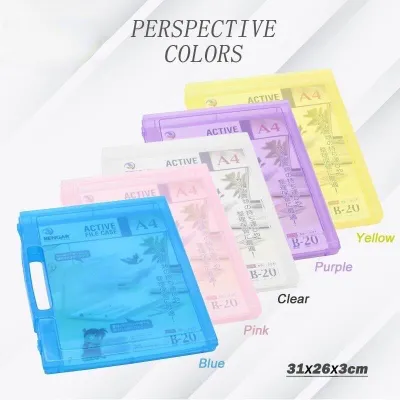
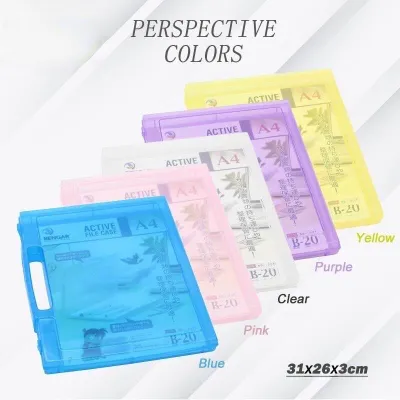


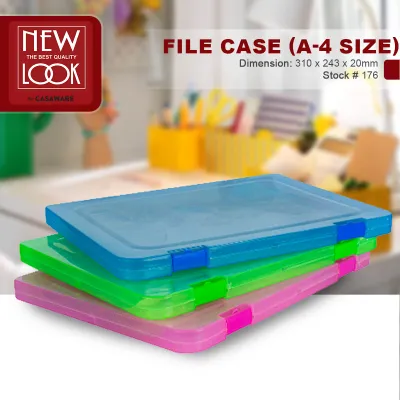
![Sccor Plastic File Case [ A4 & Long Size ]](https://img.lazcdn.com/g/p/9baad1b191a5cbcf93d28f93befe8aa4.jpg_400x400q80.jpg_.webp)
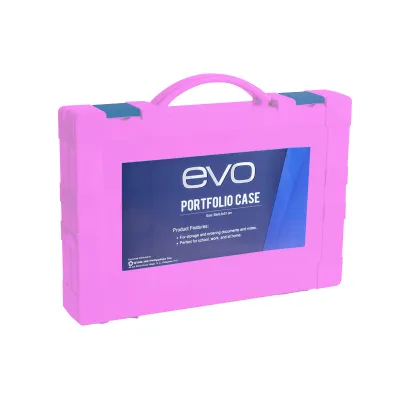
Prices are valid at publication and may change. Please refer to the product page for the latest price.
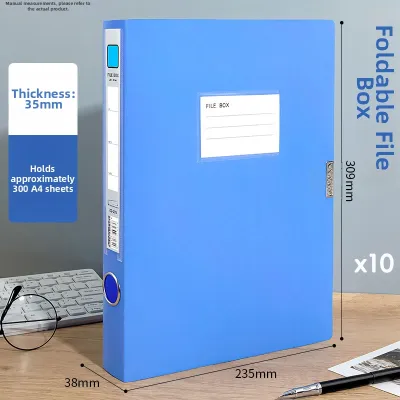
A file case is typically a molded plastic container featuring a solid, box-like structure. It secures your documents using snap locks, sliding buckles, or zipper closures. Because it does not rely on rings or pockets, you can slide loose, unpunched papers directly inside. This design keeps your documents completely flat and shielded from external pressure. It is highly suitable for carrying certificates, contracts, or design drafts that must remain pristine and free of holes.
The Binder: Sequential Access and Modular Editing
A binder utilizes a metal or plastic ring mechanism—commonly in two, three, or four-ring configurations—mounted onto a rigid spine. To store papers, you must either punch holes in them or insert them into plastic sheet protectors. This structure allows you to flip through pages like a book, making it easy to read, edit, or rearrange sheets sequentially. Binders are ideal for active documents that you need to update regularly, such as recipe collections, standard operating procedures, or academic portfolios.
The Expansion Folder: High-Volume Categorization
Also known as an accordion folder, an expansion folder features flexible, pleated sides that stretch outward as you add more papers. Inside, it is divided into multiple compartments or pockets, often with built-in tab dividers for labeling. This design is built for sorting diverse documents without the need for hole-punching. It excels at consolidating high volumes of paperwork, such as tax documents, medical records, or monthly business receipts, into a single, organized unit that sits on a desk or shelf.
Evaluating Protection, Capacity, and Portability Trade-offs
Choosing between these three solutions requires balancing how well they protect your documents, how many sheets they can hold, and how easy they are to carry during a daily commute.
Environmental and Physical Protection
In tropical climates where high humidity and sudden rainstorms are common, material choice is critical. Rigid plastic file cases offer excellent protection against external moisture, dust, and physical bending. Because they seal completely, they prevent papers from absorbing damp air, which can cause sheets to wilt or ink to smudge. Binders provide good structural support, but their open-sided design leaves the edges of your papers exposed to dust and humidity. Expansion folders, while offering excellent internal division, can become vulnerable if overfilled; the flexible sides may bulge, leaving the top edges of your documents exposed to potential spills or tearing.
Storage Capacity Limits
Capacity is determined by the physical limits of each design. Binders are constrained by their ring size, typically measured in inches or millimeters. A standard 1-inch binder holds a specific number of sheets, and overloading it can cause pages to tear at the holes when turned. Expansion folders offer the highest overall capacity relative to their footprint, with some models expanding to hold hundreds of sheets across 12 or 24 pockets. File cases have a fixed depth; once the box is full, you cannot force more papers inside without risking damage to the closure mechanism or the documents themselves.
Portability and Commuting Comfort
If you frequently travel or commute via public transport, the weight and shape of your filing tool matter. A slim file case slides easily into a standard backpack or briefcase, keeping your papers flat without adding excessive bulk. Binders, especially those with large D-rings or wide spines, are bulky and heavy, often requiring a dedicated bag or taking up significant space. Expansion folders are highly portable when empty or moderately filled, but once fully expanded with hundreds of documents, they become heavy and awkward to carry, making them better suited for stationary office or home storage.
How to Decide: Matching the Tool to Your Daily Workflow
To select the right filing tool, evaluate your daily habits, the state of your documents, and your storage environment.
Assess Your Document Preparation Limits
Before purchasing, consider whether you can alter your documents. If you are handling official government certificates, legal contracts, or original land titles, you cannot punch holes in them. In this scenario, a file case or an expansion folder is mandatory. If your documents are already hole-punched, or if you do not mind using plastic sheet protectors, a binder becomes a highly viable option for active reference.
Analyze Your Interaction Frequency
How often do you need to access and read the papers? If you need to flip through pages during a meeting, presentation, or study session, a binder is the most efficient tool because it holds pages open and allows for quick scanning. If you only need to retrieve a document occasionally—such as pulling out a utility bill once a month—an expansion folder keeps those categories neatly separated until needed. For simple transport where you only open the container at your destination, a file case is the most straightforward solution.
Evaluate Your Storage Space
Consider where the filing tool will live when not in use. Binders and expansion folders are designed to stand upright on bookshelves or file racks, making them easy to organize visually by their spines. File cases can be stacked horizontally on a desk or stored vertically in a drawer. If your workspace is prone to dust or high humidity, a fully enclosed plastic file case or a zippered binder will offer better long-term preservation than an open-sided folder.
Essential Specifications to Verify Before Purchasing
To avoid buying a product that does not fit your paperwork or your bag, always verify key specifications on the manufacturer’s label or product description before making a purchase.
Paper Size and Internal Dimensions
Do not rely solely on generic size labels like “standard.” Verify the exact internal dimensions in millimeters or inches. In local offices and schools, you will commonly encounter A4, Letter (short), and Legal (long) paper sizes. Ensure the file case or expansion folder is explicitly rated for the longest paper size you plan to store. For example, a standard A4 file case will not accommodate Legal-sized documents without folding them.
Closure Durability and Style
Examine the closure mechanism based on your usage frequency. Snap buttons and elastic bands are common and cost-effective, but they can wear out or lose elasticity over time. Zipper closures offer a more secure seal against dust and moisture but can snag if the case is overfilled. For heavy daily use, look for heavy-duty plastic buckles or slide locks that click securely into place.
Material Thickness and Flexibility
Check the manufacturer’s specifications for material thickness, often measured in gauge or millimeters (mm). A thicker polypropylene plastic (such as 0.7mm or higher) provides a rigid barrier against bending and offers better water resistance. While basic plastic options are highly affordable, often starting under ₱100 in local stationery stores, investing in a slightly thicker material ensures your documents remain protected from external impacts and humidity over years of use. For expansion folders, verify that the inner pocket dividers are made of tear-resistant material and that the bottom gussets are reinforced to handle the weight of heavy paper stacks.
Frequently Asked Questions (FAQ)
Can I use sheet protectors inside an expansion folder?
Standard plastic sheet protectors are typically wider than standard paper sheets to accommodate the binding margin and ring holes. Because of this extra width, they may not fit comfortably inside the pockets of a standard-sized expansion folder. If you attempt to force them in, the edges of the protectors may bend or prevent the folder from closing properly. If you must use sheet protectors, verify the exact pocket width of the accordion folder beforehand, or opt for a binder which is specifically designed to accommodate the extra width of plastic sleeves.
How do I clean and maintain a plastic file case?
To maintain a plastic file case, regularly wipe the exterior and interior surfaces with a soft, damp microfiber cloth and a mild dish soap solution. Avoid using harsh chemical solvents, alcohol-based cleaners, or abrasive scrubbing pads, as these can scratch the plastic, degrade the closure mechanisms, or cause transparent windows to become cloudy. Always allow the file case to dry completely in a shaded, well-ventilated area before placing paper documents back inside, as trapped moisture can lead to mold growth and damage your paperwork.
Community discussion
Share your experience or ask a question. Comments are reviewed before publication.