
Finding the right stress relief pen depends on identifying your unique sensory profile and understanding how your hands process tension. If you find yourself constantly tapping your foot, clicking standard ballpoint pens, or peeling labels off plastic bottles during long meetings, your body is seeking specific sensory inputs to maintain cognitive focus. Matching your physical habits to a dedicated fidget mechanism—whether it is a satisfying tactile click, a smooth gyroscopic spin, a textured grip, or a squishy squeeze barrel—ensures you channel restless energy productively. By selecting a writing instrument tailored to your specific fidgeting style, you can improve concentration and manage stress without turning your pen into a noisy, distracting office toy.
Using a stress relief pen is not merely about play; it is a recognized method of sensory grounding. For many professionals and students, physical movement acts as an external self-regulation tool that keeps the mind from wandering during passive tasks like listening to lectures or analyzing spreadsheets. However, a mismatch between your sensory needs and your pen’s mechanism can lead to frustration, rapid product wear, or unwanted disruptions in quiet environments. To find your ideal match, you must first evaluate how your body naturally reacts to stress and choose a tool built to withstand that specific physical output.
Understand Your Fidgeting Style to Choose the Right Pen
Before browsing the wide array of specialty pens available on the market, you must self-diagnose your primary fidgeting habits. Sensory input preferences generally fall into four distinct categories: auditory, kinetic, tactile, and pressure-seeking. Each category corresponds to a different type of physical stimulation that the brain uses to maintain alertness and calm the nervous system during high-stress tasks.
Products mentioned in this guide
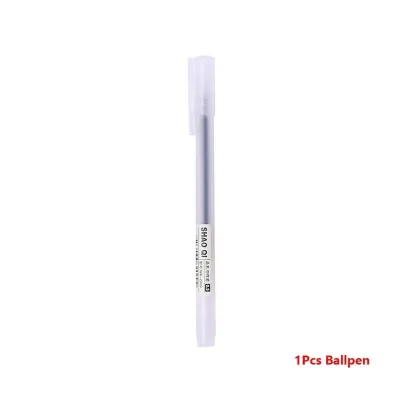

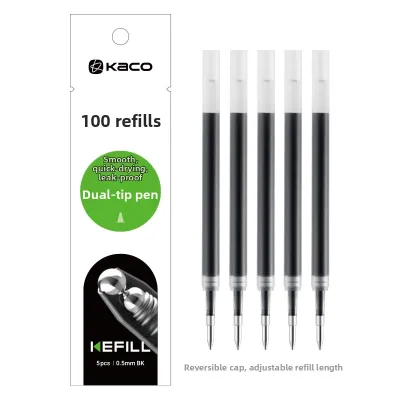
Prices are valid at publication and may change. Please refer to the product page for the latest price.
- Auditory Fidgeters crave sound cues and rhythmic patterns. They are the classic pen-clickers who find comfort in the sharp, distinct snap of a spring-loaded button or the metallic clack of moving parts.
- Kinetic Fidgeters require continuous, fluid motion. They prefer objects that spin, slide, or rotate endlessly, relying on visual tracking and low-resistance movement to keep their hands occupied.
- Tactile Fidgeters seek surface variations and physical textures. They find focus by running their fingers over ridges, knurled metal patterns, or soft raised bumps, prioritizing passive skin feedback over active motion.
- Pressure-Seeking Fidgeters need deep physical resistance. They manage anxiety by squeezing, bending, or clenching objects, requiring materials that yield to high pressure and return to their original shape.
Matching your pen to your specific style prevents the tool from becoming a source of distraction. For instance, a kinetic fidgeter will likely find a simple textured grip boring, while an auditory fidgeter will get little satisfaction from a silent spinning cap. To identify your style, observe your natural tendencies when stressed: do you tap your fingers rhythmically on the desk, spin your phone on its back, rub the edge of your laptop, or tightly grip your coffee mug? Once you identify your dominant habit, you can select a mechanism designed specifically for that sensory pathway.
Clicking Pens: Best for Auditory and Tactile Feedback
Clicking pens are the most traditional form of fidget writing instruments, but modern stress relief designs have elevated this mechanism far beyond the standard office ballpoint. These pens generally utilize two main types of click mechanisms: spring-loaded switches and magnetic sliders. Spring-loaded clicks offer a sharp, mechanical resistance followed by a high-pitched, crisp snap that provides instant physical and auditory confirmation. Magnetic clicks, on the other hand, rely on small rare-earth magnets embedded within the pen barrel, allowing users to slide a metal button back and forth with a smoother, deeper, and highly customizable resistance.

This style is ideal for individuals who need definitive, repetitive physical feedback to reset their focus. The physical resistance of a high-quality click switch provides a brief moment of intense sensory input that can help clear mental clutter. However, the primary limitation of clicking pens is their environmental impact. The sharp, mechanical snap of a spring-loaded pen can easily disrupt a quiet university library, a shared co-working space, or a formal boardroom meeting. If you work in a shared environment, look for pens featuring dampened magnetic switches or “silent” click mechanisms that deliver tactile resistance without the accompanying noise.
When evaluating a clicking stress relief pen, always check the manufacturer’s specifications regarding switch lifespan and resistance weight. A high-quality fidget pen should be rated for tens of thousands of clicks without losing its spring tension or magnetic alignment. Additionally, the resistance weight should match your hand strength; a switch that is too stiff will cause rapid finger fatigue, while one that is too loose will fail to provide the satisfying tactile feedback you need to stay grounded.
Spinning Pens: Best for Kinetic and Visual Focus
Spinning pens are engineered for those who find calm in continuous, low-friction rotation. These pens typically incorporate miniature ball bearings to facilitate fluid movement, utilizing mechanisms such as rolling mid-barrel sleeves, detachable gyroscopic rings, or weighted spin caps. Some advanced models feature a fully balanced body that allows the entire pen to be spun like a miniature baton between the fingers, utilizing centrifugal force to create a soothing, hypnotic visual and physical sensation.
This mechanism is perfect for restless hands that require continuous movement without the repetitive, jarring impact of clicking. The smooth glide of a high-quality ceramic or stainless steel bearing provides a calming, low-effort sensory experience that can be sustained for hours. However, kinetic spinning pens come with practical trade-offs. Spinning often requires a different grip than writing, meaning you must pause your work to fidget, which can interrupt your creative flow. Furthermore, pens with detachable magnetic rings or modular gyroscopic parts present a risk of lost components, particularly if you use them on the go.
To ensure a comfortable writing experience, pay close attention to the pen’s overall weight distribution and balance. A spinning pen with an excessively heavy cap or an off-center gyroscopic ring can feel awkward and unbalanced when you actually sit down to write. Look for models that maintain a central gravity point near the grip section, ensuring that the kinetic features do not cause hand strain during long essay-writing or note-taking sessions.
Textured Pens: Best for Subtle and Discreet Input
Textured pens provide sensory stimulation through surface feedback rather than moving parts, making them the most discreet stress relief option available. These pens utilize various surface treatments to engage your sense of touch, including knurled metal barrels, raised silicone grip bumps, matte anodized finishes, and carved ergonomic grooves. Because they do not click, spin, or deform, textured pens allow you to fidget constantly and silently without drawing any attention to yourself.
This style is highly suited for professionals, students, and educators who operate in strict, quiet environments where any audible or highly visible fidgeting is discouraged. Running your thumb over a finely knurled brass barrel or tracing the ridges of an ergonomic groove provides a grounding tactile sensation that helps anchor your attention during long lectures or intense examinations. Because there are no moving parts to break or lose, textured pens are also incredibly durable and reliable over years of daily use.
When choosing a textured pen, consider how the materials will interact with your local environment and daily habits. In warm, humid tropical climates, soft silicone textures can degrade over time, absorbing skin oils, sweat, and environmental dust, which can make the grip feel sticky or dirty. Conversely, knurled metal barrels made of aluminum, brass, or titanium offer permanent, wear-resistant feedback, though highly aggressive knurling can feel abrasive during extended writing sessions. You should also verify whether the textured area covers the entire pen body or is restricted solely to the lower grip section, depending on how you prefer to hold and handle your pen while thinking.
Squeeze Pens: Best for Deep Pressure Relief
Squeeze pens are designed for individuals who carry physical tension in their hands, wrists, and jaws when stressed. These pens feature deformable outer bodies made from materials like high-density memory foam, soft silicone sleeves, or internal bendable armature cores that allow the user to twist, bend, and compress the pen body. The material resists the force of your grip, absorbing physical tension and providing a safe, yielding outlet for built-up anxiety.
This style is highly beneficial for those who tend to clench their fists, bite their nails, or grip standard writing utensils with excessive force when working under pressure. Squeezing a dense foam or silicone barrel engages the deep muscles of the hand and forearm, promoting muscle relaxation and helping to prevent repetitive strain injuries. However, the unique construction of squeeze pens introduces specific structural limitations. Repeatedly compressing or bending a pen body can put stress on the internal ink cartridge, potentially causing the plastic tube to crack, bend, or leak ink into the casing if the pen lacks proper internal reinforcement.
To avoid messy ink leaks and premature product failure, look for squeeze pens that explicitly feature a “reinforced inner core” or a rigid internal chamber that protects the ink refill from your grip pressure. Additionally, because porous materials like memory foam and soft silicone easily attract dirt, lint, and ink stains, review the manufacturer’s care instructions. Opt for models with non-porous, washable silicone sleeves that can be easily wiped down with a damp cloth to maintain hygiene and appearance over time.
Compare Fidget Pen Mechanisms at a Glance
To help you quickly evaluate which stress relief pen mechanism aligns with your daily routine, the table below summarizes the key characteristics, noise levels, and durability considerations of each style.
| Mechanism Type | Best Fidgeting Style | Noise Level | Discreetness | Primary Durability Check |
|---|---|---|---|---|
| Clicking | Auditory & Tactile | Moderate to High | Low | Switch rated cycle lifespan and spring tension |
| Spinning | Kinetic & Visual | Silent to Low | Moderate | Bearing material quality and secure part attachment |
| Textured | Tactile & Passive | Completely Silent | High | Material resistance to skin oils, sweat, and humidity |
| Squeeze | Pressure-Seeking | Completely Silent | High | Internal core reinforcement and outer material washability |
Essential Checks Before Buying a Fidget Pen
When purchasing a stress relief pen, it is easy to focus entirely on the fidget mechanisms and forget that the tool must also function effectively as a writing instrument. A poorly designed pen that skips, leaks, or feels uncomfortable to hold will ultimately increase your stress levels rather than reduce them. To ensure you make a smart investment, run through these critical checks before finalizing your purchase.
First, verify the pen’s ink cartridge compatibility. Many budget-friendly fidget pens sold on online marketplaces use proprietary, non-standard ink cartridges that are difficult or impossible to replace once they run dry. To avoid throwing away a perfectly good pen body, prioritize models that accept standard, widely available refills, such as Parker-style G2 refills, Pilot G2 gel cartridges, or standard D1 mini refills. This ensures you can easily purchase replacement ink at local stationery stores in the Philippines and customize your writing experience with your preferred ink type, line weight, and color.
Second, consider the pen’s overall weight and ergonomics. The addition of metal spin rings, rare-earth magnets, ball bearings, or heavy brass barrels significantly increases a pen’s weight compared to standard plastic writing tools. While a heavier pen can feel premium and satisfying to hold, it can also cause rapid hand fatigue during long writing sessions. If you plan to use the pen for extensive note-taking, look for lightweight aluminum or composite options, and check the pen’s center of gravity. A well-balanced pen should rest comfortably in the web of your hand without feeling back-heavy or tipping backward when you write.
Finally, check the manufacturer’s warranty and return policies, especially regarding the moving parts. Fidget pens undergo significantly more wear and tear than standard writing instruments due to constant clicking, spinning, and squeezing. Reliable brands will often stand behind their engineering with warranties that cover mechanical failures, magnetic misalignment, or bearing issues. If you are purchasing a premium machined metal fidget pen, investing a bit more in a reputable brand with a solid warranty will ensure your stress relief tool remains functional for years to come.
Frequently Asked Questions (FAQ)
Do stress relief pens write as smoothly as standard premium pens?
The writing smoothness of a stress relief pen is determined primarily by the quality of the ink refill it uses, rather than the fidget mechanism itself. Many high-quality fidget pens are designed to accommodate premium, industry-standard refills, meaning they can write just as smoothly as top-tier gel pens or ballpoints. However, the added physical weight and shifting center of gravity caused by spinning rings or magnetic sliders can alter how you hold the pen, which might initially affect your writing control. If the default ink cartridge that comes with your pen feels scratchy or skips, you can easily upgrade the writing performance by swapping it out for a compatible premium refill from a trusted stationery brand.
How do I clean the moving parts of a fidget pen?
To keep your stress relief pen functioning smoothly, you should regularly clean the moving parts to prevent the buildup of dust, pocket lint, and skin oils. Use a dry microfiber cloth or a clean, soft-bristled toothbrush to gently sweep away debris from clicking switches, sliding channels, and spinning bearings. Avoid using liquid chemical cleaners, harsh solvents, or household lubricants like WD-40 on magnetic or spring-loaded mechanisms unless the manufacturer’s care instructions explicitly approve them. These liquids can dissolve internal adhesives, degrade protective coatings, and actually attract more dust and grit over time, which will eventually clog the mechanism and ruin the smooth movement of your pen.
Community discussion
Share your experience or ask a question. Comments are reviewed before publication.