
Finding a dated calendar for a specific year that has already passed presents a unique challenge. In the Philippines, wall calendars dated for 2025 are no longer standard retail items on main shelves. Instead, they have transitioned into clearance bins, overstock warehouses, and secondhand online listings. Whether you are looking to collect a specific artistic design, repurpose the illustrations, or find a deeply discounted planning tool, navigating the remaining inventory requires a sharp eye for physical condition.
Fortunately, the stationery market offers excellent workarounds. If your goal is functional, long-term planning rather than tracking a specific historical year, several highly adaptable alternatives exist. Undated layouts, perpetual systems, and reusable dry-erase boards provide the same organizational benefits without the expiration date. This guide outlines how to evaluate the quality of remaining 2025 stock, what physical features to inspect, and how to transition to flexible planning alternatives that suit your home or office.
Identifying Your Planning and Aesthetic Needs
Before searching for a calendar, assess the physical space where it will hang. Wall space in Filipino homes can vary widely, from compact studio apartments to spacious living rooms. A calendar that is too large can make a small room feel cluttered, while a tiny calendar on a large wall becomes difficult to read from a distance. Measure your designated wall area carefully, keeping in mind nearby light switches, door frames, and air conditioning units. Standard wall calendars typically measure around 12 by 12 inches when closed, opening up to 12 by 24 inches, which fits comfortably on most standard walls. If space is limited, a mini calendar (often around 7 by 7 inches) or a slim vertical format works best. For high-traffic family hubs or busy offices, oversized desk-pad style wall calendars (A2 size or larger) offer maximum visibility.
Products mentioned in this guide
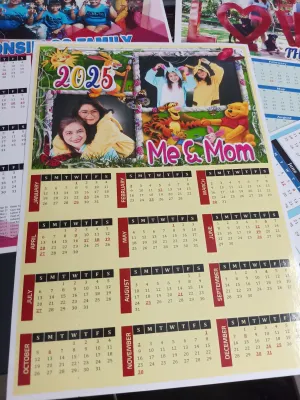
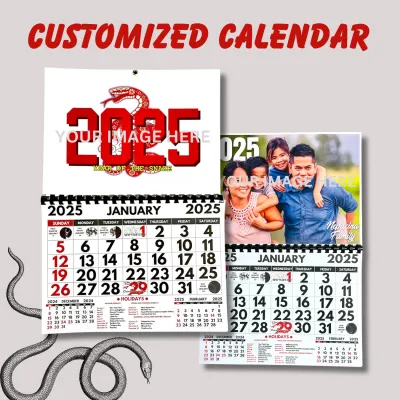
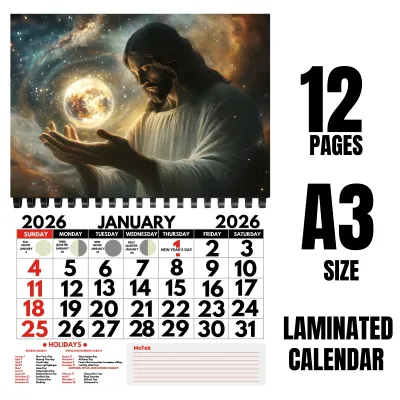
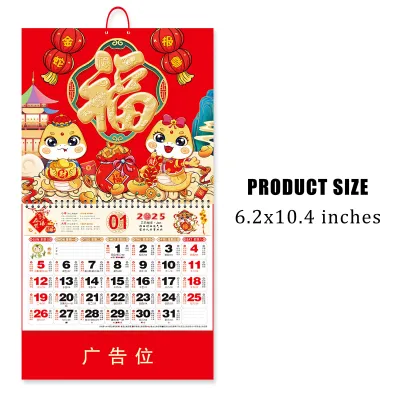
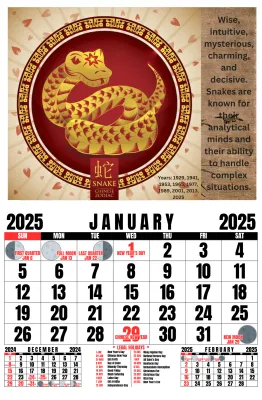
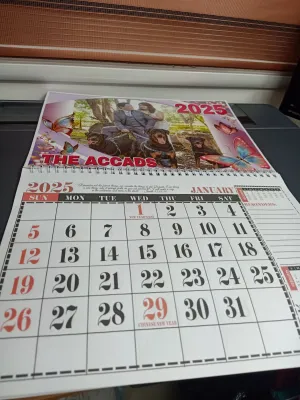
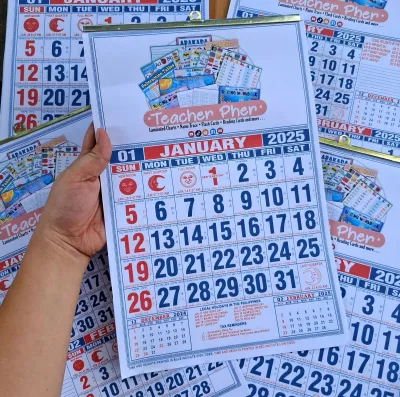
Prices are valid at publication and may change. Please refer to the product page for the latest price.
The internal layout of the calendar must match your daily writing habits. If you only need to note down major events, birthdays, or travel dates, a standard monthly grid with spacious daily blocks is ideal. Look for grids that provide clean, unlined squares so you can write freely. If you prefer detailed daily tracking, task lists, or habit monitoring, a weekly spread or a calendar with an integrated sidebar for notes is more practical. Consider how many family members or team members will share the calendar; some layouts feature multi-column grids specifically designed to track multiple schedules side by side.
Aesthetic alignment is equally important, as a wall calendar serves as a semi-permanent piece of home decor. Minimalist designs with clean typography and generous white space blend seamlessly into modern, Scandinavian, or industrial interiors. Photographic calendars featuring landscapes, travel destinations, or botanical prints add a natural element to the room, which can be highly refreshing in urban environments. Illustrative calendars, showcasing local artwork, whimsical drawings, or vintage patterns, act as focal points that express your personal style. Choose a theme that complements your existing wall color and furniture to ensure the calendar enhances, rather than clashes with, your living space.
Key Features to Evaluate in Wall Calendars
The physical construction of a wall calendar determines how well it will hold up over months of use. Paper weight and texture are critical factors to examine. Paper weight is measured in grams per square meter (GSM), and standard wall calendars generally range from 80 GSM to over 200 GSM. For reliable writing without ink bleed-through or ghosting, aim for a paper weight of at least 120 GSM. Heavyweight paper is particularly important if you prefer using gel pens, rollerballs, or mild highlighters, which deposit more ink onto the page. The texture of the paper also affects your writing experience; uncoated, matte paper absorbs ink quickly and prevents smudging, making it compatible with almost any pen type. Glossy paper, while excellent for vibrant color reproduction of photos, often resists water-based inks, causing gel pens and fountain pens to smear. If you choose a glossy calendar, you will likely need to use ballpoint pens or permanent fine-liners.

Binding and hanging mechanisms directly impact the durability of the calendar. Wire-o or double-loop spiral binding is highly recommended because it allows the pages to turn smoothly and lie completely flat against the wall. This type of binding also prevents the pages from tearing at the seam when you flip to a new month. Stapled or saddle-stitched calendars are common and lightweight, but they are more prone to sagging or tearing at the center fold, especially in humid tropical climates where paper naturally absorbs moisture and loses its rigidity. Inspect the hanging hole or metal hanger as well; a reinforced metal grommet or a sturdy wire hanger prevents the calendar from falling off its hook under its own weight.
Grid functionality should align with your daily routine. Look for calendars that clearly mark local holidays in the Philippines, as these are essential for planning long weekends, family gatherings, and work schedules. Some calendars also include moon phases, week numbers, and small reference grids for the preceding and following months, which can be incredibly helpful for quick planning. Additionally, check if the grid blocks contain subtle lines if you struggle to write in a straight line, or if they are completely blank for a cleaner look.
Sourcing Dated 2025 Calendars in the Current Market
Because 2025 has already passed, finding a dated calendar for that specific year requires looking outside standard retail channels. Your best starting point is the clearance and overstock sections of local stationery stores and bookstores in the Philippines. Retailers frequently move unsold dated planners and calendars to discount bins or warehouse sales to clear space for current inventory. Online marketplaces and ecommerce platforms are also excellent resources, as independent sellers and specialty stationery shops often list remaining stock at significantly reduced prices.
When purchasing a clearance calendar, verifying its physical condition is crucial. Items that have sat in warehouses or on retail shelves for extended periods can suffer from environmental wear. Inspect the pages for curling or warping, which is common in high-humidity environments. Check the metal binding for any signs of rust or discoloration, which can transfer to the paper and ruin the aesthetic. If the calendar was displayed on a shelf near a window, check the cover and exposed edges for sun fading or yellowing. If you are buying online, ask the seller for actual photos of the item’s current state rather than relying solely on stock images.
Evaluate the price carefully to ensure the purchase is practical. A dated 2025 calendar should be heavily discounted, often at a fraction of its original retail price in ₱. If you are buying it to repurpose the artwork—such as framing the illustrations or using the paper for scrapbooking and journaling—the discount should justify the cost of the materials. If you intend to use it for planning by manually altering the dates to match the current year, consider whether the effort of rewriting the dates is worth the savings compared to buying a cheap undated calendar.
Practical Alternatives: Undated and Reusable Options
If you want to avoid the limitations of past-dated calendars, undated wall calendars are an exceptional alternative. These calendars feature a pre-printed monthly grid with blank spaces for the month name and dates, which you fill in yourself. This design offers unmatched flexibility; you can start using the calendar at any time of the year without wasting a single page. If you go on vacation or do not need to track a particular month, you can simply skip it and resume writing when you return. This zero-waste approach makes undated calendars a highly sustainable and cost-effective choice for long-term planning.
Perpetual calendars offer a stylish, three-dimensional alternative to traditional paper calendars. Typically constructed from wood, acrylic, metal, or magnetic materials, these systems use movable blocks, sliders, or dials to display the day, date, and month. They can be mounted on the wall or placed on a desk, serving as both a functional tool and a modern design piece. Because they do not rely on paper pages, perpetual calendars never expire and can be used year after year. While they do not provide space for writing down detailed daily appointments, they are excellent for quick date reference and adding a tactile, interactive element to your daily routine.
For dynamic, fast-changing schedules, dry-erase and laminated wall calendars are highly practical. These large-format planners feature a glossy, laminated surface that allows you to write with dry-erase or wet-erase markers. You can easily write down meetings, chores, and reminders, and then wipe them away with a cloth when plans change or when the month ends. Many dry-erase calendars are magnetic, allowing you to attach notes, receipts, or color-coded magnets for enhanced organization. This setup is ideal for busy households, classrooms, and collaborative office spaces where schedules are constantly updated and need to be visible to everyone at a glance.
Frequently Asked Questions (FAQ)
How do I prevent wall calendar pages from curling?
Paper curling is a common issue in the Philippines due to high relative humidity, which causes paper fibers to expand and warp. To prevent this, avoid hanging your calendar in areas with high moisture levels, such as directly opposite bathroom doors, near kitchen stoves, or in the direct path of air conditioners and open windows. Keep the calendar away from direct sunlight, as uneven heat can dry out one side of the paper faster than the other, leading to severe warping. If your calendar pages begin to curl at the bottom corners, you can use discreet binder clips or small pieces of removable mounting putty to secure the bottom edges flat against the wall. Alternatively, sliding a thin magnetic strip or a decorative paperweight over the bottom edge can keep the pages taut and neat.
Can I use fountain pens on standard wall calendar paper?
Whether you can use a fountain pen on a wall calendar depends entirely on the paper’s weight, texture, and coating. Standard wall calendars often use lightweight or highly absorbent paper that can cause fountain pen ink to feather (spread out along the paper fibers) or bleed through to the next page. To determine compatibility, check the product packaging for paper specifications; a weight of 150 GSM or higher with a smooth, uncoated finish generally handles fountain pen ink well. Before writing your schedule, perform a hidden corner bleed test. Find a small, inconspicuous area of the calendar—such as the margin of a notes section or the back of the cover page—and write a few test strokes using your preferred ink and nib size. Observe how quickly the ink dries and check the reverse side of the page for any signs of bleeding or ghosting before committing to writing on the main grid.
Community discussion
Share your experience or ask a question. Comments are reviewed before publication.