
As we approach 2027, finding the right physical tools to organize our daily lives remains as important as ever. While digital planners and smartphone alerts are convenient, a physical wall calendar serves as a shared visual anchor for households, classrooms, and offices. It provides an immediate, glanceable overview of the month, helping everyone stay aligned on upcoming deadlines, family events, and local holidays.
Selecting the ideal wall calendar for 2027 requires looking beyond attractive cover designs. In the Philippines, unique environmental factors like high tropical humidity can affect paper quality, causing thin sheets to warp or ink to bleed more easily. By understanding what physical specifications to look for, you can choose a calendar that remains durable, legible, and highly functional throughout the entire year.
Key Features to Evaluate Before Buying
Before committing to a specific design, it is essential to evaluate the physical and functional specifications of a wall calendar to ensure it matches your writing style and available wall space. The overall utility of a calendar depends heavily on its material construction and layout design.
Products mentioned in this guide
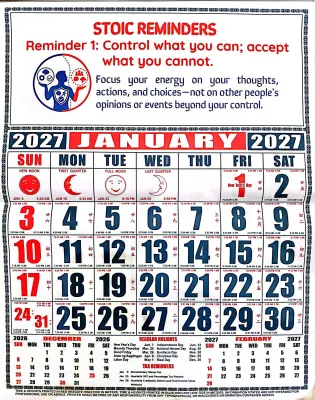
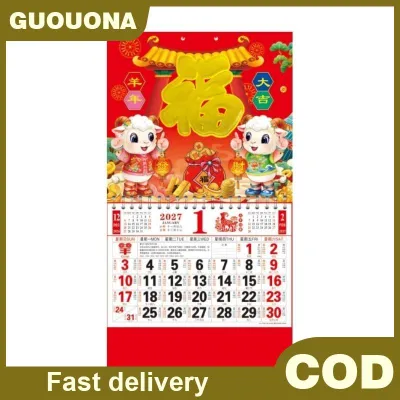
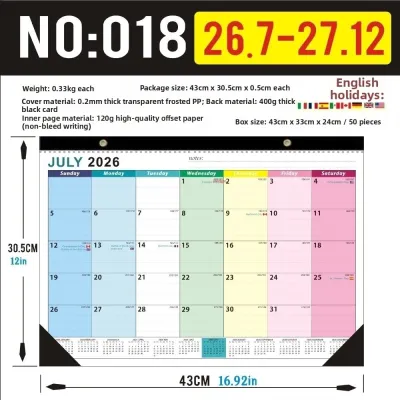
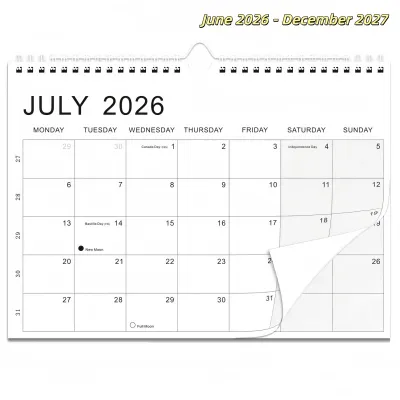
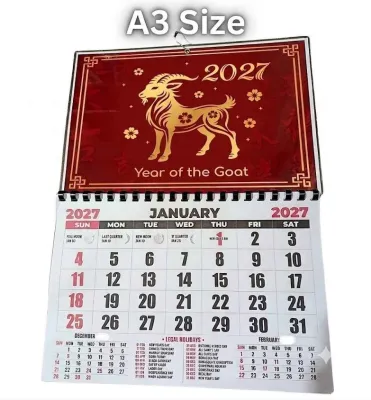
Prices are valid at publication and may change. Please refer to the product page for the latest price.
First, pay close attention to the paper weight and surface coating. Paper weight is measured in grams per square meter (GSM). For a wall calendar that you will write on daily, look for a paper weight of at least 120 GSM to 150 GSM. Thicker paper prevents ink from bleeding through to the next month’s page, which is especially important if you prefer using gel pens, fine-liners, or highlighters. Additionally, consider the paper finish. Uncoated, matte paper is highly receptive to pencil and standard ballpoint pens, allowing ink to dry quickly. However, in highly humid tropical climates, uncoated paper can absorb moisture from the air, making it slightly more prone to ink feathering. Coated or glossy paper offers a sleek look and vibrant colors, but it requires specialized markers or longer drying times to prevent smudging.
Second, compare the binding types used to hold the calendar together. Wire-O binding, which uses double-loop metal wires, is highly durable and allows the pages to turn smoothly and lie completely flat against the wall. Spiral plastic binding offers similar flexibility but can sometimes warp if the calendar is heavy. Top-glued or tear-off calendars provide a clean, modern look because you simply tear away the old month. However, they require a sturdy backing board to prevent the remaining pages from sagging or curling at the corners over time.
Third, evaluate the grid layouts based on how much detail you need to record. Standard monthly grids are excellent for general scheduling, but the size of the daily blocks is critical. If you have a busy schedule, look for blocks that measure at least 3 centimeters by 3 centimeters to allow room for multiple entries. Some layouts also include adjacent weekly spreads or dedicated columns for notes and checklists, which can help you track ongoing projects without cluttering the main calendar grid.
Finally, measure your designated wall space before making a purchase. Wall calendars come in various standard sizes, such as A3 (approximately 29.7 x 42 centimeters) or A4 (approximately 21 x 29.7 centimeters). Ensure the dimensions fit your wall without overlapping light switches, door frames, or air conditioning units. A calendar that is too large can make a small room feel cluttered, while one that is too small may be difficult to read from a distance.
Recommended Wall Calendar Types by Use Case
The ideal wall calendar is highly subjective and depends on your primary scheduling goals. Categorizing calendars by their design and functional features can help you narrow down the options to find the style that best fits your daily routine and aesthetic preferences.

Best for Family Coordination
Managing a busy household requires a calendar that can accommodate multiple schedules simultaneously. For family coordination, look for specialized layouts that feature multi-column grids, often referred to as family organizers. These designs dedicate a separate column or row to each family member, making it easy to see who is responsible for specific chores, school activities, or appointments at a single glance.
Because family calendars are updated frequently, prioritize sturdy binding and thick, durable paper. The pages must be resilient enough to withstand frequent writing, erasing, and updating without tearing or pilling. If you plan to use erasable gel pens or pencils, a high-quality matte paper with a weight of 140 GSM or higher is highly recommended to maintain a clean surface throughout the month.
Additionally, look for calendars that pre-print local holidays and significant dates relevant to the Philippines. Having national holidays, long weekends, and school breaks clearly marked helps families plan vacations and gatherings well in advance. Extra features like integrated meal planning sections, grocery lists, or magnetic backing strips for kitchen fridge mounting can also add significant practical value to a household calendar.
Best for Minimalist and Aesthetic Spaces
For those who view a wall calendar as an extension of their home decor, aesthetic appeal is just as important as functionality. Minimalist calendars focus on clean typography, generous white space, and high-quality art or photography prints. These designs are intended to complement modern interior styles, such as Scandinavian or contemporary industrial decors, without overwhelming the room.
Tear-off or block-style calendars are particularly popular for minimalist spaces. By removing the previous month entirely, you maintain a sleek, clutter-free look on your wall. When choosing an aesthetic calendar, verify that the visual design does not compromise the readability of the dates. Some minimalist designs use very light pastel colors or thin fonts that can be difficult to read from a distance or under dim lighting.
To ensure the calendar serves its practical purpose, look for high-contrast layouts with clear, legible numbers. Matte, textured paper often works best for aesthetic calendars, as it minimizes glare from indoor lighting and gives the prints a premium, gallery-like feel. If the calendar features artistic prints, you can even cut out and frame the artwork once the year is over, giving the product a second life.
Best for Office and Academic Productivity
Professionals and students require highly functional calendars designed for project tracking, deadline management, and goal setting. For these environments, look for layouts that go beyond the standard monthly grid to include dedicated notes sections, habit trackers, and monthly goal-setting spaces.
In a fast-paced office or study environment, you will likely use a variety of writing instruments, including highlighters, permanent markers, and gel pens. To prevent ink from smudging or bleeding through to the next page, look for calendars with heavy-duty paper that has been verified for bleed resistance. Testing a small corner of the page with your preferred pen before writing major entries is a practical way to verify compatibility.
Professional aesthetics are also important for shared workspaces. Clean, structured designs with professional color schemes—such as deep blues, grays, or classic black and white—help maintain a business-appropriate atmosphere. If the calendar is meant for a shared team space, opt for a larger format, such as an oversized desk blotter that can also be hung on the wall, to ensure all team members can easily view project milestones.
Where to Buy and What to Verify
Sourcing a quality 2027 wall calendar in the Philippines requires navigating both physical retail stores and online marketplaces. While physical bookstores and specialized stationery boutiques in major shopping malls allow you to inspect the paper quality and binding in person, online platforms offer a wider variety of designs and layouts.
When shopping online, the most critical step is to strictly verify the printed year in the product title, description, and customer reviews. Because outdated stock from previous years can remain listed on ecommerce platforms, double-check that the calendar is explicitly marked for 2027. Carefully examine the product images to ensure the calendar grid aligns with the 2027 days of the week (for example, January 1, 2027, falls on a Friday).
Additionally, review the seller’s ratings and customer feedback regarding packaging and shipping. Because wall calendars are made of paper, they are highly susceptible to bending, creasing, or water damage during transit, especially during the rainy season. Look for sellers who explicitly state that they package calendars with thick cardboard backing, bubble wrap, or rigid mailing tubes to protect the product during delivery.
Finally, compare prices in ₱ across different platforms while factoring in potential shipping fees. Budget-friendly wall calendars typically range from ₱150 to ₱350, while premium imported planners or artistic calendars can cost ₱800 to ₱1,500 or more. Because large wall calendars are often classified as bulky items, shipping fees can vary significantly depending on your location. Comparing the total cost, including delivery, will help you find the best value for your budget.
Frequently Asked Questions (FAQ)
When is the best time to buy a wall calendar for the upcoming year?
The optimal window to purchase a 2027 wall calendar is during the late third quarter or early fourth quarter of 2026, typically between September and November. Local bookstores and online stationery shops usually release their new inventory during this period. Buying early ensures you have access to the widest selection of designs, layouts, and sizes before popular styles sell out. While waiting until late December or January might bring clearance discounts, the remaining choices are often highly limited, and shipping times may be delayed due to the holiday rush.
How do I hang a heavy wall calendar without damaging the paint?
To hang a wall calendar safely without damaging your wall paint, start by checking the calendar’s weight and your wall’s surface type. For standard painted drywall or concrete walls, removable adhesive hooks or double-sided mounting strips are highly effective. Choose an adhesive product that is rated for the specific weight of your calendar, and strictly follow the manufacturer’s instructions for application, which usually involve cleaning the wall surface with rubbing alcohol and letting the adhesive cure for an hour before hanging the item. Avoid using unverified DIY glues, heavy nails, or standard double-sided tape, as these can tear the paint or leave a sticky residue when removed at the end of the year.
Community discussion
Share your experience or ask a question. Comments are reviewed before publication.